
Blog

Natural Stone Essentials: Types, Features, and Common Uses

When it comes to building materials that stand the test of time, STONE remains unmatched. Whether for architectural exteriors, luxurious interiors, or durable public works, natural stone is valued for its aesthetic appeal, durability, and unique patterns. But what exactly are the different types of natural STONE? How are they classified and named? What are the practical applications and distinguishing features of granite, marble, limestone, slate, and more?

In this comprehensive guide, we answer all your questions and explore the essentials of STONE materials—from geological composition to modern design usage. Brought to you by HRST STONE, a leading name in the global stone industry.

Classification of Natural STONE Materials

According to the American Society for Testing and Materials (ASTM), natural decorative STONE is generally divided into six main categories:

  1. Granite (G)
  2. Marble (M)
  3. Limestone (L)
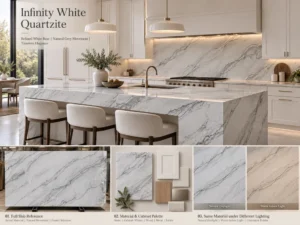
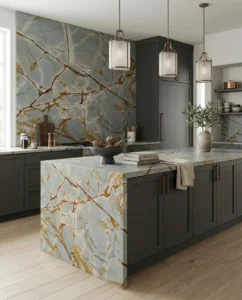
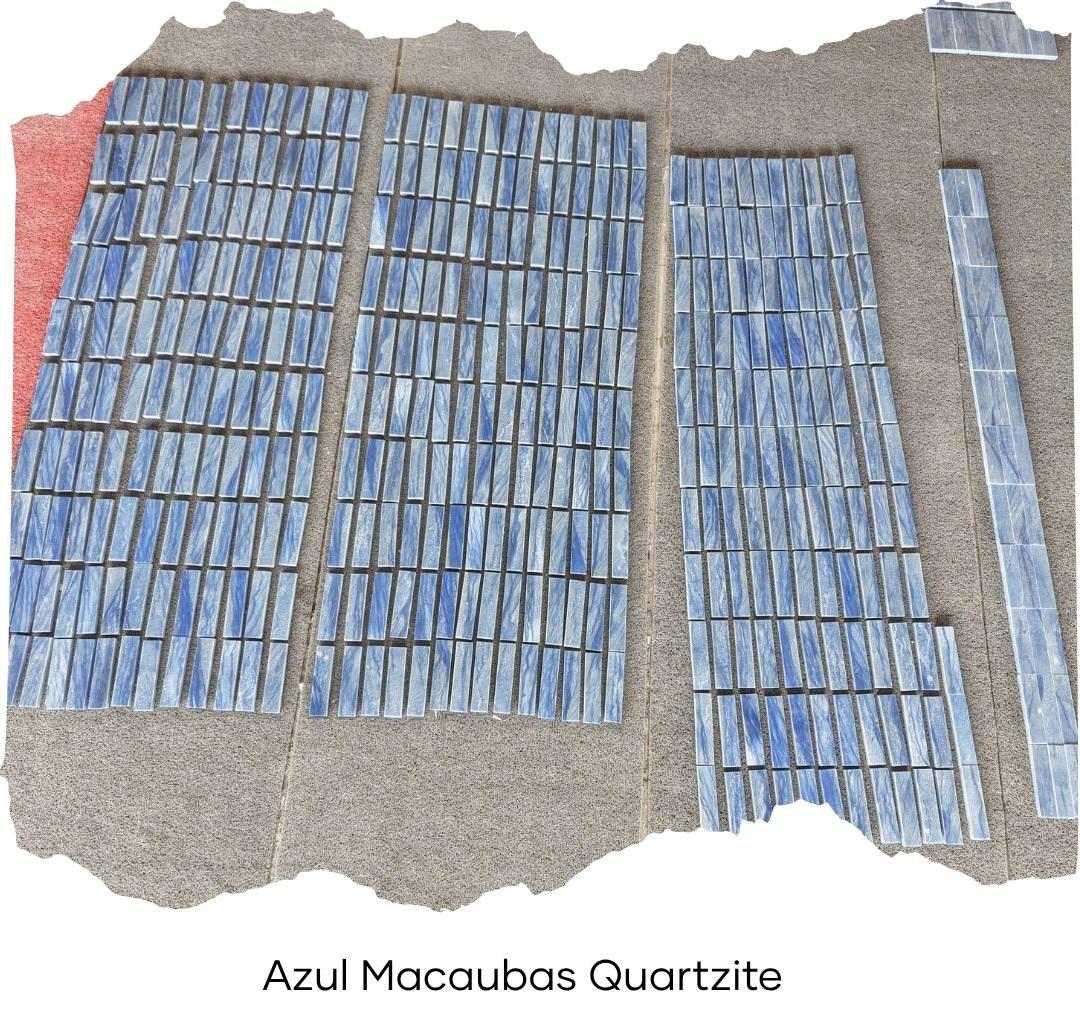
  4. Quartz-based Stone (Quartzite)
  5. Slate (S)
  6. Other Natural Stones (e.g., sandstone)

Each category has distinct properties and applications, making them suitable for different uses in construction and design


How Natural STONE Gets Its Name

Natural STONE names often reflect a combination of factors:

  • Color and Pattern: For example, names like “Golden Spider” or “Ink Vein” depict visual characteristics.
  • Origin: Many stones are named after their places of origin, like “Indian Black” or “Brazilian Green.”
  • Marketing Appeal: Names are also chosen for their poetic, symbolic, or exotic flair, such as “Life’s Origin” or “Buddha’s Light.”

Note: Some stone names can be misleading. For instance, “French Beige” may actually come from Indonesia.

Key Mineral Compositions in STONE

Natural stones are composed of various minerals formed through geological processes. Some of the most common include:

  • Quartz
  • Feldspar
  • Mica
  • Calcite
  • Dolomite
  • Serpentine

These minerals determine the stone’s hardness, porosity, appearance, and chemical resistance.


Common Types of STONE and Their Features

Granite

Composition: Quartz, feldspar, and mica (Quartz 20–40%, Feldspar 40–60%)

Features:

  • High hardness and strength
  • Low porosity and water absorption
  • Resistance to acid and weather
  • Difficult to process but offers long-lasting shine

Applications:

  • Interior flooring and walls
  • Outdoor paving and monuments
  • Bridges, foundations, piers

Marble

Composition: Calcite, dolomite, serpentine

Features:

  • Softer than granite
  • Unique, flowing patterns
  • Higher porosity, easier to process

Applications:

  • Sculpture and decorative elements
  • Countertops, bathrooms, and feature walls

Limestone

Composition: Predominantly calcite

Features:

  • Soft and relatively easy to carve
  • Highly reactive with acids
  • Warm tones (gray, cream, beige)

Applications:

  • Exterior facades, fireplaces
  • Traditional and classical architecture

Quartzite vs. Quartz Stone

  • Quartzite: Natural metamorphic rock, very hard and resistant
  • Quartz Stone (Engineered): Man-made from over 90% quartz mixed with resin

Key Difference: Quartzite is natural; quartz stone is artificial.

 Slate

Features:

  • Formed by sedimentary compression
  • Cleaves easily into sheets
  • Dark, earthy tones

Applications:

  • Roofing, flooring, outdoor paving

Artificial Stones and Mosaics

  • Artificial Stone: Made using resins, pigments, cement, and stone particles
  • Mosaic Tiles: Often produced using leftover or specially cut stones

Types of Stone Mosaic:

  1. Molded Mosaics
  2. Small Particle Mosaics
  3. 3D Textured Mosaics
  4. Broken Surface Mosaics
  5. Carpet-Style Mosaics
  6. Castle Bricks

Frequently Asked Questions (FAQs)

Q1: Is granite better for outdoor use than marble?

A: Yes. Granite is less porous, more weather-resistant, and better suited for external applications.

Q2: How can I tell if a stone is natural or man-made?

A: Natural stones have irregular patterns and may contain mineral veins. Man-made stones often show air bubbles or mold lines.

Q3: Are all stone names tied to their country of origin?

A: Not always. While many are, some popular names may be creatively chosen for appeal rather than accuracy.

Q4: What are the advantages of using natural stone in interior design?

A: Unique textures, timeless beauty, eco-friendliness, and added property value.

Q5: What surface finishes are available for stone?

A: Polished, honed, brushed, flamed, and water-washed (e.g., water-jet finish adds texture using high-pressure water).


Design Classification – Aesthetic Perspective

Besides geological types, stones are often grouped by color tones in architectural design:

  • White Series
  • Beige/Yellow Series
  • Gray Series
  • Blue Series
  • Green Series
  • Red Series
  • Brown Series
  • Black Series
  • Specialty Colors (multi-tone or iridescent)

This helps designers match stone aesthetics with the overall color palette of the space.


Why Choose HRST STONE?

  • 🌍 Global Reach: We source and supply premium quality stones worldwide
  • 🏭 Direct Factory: In-house production ensures competitive prices
  • 🛠️ Customization: Tailor-made solutions for residential and commercial projects
  • 🎨 Design Support: A wide variety of patterns, colors, and finishes
  • 📦 Reliable Logistics: Fast delivery and international shipping

HRST STONE brings nature into your life—elegantly and sustainably.

Conclusion

Understanding the world of STONE is more than knowing names—it’s about appreciating history, geology, and design. From granite’s strength to marble’s elegance and quartzite’s brilliance, each STONE tells a story.

So, what’s the right STONE for your project? That depends on your needs, vision, and the expert advice from industry leaders like HRST STONE.

✨ Explore more: www.quartzite-stone.com
📩 Email: assistant@hrststone.com
📱 WhatsApp: +86 13685922793
 

Related Products

Black Tree Marble Hexagon Table

The Black Tree Marble Hexagon Table is a stunning piece of furniture that complements any modern decor. Its unique hexagonal shape adds a touch of sophistication and elegance to any room. The tabletop is crafted from premium quality black tree marble, which boasts a rich, natural beauty. The marble’s grain patterns are unique, making each table one of a kind.

Read More »

Natural Viola Marble Coffee Table

Calacatta Viola Marble is a rare and luxurious marble with a striking purple and white veining pattern. The base color of the marble is a pure white, and the distinctive veins range in color from light lilac to deep violet. The veins tend to be thick and dramatic, making Calacatta Viola a highly sought-after material for high-end interior design applications such as countertops, flooring, and wall cladding. The marble has a polished finish, which enhances the beauty of its unique patterning and coloring. Overall, Calacatta Viola marble is a stunning natural stone that can add a touch of elegance and sophistication to any space.

Read More »

Pink Onyx

Pink onxy is a silicate mineral, it is a beautiful and elegant stone with rich textures and a crystal clear surface. It is suitable for home decoration in living rooms, restaurants, and bathrooms.

Read More »
1.CeppoNova 1654852828070.CeppoNova 2 1

Ceppo Nova marble

Ceppo Romano is a gorgeous sandy beige breccia stone composed of irregular rock fragments of varying forms and gravels. This stone is particularly well suited to kitchen and bathroom worktops, stairwells, construction stone, ornamental stone, internal and exterior wall applications, mosaic.

Read More »