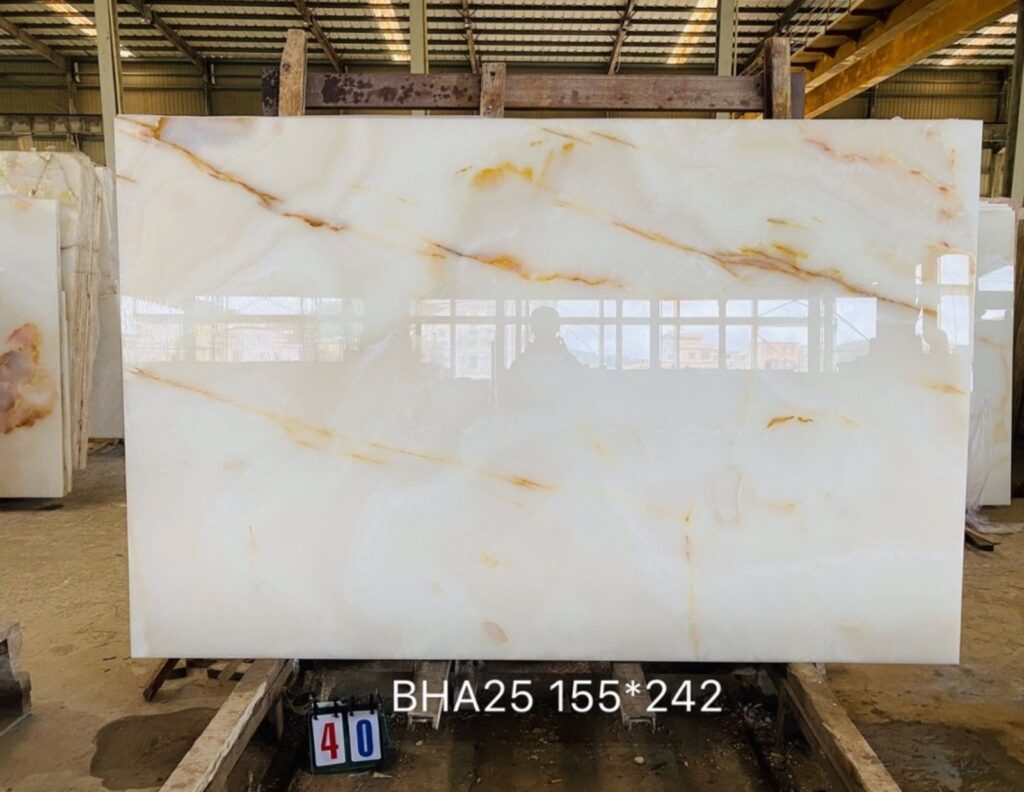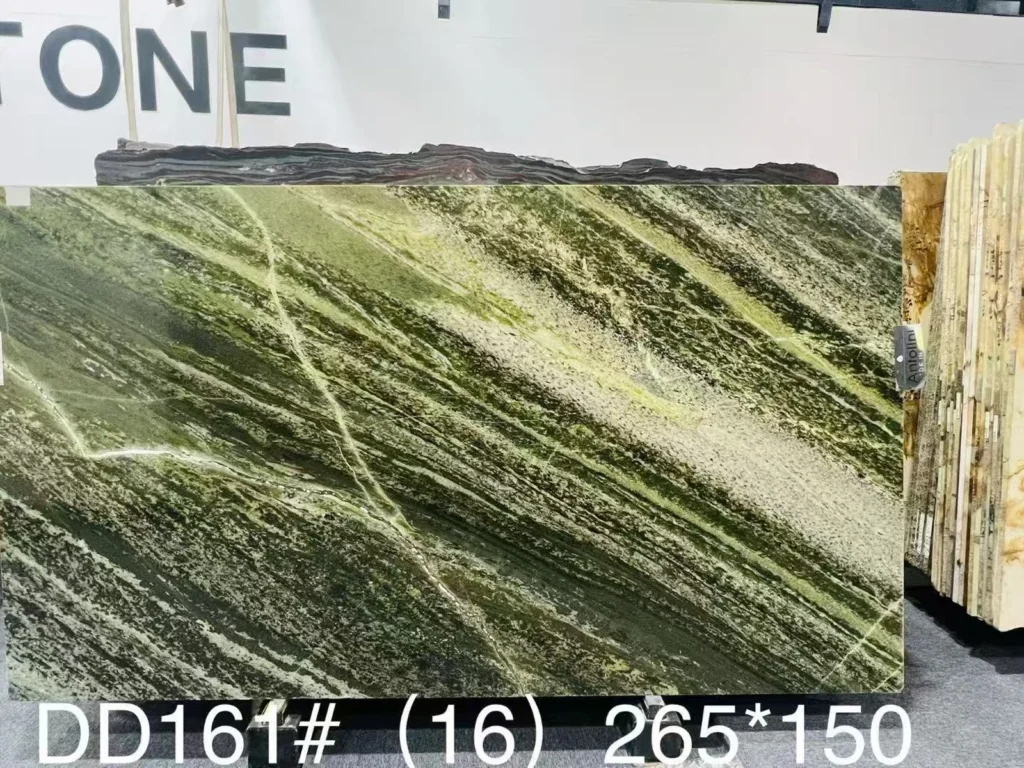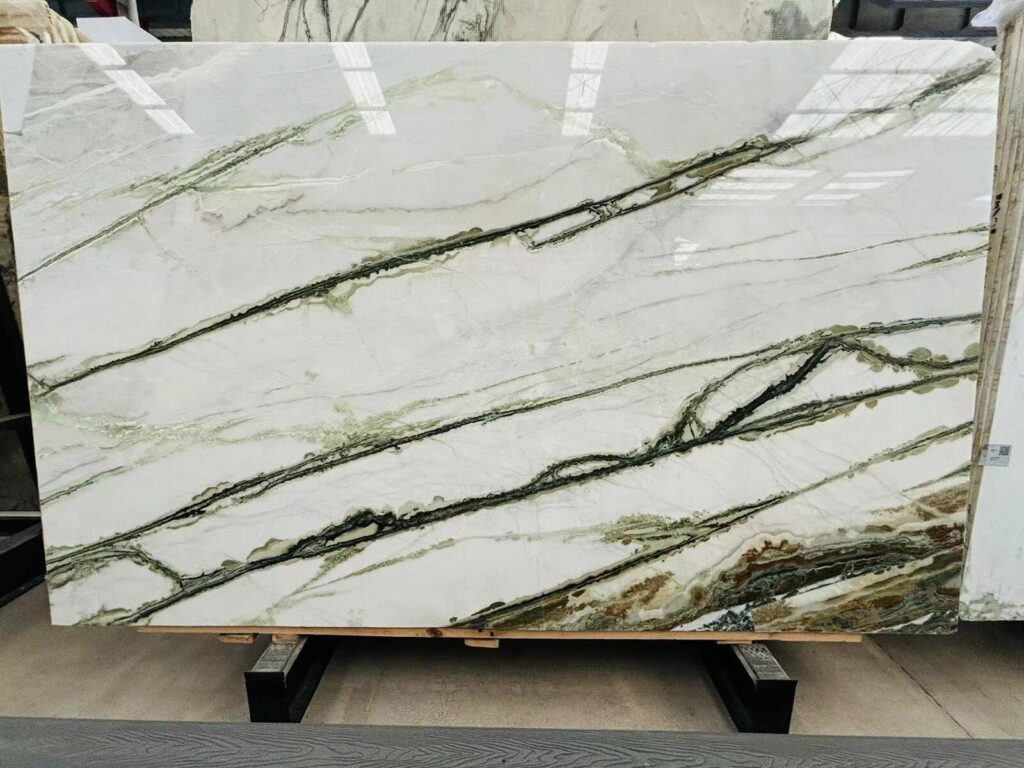


Marble, a timeless and elegant material, has become a staple in home decor and construction. However, customers often find themselves perplexed by the differing prices offered by various companies for what seems to be the same marble material. In this article, we’ll delve into the intricacies of marble pricing, shedding light on the factors that contribute to the variations in quotes.
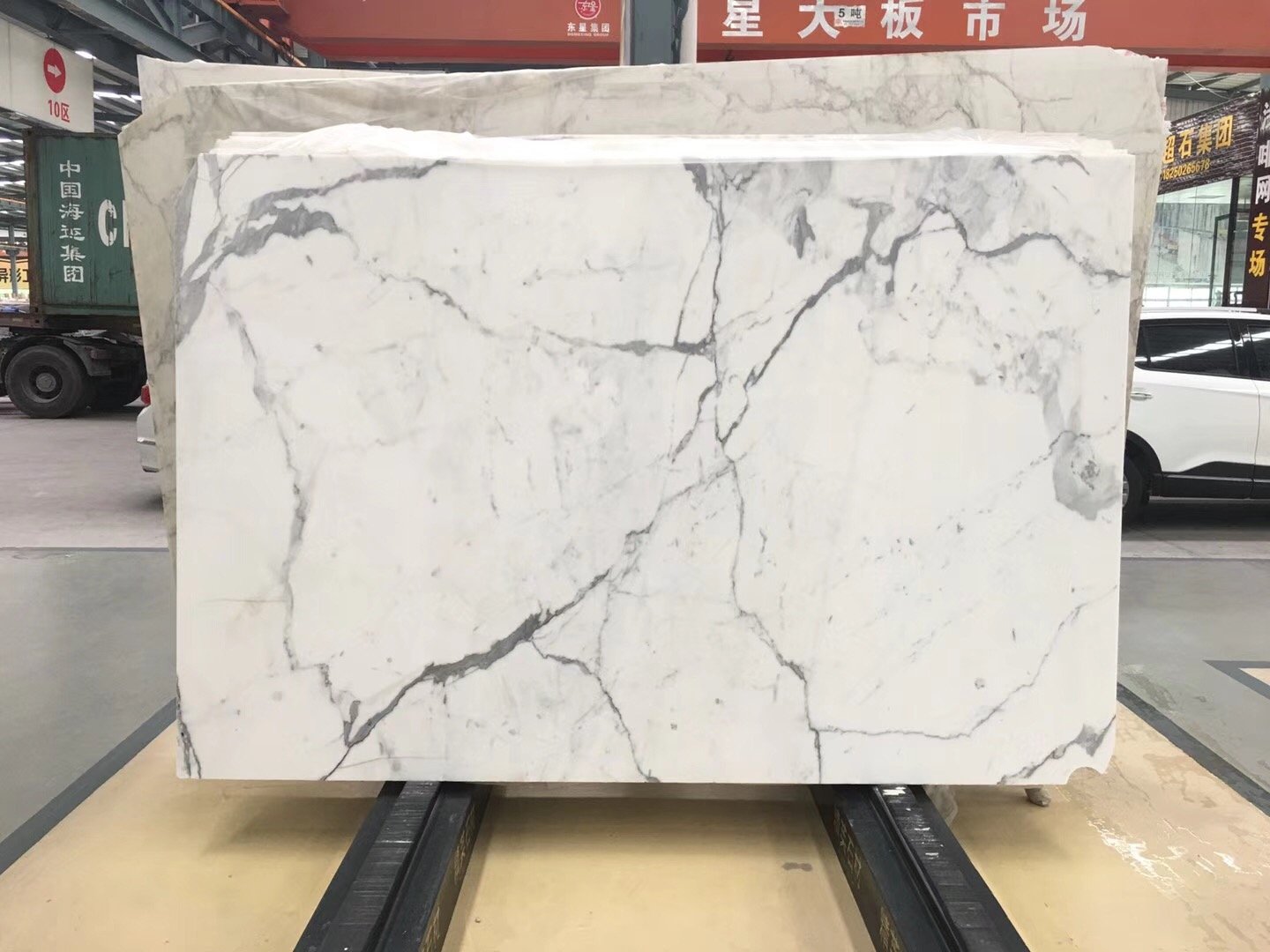
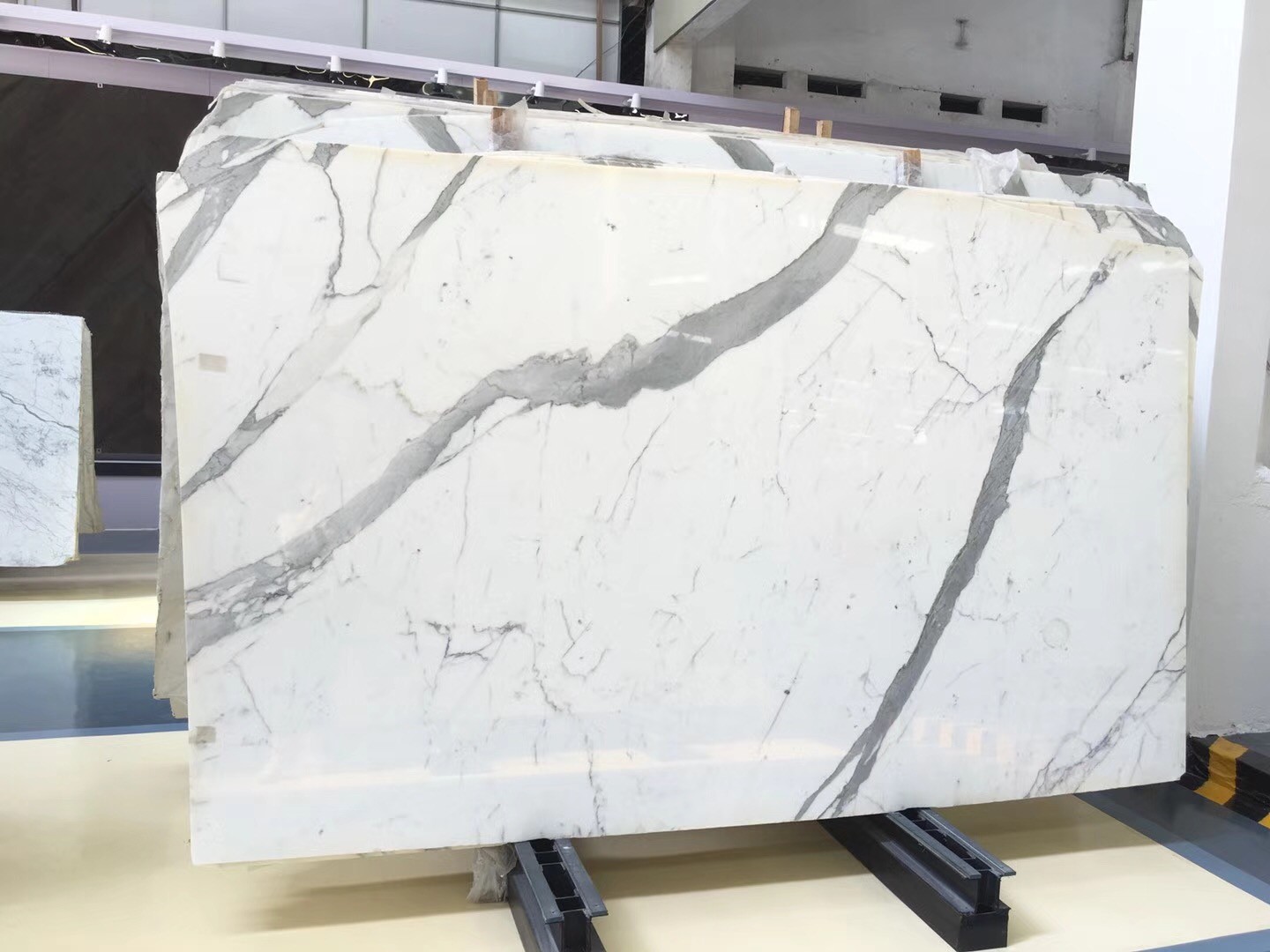
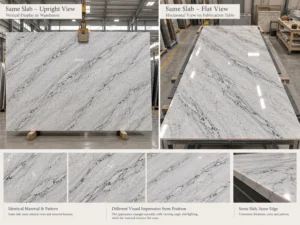
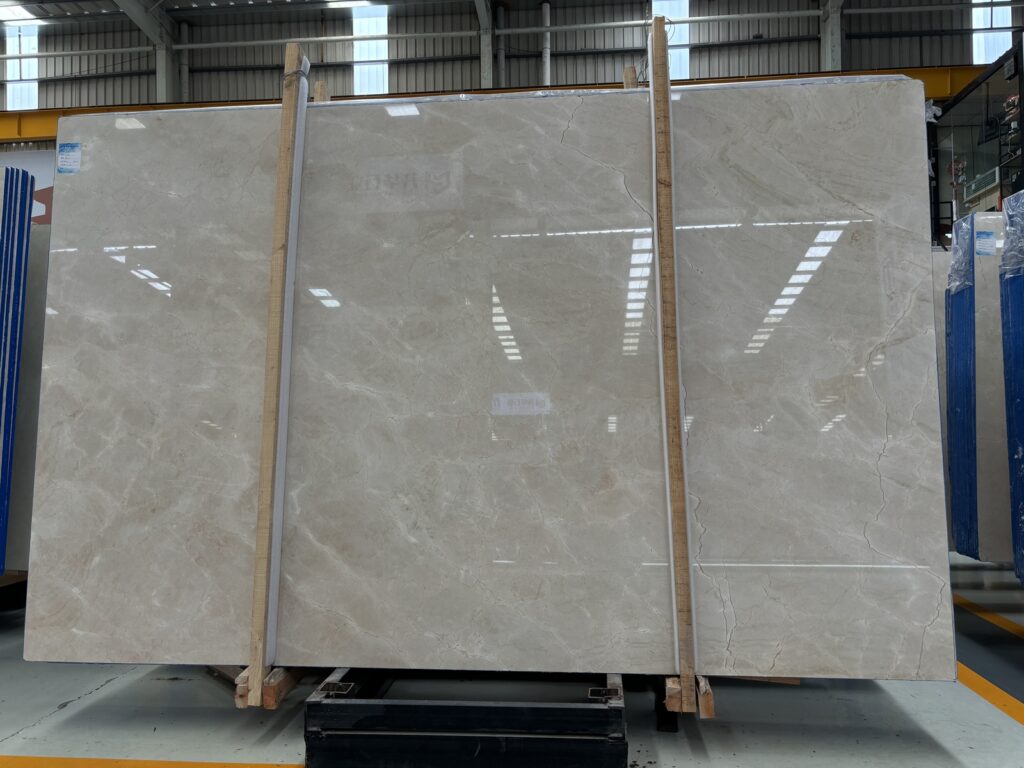
Natural marble, formed over time, boasts unique textures and colors within each layer. Consequently, each batch of marble is distinct, with different parts of the same slab showcasing varying color depths and textures. This inherent variability means that no two pieces of marble are identical, leading to differences in pricing based on these unique characteristics.
Marble is often stored in large slabs or blocks, akin to fabrics used in clothing production. When customers inquire about prices, some receive quotes for the raw material (fabric), while others are quoted for the finished product (clothes). This difference in calculation methods can result in a significant 20% to 30% variation in yield. Customers not providing specific size requirements may receive quotes for the large slab, with a more accurate price contingent on determining the exact dimensions.
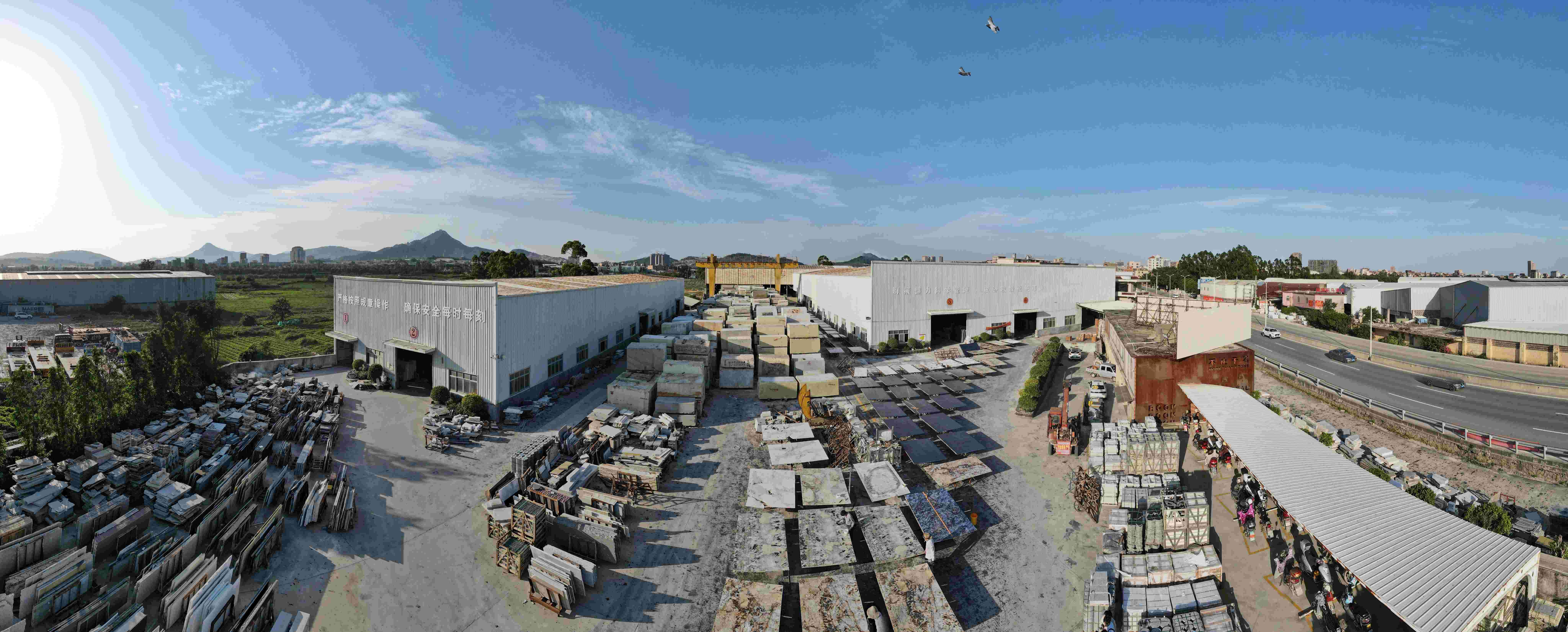
Marble suppliers encompass a range of sellers, from manufacturers and direct dealers to third- and fourth-level intermediaries. The pricing discrepancy is evident across these different circulation links. Manufacturer-operated physical stores typically offer more competitive prices, eliminating intermediary links that might contribute to increased costs.
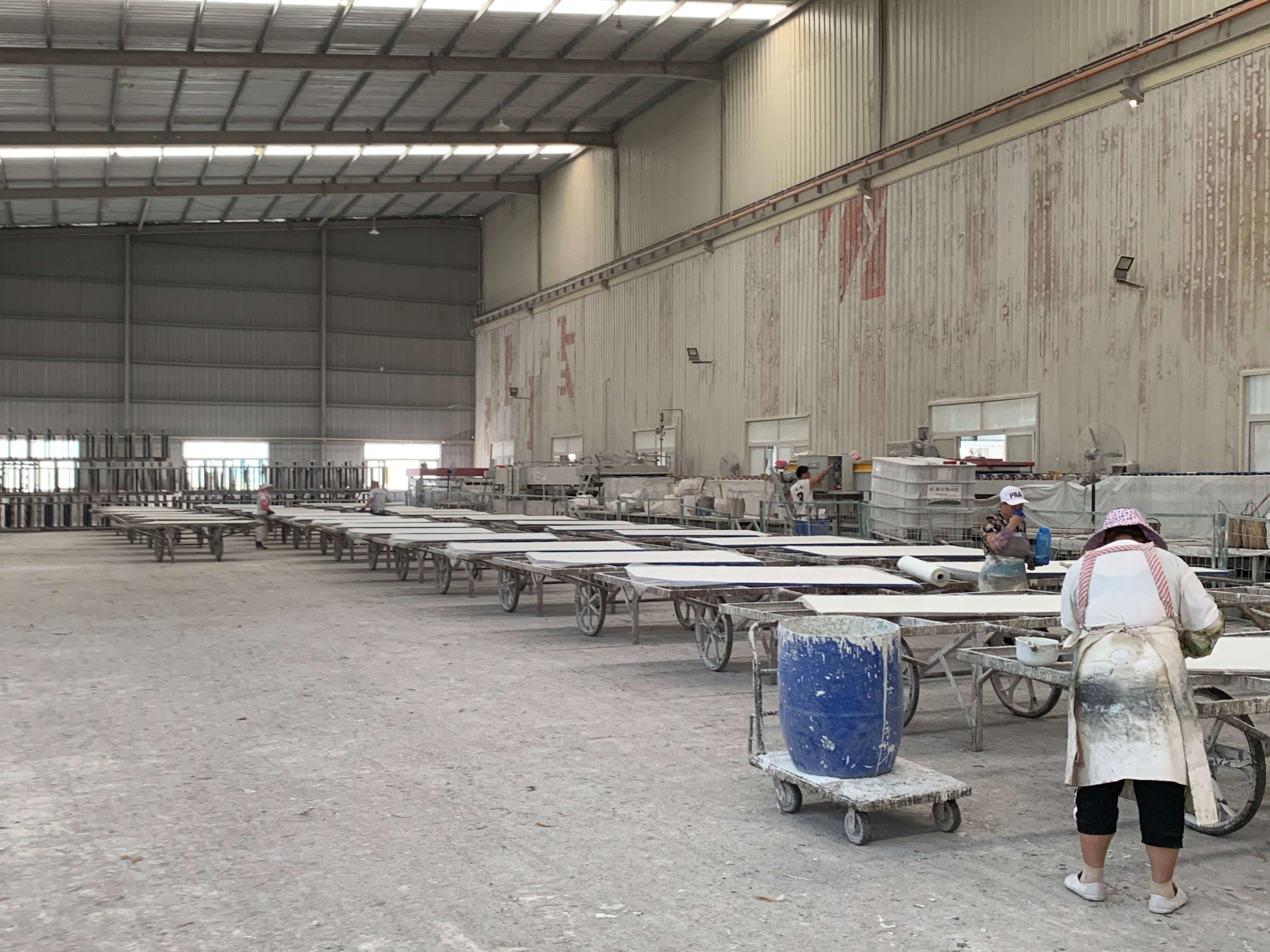
Even for the same type of marble, the processing techniques can vary among suppliers. Some utilize high-quality marble slabs with higher purchase costs, employ premium glues, and adhere to stringent quality control and processing management. This results in products with superior brightness and precision, inevitably commanding a higher price.
While cost is a crucial consideration, it shouldn’t be the sole factor guiding your decision. Merely comparing prices can lead to misunderstandings and oversights. It’s imperative to evaluate a marble supplier based on a comprehensive set of factors, including:
Product Quality: Assess the quality of the marble, considering factors such as color consistency, texture, and overall aesthetics.
Manufacturer Reputation: Research the reputation of the manufacturer or supplier, as this often correlates with the reliability of the product and service.
Customer Reviews: Read customer reviews to gain insights into the experiences of others who have purchased from the same supplier.
Additional Costs: Factor in any additional costs related to shipping, installation, or customization that might impact the overall expense.
In the realm of marble purchasing, the price is just one piece of the puzzle. Understanding the nuances behind the quotes, such as the unique characteristics of the stone, varied calculation methods, circulation links, and processing techniques, allows consumers to make informed decisions. Don’t be swayed by enticingly low prices, as these may be indicative of compromised quality. Instead, prioritize a holistic evaluation of the supplier to ensure a satisfactory and lasting investment in marble products.
Is the price of marble directly proportional to its quality?
Why do some marble suppliers offer significantly lower prices?
How can I ensure I receive the right-sized marble for my project?
What role do circulation links play in marble pricing?
Are there ways to identify the quality of marble before purchasing?