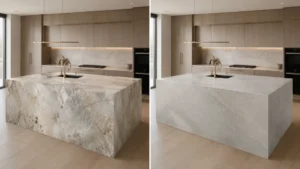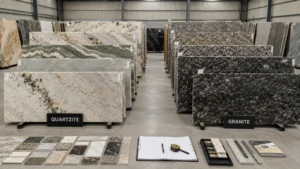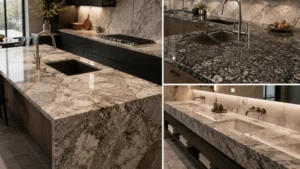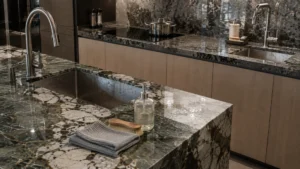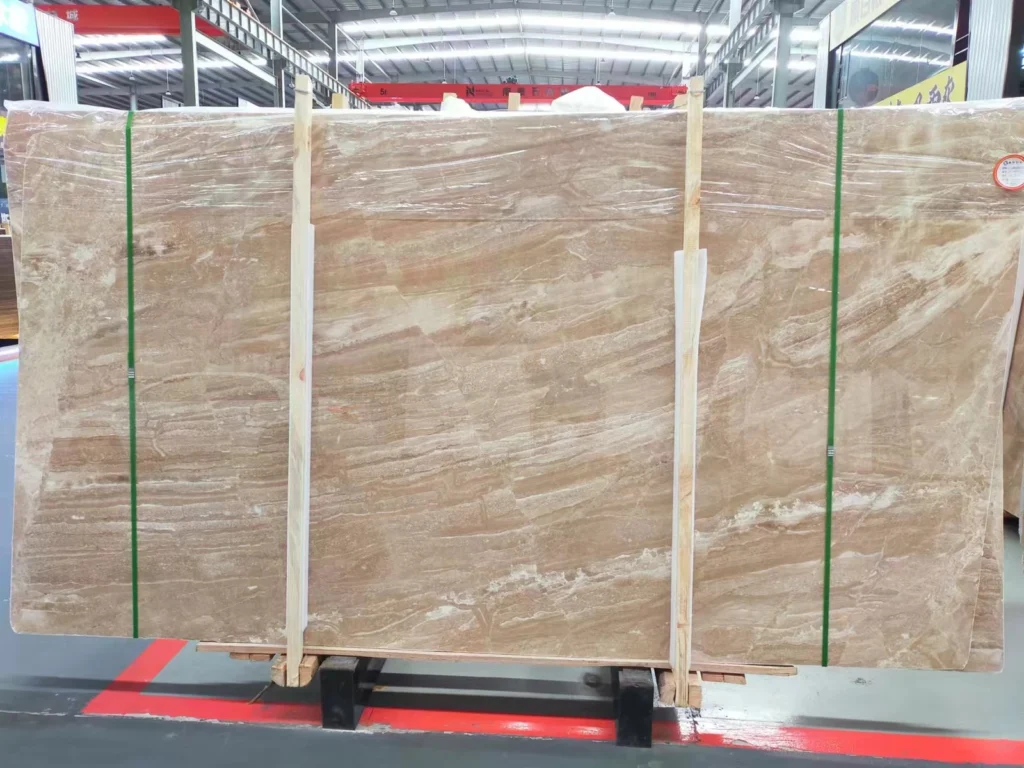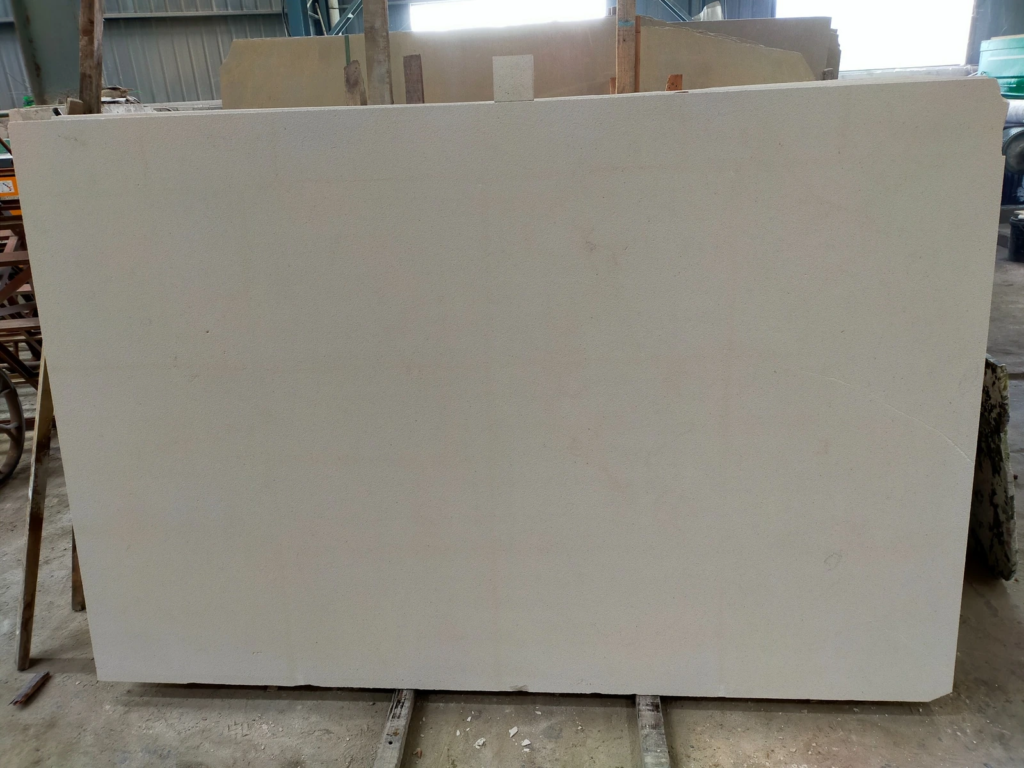

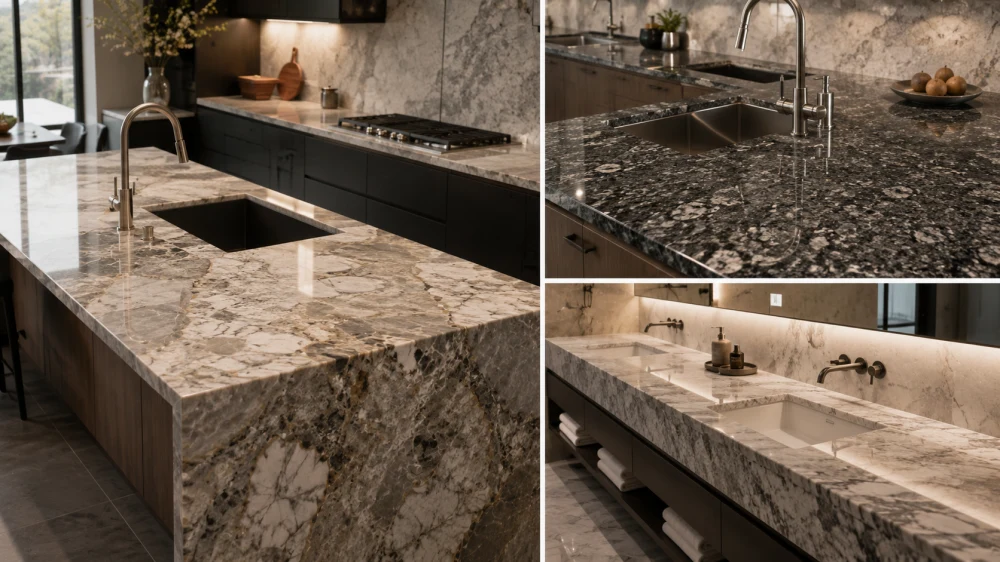
Quartzite vs Granite Questions Buyers Ask Most is best treated as a specification decision, not a slogan. For an importer, fabricator, architect, contractor, or project procurement team, the useful question is how the two material routes fit the drawings, the expected use, and the approval process. This FAQ compares Natural Quartzite and granite for buyer decisions without treating either material as a universal answer. Natural Quartzite and other natural stone materials are not interchangeable simply because a showroom sample looks similar.
HRST STONE, also known as XIAMEN HRST STONE CO., LTD., supports Natural Quartzite enquiries with a document-led approach. Buyers can start with the material name, intended application, dimensions, quantity, edge or surface requirement, drawings, and delivery destination. That creates a clearer basis for slab review, fabrication discussion, packing expectations, and commercial confirmation without assuming availability, price, testing results, or lead time.
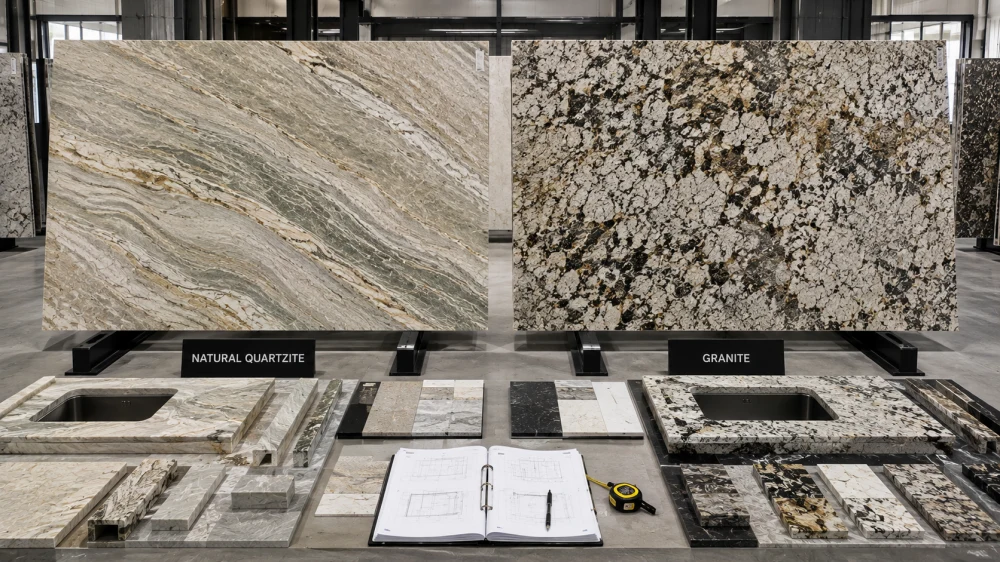
Before comparing Natural Quartzite and granite, define the application in practical terms. A kitchen island, a hospitality vanity, a reception counter, a wall panel, and a dry feature surface impose different visual, fabrication, cleaning, support, and handover requirements. Ask the design team which characteristics are essential and which are preferences. A decision becomes more reliable when it is tied to a drawing and a sample approval path rather than a generic ranking.
For Natural Quartzite, commercial names can cover stones with visible variation in color, veining, movement, translucency, and structure. Review the actual slab or an agreed approval representation when that variation matters. For comparison materials, request the same level of clarity on the supplied product format and finish. Do not treat a small chip, a digital image, or a generic catalog label as a complete substitute for project-specific approval.
| Decision input | What to confirm | Why it matters |
|---|---|---|
| Application | Location, exposure, use pattern, and cleaning routine | Helps align material selection with service conditions |
| Visual intent | Background, movement, direction, joint logic, and lighting | Prevents a material choice based only on a name |
| Fabrication scope | Thickness, edge details, cut-outs, seams, and support | Lets the fabricator assess practical execution |
| Approval route | Slab review, control sample, layout, and sign-off owner | Creates a traceable basis for decisions |
Many buyer questions ask which material is stronger, easier, safer, or more premium. Those shortcuts leave out the conditions that determine whether an answer is useful. The relevant comparison is normally tied to a particular material selection, finish, thickness, edge design, installation approach, cleaning routine, and intended environment. Keep the question narrow enough that a project team can verify the answer against its own documents.
Natural Quartzite should be described as a natural stone, while engineered quartz is a manufactured surface material. The distinction matters when a brief, a submittal, or a buyer request uses the word quartz loosely. This article concerns natural quartzite in a comparison with granite; it does not treat Natural Quartzite as engineered quartz.
List the room, element, thickness preference, finished dimensions, edge profile, cut-out schedule, joint locations, surface finish, and delivery destination. If drawings are still developing, mark what is provisional. This is more useful than asking for a broad claim that Natural Quartzite or granite is always better. The material conversation can then follow the actual project constraints.
Natural Quartzite can offer a distinctive natural appearance, but the buyer should not turn that into an unverified promise for every commercial stone name or every installation. Discuss visible features, orientation, bookmatching, and allowable variation with the people who approve the design. Discuss use conditions, maintenance planning, installation details, and any required project documentation with the relevant technical parties.
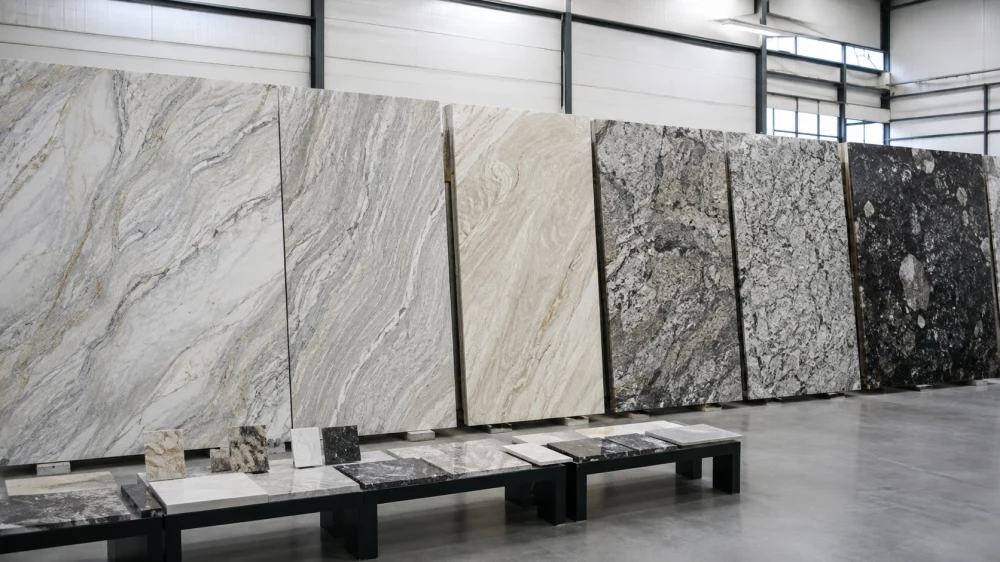
A concise matrix makes internal approval easier. Record the intended application, the visual goal, the requested finish, fabrication constraints, inspection steps, packing needs, and delivery requirements. It also helps prevent a material comparison from being treated as a price-only decision. Where a claim requires tests, certifications, or supplier-specific evidence, request those documents from the responsible party instead of relying on general statements.
Architects and designers can establish the visual intent, including seam locations, direction of movement, lighting interactions, and transition details. Fabricators can review dimensions, thickness, edge details, cut-outs, tolerances, handling, and support. Procurement teams can align approval milestones, packing preferences, delivery destination, and documentation needs. Bringing these viewpoints together early reduces the chance that a late fabrication issue is misread as a material issue.
For an international order, retain the approved material description and any agreed layout notes with the project file. If the project depends on a particular appearance, request a clear approval procedure before fabrication. If a requirement is critical, state it in the enquiry and obtain project-specific confirmation. This approach supports a transparent conversation without claiming that every Natural Quartzite selection will behave identically.
Material care is not an afterthought. The project team should define who will provide the cleaning and maintenance guidance, who approves cleaning products, and how the finished surface will be protected during adjacent trades. Follow instructions applicable to the confirmed material and finish. Avoid transferring a routine intended for one product or finish to another without checking it first.
At handover, record the installed areas, finish, visible acceptance criteria, care guidance, and contact path for future questions. This keeps practical maintenance separate from vague claims and helps owners, operators, and contractors work from the same information.
Write down what will happen at the surface after handover. Consider the room, user group, contact with food or water where relevant, cleaning responsibility, adjacent trades, traffic around the element, and whether the surface is mainly visual or actively used. This does not replace technical assessment, but it gives the design, fabrication, and procurement teams a shared starting point. The more specific the scenario, the easier it is to ask useful questions about Natural Quartzite and granite rather than relying on a broad material reputation.
Visible stone decisions benefit from a named approver and a written sequence. Identify whether the project needs a control sample, slab images, in-person review, a layout proposal, or a mock-up. State which side of a piece is the viewing face, which direction the movement should run, where joints can fall, and which variation is acceptable. For a manufactured comparison material, identify the product design and direction with equal care. This turns an aesthetic preference into an approval record that can be discussed before cutting or installation.
A material may be attractive in a sample and still require a different fabrication approach for the selected geometry. Give the fabricator the latest drawings and a schedule of edges, mitres, holes, drainboards, returns, seams, radii, and support conditions. Ask the responsible fabricator to review the project-specific implications. A buyer should avoid converting a general blog statement into a fabrication instruction. The material selection, the final design, and the fabrication review are connected but distinct decisions.
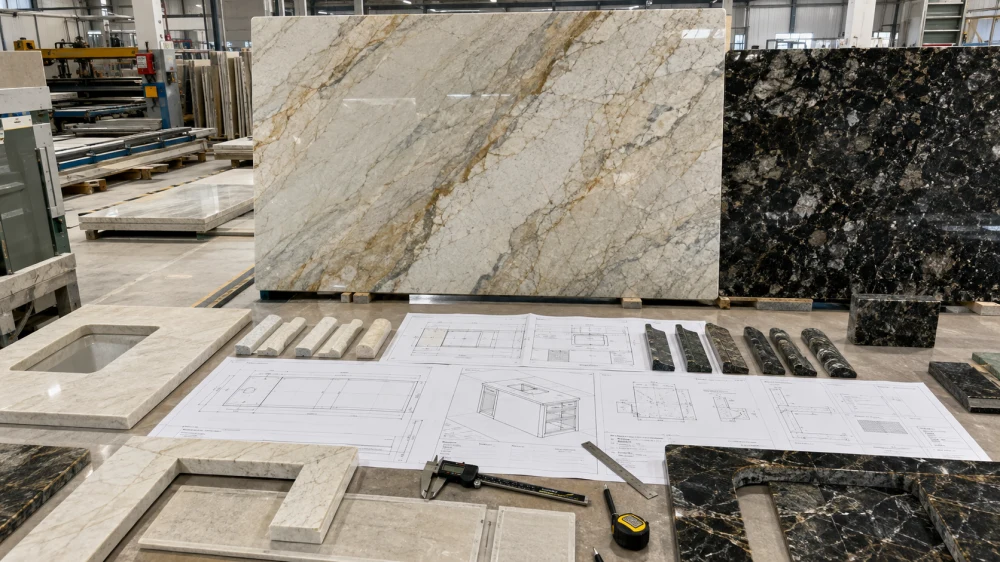
An enquiry is easier to review when it separates confirmed facts from open questions. Provide the material name or comparison route, dimensions, quantity, finish, drawings, delivery destination, and desired timing if known. Flag whether the project requires a sample review, packing preference, layout input, or formal approval checkpoint. This helps Josh and the HRST STONE team understand the request without suggesting inventory, price, origin, certification, testing, or delivery terms that have not been confirmed for the specific enquiry.
Most avoidable problems appear between scopes: design approval, measurement, fabrication, transport, site access, installation, and cleaning. Identify who owns each checkpoint and how changes will be communicated. The architect or designer may own visual sign-off; the fabricator may own cut details; the contractor may coordinate substrate and access; the purchaser may control order documentation. A simple responsibility list creates more value than a generic declaration that one material is superior to another.
There is no substitute for project-specific confirmation where a requirement is critical. If a team needs a particular performance, compliance document, commercial term, or installation method, it should request that information from the responsible parties and retain it with the project record. This guide supports a disciplined buyer conversation about Natural Quartzite and granite. It does not claim universal outcomes for every stone name, product, design, or site condition.
Before an order moves forward, compare the latest enquiry against the latest drawings. Check that quantities, measurements, thickness request, finish, edge information, cut-out information, and delivery destination have not changed since the earlier discussion. If they have changed, identify whether visual approval, fabrication review, packing, or transport planning also needs to be updated. This disciplined check is useful for Natural Quartzite and for granite because project information often evolves after the first selection conversation.
Use plain language in approvals. A short note that names the approved material, the responsible approver, the drawing revision, and any open points helps the team distinguish accepted details from assumptions. Where information remains provisional, label it as provisional. This protects everyone from treating a marketing description, a preliminary image, or a general article as a final project instruction.
Finally, keep the decision connected to the owner’s real priorities. A project may value natural movement, a particular visual rhythm, a specified product system, fabrication practicality, a cleaning plan, or a particular procurement workflow. The chosen route should answer those priorities as documented for the project. HRST STONE can then review a Natural Quartzite enquiry with Josh using clear inputs instead of guesswork.
A useful final review asks one question from each discipline. The designer can confirm that the approved appearance still supports the room concept. The fabricator can confirm that the geometry and details are workable from the current drawings. The contractor can confirm that the installation sequence and site conditions have been considered. The buyer can confirm that the enquiry and approval record identify the same scope. This cross-check does not add unnecessary complexity; it helps make the material choice understandable, traceable, and ready for the next project step. It also gives the team a documented moment to raise unresolved questions before fabrication or site work makes changes harder to manage. Teams can attach this final review to their internal approval file and refer to it during procurement, fabrication coordination, and handover discussions. This supports better follow-through.
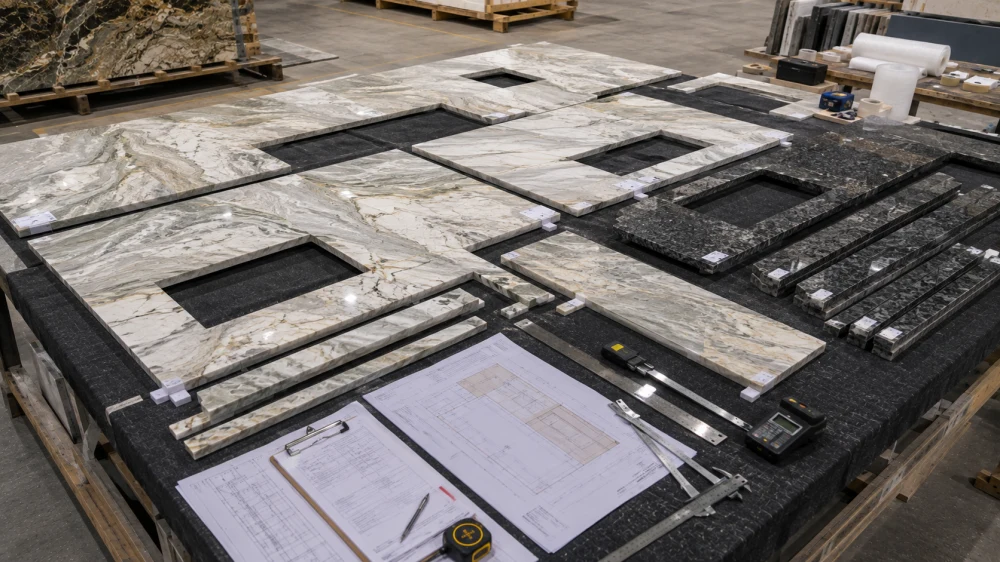
No. The right choice depends on the intended application, visual goal, selected material, fabrication details, installation conditions, and project approval requirements.
Review the confirmed material name, actual sample or slab information, finish, colour movement, dimensions, and the project layout rather than relying on a generic label.
No. A drawing is essential, but the decision should also include slab or sample review, fabrication input, support details, care expectations, and the approval route.
No. Natural Quartzite is a natural stone, while engineered quartz is a manufactured surface material. Specifications should name the required category clearly.
Include the material name, dimensions, quantity, drawings, required surface, intended application, and delivery destination so Josh can review the request in a practical order.
Contact Josh at HRST STONE with the material name, dimensions, quantity, drawings, required surface, and delivery destination. Include the intended application and any approval or packing requirements so the enquiry can be reviewed in a practical order.
Copyright (c) HRST STONE / XIAMEN HRST STONE CO., LTD.