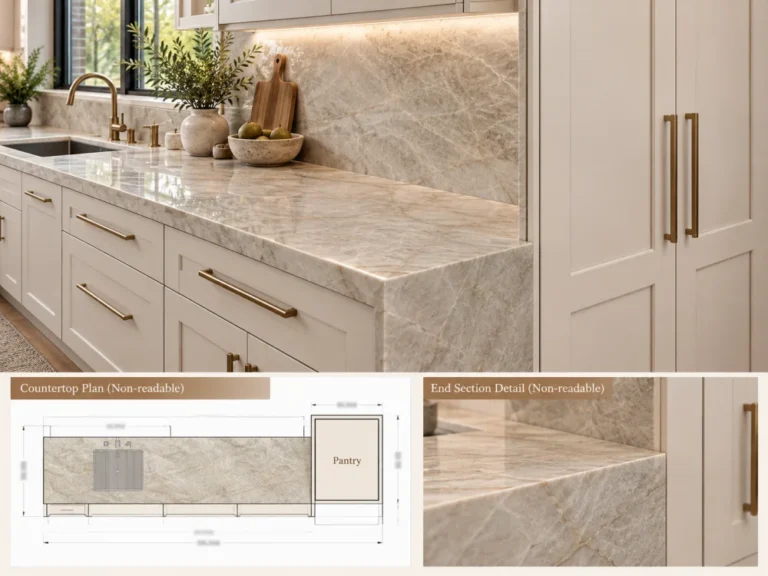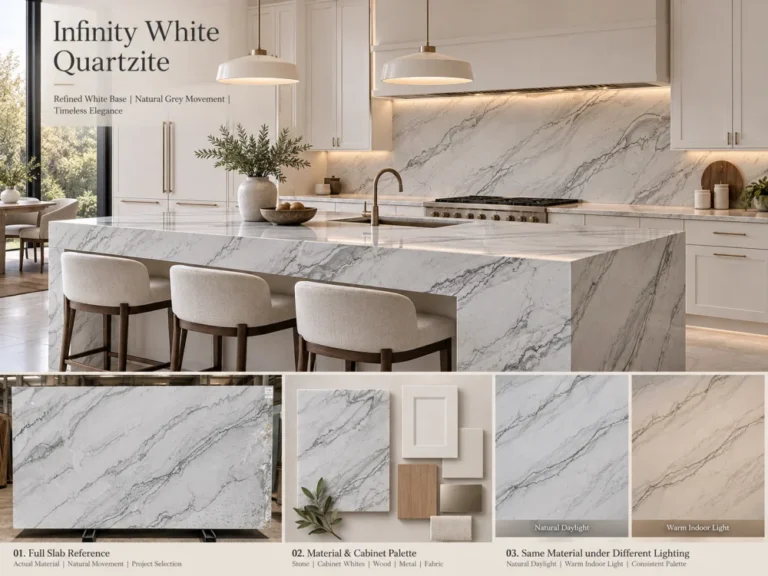
Madeirus Quartzite Overview
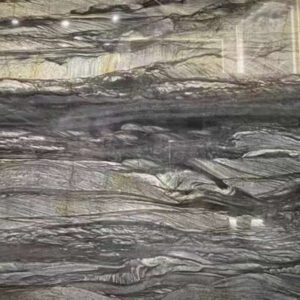
Madeirus Quartzite is a premium natural stone selected for its rich green-grey color range and sophisticated layered mineral structure.
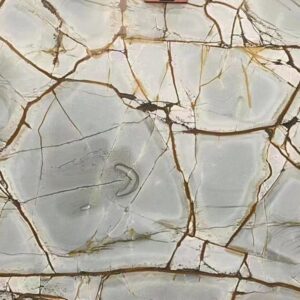
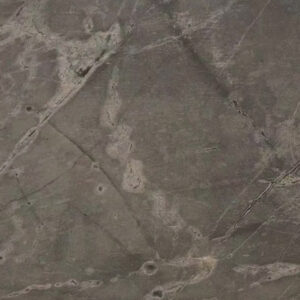
Also searched as Madeirus Stone or Quartzite Madeirus, the material typically combines deep green, muted grey-green and smoky mineral areas with lighter white or pale-grey natural movement.
Its pattern can vary from broad cloudy fields to stronger directional mineral bands, making every slab visually individual.
This combination gives Madeirus strong design value for kitchens, islands, bathrooms, furniture and architectural wall applications where natural stone is intended to remain a visible focal material.

Product Specifications
| Specification | Project Details |
| Material Name | Madeirus Quartzite |
| Material Type | Natural Quartzite |
| Primary Colors | Green / Grey Green / Smoky Grey / White / Dark Mineral Accents |
| Texture Pattern | Layered Mineral Movement / Cloudy Zones / Pale Veins / Directional Bands |
| Available Thickness | 18mm / 20mm Standard Options |
| Available Forms | Slabs / Countertops / Islands / Vanity Tops / Wall Panels / Cut-to-Size |
| Available Slab Size | Subject to Current Slab Inventory |
| Custom Size | Produced According to Approved CAD Drawings and Slab Yield |
| Surface Finishing | Polished / Honed / Project-Specific Finish |
| Edge Options | Eased / Beveled / Bullnose / Mitered / Custom Profile |
| Application Scope | Kitchen Islands / Countertops / Vanities / Walls / Fireplaces / Furniture |
| Package Details | Surface Protection + Edge Guards + Reinforced Fumigated Wooden Crates |
| MOQ | According to Slab or Custom Fabrication Order Requirements |
| Delivery Time | Confirmed According to Quantity, Material Selection and Fabrication Scope |

Green and Grey Mineral Character
The strongest visual identity of Green Quartzite comes from the relationship between its darker green field and naturally lighter mineral structures.
Madeirus can contain forest-green, muted olive-green and grey-green areas combined with smoky transitions and pale mineral lines.
This Green Grey Stone character gives the material a more complex appearance than a uniformly colored green surface.
Individual slabs should therefore be selected according to the required balance between green depth, grey undertone and lighter mineral movement.
Natural Quartzite Variation
As a Natural Quartzite, Madeirus should not be expected to reproduce one identical pattern across every slab.
Some slabs may show stronger dark-green areas, while others contain more grey mineral movement or larger pale vein zones.
For a Luxury Quartzite project, this natural variability should be controlled through slab selection and allocation rather than hidden through generic material descriptions.
Deep Green Areas → Create strong color depth and visual weight.
Grey-Green Zones → Add softer transitional areas within the slab.
White Mineral Movement → Provides contrast and natural directional interest.
Dark Mineral Features → Add geological complexity and should be reviewed before cutting.
Madeirus Quartzite Slabs
A Madeirus Slab should be reviewed at full scale because the visual effect depends on large mineral zones rather than only fine detail.
For a general Quartzite Slab, buyers should inspect dimensions, thickness, usable cutting area, natural fissures, surface preparation and visible repairs.
For a Large Quartzite Slab, buyers should additionally consider how the largest green, grey and white mineral areas will fall within the finished components.
This is particularly important for islands and wall panels where most of the slab remains visible after fabrication.
Full-Slab Approval Before Cutting
| Approval Point | Buyer Check |
| Green Depth | Compare darker green and more grey-green slabs before allocation |
| Grey Undertone | Check whether adjacent slabs remain visually compatible |
| Main Vein Movement | Identify dominant lines before countertop or wall nesting |
| Natural Fissures | Review positions around cutouts, edges and narrow strips |
| Usable Yield | Confirm all major finished pieces fit within suitable slab areas |
Madeirus Quartzite Countertops
A Madeirus Counter can create a strong natural focal surface in kitchens, bars and premium residential interiors.
For a Quartzite Counter, the strongest mineral movement should be coordinated with sinks, cooktops, seams and visible edges before cutting.
A Green Countertop using Madeirus works particularly well where designers want natural color without relying on a uniform engineered surface.
For long countertop runs, adjacent pieces should be planned together so major veins and tonal transitions remain controlled.

Kitchen Countertop Planning
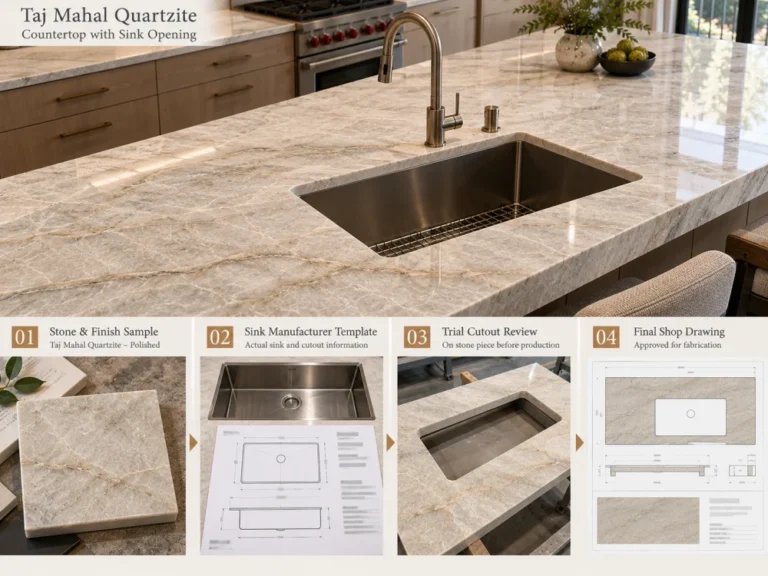
A Kitchen Countertop project should begin with approved cabinet drawings and accurate finished dimensions.
The cutting layout should show sink openings, cooktop cutouts, faucet holes, seam positions, edge build-ups, backsplashes and any required support zones.
For high-visibility Madeirus installations, layout approval should be based on the actual slab images rather than a generic CAD drawing with no stone pattern reference.
Cabinet Plan → Finished Dimensions → Actual Slabs → Cutout Positions → Vein Layout → Seam Planning → Edge Profile → Fabrication → Dry-Lay → Final QC
Madeirus Quartzite Waterfall Islands
A Waterfall Island is one of the strongest applications for visually active green quartzite.
For a Quartzite Island, the top and waterfall side panels should be planned together rather than cut independently.
Where the design requires strong continuity, adjoining sections of the selected slab can be allocated to the top and waterfall panel.
The mitered joint should also be checked for alignment, edge quality and support before packing.
Waterfall Vein Continuity
Natural quartzite veins rarely continue perfectly around a 90-degree corner without careful slab layout.
The fabrication team should identify the intended waterfall edge before cutting and position the top and side pieces to achieve the best realistic continuation.
A small loss of exact vein alignment may be preferable to moving a structurally questionable fissure onto a vulnerable mitered edge.
Visual continuity and structural suitability should therefore be evaluated together.
Madeirus Quartzite Vanity Tops
A Madeirus Vanity can create a richer bathroom surface than conventional white or grey stone.
For a Quartzite Vanity, basin openings, faucet locations, backsplashes and exposed edges should be coordinated on the selected slab.
For hotel or multi-bathroom projects, vanity pieces can be grouped by slab family so rooms maintain a controlled green-grey range while still showing natural variation.

Madeirus Quartzite Walls
A Quartzite Wall allows the full mineral movement of Madeirus to remain visible at architectural scale.
For a large Quartzite Panel installation, panel joints and dominant mineral zones should be coordinated through a complete wall elevation.
As a Feature Wall Stone, Madeirus can work effectively in hotel lobbies, villas, reception spaces, bars and luxury residential interiors.
Sequential panel numbering is recommended where the wall depends on a particular slab sequence.
Wall Panel Layout and Dry-Lay
Wall-panel fabrication should prioritize the final architectural composition rather than maximizing stone yield alone.
Major green fields, white veins and darker mineral bands can be distributed across the elevation so visually active areas do not become concentrated accidentally in one corner.
Slab Sequence → Wall Elevation → Panel Joints → Main Mineral Movement → Finished Dimensions → Piece Numbering → Dry-Lay → Final Approval
Approved dry-layout photos can also provide a useful site-installation reference.
Madeirus Quartzite Fireplaces
Fireplace Quartzite can create a strong natural focal feature in living rooms, hotel lounges and luxury residential interiors.
For a Madeirus fireplace, hearth, jambs, mantel panels and upper wall pieces should be coordinated together.
Where large quartzite panels surround the firebox, slab layout can place stronger mineral zones around the opening without creating awkward visual breaks at major joints.
Firebox dimensions, stone clearance and any support details should be confirmed in the approved drawings before processing.
Polished Madeirus Quartzite
Polished Quartzite generally increases the depth of green and grey mineral colors while making pale veins and darker accents more visually pronounced.
This finish is suitable for kitchen islands, countertops, bars, vanity tops and decorative walls where a richer stone appearance is preferred.
Final QC should check gloss consistency, flatness, visible repairs and edge polish under broad lighting before packing.
Honed Madeirus Quartzite
Honed Quartzite produces a softer, lower-reflection surface.
On Madeirus, honing can make the green-grey field appear calmer while reducing the visual contrast of smaller mineral features.
This finish can be particularly suitable for contemporary interiors, large walls, bathroom furniture and other applications requiring a more architectural appearance.
An actual finish sample should be approved before bulk production.
Custom Quartzite Fabrication
Custom Quartzite fabrication allows Madeirus to be supplied as project-ready kitchen islands, countertops, vanity tops, wall panels, fireplace pieces and other architectural components.
Production should follow approved CAD and shop drawings rather than dimensions communicated only through text.
For complex counters and islands, drawings should define cutouts, mitered edges, finished thickness, support positions, seams and required spare pieces.
The slab layout can then be coordinated with these technical requirements before cutting begins.
Cutouts and Structural Risk Areas
Natural quartzite is strong, but sink and cooktop cutouts can create narrow bridges that require additional attention during fabrication and transport.
Major natural fissures, repaired zones or complex mineral transitions should be reviewed before placing them across narrow strips.
Temporary support may be used around vulnerable cutouts during handling where appropriate.
For long islands or large overhangs, the underlying cabinet or structural support system should also be confirmed before installation.
B2B Procurement Risk Control
| Buyer Risk | Recommended Control |
| Actual slab is greyer or less green than the reference image | Approve current full-slab photography before material reservation |
| Waterfall panel does not visually connect with the island top | Approve top and side-panel nesting together before cutting |
| Major vein is removed by a sink or cooktop opening | Overlay finished cutouts on actual slab images during layout |
| Fissure crosses a vulnerable narrow bridge | Review structural condition and adjust nesting where practical |
| Wall panels have uncontrolled color or pattern shifts | Prepare elevation layouts and dry-lay connected panels before packing |
| Large fabricated piece is damaged in transport | Use rigid supports, edge protection and project-specific export crates |
Quality Control Before Packing
Madeirus project fabrication should be inspected against the approved drawings and slab-layout references.
Approved material traceability
Vein and color allocation
Finished size verification
Opening and bridge inspection
Joint and profile quality
Finish and repair review
Connected-piece confirmation
Inspection before packing
Packaging and International Delivery
Large quartzite countertops, waterfall panels and wall pieces require packaging designed around their actual dimensions and risk areas.
Finished visible faces receive soft non-staining protective material, while exposed edges and corners receive dense cushioning.
Sink and cooktop cutout zones can receive temporary reinforcement where appropriate during transport.
Finished components are secured inside reinforced fumigated wooden crates using rigid separators, internal blocking, edge guards and suitable protective materials. Production inspection and final packing inspection are completed before shipment.
Working with a Quartzite Supplier
A project-focused Quartzite Supplier should provide more than a generic material sample for Madeirus orders.
Useful B2B support includes current full-slab photography, slab dimensions, visual sorting, CAD cutting layouts, countertop and island drawings, wall elevations, fabrication QC, dry-lay photos, piece numbering and international packing.
This allows buyers to evaluate both the appearance and usable yield of the actual slabs before irreversible fabrication begins.
Why Choose HRST STONE
HRST STONE provides one-stop natural stone solutions backed by 17+ years of stone supply and international project experience.
For Madeirus Quartzite projects, support can include slab selection, full-slab photography, CAD and shop drawings, kitchen countertop processing, waterfall-island fabrication, vanity tops, wall panels, fireplace components, dry-lay confirmation, final QC and international export packing.
This workflow helps designers, importers, contractors and project purchasing teams control slab appearance, material yield, vein layout, fabrication accuracy, cutout risk and shipping protection from selection through delivery.
Information Required for Quotation
| Quotation Item | Information Required |
| Product Form | Slabs / Countertops / Islands / Vanities / Walls / Fireplace Pieces |
| Dimensions | Required slab or finished component dimensions |
| Quantity | Slabs / Square Meters / Finished Pieces |
| Thickness | 18mm / 20mm or specified project thickness |
| Finish | Polished / Honed / Project-Specific Finish |
| Visual Preference | Deeper green / more grey / stronger veins / calmer movement |
| Fabrication | Cutouts / Mitered Edges / Waterfall Panels / Wall Panels / Custom Processing |
| Destination | Destination port or complete project delivery location |
Madeirus Quartzite FAQ
1. What is Madeirus Quartzite?
Madeirus Quartzite is a natural decorative quartzite characterized by green-to-grey-green coloration, layered mineral movement and contrasting pale veins.
2. Does every Madeirus slab look the same?
No. Green depth, grey undertone, mineral movement, vein density and natural fissure structure vary between slabs.
3. Is Madeirus Quartzite suitable for kitchen countertops?
Yes. It is well suited to premium kitchen countertops and islands when cutouts, support, edges and slab layout are properly coordinated.
4. Can Madeirus Quartzite be used for waterfall islands?
Yes. The island top and side panels can be nested together to improve visual continuity around mitered waterfall edges.
5. Can buyers select the actual slabs?
Yes. Actual full-slab photography can be reviewed before material reservation and fabrication.
6. Is Madeirus suitable for wall panels?
Yes. Large-format wall panels allow the green-grey mineral movement to remain visible as an architectural feature.
7. Can Madeirus be used for vanity tops?
Yes. Vanity tops can be fabricated with basin openings, faucet holes, backsplashes and custom edge profiles according to approved drawings.
8. What finish is available?
Polished and honed finishes are common interior options, with the final selection depending on the required contrast and reflection level.
9. What should buyers approve before cutting?
Review actual slab color, vein movement, usable dimensions, fissures, cutout locations, finished-piece layout and edge requirements.
10. How is Madeirus Quartzite packed for export?
Finished pieces receive surface protection, edge guards, separators, rigid internal support and reinforced fumigated wooden crate packing according to their dimensions and fracture risk.
Final Note
Madeirus Quartzite should be purchased according to actual slab appearance and finished-project requirements rather than a small sample alone. For kitchen countertops → approve cutout positions, seams and visible mineral movement before cutting. For waterfall islands → coordinate top and side-panel layout to improve continuity while protecting structurally vulnerable areas. For walls → allocate compatible slabs through a complete elevation and dry-lay plan. For vanities and fireplaces → coordinate openings, edges and visible mineral zones through approved drawings. Full-slab approval, CAD layout, fabrication QC, dry-lay, piece numbering and reinforced export packing provide a more controlled B2B procurement process.