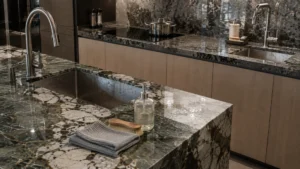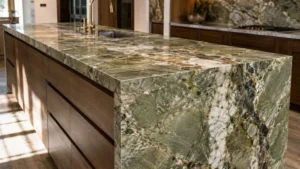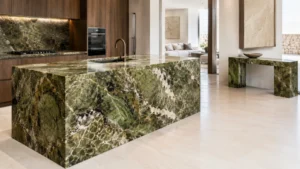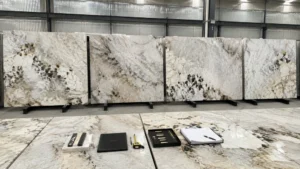


Limestone, often poetically referred to as the “Breathing Stone” or “Living Stone,” is a natural sedimentary rock that has been cherished for centuries in architecture and design. While marble and granite often steal the spotlight, limestone stands out for its unique combination of aesthetic subtlety, functional durability, and ecological benefits. Formed over millions of years from ancient marine organisms, this stone brings a touch of timeless elegance to any space. In this comprehensive guide, we explore the origins, characteristics, types, and global applications of limestone, and highlight why HRST STONE is your trusted partner for all limestone needs.
Limestone is a sedimentary rock primarily composed of calcium carbonate (CaCO₃). It forms from the accumulation and compaction of marine fossils, coral, shells, and other organic debris at the bottom of oceans and seas. Over millions of years, geological processes such as heat, pressure, and chemical changes solidify these materials into solid rock. This natural formation process gives limestone its unique texture, subtle color variations, and exceptional durability. Each piece of limestone tells a story of Earth’s ancient history, making it a truly timeless material.
Limestone is renowned for its remarkable properties, which make it ideal for a wide range of applications:
High Durability: Despite its refined appearance, limestone is hard and durable, comparable to granite. It is resistant to wear and tear, making it suitable for high-traffic areas like flooring and facades.
Breathability: Limestone is hygroscopic, meaning it can absorb and release moisture. This unique “breathing” ability helps regulate indoor humidity levels, contributing to a healthier and more comfortable living environment.
Thermal Insulation: Its natural heat-resistant properties make it an excellent insulator, keeping interiors cool in summer and warm in winter, thereby reducing energy costs.
Low Water Absorption: When properly sealed, limestone resists water penetration and prevents efflorescence, ensuring longevity and ease of maintenance.
Aesthetic Versatility: With its soft, neutral tones and fine-grained texture, limestone complements a variety of design styles, from minimalist and rustic to classic and contemporary.
It is porous and may stain if not sealed with a penetrating sealer.
Though hard, it can be brittle and prone to cracking if mishandled during installation.
Professional installation with epoxy grout is recommended to prevent dirt accumulation in fine joints.

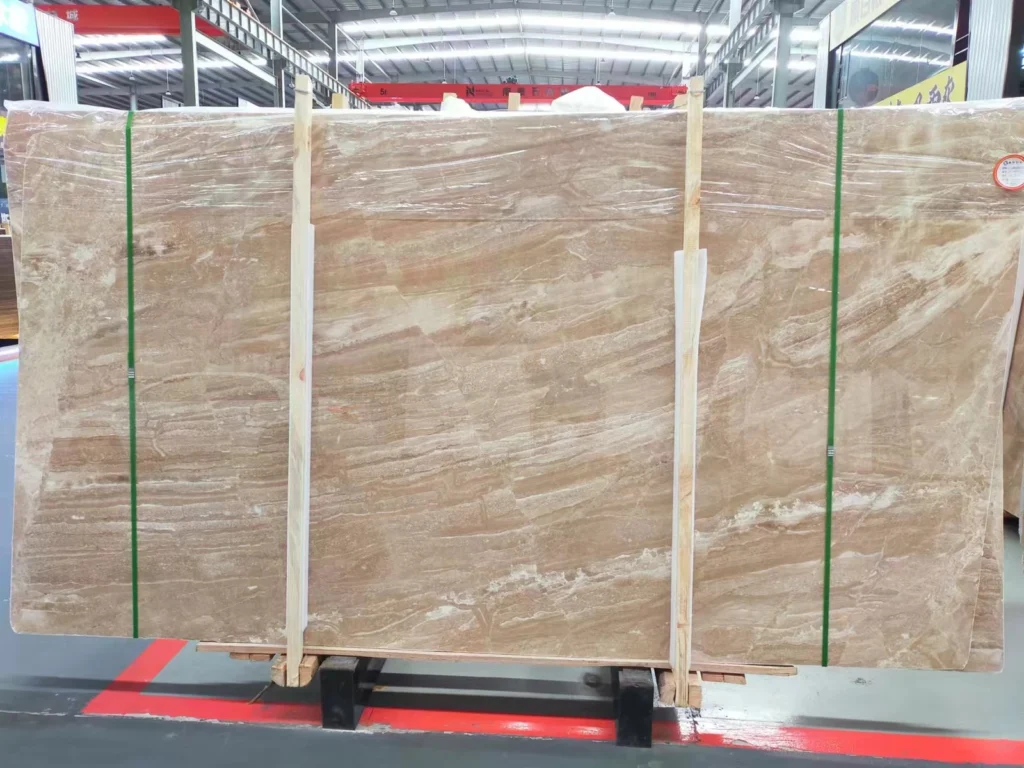
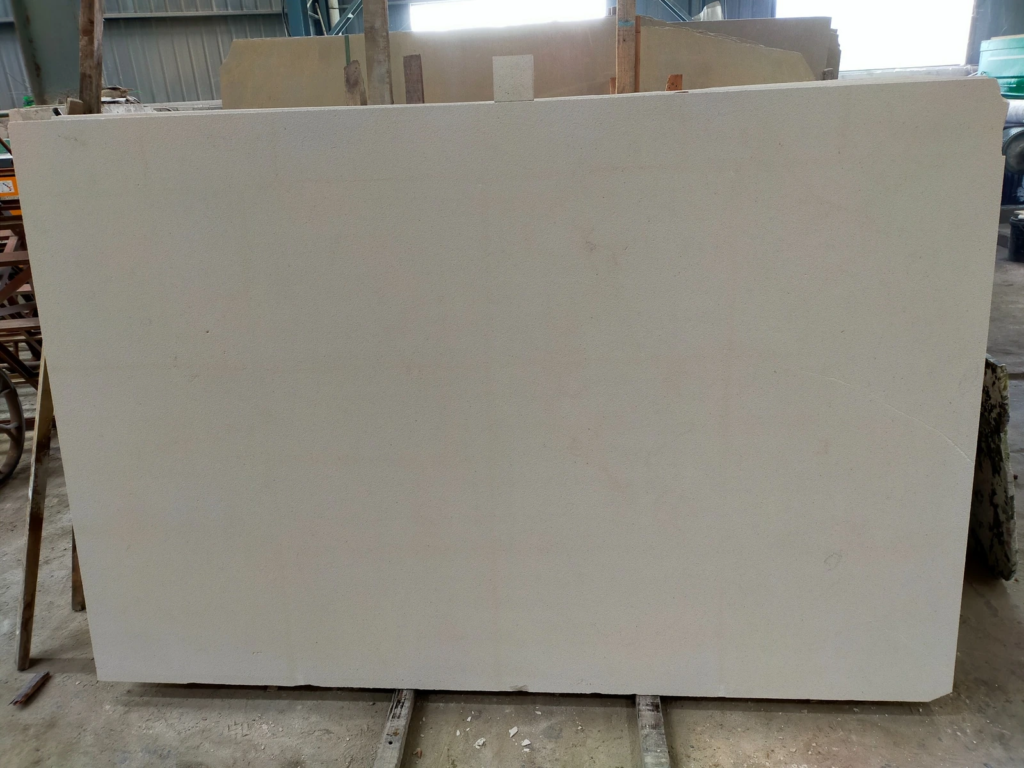
Limestone is available in a diverse range of colors and finishes, allowing for endless design possibilities.
White Limestone
Gray Limestone
Beige/Cream Limestone
Brown Limestone
Yellow Limestone
Honed/Matte Finish: Smooth and non-reflective, ideal for flooring and walls.
Bush-Hammered/Leather Finish: Textured and slip-resistant, perfect for outdoor use.
Brushed/Striped Finish: Features linear patterns, adding depth and character to surfaces.

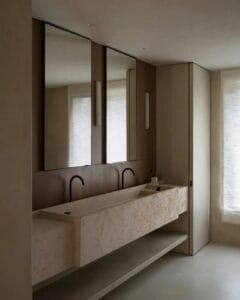
Limestone has been a staple in architecture and design across cultures and eras. From European palaces to modern museums, its elegance and functionality are universally admired.
Europe: Extensively used in historical landmarks like the Louvre Museum in Paris and contemporary buildings. It is a symbol of luxury and sustainability.
United States: Featured in iconic structures such as the Chinese Embassy in Washington D.C. and high-end residential projects.
Asia: Gaining popularity in countries like Japan, where it was used in the renowned Miho Museum designed by I.M. Pei.
Middle East and Australia: Increasingly adopted for its thermal properties and aesthetic versatility in both interior and exterior applications.
Building facades and cladding
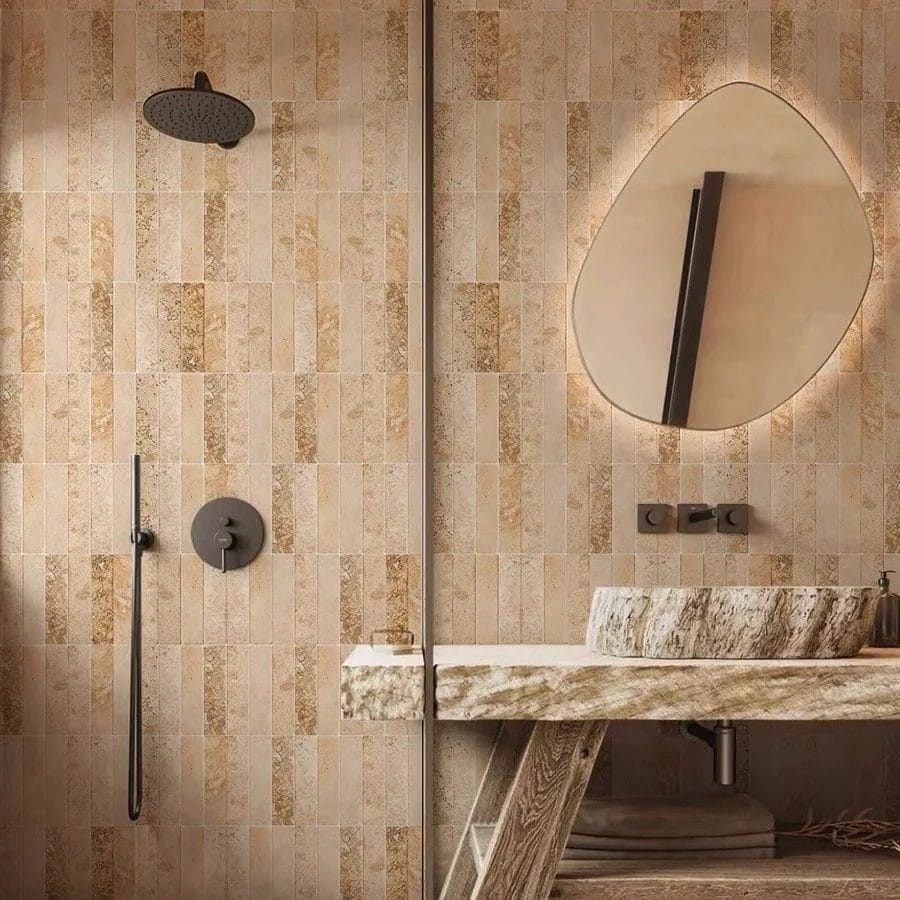
Flooring and wall tiles
Kitchen countertops and backsplashes
Sculptures and artistic installations
Landscaping and paving
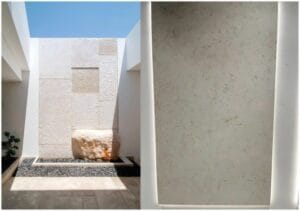
1. What is limestone?
Limestone is a sedimentary rock formed from ancient marine materials like shells and coral. It is known for its durability, breathability, and natural beauty.
2. How is limestone formed?
It develops over millions of years through the compaction and cementation of organic marine debris under geological pressure.
3. What is limestone used for?
It is widely used in construction, flooring, countertops, facades, and decorative arts due to its strength and aesthetic appeal.
4. Is limestone suitable for countertops?
Yes, when properly sealed, limestone makes elegant and durable countertops. However, it requires regular maintenance to prevent stains.
5. How does limestone differ from marble?
Limestone is generally softer and more porous than marble, with a more uniform appearance and subtler veining.
At HRST STONE, we pride ourselves on offering premium limestone products and services tailored to your specific requirements:
Wide Selection: We provide an extensive range of limestone varieties in multiple colors, finishes, and sizes.
Superior Craftsmanship: Our state-of-the-art processing techniques ensure precision cutting, shaping, and finishing.
Customization: We support custom orders for unique designs and applications.
Global Logistics: We deliver worldwide, ensuring timely and safe transportation of your orders.
Whether you’re an architect, designer, or homeowner, HRST STONE is committed to helping you bring your vision to life with nature’s finest limestone.
Limestone is more than just a building material—it is a piece of Earth’s history, offering unparalleled beauty, functionality, and sustainability. As the demand for eco-friendly and aesthetically pleasing materials grows, limestone continues to stand out as a top choice for global design projects. Trust HRST STONE to supply and deliver the highest quality limestone for your next venture.