

Yellow Fossils
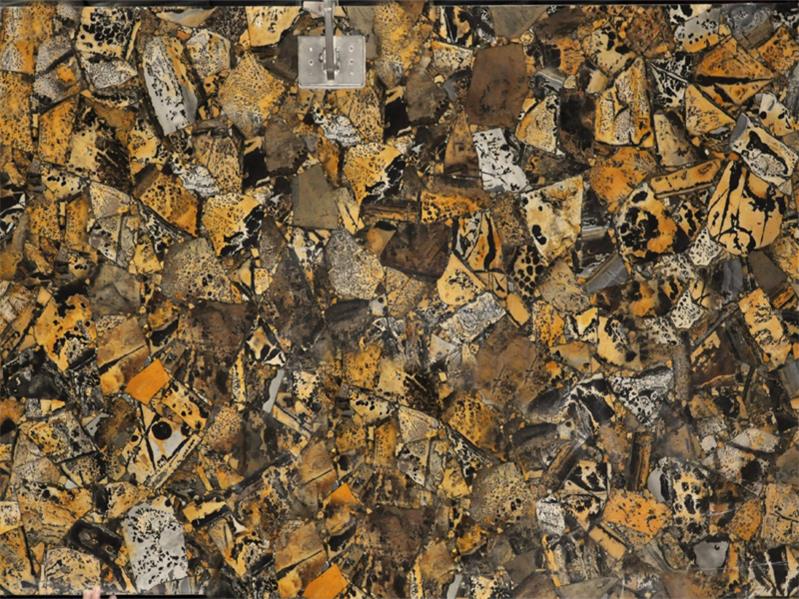
Yellow Fossils is a decorative natural fossil limestone with a warm yellow, beige and sand-colored background containing visible shell fragments, marine fossil markings and sedimentary movement. Its natural fossil character makes it particularly suitable for interior flooring, walls, cladding, furniture surfaces and architectural details where a warm organic stone appearance is required.
Yellow / Beige / Sand
Shell & Fossil Pattern
Slabs / Tiles
Custom Fabrication

Fossil Limestone
Yellow / Beige / Sand
Shell / Marine Fossil / Sedimentary
Slabs / Tiles / Fabrication
Yellow Fossils Product Overview
Yellow Fossil stone is characterized by a warm neutral background and visible traces of ancient marine life embedded within the limestone structure.
A typical Fossil Limestone surface may contain shell fragments, fossil outlines, pale cream mineral zones and irregular sedimentary markings distributed across the stone.
This gives the material a natural architectural character that works especially well in warm residential, hospitality and commercial interiors.

Product Specifications
| Item | Specification Details |
| Material Name | Yellow Fossils |
| Material Type | Natural Fossil Limestone |
| Primary Colors | Warm Yellow, Beige, Cream, Sand and Natural Brownish Mineral Accents |
| Texture Pattern | Shell Fragments, Marine Fossils, Sedimentary Movement and Natural Pores |
| Surface Finish | Honed / Polished / Brushed / Project-Specific Finish |
| Supply Forms | Slabs / Tiles / Wall Panels / Cut-to-Size / Table Tops / Vanity Tops / Custom Components |
| Available Thickness | Project-specific according to application and fabrication requirements |
| Applications | Flooring, Walls, Cladding, Table Tops, Vanity Tops, Selected Countertops and Architectural Details |
| Customization | Cut-to-Size / CNC / Edge Processing / Wall Panels / Floor Tiles / Custom Profiles |
Natural Fossil and Shell Character
The main visual value of Natural Fossil Stone lies in the fossil fragments and shell structures visible across the surface.
A Shell Limestone surface can contain circular, curved, broken or irregular fossil shapes rather than the flowing veins typically associated with marble.
This makes each slab visually different and gives the material an aged, organic and geological character.
For stronger fossil character → Select pieces with larger visible shell fragments.
For a quieter architectural look → Choose stone with finer fossil distribution.
For multiple areas → Group the material by background tone before cutting.
For statement applications → Position the most distinctive fossil zones in the main visible areas.
Yellow Fossil Slabs
A Yellow Fossil Slab provides a large-format surface for wall panels, furniture, counters and custom architectural components.
Because fossil size and background color may vary, full-size slab approval is recommended before fabrication.
For projects using several Fossil Stone Slab pieces, color grouping helps maintain a controlled relationship between adjacent areas.
Slab Approval:
Available Slabs → Background Tone → Fossil Distribution → Surface Condition → Finished-Piece Layout → Cutting Approval
Yellow Fossil Tiles
A Yellow Fossil Tile format is suitable for flooring, walls, bathrooms, corridors, hotel interiors and other modular stone applications.
A Fossil Stone Tile can retain visible shell and marine patterns even at smaller dimensions, although individual pieces will naturally vary.
For large tiled areas, pieces should be mixed and grouped before installation so the overall floor or wall does not appear patchy.
Yellow Limestone for Warm Architectural Interiors
Yellow Limestone works particularly well in interiors based on warm timber, plaster, cream upholstery and other natural materials.
Compared with highly polished marble, fossil limestone has a softer, more earthy character that can suit villas, hotels, restaurants and Mediterranean-inspired interiors.
Its fossil content also provides more visual identity than a uniform beige limestone.
Design Direction:
Warm Stone Tone → Fossil Density → Surface Finish → Module Size → Joint Layout → Final Interior Coordination
Fossil Limestone Flooring
Limestone Flooring is one of the most practical architectural uses for Yellow Fossils where a warm natural-stone floor is desired.
A Fossil Floor Tile can introduce visible geological detail without creating the strong directional pattern associated with highly veined marble.
For large floors, tile blending and dry layout are recommended before installation to distribute fossil density and color variation evenly.
Fossil Wall Tiles and Panels
A Fossil Wall Tile can be used for bathrooms, feature walls, corridors and hospitality interiors.
For larger architectural areas, a Fossil Wall Panel can preserve more of the natural fossil composition and reduce the number of visible joints.
A Limestone Wall can be developed using repeated modules or larger cut-to-size panels depending on the architectural design.
Limestone Cladding
Limestone Cladding can use Yellow Fossils to create a warm natural-stone architectural surface.
Panel dimensions, anchoring method, stone thickness and finish should be determined according to the specific interior or exterior application.
For external use, project-specific technical evaluation is recommended because limestone performance can vary according to climate, exposure and material characteristics.
Fossil Stone Table Tops
A Fossil Table Top can introduce the shell and marine fossil structure into furniture design.
A Limestone Table Top can be produced for dining tables, coffee tables, side tables, consoles and other custom furniture.
The finished outline should be positioned on the actual slab before cutting so the most attractive fossil areas remain visible.
Tabletop Planning:
Furniture Size → Actual Slab → Finished Template → Fossil Position → Edge → Base → Cutting Approval
Fossil Countertops
A Fossil Countertop can be used for selected decorative counters, bars, vanities and other interior applications where natural fossil character is desired.
A Limestone Counter should be specified with realistic expectations because limestone is calcite-based and is more sensitive to acids and scratching than dense granite or quartzite.
For frequently used countertop applications, proper sealing, maintenance and use conditions should be considered before material approval.
Fossil Vanity Tops
A Fossil Vanity Top can create a warm natural look in bathrooms, hotel suites and spa interiors.
Basin openings, faucet holes and backsplashes should be planned according to the actual slab layout.
Protective sealing and regular care are recommended to reduce staining and surface etching in wet-use environments.
Honed Limestone Finish
A Honed Limestone finish is especially suitable for Yellow Fossils because it maintains a soft natural appearance while allowing fossil details to remain visible.
The lower-reflection surface works well for floors, walls, table tops and contemporary architectural interiors.
A polished finish can create stronger color depth, while brushed or lightly textured finishes may be considered for more tactile applications.
Surface Finishes and Fabrication
Yellow Fossils can be processed in different finishes and formats according to the project design.
Soft low-reflection finish suitable for floors, walls and furniture.
Enhances color depth and fossil contrast for selected interior surfaces.
Creates a more tactile and aged architectural character.
Cut-to-size panels, tiles, edges, profiles and furniture components.
Fabrication and Project Coordination
After the actual stone and drawings are approved, fabrication can include slab cutting, tile production, CNC shaping, edge processing, openings and custom architectural profiles.
For wall and floor projects, piece numbering and dry-layout review can help coordinate fossil distribution and color before packing.
Production Flow:
Material Inspection → Slab Selection → Drawing Approval → Cutting Layout → Cutting / CNC → Edge & Surface Finish → Dry-Lay → Final QC → Packing
Quality Control
Finished piece size
Yellow and beige balance
Shell and fossil distribution
Finish and visible condition
Profile and corner quality
Project requirement check
Piece-to-piece relationship
Surface and edge protection
Packaging and International Delivery
Yellow Fossils slabs, tiles and fabricated pieces require packaging based on their dimensions, thickness and fracture risk.
Finished stone faces should be protected with soft, non-staining materials. Thin tiles, exposed edges and corners require additional cushioning, while adjacent finished surfaces should not rub directly against one another during transportation.
Components should be securely supported and fixed inside reinforced fumigated wooden crates designed according to actual dimensions and weight. Production inspection should be completed before packing, with export documentation and logistics support coordinated according to the agreed trade terms.
Why Work with a Limestone Supplier?
A professional Limestone Supplier should understand natural fossil variation as well as project fabrication requirements.
Project support should include slab selection, color grouping, shop drawings, cutting layout, dry-lay review, custom fabrication, QC and export preparation.
A capable Limestone Factory should also understand the different requirements of flooring, wall panels, table tops, vanity tops and architectural cladding.
Information Required for Quotation
Floor / Wall / Table / Vanity / Counter
Finished sizes or drawings
Pieces, slabs or total area
Required finished thickness
Honed / Polished / Brushed
Fine / medium / strong fossil character
Edges / Holes / Profiles / Panels
Port or delivery address
Yellow Fossils FAQ
1. What is Yellow Fossils stone?
Yellow Fossils is a natural fossil limestone with a warm yellow-to-beige background and visible shell or marine fossil markings.
2. Is Yellow Fossils a marble or limestone?
It is more accurately classified as fossil limestone, although some commercial markets may use fossil marble as a trade description.
3. Can Yellow Fossils be used for flooring?
Yes. Tiles and cut-to-size pieces can be used for residential, hotel and commercial interior flooring.
4. Can Yellow Fossils be used for walls?
Yes. It can be fabricated as wall tiles, large panels and interior cladding.
5. Can Yellow Fossils be used for table tops?
Yes. Custom table tops can be fabricated for dining tables, coffee tables, side tables and consoles.
6. Is fossil limestone suitable for countertops?
It can be used for selected decorative countertops, but limestone is calcite-based and requires appropriate sealing and care around acids and heavy use.
7. What finish is recommended for Yellow Fossils?
Honed is a popular choice for a soft natural appearance, while polished, brushed and other project-specific finishes can also be considered.
8. Can I approve the actual slabs before cutting?
Yes. Actual slab approval is recommended because fossil density, shell size and background tone vary naturally between pieces.
Final Note / Practical Takeaway
Yellow Fossils is most effective when its warm yellow-beige background and natural shell fossils are treated as part of the design rather than as a uniform limestone surface. For floors → blend tiles before installation to distribute fossil density. For walls → coordinate panel sizes and joints with the strongest fossil zones. For table and vanity tops → position distinctive fossils inside the main visible area. For countertops → account for the normal care requirements of calcite-based limestone. Careful slab approval, cutting layout, surface finishing, dry-lay review, QC and reinforced export packing help preserve the natural character of Yellow Fossils throughout the finished project.