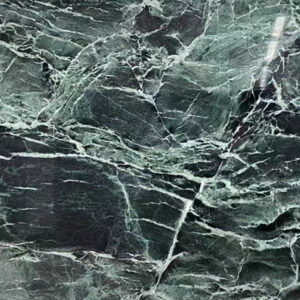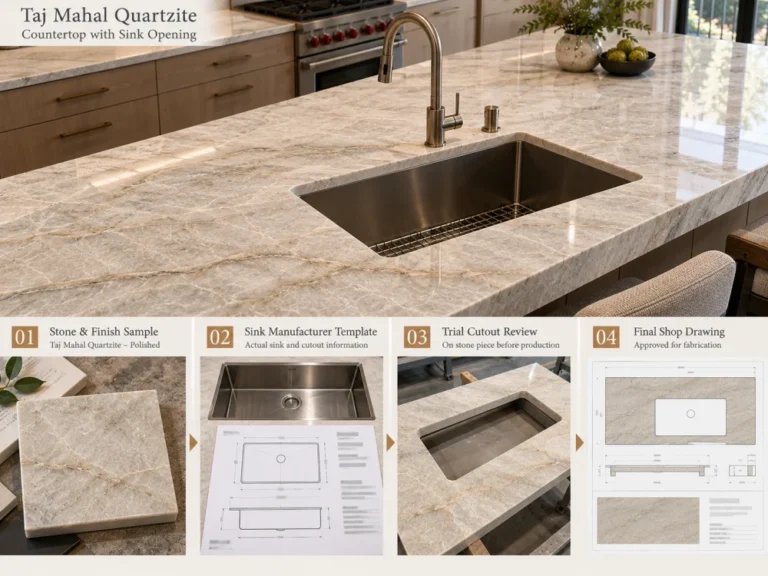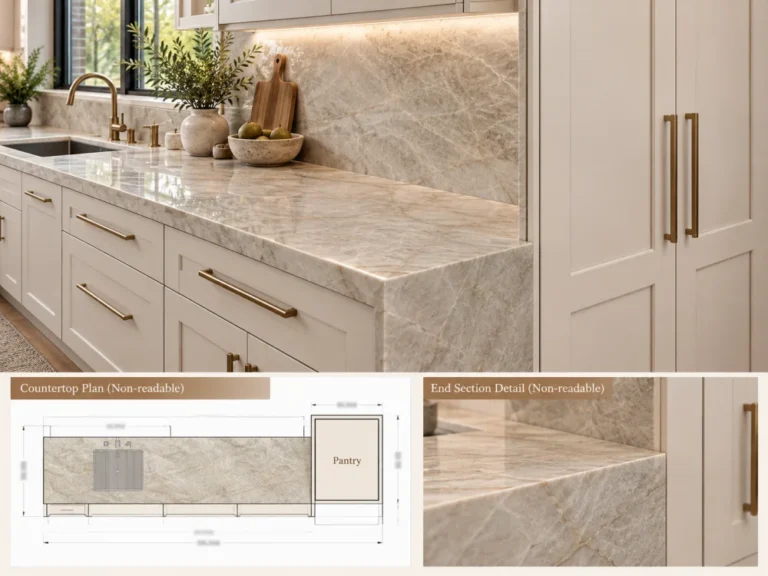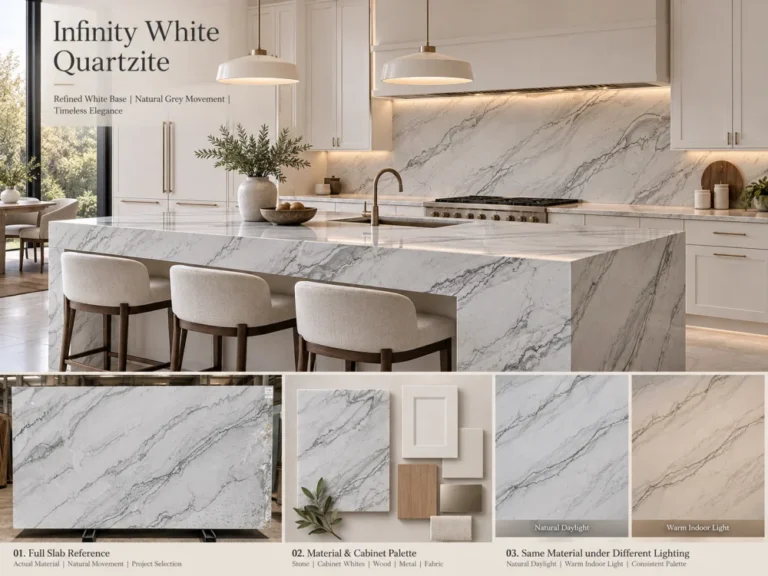
Petit Antique Marble is a distinctive black natural stone with a deep dark background and fine, dense white mineral markings distributed across the surface. Compared with strongly veined black marbles, its texture is generally more controlled and granular, giving it a refined architectural character suitable for both traditional and contemporary interiors.
Black & White
18mm / 20mm
Slabs & Tiles
Custom Fabrication

Natural Marble
Black / White
18mm / 20mm
Slabs / Tiles / Cut-to-Size
Petit Antique Marble Product Overview
Petit Antique Marble, also searched as Petit Antique or Noir Petit Antique, is known for its black background and compact white mineral structure. Instead of large dramatic veins, the stone often presents a finer and more evenly distributed natural pattern.
This visual character gives Black White Marble a strong architectural advantage in projects that require dark stone without excessive movement. It can coordinate effectively with timber, brass, brushed metal, concrete, glass and neutral wall finishes.
As a natural material, every Petit Antique Slab varies in white mineral density, black background depth and local pattern concentration. Full-slab review is therefore recommended before fabrication when several pieces will be installed together.

Product Specifications
| Item | Specification Details |
| Material Name | Petit Antique Marble |
| Alternative Names | Petit Antique / Noir Petit Antique / Petit Marble |
| Material Type | Natural Marble |
| Primary Colors | Deep Black with White and Light Grey Mineral Markings |
| Texture Pattern | Fine dense white mineral movement with restrained natural variation |
| Available Thickness | 18mm / 20mm |
| Surface Finishing | Polished / Honed / Brushed / Project-Specific Finish |
| Supply Forms | Slabs, Tiles, Wall Panels, Flooring, Countertops, Vanity Tops, Stair Pieces and Custom Components |
| Application Scope | Residential, Villas, Hotels, Bathrooms, Kitchens, Feature Walls, Fireplaces and Commercial Interiors |
| Custom Fabrication | Cut-to-Size, CNC Openings, Edge Profiles, Miters, Backsplashes, Stair Components and Architectural Pieces |

How to Select Petit Antique Marble
For Petit Antique, buyers should evaluate the depth of the black field and the density of the fine white mineral markings. Some slabs appear cleaner and darker, while others have more visible white distribution across the surface.
For a Petit Countertop, Petit Marble Wall or large floor area, full-slab review is important because small differences in pattern density become more visible once several pieces are installed together.
If the project needs a cleaner black appearance → Choose slabs with more open black areas and restrained white movement.
If the design requires more texture → Choose slabs with denser white mineral markings.
If adjoining pieces must look coordinated → Select compatible slabs before cutting.
Petit Antique Marble Applications
The controlled pattern of Natural Black Marble makes Petit Antique suitable for projects that need a dark natural surface without highly dramatic veining. It can work as a focal material or as a stable architectural base across large areas.
Petit Countertop
Suitable for selected kitchen counters, bars and work surfaces where a dark natural stone is intended to complement modern cabinetry and metal details.
Petit Vanity Top
Vanity tops can be fabricated with sink openings, faucet holes, backsplashes, side splashes and finished visible edges according to approved drawings.
Petit Bathroom
Bathroom applications can include vanity tops, wall cladding, selected shower walls and flooring for a refined dark interior palette.
Petit Marble Wall
Large wall panels can create a calm black architectural surface with fine white detail in hotels, villas, retail spaces and reception areas.
Petit Marble Floor
Petit Floor Tile and cut-to-size floor panels can create a strong dark base for contemporary interiors where appropriate finish and maintenance are planned.
Petit Fireplace
Fireplace surrounds, hearths and custom profiles can use the deep black surface as a restrained but distinctive architectural focal point.
Application Selection Guide
| Project Requirement | Choose | Selection Priority |
| Modern kitchen | Petit Countertop | Controlled white mineral density and edge detail |
| Luxury bathroom | Petit Vanity Top and wall panels | Compatible slab tone and finish |
| Feature wall | Large Petit Feature Wall panels | Balanced pattern density across panels |
| Large flooring area | Petit Floor Tile | Finish, traffic requirements and color consistency |
| Stair application | Petit Marble Stair pieces | Finished dimensions, exposed edges and installation sequence |
Surface Finishes and Fabrication
Polished Petit
A polished finish deepens the black field and increases contrast between the background and fine white mineral markings.
Honed Petit Marble
A honed finish creates a softer, lower-reflection black surface and can suit contemporary interiors requiring a more understated finish.
Custom Fabrication
Processing can include CNC openings, miters, edge profiles, backsplashes, wall panels, stair pieces and other cut-to-size architectural components.
Key Procurement Risks
A small sample cannot represent the full balance between the black field and white mineral distribution. Actual slab appearance may be noticeably different.
Different slab lots can vary in darkness and white mineral density, creating visible inconsistency across adjoining walls or floors.
Incorrect dimensions, sink openings, stair sizes or edge profiles can lead to replacement costs and installation delays.
Petit Antique is natural marble and can react to acidic substances. Maintenance expectations should be considered before using it for demanding work surfaces.
Common Purchasing Mistakes and Consequences
| Common Mistake | Possible Consequence | Recommended Control |
| Ordering by name only | Unexpected black tone or pattern density | Approve actual slab images or slabs |
| Mixing unrelated slabs | Visible tonal inconsistency | Coordinate adjoining slabs before cutting |
| Incomplete drawings | Incorrect finished dimensions or fabrication details | Confirm final CAD or shop drawings |
| Comparing Petit Marble Price only | Incomplete project cost comparison | Compare material, fabrication, packing and logistics |
Custom Fabrication and Quality Control
Petit Antique Marble can be fabricated into countertops, vanity tops, wall panels, floor pieces, stairs, fireplace components and other architectural products according to approved CAD or shop drawings.
Before cutting, finished dimensions, openings, exposed edges, seam locations, stair geometry and slab orientation should be confirmed. During production, QC should review dimensions, thickness, visible surface condition, edge quality, opening positions and consistency with approved drawings.
Material Inspection → Slab Selection → Drawing Approval → Cutting Layout → Cutting → Fabrication → Surface & Edge Check → Dry-Lay Confirmation Where Required → Final QC → Packing Inspection
Packaging and Project Delivery
Finished Petit Antique components should be packed according to their size, geometry, weight and fracture risk. Countertops with openings, stair treads, long narrow components and finished exposed edges require additional support and protection.
Finished surfaces should be separated using suitable protective materials, while corners, edges and openings receive additional cushioning. Components can then be secured inside reinforced fumigated wooden crates with appropriate internal fixing and blocking.
Information Required for Quotation
For accurate B2B pricing, buyers should provide the main project and fabrication requirements so material quantity, processing, packing and logistics can be evaluated together.
Countertop / Wall / Floor / Stair
Finished piece sizes
Pieces or total area
18mm / 20mm
Polished / Honed / Brushed
Edges / Openings / Profiles
CAD / PDF / Shop Drawings
Port or delivery address
Petit Antique Marble FAQ
1. What does Petit Antique Marble look like?
Petit Antique Marble typically has a deep black background with fine white and light grey mineral markings. The density and distribution of these markings vary naturally between slabs.
2. Is Petit Antique Marble a natural stone?
Yes. Petit Antique is a natural marble, so differences in black tone, white mineral density and surface characteristics are expected.
3. Can Petit Antique Marble be used for countertops?
Yes. Petit Antique can be fabricated for countertops, bars and selected work surfaces, but buyers should consider the normal maintenance and acid sensitivity of natural marble.
4. Is Petit Antique suitable for floors and walls?
Yes. It can be supplied as tiles and cut-to-size pieces for floors and wall cladding, with the finish selected according to traffic, appearance and maintenance requirements.
5. Can Petit Antique Marble be used for stairs?
Yes. Stair treads, risers and related components can be fabricated according to approved dimensions, edge requirements and installation drawings.
6. Should actual Petit Antique slabs be approved before fabrication?
Yes. Full-slab approval helps control the black background tone and white mineral density, especially for large or adjoining surfaces.
7. Is honed or polished Petit Antique better?
Polished Petit Antique creates a deeper black surface and stronger contrast, while Honed Petit Marble produces a softer, lower-reflection appearance. The best option depends on the project.
8. What affects Petit Antique Marble price?
Price depends on slab selection, dimensions, thickness, quantity, finish, fabrication complexity, packing requirements and logistics.
Final Note / Practical Takeaway
Petit Antique Marble is a strong option for projects that require a refined black natural stone with controlled white mineral detail rather than dramatic large-scale veining. It can work across countertops, bathrooms, wall cladding, floors, fireplaces and stairs. For B2B procurement, slab appearance, finish, fabrication drawings, dimensional accuracy, QC and export packaging should be evaluated together. If a cleaner black result is required → choose slabs with more open dark areas. If the design needs greater texture → choose slabs with denser fine white mineral markings.