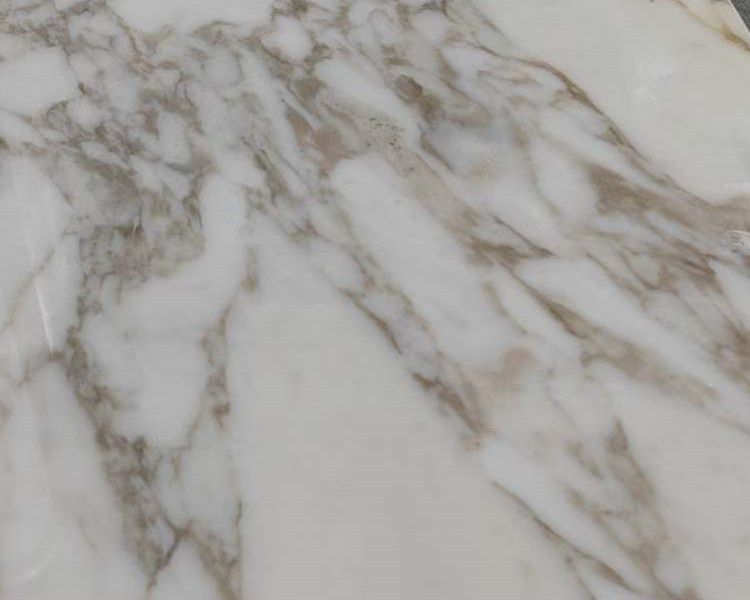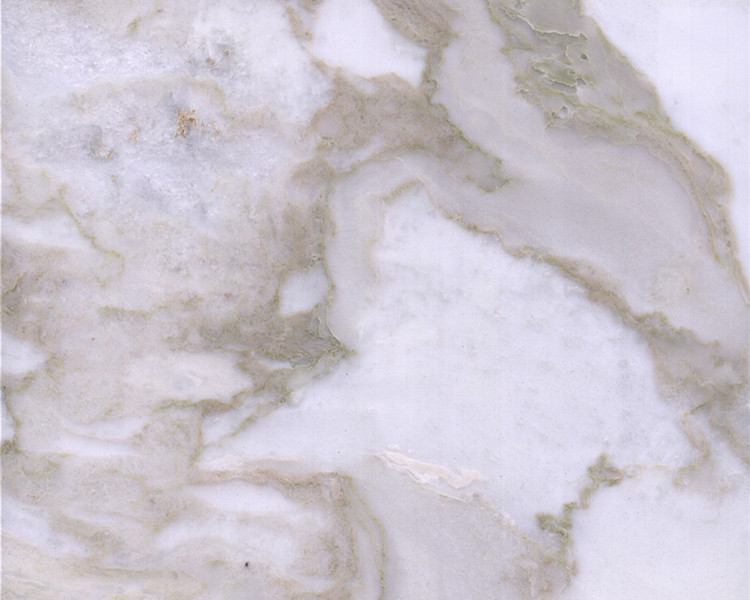
Is it easy to break during transportation, processing and installation? Will it break easily after installation? Let’s talk about this issue.
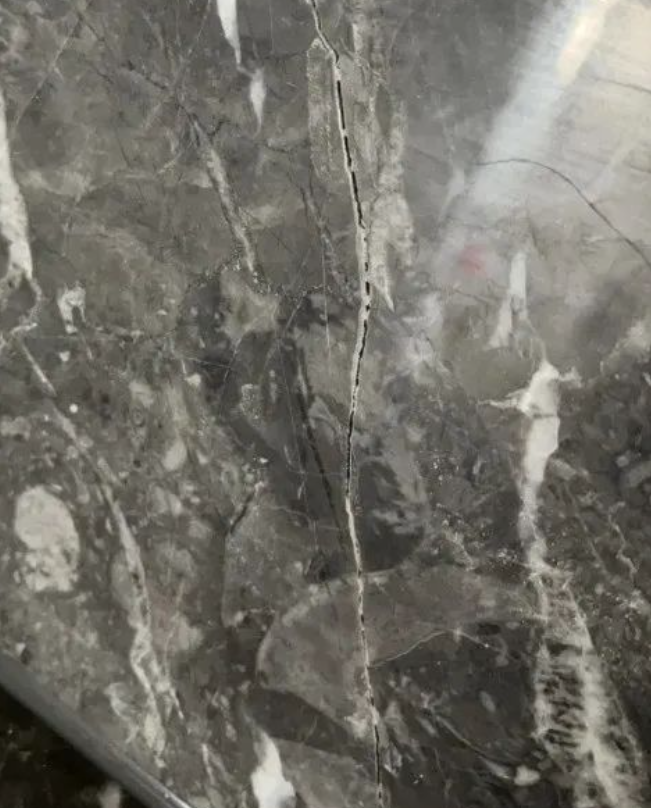
01.Processing process
1. In order to prevent the stone from easily breaking, natural marble rough boards generally add a backing net on the back of the stone to enhance the integrity of the stone and try to avoid the occurrence of stone breakage. However, the differences in experience of workers who may be involved in transportation may also cause the stone to break.
2. When natural marble is processed in the factory, due to different shapes and different positions, the finished size of each piece is also different, and many boards are relatively long and narrow, which can easily cause the stone to break, so in the factory When processing, we usually add reinforcements when the length of the processed natural marble exceeds 1 meter. The wider the width, the greater the number of reinforcements.
3. If the width of the cutting board is too narrow, we will generally reinforce it if it is less than 10 centimeters, because the smaller the width, the easier it is for the stone to break. When the board is large, we will also consider gluing an artificial stone on the back of the stone.

02.Transportation process
1. Nowadays, when natural marble is processed in the factory, a protective film is affixed to the smooth surface of the stone, which can not only reduce breakage but also prevent surface scratches.
2. After these are completed in the factory, the stone will be delivered by a master who has been transporting the stone for a long time. This can generally avoid the occurrence of stone breakage during transportation.
03.Installation process
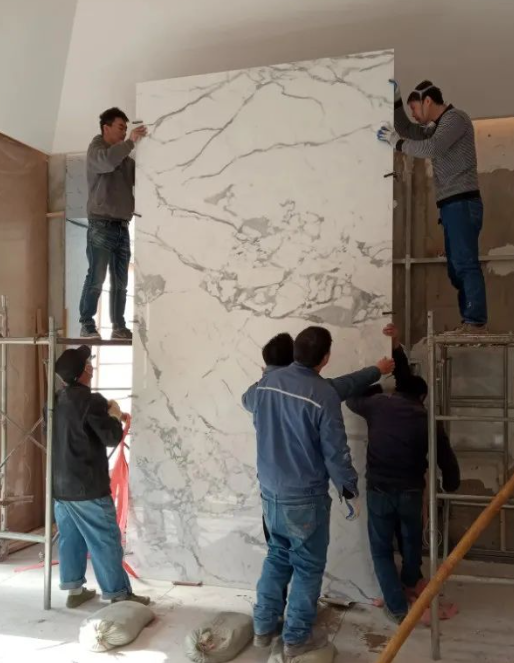
The same goes for installation. Professional installers can also avoid breakage when installing stone. However, even if there is a small amount of breakage, it can be easily removed during mirror treatment after installation. This is also the advantage of natural marble.
1. When installing the ground, water the foundation to moisten it, then lay a mixture of stone powder and cement, then cover it with stone, adjust the height and compact it, and then lay a layer of cement slurry on the stone peak. Apply to cement slurry and press firmly.
2. Therefore, when the ground is installed, the stone is not in direct contact with the foundation surface. There is a layer of stone powder cement mixture, a layer of cement slurry, and then the stone.
3. The stone powder is used for overlaying and leveling, and the cement slurry is the adhesive. The entire stone plate is pressed on the cement slurry. After the cement slurry dries and hardens, it becomes a whole with the stone, so it will not happen to the stone. Walking on it will cause the stone to crack.
4. When installing wall stone indoors, marble glue and AB structural glue are generally used to bond it to the woodworking base at multiple points. Generally, as long as we do not use sharp objects to hit the stone surface, the stone will generally not break.
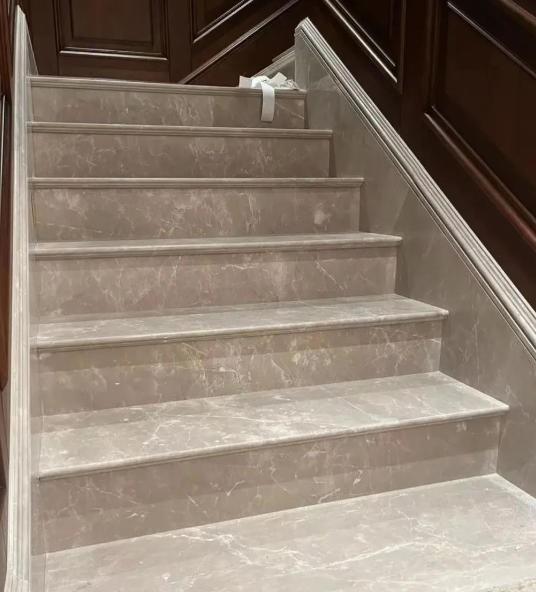
Therefore, we will understand stone installation from the back mesh of the natural marble rough board itself, the reinforced adhesive artificial stone processed in the factory, the professionalism of transportation and installation, and most importantly, understanding the structure of floor paving and wall bonding. It won’t break easily after it’s healed.
Related Products