
When choosing a countertop, aesthetics and practicality go hand-in-hand. Marble and sintered stone have become two of the most popular choices for kitchens, dining areas, and commercial interiors. Each brings unique strengths to the table. In this comprehensive guide, we’ll explore their differences, pros and cons, and help you make the right selection for your needs.
Countertops serve as both a design statement and a high-use surface. The material you select can influence:
Visual Appeal: It sets the tone for your interior.
Durability: Some materials resist heat, scratches, and stains better than others.
Maintenance Needs: Some require sealing, polishing, or specific cleaning methods.
Long-Term Value: Quality materials reduce replacement costs and enhance resale appeal.
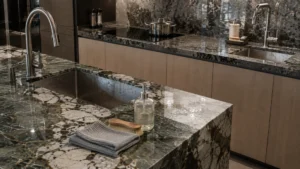
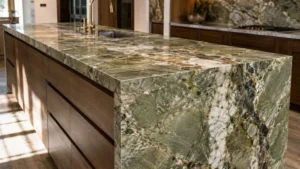
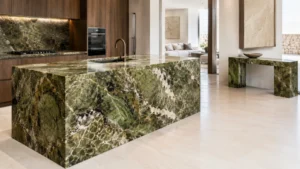
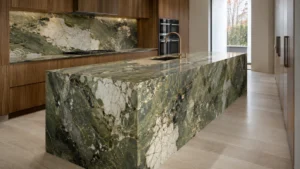
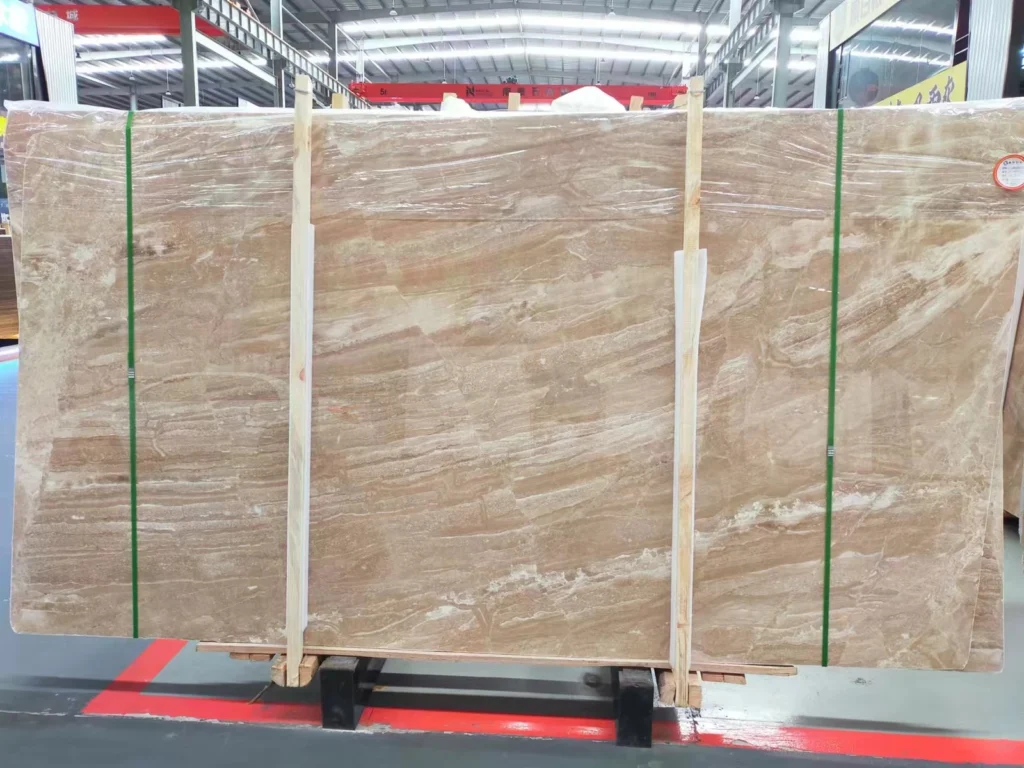
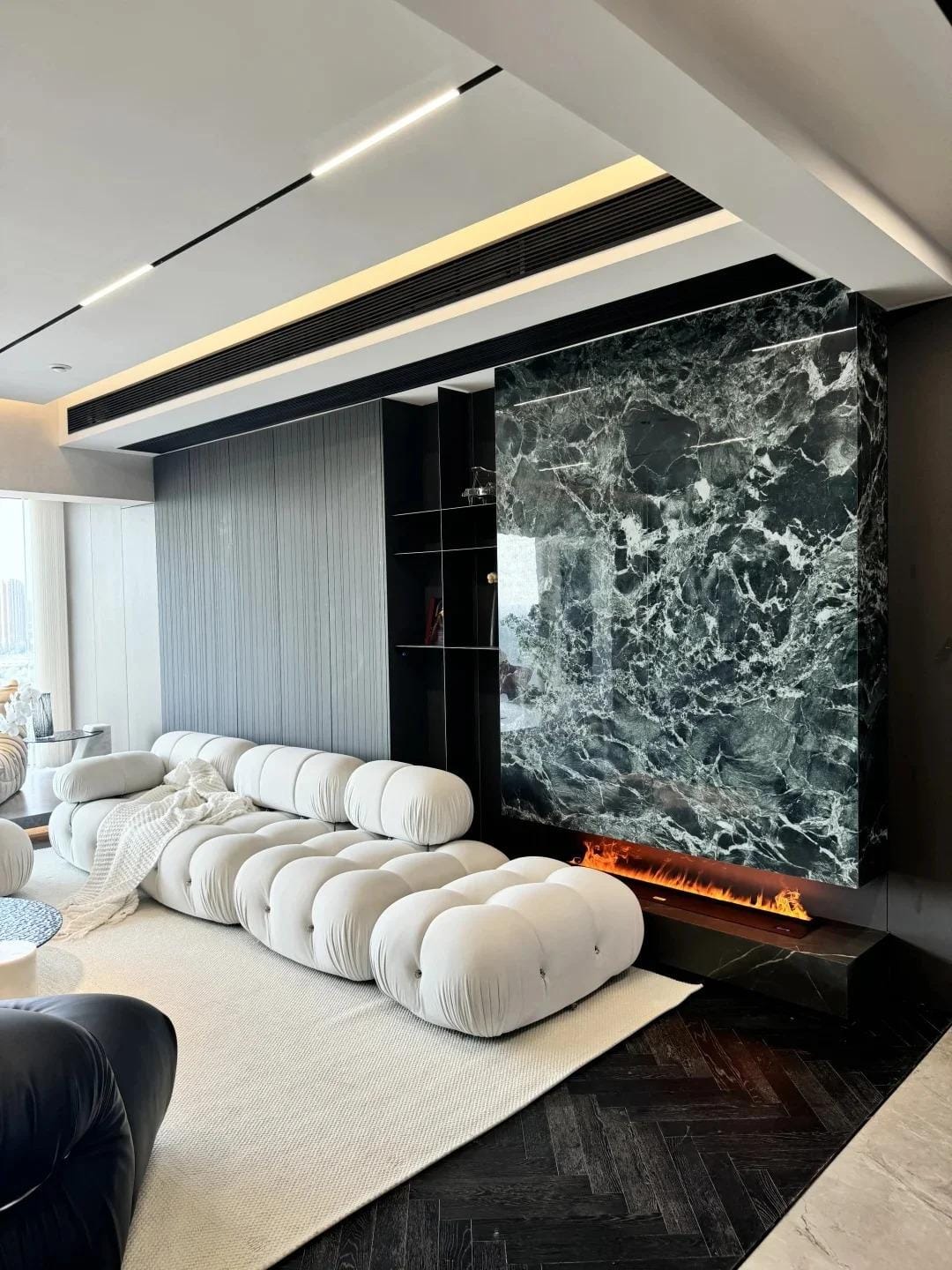
Marble features distinctive veining and luxurious tones that no engineered material can replicate. Each slab is a natural work of art, making marble a top choice for upscale interiors and statement pieces.
Marble has a dense structure that offers reasonable resistance to heat and physical wear. It won’t easily warp or deform under normal household use.
Polished marble is smooth and non-sticky, making everyday maintenance easy. A damp cloth and mild soap are usually sufficient to remove most spills and residue.
Marble can absorb water and oils if not sealed regularly. Stains from wine, juice, and sauces can become permanent without proper care.
Marble reacts with acids like vinegar or lemon juice, which may lead to dull spots or etching on the surface.
To maintain its beauty, marble requires periodic sealing and careful cleaning with non-acidic products. Surface polishing may be needed over time.


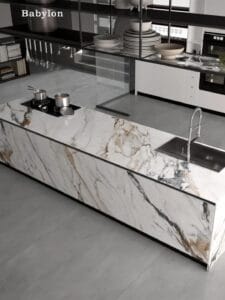
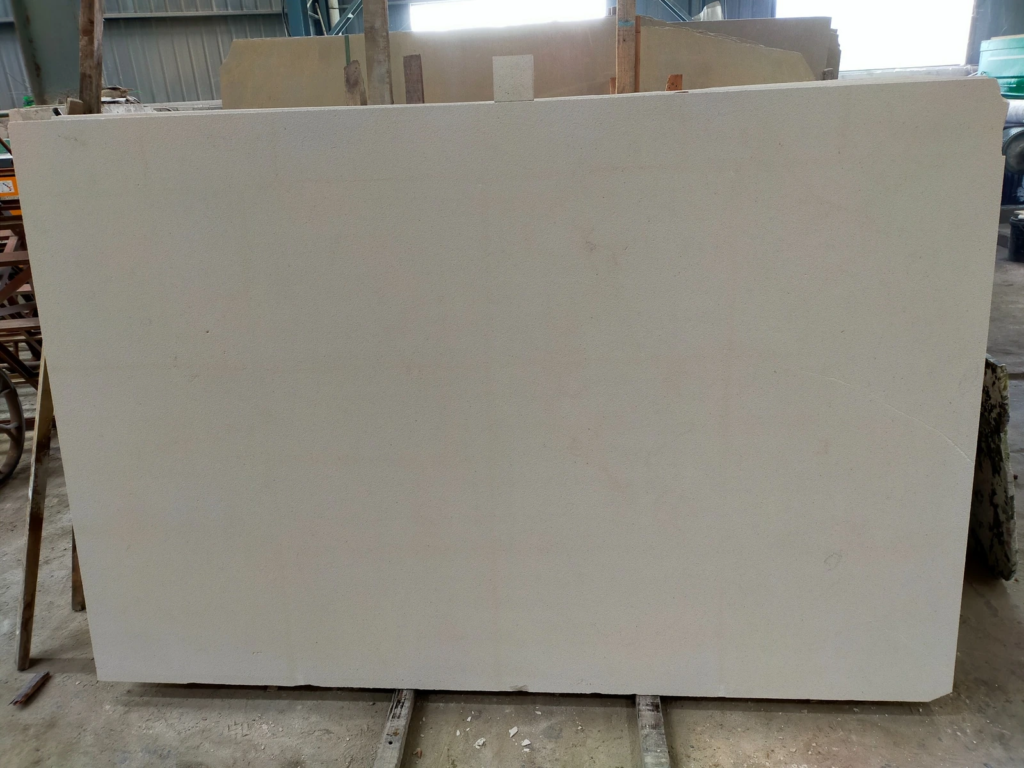
Sintered stone is manufactured under extreme pressure and temperature, resulting in a surface with zero porosity. Liquids and oils cannot penetrate the material, making it exceptionally easy to clean and highly stain-resistant.
You can place hot cookware directly on sintered stone without worry. It won’t burn, scorch, or warp under extreme temperatures, making it ideal for both indoor and outdoor kitchens.
Its dense, non-porous nature provides high resistance to scratches, impacts, UV rays, and chemicals. Sintered stone is one of the most durable countertop materials on the market.

While extremely hard, sintered stone edges may chip during cutting, transport, or installation if mishandled. Once damaged, repairs can be challenging.
Because of its hardness, sintered stone is less adaptable to curved or decorative edge profiles. It’s best suited to modern, minimalist aesthetics.
Although it offers long-term savings through durability and low maintenance, the upfront cost of sintered stone is generally higher than natural stones like marble.
| Feature | Marble | Sintered Stone |
|---|---|---|
| Visual Appeal | Unique natural veining | Consistent modern patterns |
| Stain Resistance | Medium (needs sealing) | Excellent (non-porous) |
| Heat Tolerance | Good (up to 176°C) | Excellent (>300°C) |
| Scratch Resistance | Moderate | Very High |
| Maintenance Needs | Medium (sealing & care) | Low (wipes clean) |
| Repairability | Can be polished | Difficult to repair |
| Price Range | Moderate to high | High |
| Design Flexibility | High (custom edges, curves) | Moderate (hard to shape) |
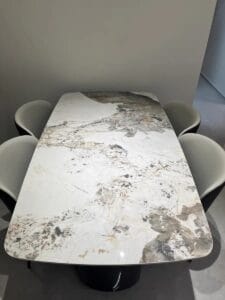
You want a timeless, elegant aesthetic with unique veining.
You’re comfortable with light maintenance like sealing.
You’re furnishing a low-traffic, luxury space such as a dining room or master bath.
You need a durable, heat- and stain-resistant surface for heavy daily use.
You prefer a uniform, contemporary look.
You’re designing for a high-traffic kitchen, outdoor space, or commercial area.

Seal once or twice a year
Use pH-neutral cleaning products
Wipe spills immediately
Avoid acidic substances
No sealing needed
Clean with water and mild detergent
Avoid direct impact on edges
Heat resistant, but trivets are still recommended
Yes, if you’re looking for durability, heat resistance, and easy maintenance. However, marble is preferred for its natural beauty and luxury appeal.
Yes, especially if it’s not sealed. It’s a porous stone, so oils and colored liquids can leave permanent marks if not cleaned quickly.
Yes, sintered stone is highly resistant to heat. Still, using trivets is a good habit to extend its lifespan and avoid thermal shock at the edges.
Sintered stone generally lasts longer with less upkeep. Marble can also be long-lasting with regular sealing and careful use.
Usually yes, due to its production process and durability. However, it may offer better value over time thanks to its low maintenance needs.
Both marble and sintered stone are excellent materials. Your final decision should be based on where the surface will be used, how much maintenance you’re willing to handle, and what aesthetic you prefer. Marble brings unmatched natural beauty, while sintered stone delivers advanced performance and longevity.
With 15 years of experience, HRST STONE is your trusted partner in natural and engineered stone solutions. Here’s why customers around the globe choose us:
✅ Global Export Leader: Serving North America, Europe, the Middle East, and more.
✅ Premium Quality Control: From raw material to final delivery, we ensure excellence.
✅ Wide Selection: Marble, quartzite, sintered stone, and more under one roof.
✅ Custom Projects: We support hotel, villa, and commercial installations with full-service logistics.
✅ Professional Team: Skilled engineers and designers help realize your vision.
🌐 Explore More:
www.quartzite-stone.com
📩 Email: assistant@hrststone.com
📱 WhatsApp: +86 13685922793