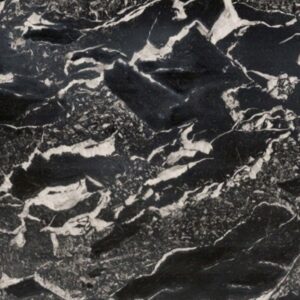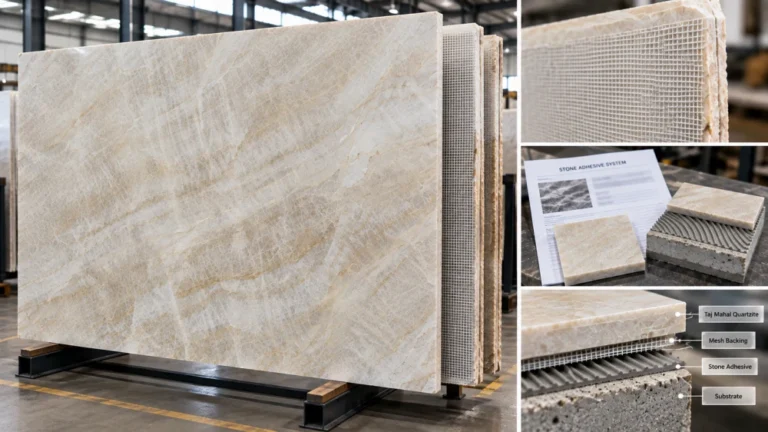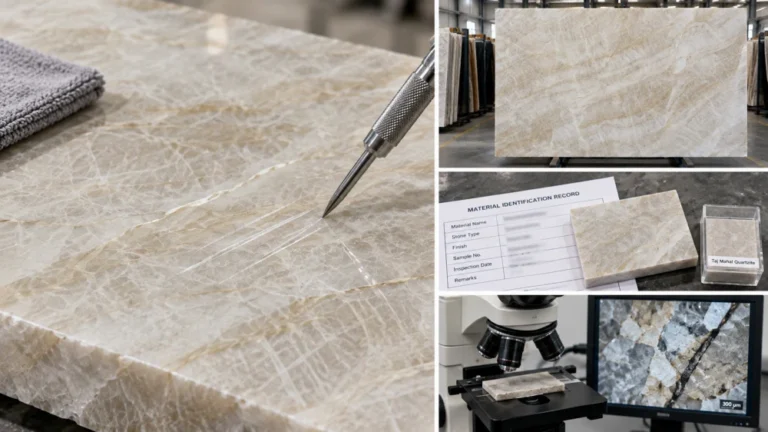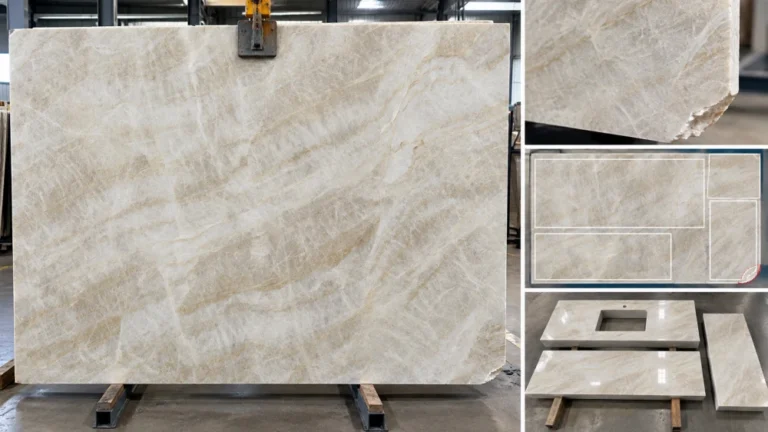
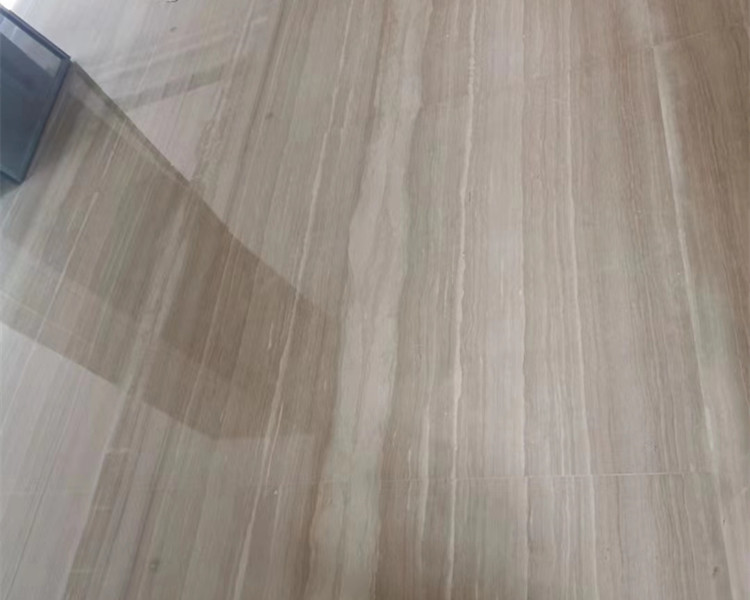
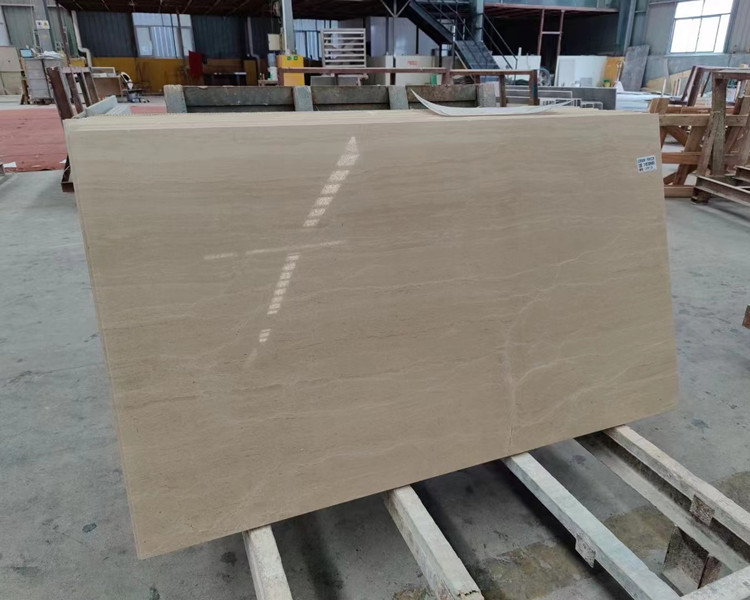
Serpeggiante Classico Marble is a warm beige natural stone recognized for its elegant horizontal and slightly wave-like mineral movement. Its linear texture can resemble natural wood grain, giving the material a calm architectural rhythm that works especially well in large wall panels, floors, stairs and other applications where directional continuity matters.
Italian Origin
18mm / 20mm
Slabs & Tiles
Custom Fabrication
Natural Marble
Italy
Beige / Cream / Light Brown
Slabs / Tiles / Cut-to-Size
Serpeggiante Classico Marble Product Overview
Serpeggiante, also associated with Classico Marble and sometimes searched alongside Silvabella Marble, is distinguished by warm beige coloration and elongated directional veins. The stone usually presents a restrained horizontal movement rather than large dramatic veining.
This gives Wood Vein Marble a unique architectural quality. When installed in long wall panels, corridors, stairs or floors, the consistent linear direction can visually lengthen the space and create a calm, structured appearance.
As a natural material, each Serpeggiante Slab varies in beige tone, line density and mineral movement. For projects where several pieces meet, slabs should be selected and oriented as a coordinated set.

Product Specifications
| Item | Specification Details |
| Material Name | Serpeggiante Classico Marble |
| Material Type | Natural Marble |
| Origin | Italy |
| Primary Colors | Warm Beige, Cream, Light Brown and Soft Grey Mineral Tones |
| Texture Pattern | Horizontal linear to slightly wave-like wood-grain mineral movement |
| Available Thickness | 18mm / 20mm |
| Surface Finishing | Polished / Honed / Brushed / Project-Specific Finish |
| Supply Forms | Slabs, Tiles, Wall Panels, Flooring, Countertops, Vanity Tops, Stair Pieces and Custom Components |
| Application Scope | Residential, Villas, Hotels, Bathrooms, Floors, Walls, Stairs, Fireplaces and Commercial Interiors |
| Custom Fabrication | Cut-to-Size, Edge Profiles, Miters, CNC Openings, Stair Components, Wall Panels and Architectural Pieces |

How to Select Serpeggiante Classico
For Serpeggiante Classico, the main purchasing consideration is not only color but also vein direction. The long linear pattern means incorrect orientation can significantly change the final architectural effect.
For a Serpeggi Counter, wall panel, stair tread or flooring installation, buyers should confirm whether the vein should run lengthwise, horizontally or vertically before cutting.
If the project needs a clean, calm appearance → Choose slabs with an even beige field and finer linear movement.
If stronger natural texture is required → Choose slabs with more pronounced wood-like bands.
If several pieces connect visually → Approve vein direction and cutting sequence before fabrication.
Serpeggiante Classico Marble Applications
The warm tone and directional character of Italian Beige Marble make Serpeggiante particularly suitable for applications where surface continuity and architectural rhythm are important.
Serpeggi Counter
Suitable for selected countertops and bars where warm beige tones and restrained linear movement complement timber or neutral cabinetry.
Serpeggi Vanity
Vanity tops can be fabricated with sink openings, faucet holes, backsplashes and finished edges according to approved drawings.
Serpeggi Bathroom
Bathroom applications can include vanity tops, wall panels and selected floor areas for a warm and coordinated stone palette.
Serpeggi Wall
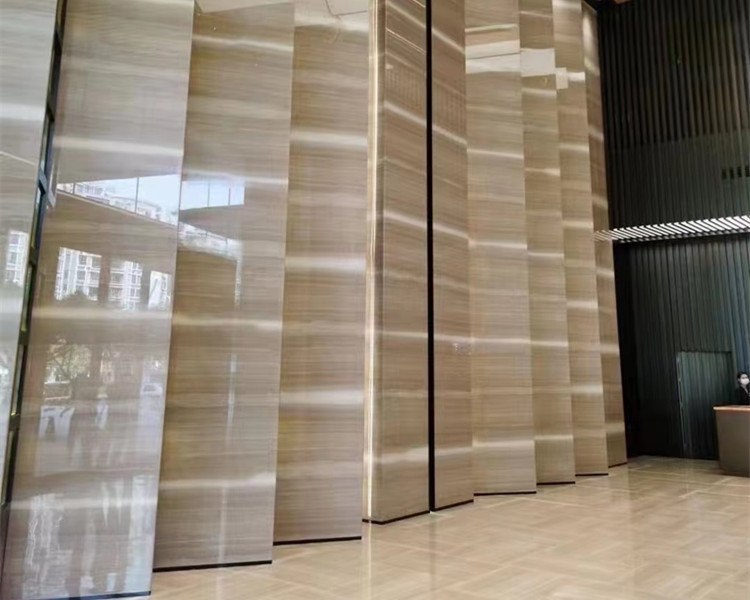
Large wall panels can emphasize the horizontal linear pattern in hotel lobbies, corridors, villas and premium commercial interiors.
Serpeggi Floor
Floor tiles and cut-to-size panels can create a directional architectural effect when the vein orientation is coordinated throughout the installation.
Serpeggi Stair
Stair treads, risers and landings can use the linear pattern to reinforce the direction of movement through the space.
Directional Vein and Wall Panel Planning
The most important visual feature of Linear Vein Marble is direction. On a large Serpeggi Wall Panel installation, the same slabs can produce very different results depending on whether the pattern is laid horizontally, vertically or across multiple connected panels.
For long corridors and horizontal wall elevations, consistent vein direction can visually extend the space. For tall wall applications, vertical orientation can create greater perceived height.
If the design needs visual height → Consider vertical orientation and approve panel positions before cutting.

Application Selection Guide
| Project Requirement | Choose | Selection Priority |
| Large wall installation | Serpeggi Wall Panel | Vein direction and panel continuity |
| Luxury bathroom | Serpeggi Vanity and wall panels | Compatible tone and finish |
| Long corridor floor | Serpeggi Floor tiles | Consistent directional layout |
| Staircase | Serpeggi Stair components | Tread orientation, edge profile and sequence |
| Soft contemporary interior | Honed Serpeggi | Lower reflection and restrained beige tone |
Surface Finishes and Fabrication
Polished Serpeggi
A polished finish increases color depth and reflection, making the beige field and linear mineral pattern more visually pronounced.
Honed Serpeggi
A honed finish creates a softer, lower-reflection surface and can suit contemporary wall, floor and bathroom applications.
Custom Fabrication
Processing can include edge profiles, miters, CNC openings, stair treads, risers, wall panels, vanity tops and other cut-to-size architectural components.
Key Procurement Risks
Because Serpeggiante has a strong linear pattern, incorrect orientation can make adjoining pieces appear disconnected and reduce the architectural effect.
A sample cannot represent the full spacing, density or continuity of the wood-like movement across an entire slab.
Differences in beige tone and vein density can become obvious across walls, stairs or floors if slabs are not selected as a coordinated group.
Incorrect dimensions, stair geometry, edge details or panel orientation can lead to replacement pieces and installation delays.
Common Purchasing Mistakes and Consequences
| Common Mistake | Possible Consequence | Recommended Control |
| No directional layout | Broken visual continuity | Approve vein orientation before cutting |
| Ordering by name only | Unexpected beige tone or pattern density | Approve actual slab photos or slabs |
| Incomplete drawings | Incorrect panels, stairs or cutouts | Confirm final CAD or shop drawings |
| Comparing Classico Slab Price only | Incomplete total project comparison | Compare material, fabrication, packing and logistics |
Custom Fabrication and Quality Control
Serpeggiante Classico Marble can be fabricated into countertops, vanity tops, wall panels, flooring, stair components, fireplace pieces and other custom architectural products according to approved CAD or shop drawings.
Before cutting, finished dimensions, edge profiles, stair geometry, seam locations and vein orientation should be confirmed. During production, QC should review dimensions, thickness, visible surface condition, edge quality, piece numbering and consistency with the approved cutting layout.
Material Inspection → Slab Selection → Drawing Approval → Vein Direction & Cutting Layout → Cutting → Fabrication → Surface & Edge Check → Dry-Lay Confirmation Where Required → Final QC → Packing Inspection
Packaging and Project Delivery
Finished Serpeggiante components should be packed according to their dimensions, geometry, weight and breakage risk. Long stair treads, wall panels, countertops with openings and narrow architectural pieces require additional support and protection.
Finished surfaces should be separated using suitable protective materials, while exposed corners, edges and profiles receive additional cushioning. Components can then be secured inside reinforced fumigated wooden crates with appropriate internal blocking and fixing.
Information Required for Quotation
For accurate B2B pricing, buyers should provide the main technical and commercial requirements so material quantity, fabrication complexity, packing and logistics can be evaluated together.
Wall / Floor / Stair / Countertop
Finished piece sizes
Pieces or total area
18mm / 20mm
Polished / Honed / Brushed
Horizontal / Vertical / Custom
CAD / PDF / Shop Drawings
Port or delivery address
Serpeggiante Classico Marble FAQ
1. What does Serpeggiante Classico Marble look like?
Serpeggiante Classico Marble typically has a warm beige to cream background with long horizontal or wave-like mineral lines that can resemble natural wood grain.
2. Is Serpeggiante Classico a natural Italian marble?
Yes. Serpeggiante Classico is a natural Italian marble, so variations in beige tone, line density and mineral movement are expected between slabs.
3. Why is vein direction important for Serpeggiante Marble?
Its strong linear pattern means that horizontal, vertical and lengthwise orientations can create very different architectural effects across walls, floors, stairs and countertops.
4. Can Serpeggiante Marble be used for flooring?
Yes. Serpeggi Floor tiles and cut-to-size pieces can be used for interior flooring where the finish, traffic level and maintenance requirements are appropriate.
5. Is Serpeggiante suitable for staircases?
Yes. Stair treads, risers and landings can be fabricated from Serpeggiante Marble, with vein direction, edge profiles and piece sequencing coordinated before production.
6. Can Serpeggiante Classico be used for countertops?
Yes. Serpeggi Counter applications are possible for selected kitchens, bars and vanity areas, with normal natural marble care requirements considered.
7. Is polished or honed Serpeggiante better?
Polished Serpeggi provides stronger depth and contrast, while Honed Serpeggi creates a softer, lower-reflection architectural appearance. The better option depends on the application.
8. What affects Serpeggiante Classico Marble price?
Price depends on slab selection, dimensions, thickness, finish, vein layout, quantity, fabrication complexity, packing requirements and logistics.
Final Note / Practical Takeaway
Serpeggiante Classico Marble is particularly suitable for projects that need a warm beige natural stone with controlled linear movement and strong architectural rhythm. It can work across walls, floors, stairs, countertops, bathrooms and fireplaces. For B2B procurement, slab selection, vein direction, fabrication drawings, dimensional accuracy, QC and export packaging should be evaluated together. If the project needs a calmer result → choose slabs with finer and more even lines. If the design requires stronger texture → choose slabs with more pronounced wood-like movement and approve the orientation before production.