FAQ per l’acquirente di piani cucina in quarzite: risposte alle domande pratiche
Post navigation
Riepilogo rapido
La quarzite naturale non è il quarzo ingegnerizzato; verificare l’identità del materiale e valutare le lastre effettive.
Le prestazioni dipendono dalla pietra, dalla finitura, dai dettagli, dalla lavorazione, dal supporto, dall’installazione, dalla strategia di sigillatura e dall’uso quotidiano.
Utilizzare campioni e immagini per la selezione, quindi documentare il lotto approvato, la disposizione, le tolleranze e il piano di manutenzione.
FAQ per l’acquirente di piani cucina in quarzite: domande pratiche risposte è una guida decisionale pratica per acquirenti internazionali, proprietari di casa, designer, fabbricanti e team di progetto. L’obiettivo è rispondere alle domande più comuni sull’acquisto senza sostituire l’ispezione specifica della lastra, i test, la revisione della lavorazione o la consulenza professionale di progetto. La pietra naturale è intrinsecamente variabile, pertanto i consigli riportati sottolineano l’effettivo materiale, le approvazioni documentate, la lavorazione qualificata e il giudizio specifico del progetto, piuttosto che promesse assolute.
Throughout this guide, “quartzite” means natural stone, not engineered quartz. Commercial names can vary between suppliers and markets. When geological identity, structural behavior, absorption, chemical response, or another performance characteristic is critical, define the requirement and arrange appropriate representative evaluation instead of relying on the trade name alone.
Gli acquirenti spesso si trovano ad affrontare nomi commerciali sovrapponibili. La quarzite naturale è una pietra estratta, mentre il quarzo ingegnerizzato è prodotto a partire da componenti minerali e leganti. Anche il marmo, la pietra dolomitica e altri materiali possono essere venduti con nomi di design familiari. Richiedere descrizioni coerenti e ricorrere ai test quando l’identità è fondamentale.
Per acquirenti internazionali, proprietari di casa, designer, fabbricanti e team di progetto, la domanda utile non è se sia generalmente consigliabile affrontare le questioni relative all’identità del materiale, ma quali prove rendano la scelta difendibile per questo ordine. Registrare l’assunzione, la persona responsabile della sua conferma, il formato dell’approvazione e lo stadio oltre il quale una modifica diventa costosa. In questo modo, una preferenza ampia si trasforma in una decisione di progetto controllata.
Nella fase di approvazione, porre quattro domande pratiche: cosa esattamente viene accettato, quali prove lo sostengono, chi è responsabile dell’azione successiva e come verrà gestita una deviazione? Per rispondere alle domande comuni sull’acquisto senza sostituire l’ispezione specifica della lastra, i test, la revisione della lavorazione o la consulenza professionale di progetto, queste domande creano un percorso ripetibile dalla selezione fino all’installazione. Inoltre, facilitano il confronto tra le proposte senza presupporre che nomi o fotografie simili rappresentino materiali e servizi identici.
Domande sull’aspetto e sulla selezione
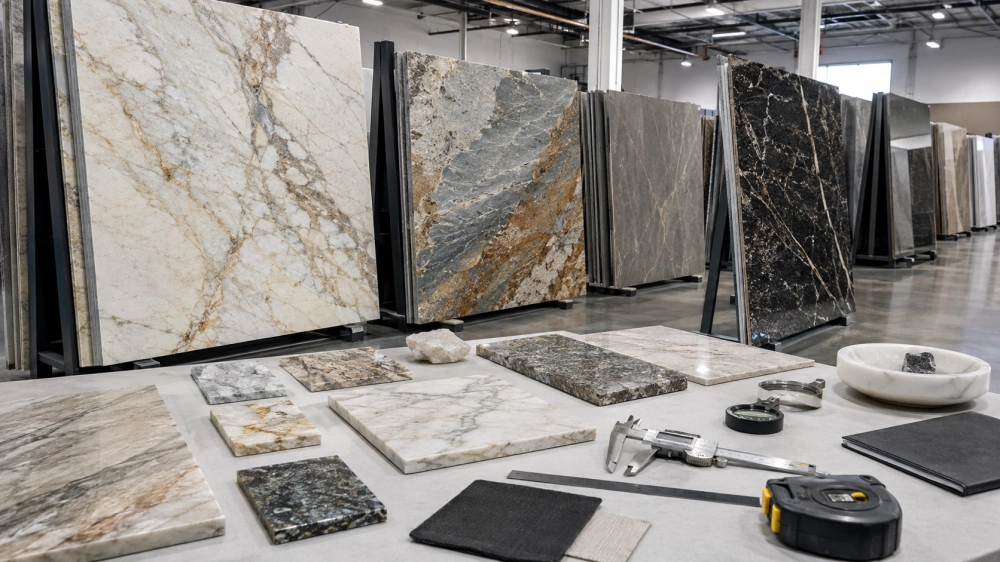
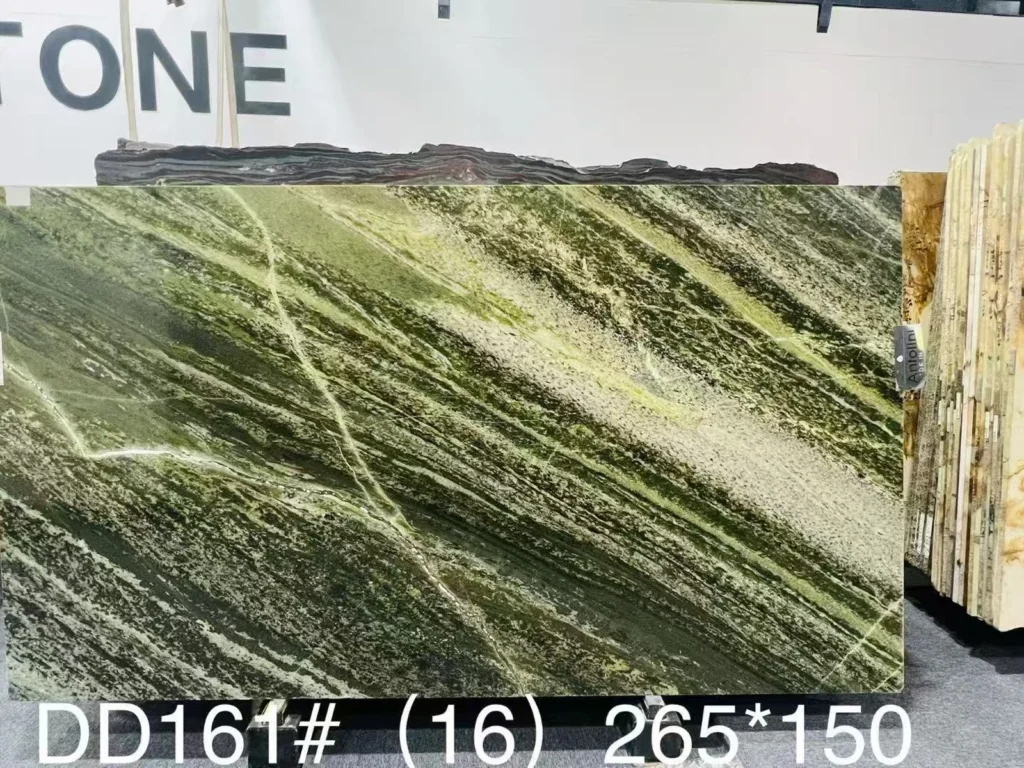
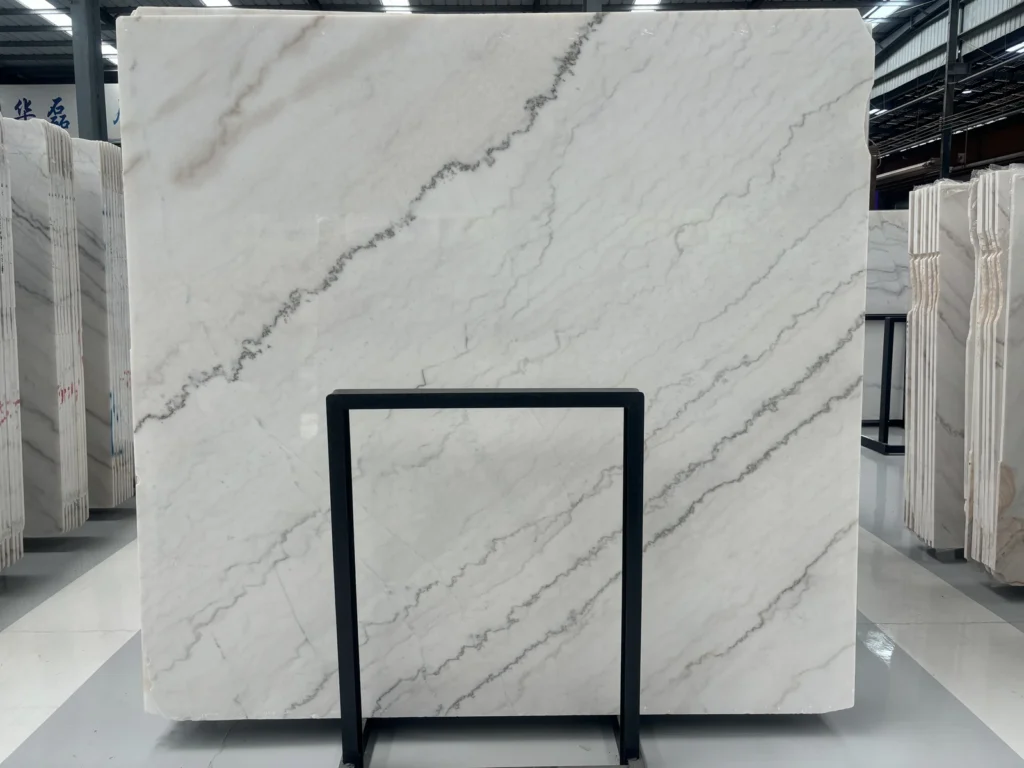
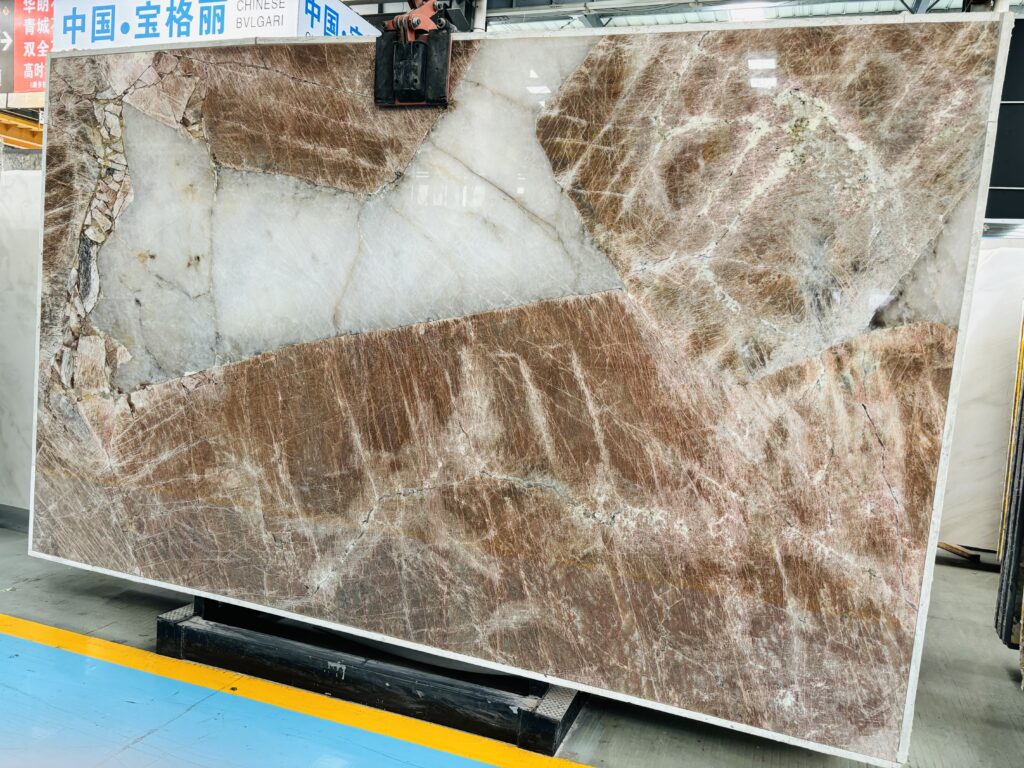
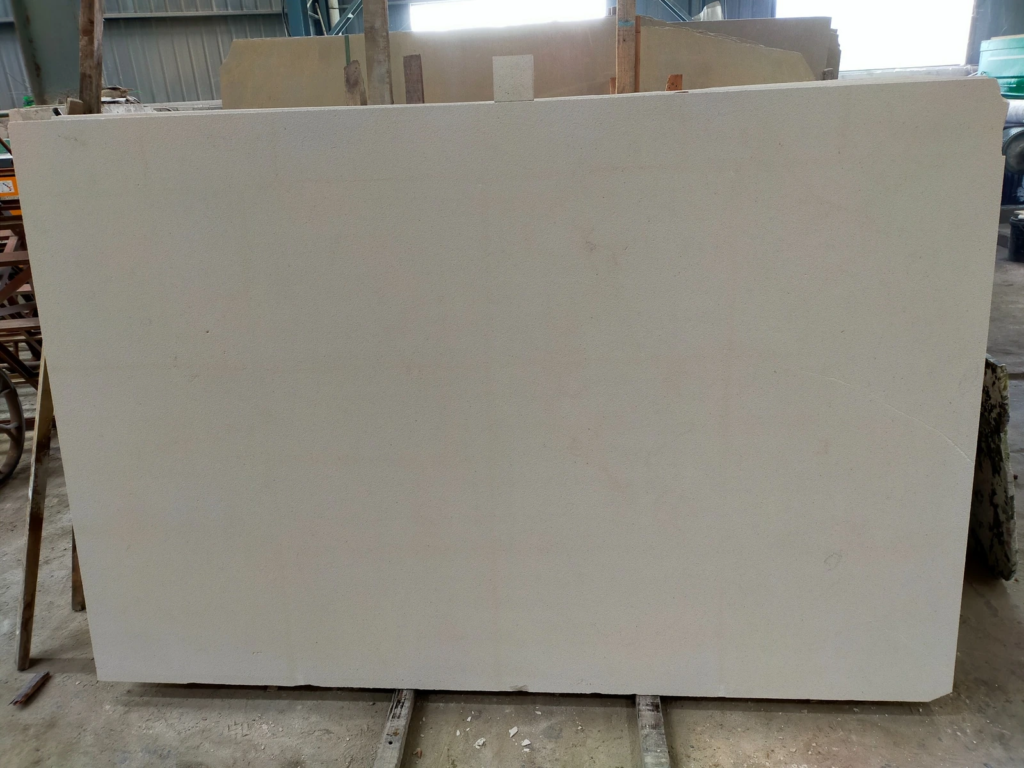
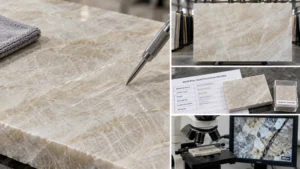
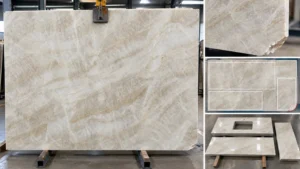
Colore, movimento delle venature, traslucenza, aree minerali, fessure e riparazioni possono variare da lastra a lastra. Un piccolo campione è utile, ma non può definire l’intero lotto. Immagini complete della lastra, identificatori, esempi di gamma e ispezione fisica garantiscono un’approvazione visiva più affidabile.
Apply this point to the actual natural quartzite kitchen countertops, not to an idealized sample. Compare full-scale appearance, measurements, drawings, and practical handling constraints. Where uncertainty remains, use a representative test, mock-up, fabricator review, or third-party inspection appropriate to the consequence of failure. Avoid inventing numerical acceptance limits unless the contract names a method and tolerance.
Nella fase di approvazione, porre quattro domande pratiche: cosa esattamente viene accettato, quali prove lo sostengono, chi è responsabile dell’azione successiva e come verrà gestita una deviazione? Per rispondere alle domande comuni sull’acquisto senza sostituire l’ispezione specifica della lastra, i test, la revisione della lavorazione o la consulenza professionale di progetto, queste domande creano un percorso ripetibile dalla selezione fino all’installazione. Inoltre, facilitano il confronto tra le proposte senza presupporre che nomi o fotografie simili rappresentino materiali e servizi identici.
La quarzite viene spesso scelta per superfici particolarmente sollecitate, ma un’etichetta di categoria non garantisce assorbimento, resistenza alle macchie, alla graffiatura o agli acidi identici per ogni pietra. Richiedere informazioni pertinenti e organizzare test rappresentativi quando i criteri di prestazione sono cruciali per il progetto.
I documenti commerciali dovrebbero supportare la decisione tecnica. Preventivi, approvazioni, disegni di officina, etichette dei pezzi, registri di imballaggio e avvisi di modifica richiedono una terminologia coerente. Se le questioni relative alle prestazioni cambiano dopo l’approvazione, documentare l’impatto su prezzo, resa, tempi, aspetto e responsabilità prima di proseguire i lavori.
Nella fase di approvazione, porre quattro domande pratiche: cosa esattamente viene accettato, quali prove lo sostengono, chi è responsabile dell’azione successiva e come verrà gestita una deviazione? Per rispondere alle domande comuni sull’acquisto senza sostituire l’ispezione specifica della lastra, i test, la revisione della lavorazione o la consulenza professionale di progetto, queste domande creano un percorso ripetibile dalla selezione fino all’installazione. Inoltre, facilitano il confronto tra le proposte senza presupporre che nomi o fotografie simili rappresentino materiali e servizi identici.
Domande sullo spessore e sui bordi
Lo spessore adeguato dipende dalla disposizione, dal supporto, dalle pratiche locali, dal design dei bordi, dagli intagli, dal trasporto e dall’installazione. Profili semplici possono risultare pratici, mentre bordi decorativi o rialzati richiedono una coordinazione aggiuntiva. Approvare campioni per profili e giunti visibili.
Visual communication matters because natural stone is variable and cameras, screens, lighting, and wet surfaces can distort perception. Use identifiers and scale references, show both overall views and relevant details, and keep original files. Evidence should help the team understand range and placement rather than create an unrealistic promise of perfect uniformity.
Nella fase di approvazione, porre quattro domande pratiche: cosa esattamente viene accettato, quali prove lo sostengono, chi è responsabile dell’azione successiva e come verrà gestita una deviazione? Per rispondere alle domande comuni sull’acquisto senza sostituire l’ispezione specifica della lastra, i test, la revisione della lavorazione o la consulenza professionale di progetto, queste domande creano un percorso ripetibile dalla selezione fino all’installazione. Inoltre, facilitano il confronto tra le proposte senza presupporre che nomi o fotografie simili rappresentino materiali e servizi identici.
Domande sulla lavorazione
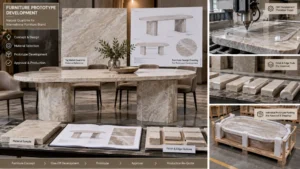
Un fabbricante qualificato dovrebbe ispezionare le lastre, pianificare i tagli, gestire le caratteristiche naturali, determinare gli strumenti da utilizzare e verificare rinforzi e supporti. La quarzite può essere impegnativa da tagliare e lucidare. Le dichiarazioni del fornitore non devono mai sostituire l’accettazione da parte del fabbricante del materiale e del design effettivi.
Il rischio dovrebbe essere attribuito alla parte in grado di controllarlo. Il fornitore della pietra può documentare il materiale selezionato; il fabbricante controlla i metodi di taglio e l’esecuzione in officina; l’installatore gestisce la posa in cantiere; i designer coordinano l’intento; e l’acquirente conferma l’accettazione commerciale. Interfacce chiare riducono le lacune in cui ciascuna parte presumeva che qualcun altro avesse verificato le questioni di lavorazione.
Nella fase di approvazione, porre quattro domande pratiche: cosa esattamente viene accettato, quali prove lo sostengono, chi è responsabile dell’azione successiva e come verrà gestita una deviazione? Per rispondere alle domande comuni sull’acquisto senza sostituire l’ispezione specifica della lastra, i test, la revisione della lavorazione o la consulenza professionale di progetto, queste domande creano un percorso ripetibile dalla selezione fino all’installazione. Inoltre, facilitano il confronto tra le proposte senza presupporre che nomi o fotografie simili rappresentino materiali e servizi identici.
I giunti sono influenzati dalle dimensioni della lastra, dall’accesso, dalla resistenza, dagli elettrodomestici, dalla geometria degli armadi, dal flusso del motivo e dalla capacità di installazione. Il loro aspetto varia in base all’illuminazione e all’angolo di visione. Concordare una mappa dei giunti e una tolleranza realistica per le giunture prima della produzione.
Per acquirenti internazionali, proprietari di casa, designer, fabbricanti e team di progetto, la domanda utile non è se sia generalmente consigliabile affrontare le questioni relative a giunti e motivi, ma quali prove rendano la scelta difendibile per questo ordine. Registrare l’assunzione, la persona responsabile della sua conferma, il formato dell’approvazione e lo stadio oltre il quale una modifica diventa costosa. In questo modo, una preferenza ampia si trasforma in una decisione di progetto controllata.
Nella fase di approvazione, porre quattro domande pratiche: cosa esattamente viene accettato, quali prove lo sostengono, chi è responsabile dell’azione successiva e come verrà gestita una deviazione? Per rispondere alle domande comuni sull’acquisto senza sostituire l’ispezione specifica della lastra, i test, la revisione della lavorazione o la consulenza professionale di progetto, queste domande creano un percorso ripetibile dalla selezione fino all’installazione. Inoltre, facilitano il confronto tra le proposte senza presupporre che nomi o fotografie simili rappresentino materiali e servizi identici.
Domande su lavelli, piani cottura e rubinetti
Gli intagli riducono il materiale circostante e creano guide strette. Angoli interni arrotondati, rinforzi adeguati, lavelli supportati e una posa accurata dei fori possono ridurre i rischi evitabili. Tutti i dati relativi a elettrodomestici e sanitari dovrebbero essere definitivi prima del taglio.
Apply this point to the actual natural quartzite kitchen countertops, not to an idealized sample. Compare full-scale appearance, measurements, drawings, and practical handling constraints. Where uncertainty remains, use a representative test, mock-up, fabricator review, or third-party inspection appropriate to the consequence of failure. Avoid inventing numerical acceptance limits unless the contract names a method and tolerance.
Nella fase di approvazione, porre quattro domande pratiche: cosa esattamente viene accettato, quali prove lo sostengono, chi è responsabile dell’azione successiva e come verrà gestita una deviazione? Per rispondere alle domande comuni sull’acquisto senza sostituire l’ispezione specifica della lastra, i test, la revisione della lavorazione o la consulenza professionale di progetto, queste domande creano un percorso ripetibile dalla selezione fino all’installazione. Inoltre, facilitano il confronto tra le proposte senza presupporre che nomi o fotografie simili rappresentino materiali e servizi identici.
Domande su pulizia e sigillatura
Un sigillante, quando opportuno, può ridurre l’assorbimento, ma non rende la pietra impermeabile alle macchie, al calore, ai graffi né esente da manutenzione. Utilizzare prodotti compatibili con la pietra e la finitura specifiche. Pulire tempestivamente eventuali fuoriuscite con un detergente neutro adatto e seguire le indicazioni professionali.
I documenti commerciali dovrebbero supportare la decisione tecnica. Preventivi, approvazioni, disegni di officina, etichette dei pezzi, registri di imballaggio e avvisi di modifica richiedono una terminologia coerente. Se le questioni relative a pulizia e sigillatura cambiano dopo l’approvazione, documentare l’impatto su prezzo, resa, tempi, aspetto e responsabilità prima di proseguire i lavori.
Nella fase di approvazione, porre quattro domande pratiche: cosa esattamente viene accettato, quali prove lo sostengono, chi è responsabile dell’azione successiva e come verrà gestita una deviazione? Per rispondere alle domande comuni sull’acquisto senza sostituire l’ispezione specifica della lastra, i test, la revisione della lavorazione o la consulenza professionale di progetto, queste domande creano un percorso ripetibile dalla selezione fino all’installazione. Inoltre, facilitano il confronto tra le proposte senza presupporre che nomi o fotografie simili rappresentino materiali e servizi identici.
Domande su calore, impatti e uso quotidiano
La quarzite naturale può sopportare bene l’uso quotidiano in cucina, tuttavia i repentini sbalzi termici, gli urti violenti, i detriti abrasivi e i carichi concentrati possono danneggiare la pietra, le giunture o le zone trattate con resina. Sottopentole, taglieri e una manipolazione attenta sono misure preventive poco costose.
Visual communication matters because natural stone is variable and cameras, screens, lighting, and wet surfaces can distort perception. Use identifiers and scale references, show both overall views and relevant details, and keep original files. Evidence should help the team understand range and placement rather than create an unrealistic promise of perfect uniformity.
Nella fase di approvazione, porre quattro domande pratiche: cosa esattamente viene accettato, quali prove lo sostengono, chi è responsabile dell’azione successiva e come verrà gestita una deviazione? Per rispondere alle domande comuni sull’acquisto senza sostituire l’ispezione specifica della lastra, i test, la revisione della lavorazione o la consulenza professionale di progetto, queste domande creano un percorso ripetibile dalla selezione fino all’installazione. Inoltre, facilitano il confronto tra le proposte senza presupporre che nomi o fotografie simili rappresentino materiali e servizi identici.
Domande su ordine e quantità
I calcoli relativi all’ordine dovrebbero tenere conto della superficie netta, della disposizione della lavorazione, dell’abbinamento delle venature, dei difetti o delle esclusioni, del rischio di rotture e delle future esigenze di sostituzione. Un semplice margine percentuale può risultare fuorviante per lastre altamente direzionali; il piano di taglio effettivo rappresenta una base più adeguata.
Il rischio va attribuito alla parte in grado di controllarlo. Il fornitore della pietra può documentare il materiale selezionato; il fabbricante gestisce i metodi di taglio e l’esecuzione in officina; l’installatore controlla la posa in cantiere; i progettisti coordinano le intenzioni; e l’acquirente conferma l’accettazione commerciale. Interfacce chiare riducono le lacune dovute all’assunzione da parte di ciascuno che qualcun altro avesse verificato le questioni relative a ordine e quantità.
Nella fase di approvazione, porre quattro domande pratiche: cosa esattamente viene accettato, quali prove lo sostengono, chi è responsabile dell’azione successiva e come verrà gestita una deviazione? Per rispondere alle domande comuni sull’acquisto senza sostituire l’ispezione specifica della lastra, i test, la revisione della lavorazione o la consulenza professionale di progetto, queste domande creano un percorso ripetibile dalla selezione fino all’installazione. Inoltre, facilitano il confronto tra le proposte senza presupporre che nomi o fotografie simili rappresentino materiali e servizi identici.
Domande su spedizione e ricevimento
L’imballaggio deve essere adeguato al formato della lastra, al percorso di trasporto e alle attrezzature di movimentazione. Etichette e fotografie dell’imballaggio garantiscono la tracciabilità. All’arrivo, verificare lo stato esterno prima dello scarico e conservare le prove nel caso in cui si riscontrino spostamenti o danni.
Per acquirenti internazionali, proprietari di abitazioni, progettisti, fabbricanti e team di progetto, la domanda utile non è se sia generalmente consigliabile affrontare le questioni di spedizione e ricevimento, ma quali prove rendono difendibile la scelta per questo ordine. Documentare l’assunzione, la persona responsabile della sua conferma, il formato dell’approvazione e la fase oltre la quale una modifica diventa onerosa. In questo modo, una preferenza generale si trasforma in una decisione di progetto controllata.
Nella fase di approvazione, porre quattro domande pratiche: cosa esattamente viene accettato, quali prove lo sostengono, chi è responsabile dell’azione successiva e come verrà gestita una deviazione? Per rispondere alle domande comuni sull’acquisto senza sostituire l’ispezione specifica della lastra, i test, la revisione della lavorazione o la consulenza professionale di progetto, queste domande creano un percorso ripetibile dalla selezione fino all’installazione. Inoltre, facilitano il confronto tra le proposte senza presupporre che nomi o fotografie simili rappresentino materiali e servizi identici.
Domande su garanzia e responsabilità
Le responsabilità vanno ripartite chiaramente tra fornitore, acquirente, fabbricante, installatore, fornitore di mobili e parte addetta alla manutenzione. Approvazioni scritte, esclusioni, fasi di ispezione e controllo delle modifiche sono più importanti di promesse generiche impossibili da misurare.
Apply this point to the actual natural quartzite kitchen countertops, not to an idealized sample. Compare full-scale appearance, measurements, drawings, and practical handling constraints. Where uncertainty remains, use a representative test, mock-up, fabricator review, or third-party inspection appropriate to the consequence of failure. Avoid inventing numerical acceptance limits unless the contract names a method and tolerance.
Nella fase di approvazione, porre quattro domande pratiche: cosa esattamente viene accettato, quali prove lo sostengono, chi è responsabile dell’azione successiva e come verrà gestita una deviazione? Per rispondere alle domande comuni sull’acquisto senza sostituire l’ispezione specifica della lastra, i test, la revisione della lavorazione o la consulenza professionale di progetto, queste domande creano un percorso ripetibile dalla selezione fino all’installazione. Inoltre, facilitano il confronto tra le proposte senza presupporre che nomi o fotografie simili rappresentino materiali e servizi identici.
Documenti coerenti, revisione delle lastre, test se critico
Non dedurre la geologia solo dal nome commerciale
Corrisponderà al campione?
Approvare un intervallo visivo e le lastre effettive
I campioni non mostrano il movimento completo
È adatta a questa disposizione?
Revisione del fabbricante e del supporto
Concentrarsi su ritagli, campate, giunture e accessi
Come va mantenuta?
Piano di cura specifico per la pietra e la finitura
Un sigillante non è una garanzia universale
Recommended Approval Workflow
Define the application. Record drawings, dimensions, intended use, finish, visible faces, interfaces, and performance concerns.
Identify the material. Connect commercial name, supplier, lot, slab identifiers, thickness, finish, quantity, and current visual evidence.
Review the actual slabs. Check overall range and details relevant to yield, pattern, fabrication, and the agreed natural-stone character.
Coordinate fabrication. Have the qualified fabricator review layout, seams, cutouts, edges, supports, handling, access, and installation sequence.
Approve measurable items. State inspection method, tolerances where needed, records, change process, and who can release production.
Protect logistics and installation. Confirm labels, packing, route, receiving inspection, storage, site readiness, and handover care.
This workflow is deliberately evidence-based. It does not eliminate natural variation or every project risk, but it exposes assumptions early, when the team still has options. The most valuable approval is one that another person can understand later without reconstructing informal conversations.
Domande frequenti
Is natural quartzite the same as engineered quartz?
No. Natural quartzite is quarried stone, whereas engineered quartz is a manufactured product containing mineral material and binders. Their appearance, fabrication considerations, heat response, documents, and care guidance should not be treated as interchangeable.
Does quartzite need sealing?
Alcune quarziti e finiture possono beneficiare di un sigillante impregnante appropriato, ma le esigenze variano. Testare un’area rappresentativa, seguire le indicazioni del prodotto e del professionista della pietra, e ricordare che la sigillatura riduce l’assorbimento, senza rendere la superficie completamente resistente alle macchie.
Can quartzite be scratched or chipped?
Yes. No countertop is immune to damage. Mineral variation, exposed edges, impact, abrasive debris, fabrication details, and use conditions affect risk. Use cutting boards, protect corners, and have damaged areas assessed by a qualified stone professional.
How do I approve veining before fabrication?
Utilizzare fotografie delle lastre tracciabili oppure un layout digitale che riporti i modelli sulle lastre reali. Verificare l’orientamento, le transizioni tra le giunture, le aree focali, gli intagli e le caratteristiche naturali accettabili, quindi salvare il layout approvato insieme ai disegni di cantiere.
Qual è il passaggio più importante da eseguire prima dell'ordine?
Redigere una specifica scritta che colleghi il lotto esatto del materiale alle finiture, alle dimensioni, al range visivo, all’intento di fabbricazione, ai controlli, all’imballaggio, ai documenti e alle responsabilità di accettazione. In questo modo, le supposizioni si trasformano in decisioni verificabili da tutto il team.
Nota finale
Every natural quartzite or marble project should be assessed using the actual stone, finish, drawings, and local fabrication and installation conditions. This article is general purchasing and specification guidance, not a substitute for geological, engineering, legal, customs, or site-specific professional advice.
For slab selection, project discussion, and export coordination, contact Josh at XIAMEN HRST STONE CO., LTD. Share the application, approximate sizes, finish, quantity, destination, and desired visual direction so the conversation can begin with a clear brief.
Hi, I am the author of this article. I have been working in the field of Natural Stone for more than 15 years. If you need customized Natural Stone services, please feel free to contact me.
Cina Marmo, granito, quarzite, produttore e fornitore di agata - PIETRA HRST
Benvenuti su HRST STONE!
Salve, vorrei saperne di più sui vostri prodotti. Potreste fornirmi informazioni su prezzi, quantità minima d’ordine, opzioni di personalizzazione e campioni?