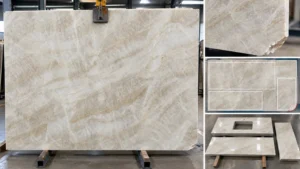
Quarzite verde Amazon vs quarzite smeraldo per cucine e arredi di design: quale scegliere?
Post navigation
Riepilogo rapido
Per le cucine e i mobili di design, iniziare dalla selezione delle lastre e dall’applicazione finale, quindi confermare la scelta visiva, le variazioni delle lastre, la lavorazione e l’approvazione del progetto. Richiedere un layout proposto prima del taglio, approvare le facce visibili e l’orientamento, e registrare i dettagli che influenzano il risultato finale. La quarzite naturale non è quarzo ingegnerizzato: il suo aspetto e il comportamento durante la lavorazione vanno valutati sulla base delle specifiche lastre riservate al progetto.
La quarzite Amazon Green rispetto alla quarzite smeraldo per cucine e mobili di design è una decisione di specifica, non una competizione tra due marchi. I nomi commerciali possono essere utilizzati in modo diverso nei vari mercati, e le lastre naturali variano da carico a carico. Importatori, fabbricanti, designer e team di progetto dovrebbero pertanto confrontare le lastre effettivamente offerte, il loro layout previsto, le esigenze di lavorazione e il verbale di approvazione concordato. Questa guida offre un metodo pratico per effettuare tale confronto, mantenendo distinta la quarzite naturale dal quarzo ingegnerizzato.
Perché la quarzite Amazon Green rispetto alla quarzite smeraldo per cucine e mobili di design richiede un approccio basato sul progetto
Per gli acquisti internazionali, il flusso di lavoro più sicuro consiste nel collegare le decisioni progettuali a una verifica concreta dei materiali e a un capitolato esecutivo di lavorazione. La quarzite Amazon Green e la quarzite Smeraldo possono essere scelte per il loro carattere naturale, ma il risultato finale dipende in egual misura dalla sequenza delle lastre, dalle proporzioni, dalla finitura, dai dettagli, dalla logistica e dal coordinamento dell’installazione. Un processo orientato all’acquirente rende evidenti queste interdipendenze fin dalle prime fasi, quando le modifiche sono ancora gestibili.
Quadro decisionale per cucine e arredi di grande impatto
Punto di decisione
Quarzite verde amazzonica
Quarzite Smeraldo
Buyer action
Indirizzo visivo
Esaminare le lastre reali per tonalità e movimento
Esaminare le lastre reali per tonalità e movimento
Approvare il set di lastre attuale, non solo un nome
Layout
Confermare l’orientamento e le facce visibili
Confermare l’orientamento e le facce visibili
Richiedere un layout in scala prima del taglio
Fabrication
Valutare geometria, ritagli e bordi
Valutare geometria, ritagli e bordi
Condividere i disegni e le ipotesi di supporto
Ambito commerciale
Confrontare il materiale riservato e la resa
Confrontare il materiale riservato e la resa
Utilizzare voci di preventivo comparabili
Iniziare dall’applicazione prevista
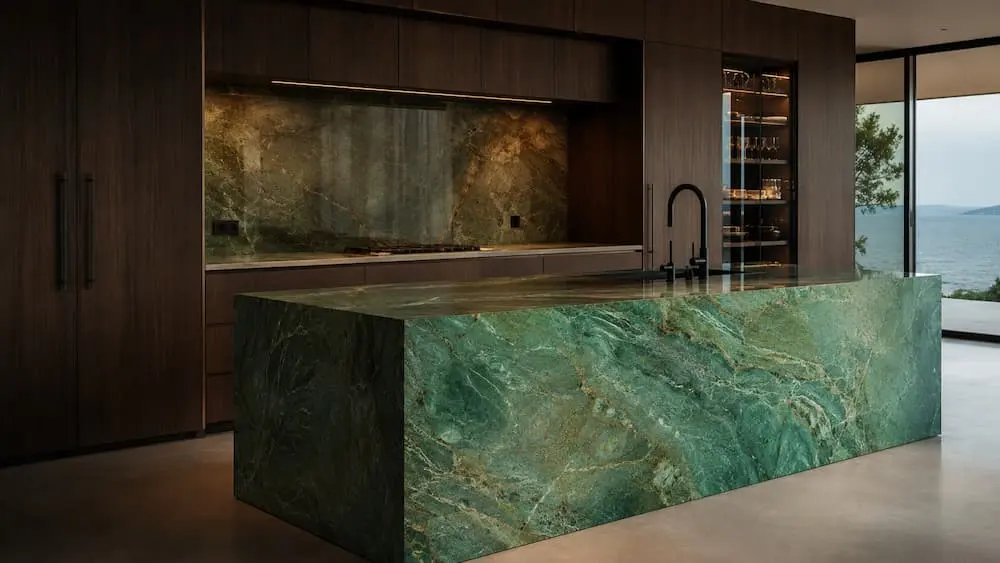
La quarzite Amazon Green e la quarzite Smeraldo possono comportarsi in modo molto diverso a seconda che siano impiegate come piano di lavoro orizzontale, elemento verticale, componente d’arredo o elemento decorativo legato alla luce. Il primo brief dovrebbe definire l’uso finale, le dimensioni dei pannelli o dei piani di lavoro, la strategia di giunzione, i bordi visibili, i ritagli, i supporti e le modalità di accesso per l’installazione. Tale brief evita che una lastra esteticamente attraente venga approvata senza conoscere i requisiti pratici; inoltre facilita il confronto tra i preventivi, poiché ogni parte calcola lo stesso ambito di lavoro anziché uno scope presunto.
Esaminare le lastre prima di formulare promesse progettuali
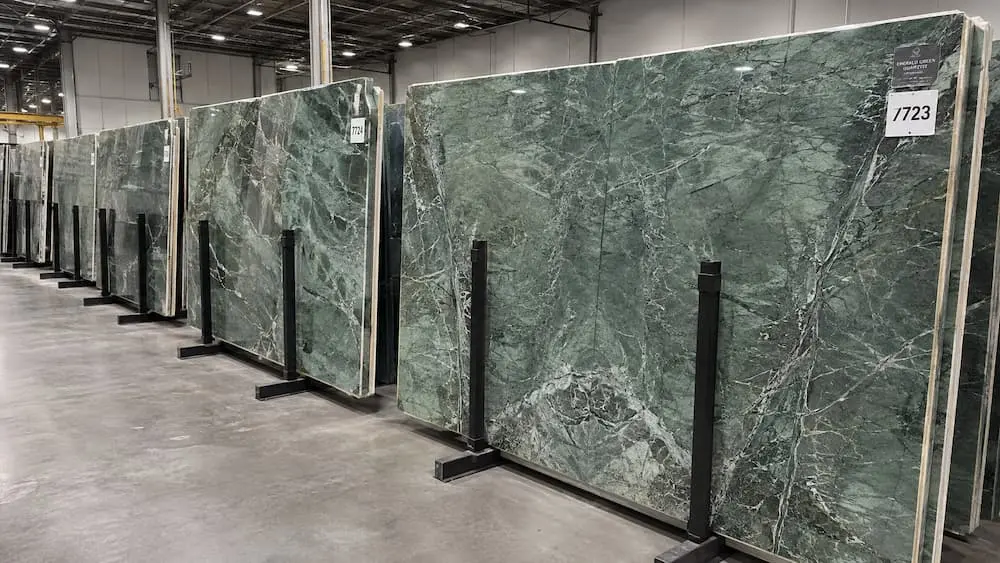
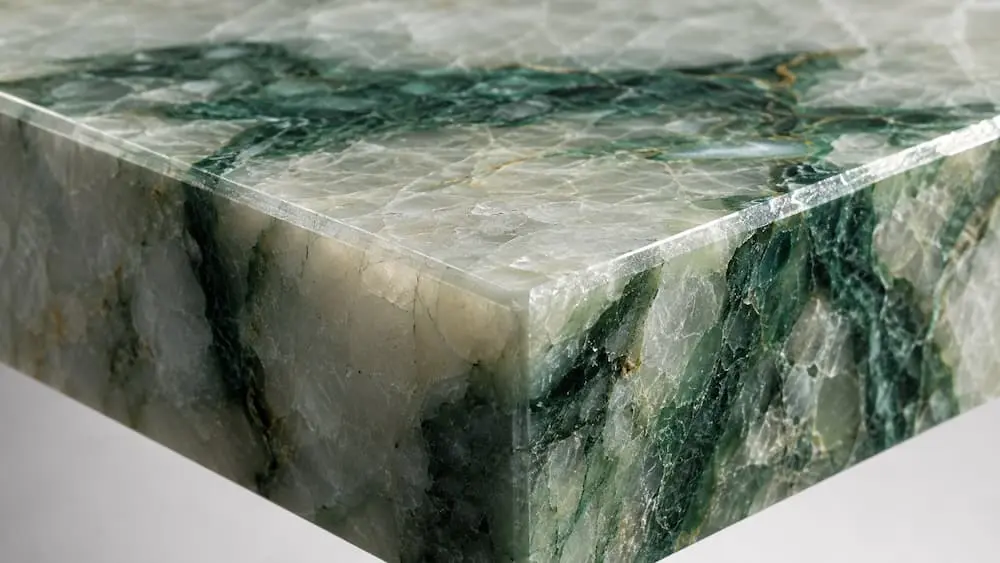
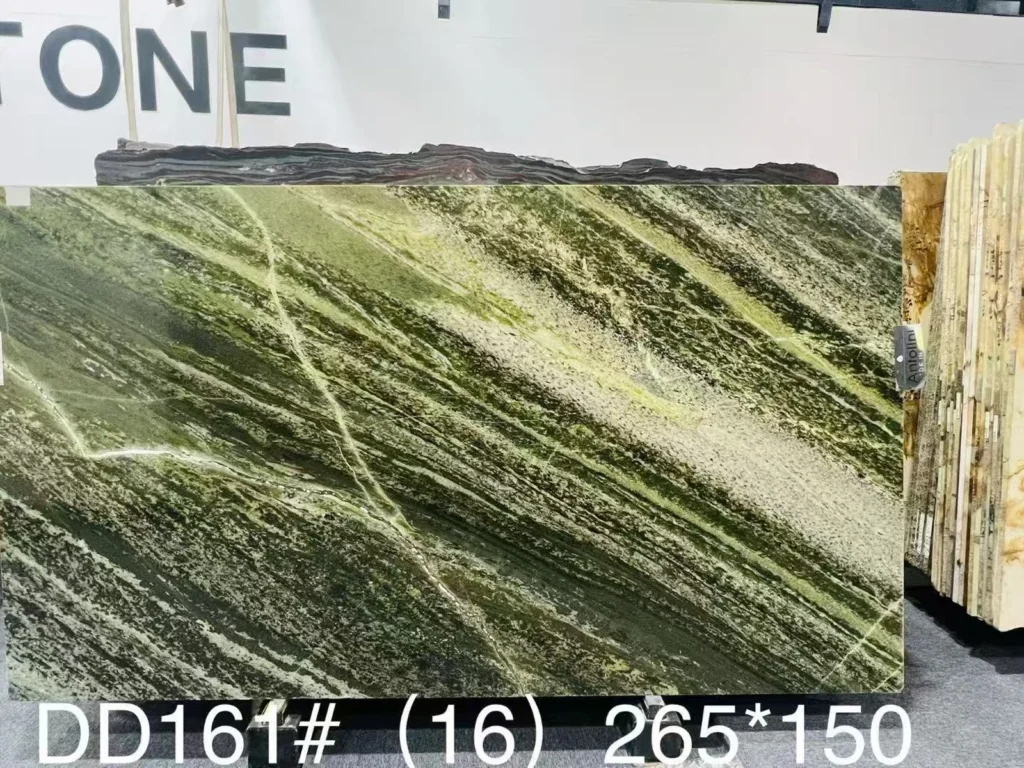
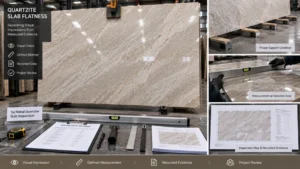
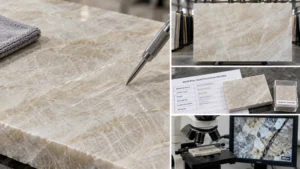
La variazione naturale fa parte del valore del quarzite naturale, ma va gestita. Esaminare le fotografie o i video attuali delle lastre proposte, preferibilmente in sequenza ordinata. Osservare il tono complessivo, i movimenti, le caratteristiche simili a fessure, il trattamento con resina laddove visibile, e la relazione tra le lastre adiacenti. Verificare quali facce si intendono rendere visibili, se si desidera un layout accoppiato o direzionale, e dove possono essere accettate le variazioni naturali del motivo. Una convenzione di denominazione da sola non sostituisce l’approvazione della lastra.
Trasformare il concept in una specifica misurabile
Una specifica utilizzabile indica nome del materiale, finitura, spessore nominale, dimensioni finite, profilo dei bordi, ritagli, giunti, tolleranze pertinenti, ipotesi di supporto o rinforzo, aspettative di imballaggio e destinazione. Dovrebbe inoltre indicare chi approva il layout delle lastre e i disegni di officina. Evitare di usare l’indicazione dello spessore come garanzia di prestazione: le dimensioni del pannello, il design dei supporti, la geometria, le aperture, la manipolazione e la lastra stessa sono tutti fattori determinanti. L’ingegneria di progetto deve essere esaminata da soggetti adeguatamente qualificati nei casi in cui siano coinvolte problematiche strutturali o di facciata.
Coordinare la fabbricazione prima della produzione
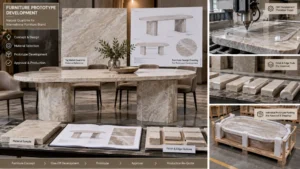
La pianificazione della fabbricazione è il momento in cui l’intento progettuale incontra la lastra effettiva. Il fabbricante ha bisogno di dimensioni precise, modelli o disegni, informazioni su lavelli e apparecchiature dove pertinenti, direzione della venatura, rifiniture dei bordi e posizione di giunti o saldature. Chiedere di esaminare una proposta di taglio o di layout prima dell’inizio del taglio. Ciò riduce sorprese evitabili riguardo alla resa, alla continuità delle venature, ai dettagli degli angoli e alla quantità di materiale necessaria per i ritorni. Inoltre, fornisce all’acquirente un punto ben definito in cui le scelte vengono confermate anziché date per scontate.
Punti di approvazione che riducono i rilavorazioni evitabili
Finitura, numerazione dei pezzi, quantità, protezione
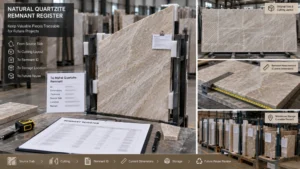
Registro di ricezione chiaro
Controllo qualità della costruzione intorno alle approvazioni
Il controllo qualità è più efficace quando segue i documenti approvati dall’acquirente. Prima dell’imballaggio, confrontare i pezzi finiti con il materiale approvato, il disegno, l’orientamento, le dimensioni, la finitura, i dettagli dei bordi e la numerazione dei pannelli. Fotografie e video possono supportare la revisione remota, ma vanno organizzati secondo una checklist anziché inviati come file senza etichetta. Annotare per iscritto eventuali variazioni naturali accettate o approcci concordati per le riparazioni. In questo modo si crea una traccia pratica di consegna per l’importatore, il team di cantiere e l’installatore.
Pianificare trasporto e gestione in cantiere
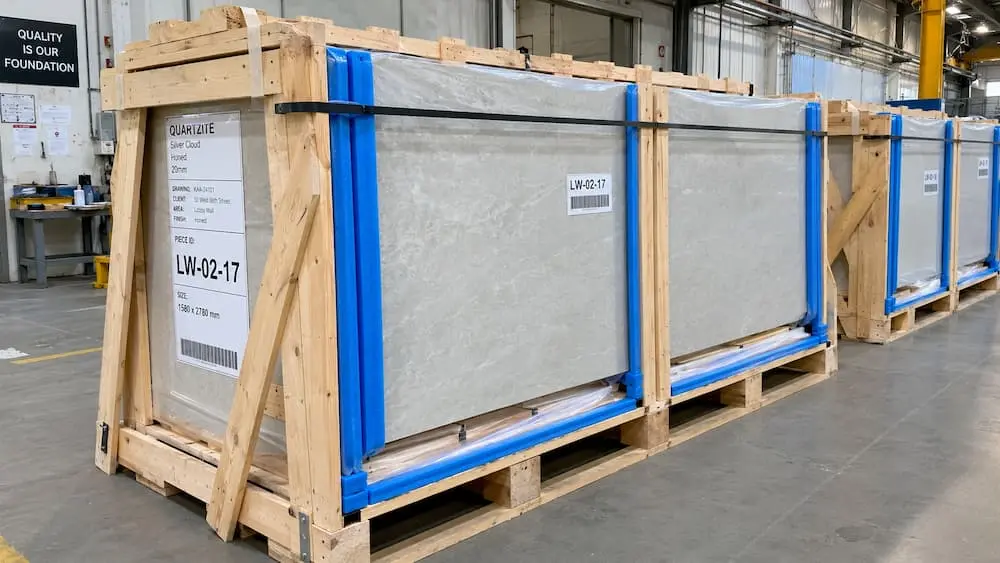
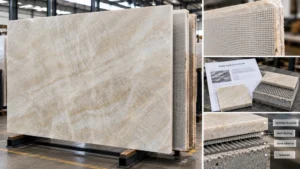
La pietra naturale dovrebbe essere imballata, maneggiata e conservata nella forma in cui viene fornita. L’acquirente dovrebbe comunicare tempestivamente destinazione, metodo di scarico, vincoli di stoccaggio, via d’accesso e sequenza di installazione. Pannelli, pezzi con ritagli, lunghe restituzioni e componenti d’arredo possono richiedere considerazioni operative diverse. Non trattare l’imballaggio per l’esportazione come un pensiero successivo: la lista di imballaggio, le etichette, i numeri dei pannelli e la sequenza in cantiere dovrebbero aiutare il team di ricezione a identificare e proteggere i pezzi senza ulteriori manipolazioni.
Confrontare le offerte in base all’ambito, non ai titoli
Un numero di capitolato più basso può escludere la prenotazione delle lastre, i lavori di posa, la resa aggiuntiva, la lavorazione, il rinforzo, l’imballaggio, la documentazione o le interfacce relative all’installazione. Richiedi un preventivo dettagliato che renda evidenti le basi materiali e le ipotesi di fabbricazione. Quando vengono proposte alternative, confronta le stesse dimensioni, finitura, estensione dei bordi, ritagli, aspettative di posa e modalità di consegna. HRST STONE può aiutarti a organizzare le informazioni richieste, ma l’acquirente dovrebbe ottenere conferme commerciali e tecniche specifiche per il progetto prima di effettuare l’ordine.
Dettagli pratici per il coordinamento degli acquirenti internazionali
Quando un team di progetto opera su scala internazionale, è fondamentale che la comunicazione relativa ai materiali sia facilmente trasferibile dal progettista al fabbricante e infine al team addetto alla ricezione. Utilizza un unico set di disegni controllato tramite revisione e attribuisci a ogni lastra e pezzo finito un riferimento inequivocabile. La sequenza riportata sui disegni deve corrispondere alle fotografie, alle discussioni di produzione, alla documentazione di imballaggio e agli appunti sull’installazione in cantiere. Questa semplice disciplina risulta particolarmente utile quando sono coinvolte molteplici stanze, unità ripetitive o diversi lotti di spedizione, poiché aiuta tutti a identificare ciò che è stato approvato e ciò che necessita ancora di una decisione.
Per cucine e mobili di design, considerare la relazione tra la pietra e i materiali adiacenti prima di accettare il layout definitivo. Linee dei pensili, profili metallici, rialzi delle pareti, nicchie per l’illuminazione, aperture per gli elettrodomestici e posizioni delle giunzioni possono modificare sia la composizione visibile sia la sequenza di lavorazione. I disegni dovrebbero rappresentare tali interfaccie in una scala utile per il team responsabile. Se le dimensioni sono ancora in fase di definizione, indicarlo chiaramente ed evitare di concedere l’approvazione definitiva del taglio finché le misure di controllo non siano state confermate. Una pausa attenta in questa fase è solitamente meno invasiva di una modifica successiva al taglio.
Infine, mantieni diretta e completa la linea di comunicazione. HRST STONE / XIAMEN HRST STONE CO., LTD. può esaminare il brief materiale dell’acquirente e contribuire a organizzare le informazioni relative alla pietra, mentre le responsabilità progettuali, installative e tecniche specifiche al progetto restano affidate ai soggetti qualificati competenti. Fornire sin dall’inizio il nome del materiale, le dimensioni, le quantità, i disegni, la finitura superficiale e la destinazione della consegna offre a Josh una base pratica per la conversazione. Inoltre, consente di evitare raccomandazioni generiche che non riflettono l’effettivo ambito d’acquisto. Se sono disponibili immagini di riferimento, una data target di installazione, vincoli di imballaggio o un processo di approvazione preferito, includili affinché la discussione possa partire nel contesto progettuale pertinente.
Un canale di approvazione chiaro favorisce anche una migliore pianificazione. Individua chi esaminerà le immagini delle lastre, chi potrà approvare i layout e come verranno consolidate le osservazioni. In questo modo si evitano feedback contrastanti e ogni parte riceve un’unica istruzione aggiornata da seguire.
Domande che gli acquirenti dovrebbero chiarire prima della release
Prima di confermare un ordine, assicurati che il materiale, la selezione delle lastre, il layout, le dimensioni finite, la finitura, i bordi, i ritagli, il piano di imballaggio e la destinazione della consegna siano chiari. Qualora l’installazione preveda fissaggi specializzati, illuminazione o interfacce strutturali, coordina le attività con i professionisti qualificati competenti per il progetto. Il ruolo del fornitore è fornire l’ambito concordato relativo alla pietra; le responsabilità di progettazione e installazione del progetto devono essere definite dal team contrattuale dell’acquirente.
FAQ
1. Come dovrebbero scegliere gli acquirenti la quarzite Amazon Green e la quarzite Smeraldo?
Gli acquirenti dovrebbero esaminare le lastre effettivamente offerte, l’applicazione prevista e il layout proposto. Prima di avviare la produzione, verificare le facce visibili, l’orientamento, la finitura, le dimensioni e le variazioni naturali accettate.
2. Un nome commerciale di pietra può garantire colore o motivo?
No. I nomi commerciali sono utili riferimenti, ma la quarzite naturale varia da lastra a lastra. L’approvazione dovrebbe basarsi sull’attuale campionario di materiali e sulla disposizione documentata, non esclusivamente sul nome.
3. Quali informazioni devono essere fornite per un preventivo?
Fornire il nome del materiale, le dimensioni, le quantità, i disegni o i modelli, la finitura, i dettagli dei bordi, gli intagli, l’applicazione prevista, le esigenze di imballaggio e la destinazione della consegna, affinché il capitolato d’oneri possa essere verificato con precisione.
4. Il quarzite naturale è uguale al quarzo ingegnerizzato?
No. La quarzite naturale è un prodotto in pietra naturale, mentre il quarzo ingegnerizzato è un materiale composito fabbricato. Dovrebbero essere specificati e valutati come categorie di materiali distinti.
5. Cosa dovrebbe essere approvato prima dell’inizio della lavorazione?
Approvare il set di lastre, il layout o il disegno di officina, le finiture, le dimensioni, i dettagli relativi ai bordi e agli intagli, la numerazione dei pezzi, nonché qualsiasi variazione naturale concordata o approccio di riparazione, prima dell’inizio della fabbricazione.
Nota finale
Un ordine riuscito di quarzite Amazon Green e quarzite Smeraldo inizia con le informazioni corrette. Contattate Josh presso HRST STONE / XIAMEN HRST STONE CO., LTD. fornendo il nome del materiale, le dimensioni, le quantità, i disegni, la finitura e la destinazione della consegna. Possiamo aiutarvi a organizzare la revisione delle lastre e le informazioni necessarie per una discussione progettuale chiara.
Hi, I am the author of this article. I have been working in the field of Natural Stone for more than 15 years. If you need customized Natural Stone services, please feel free to contact me.
Cina Marmo, granito, quarzite, produttore e fornitore di agata - PIETRA HRST
Benvenuti su HRST STONE!
Salve, vorrei saperne di più sui vostri prodotti. Potreste fornirmi informazioni su prezzi, quantità minima d’ordine, opzioni di personalizzazione e campioni?