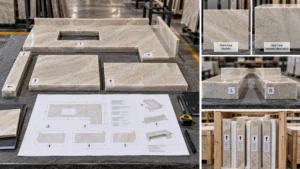
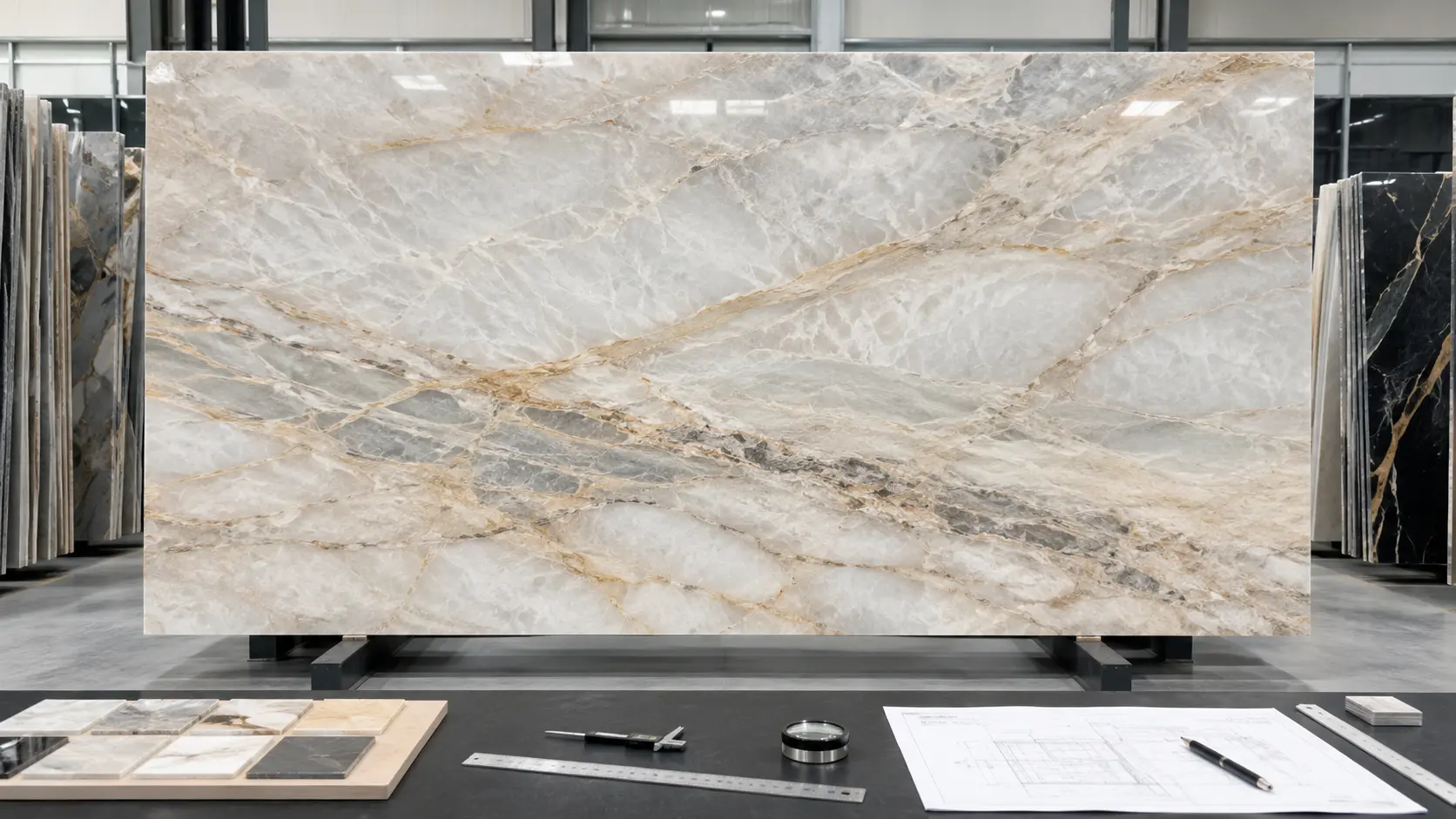
دليل فحص ألواح الكوارتزيت: كيفية مراجعة واعتماد وإعداد الكوارتزيت الطبيعي للمشاريع
يُعدّ الكوارتزيت الطبيعي من أكثر الأحجار الطبيعية قيمة في المشاريع السكنية الفاخرة والضيافة والتجارية، نظرًا لصلابته الاستثنائية وعمقه وبنائه البلوري وأنماطه الجيولوجية الفريدة.
ومع ذلك، وعلى عكس المواد المصنّعة، فإن كل لوح كوارتزيت يتمتع بطابعه الخاص. إذ قد تختلف حركة اللون واتجاه العروق وتركيز المعادن ومناطق البلورات والملامح الطبيعية من لوح إلى آخر.
بالنسبة للمشترين الدوليين، لا يقتصر فحص ألواح الكوارتزيت على التحقق من جمال مظهر الحجر فحسب، بل يشمل أيضًا التأكد من قدرة المادة المختارة على تلبية جميع متطلبات المشروع، بما في ذلك:
- أبعاد التصنيع
- تخطيط القطع
- تفاصيل الحواف
- فتحات أحواض الغسيل والأجهزة
- مطابقة العروق
- تسلسل التركيب
ترتبط عملية الفحص الاحترافية للكوارتزيت بثلاث مراحل مهمة:
اختيار المادة، والتخطيط للتصنيع، والإعداد للتصدير.
ملخص سريع:
ينبغي أن يؤكد فحص ألواح الكوارتزيت المظهر الفعلي للوح، والخصائص الإنشائية، والمساحة القابلة للاستخدام، والتشطيب، والسُمك، وملاءمة التصنيع قبل إتمام الطلب. وتجمع المراجعة الموثوقة بين صور أو مقاطع فيديو حديثة للوح، وتخطيط المكان، وفحوصات الأبعاد، وتقييم التعزيز، ومتطلبات التغليف الآمن للتصدير.
فحص ألواح الكوارتزيت: ما يحتاج المشترون الدوليون إلى معرفته
يمنح الكوارتزيت الطبيعي قيمة بصرية عالية بفضل حركته الدرامية وتباينه الطبيعي. وهذه الخصائص هي بالضبط ما يجعل الكوارتزيت جذابًا للمشاريع الفاخرة، لكنها تجعل الفحص المهني أمرًا ضروريًا أيضًا.
يمكن لعينة صغيرة أن تؤكد عائلة الألوان العامة ونوعية التشطيب السطحي، لكنها لا تستطيع تمثيل:
- نمط اللوح الكامل
- Vein direction
- توزيع البلورات
- أماكن الشقوق
- المناطق المملوءة بالراتنج
- التباين بين الألواح
بالنسبة للمستوردين والمصنعين والمصممين والمقاولين ومطوّري المشاريع، فإن السؤال الأهم ليس:
“هل هذا اللوح من الكوارتزيت جميل؟”
بل السؤال الأهم هو:
“هل يمكن لهذا اللوح أن يصبح بنجاح المنتج النهائي المطلوب لهذا المشروع؟”
نقاط رئيسية ينبغي للمشترين التأكد منها قبل الموافقة
| نقطة الفحص | ما أهمية ذلك |
|---|---|
| المظهر الكامل للوح | يؤكد اللون الفعلي واتجاه العروق والحركة ومساحة التصميم القابلة للاستخدام. |
| السُمك والأبعاد | يضمن توافق المادة مع متطلبات التصنيع وتحملات المشروع. |
| تقييم الملامح الطبيعية | يساعد على التمييز بين الخصائص الجيولوجية المقبولة والأضرار التي يمكن تجنّبها. |
| توافق التصنيع | يؤكد ما إذا كان اللوح يدعم الفتحات والحواف والمفاصل والتصميمات الخاصة. |
| إعداد التغليف والشحن | يقلل مخاطر النقل أثناء التسليم الدولي. |
الخطوة الأولى: التأكد من متطلبات المشروع قبل اختيار الكوارتزيت
قبل مراجعة صور أو مقاطع فيديو الألواح، ينبغي للمشترين تحديد متطلبات المشروع بوضوح.
بدون أبعاد دقيقة وكميات واضحة وتطبيقات محددة ومتطلبات تشطيب دقيقة، يصعب تحديد ما إذا كان اختيار اللوح مناسبًا.
قد لا يوفّر لوح ذو مظهر مثير للإعجاب مساحة كافية لجزيرة مطبخ كبيرة، بينما قد يؤدي لوح آخر ذو حركة أكثر انضباطًا أداءً أفضل في حالات تكرار أغطية الأسطح أو الألواح الجدارية أو مشاريع الضيافة.
ينبغي أن تتضمن أولى عمليات التأكيد:
- الاسم التجاري للمادة
- أبعاد اللوح
- السُمك الاسمي
- تشطيب السطح
- الكمية المطلوبة
- تطبيق المشروع
- ما إذا كانت الألواح من نفس الكتلة أو دفعة الإنتاج
أسماء الأحجار التجارية ليست دائمًا موحدة عالميًا. لذلك، ينبغي للمشترين عدم الاعتماد فقط على اسم المادة لتوقع مظهرها أو أدائها.
يجب أيضًا التمييز بوضوح بين الكوارتزيت الطبيعي والكوارتز المصنّع. فالكوارتزيت الطبيعي حجر متحول تشكّل عبر عمليات جيولوجية، بينما الكوارتز المصنّع سطح اصطناعي يحتوي على جسيمات الكوارتز والراتنج والأصباغ.
الخطوة الثانية: مراجعة ألواح الكوارتزيت كاملة قبل الموافقة
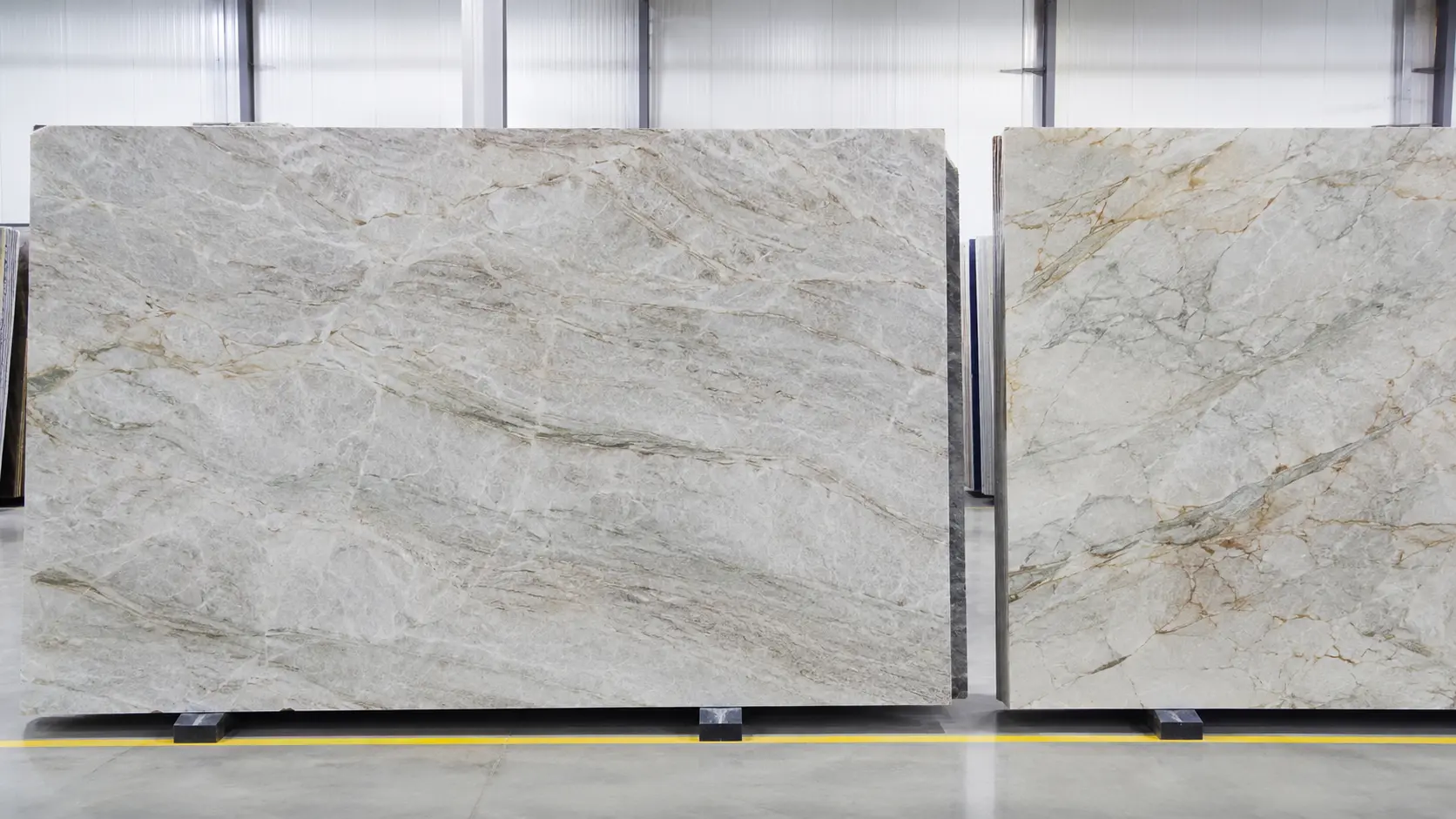
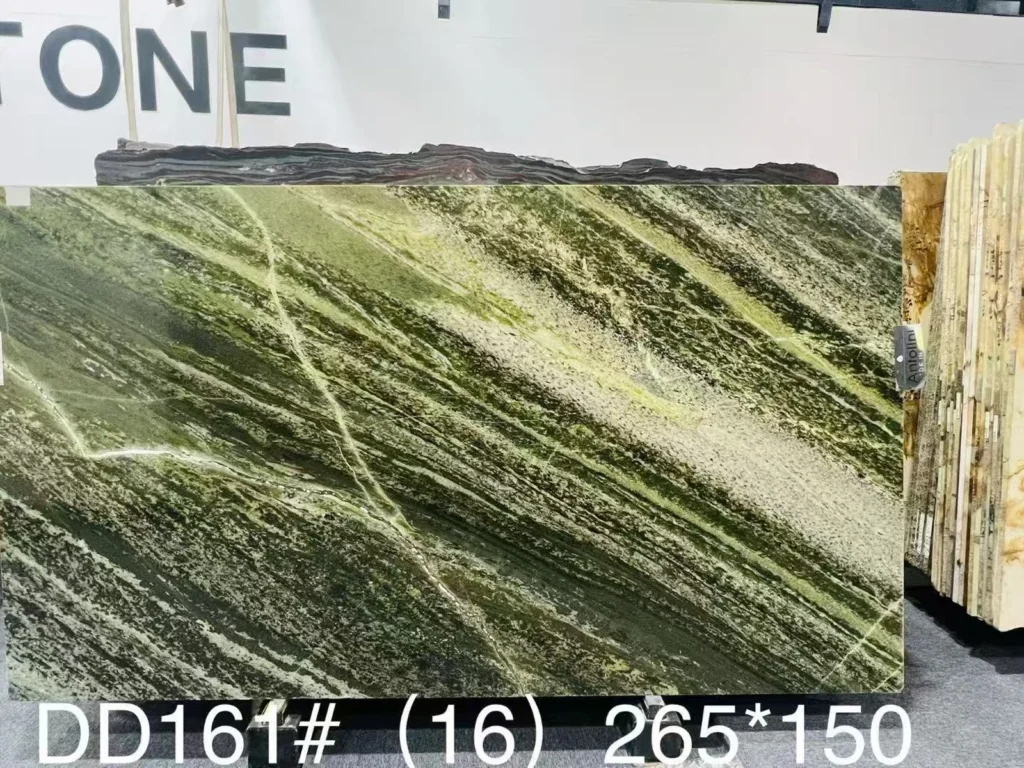
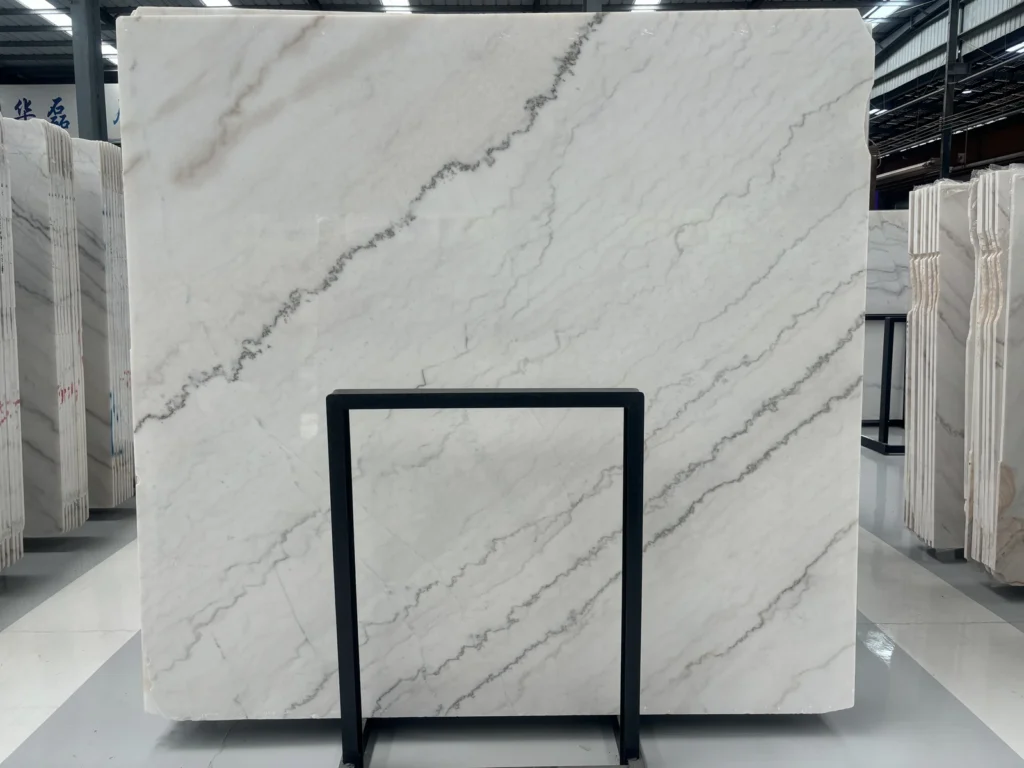
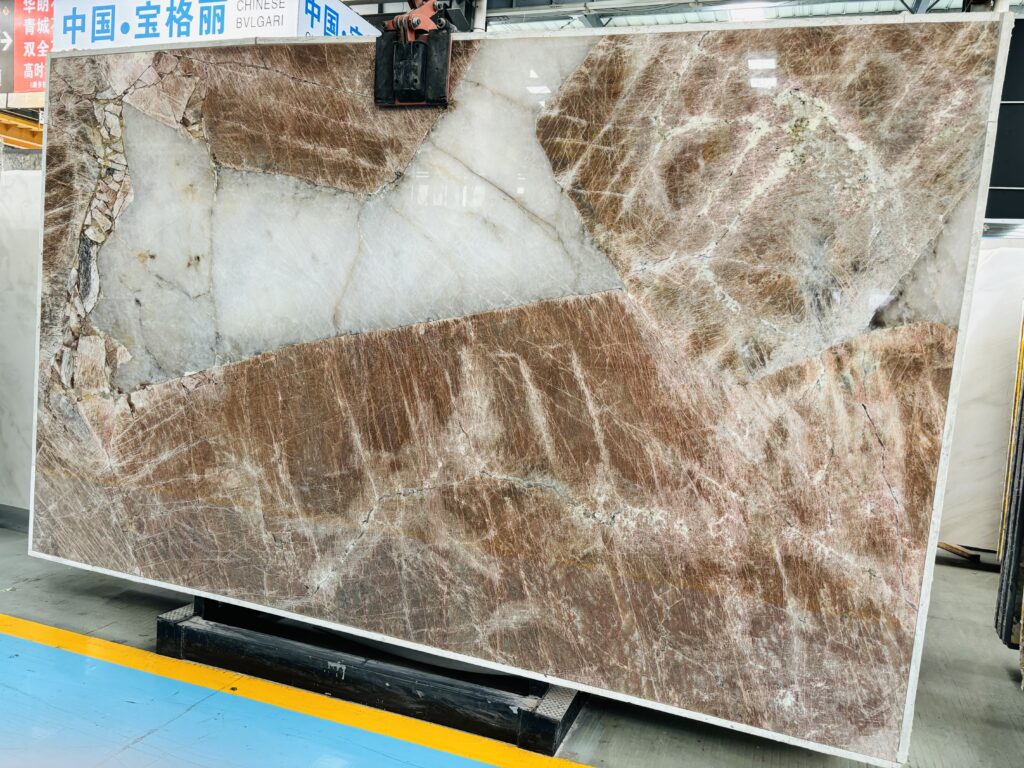
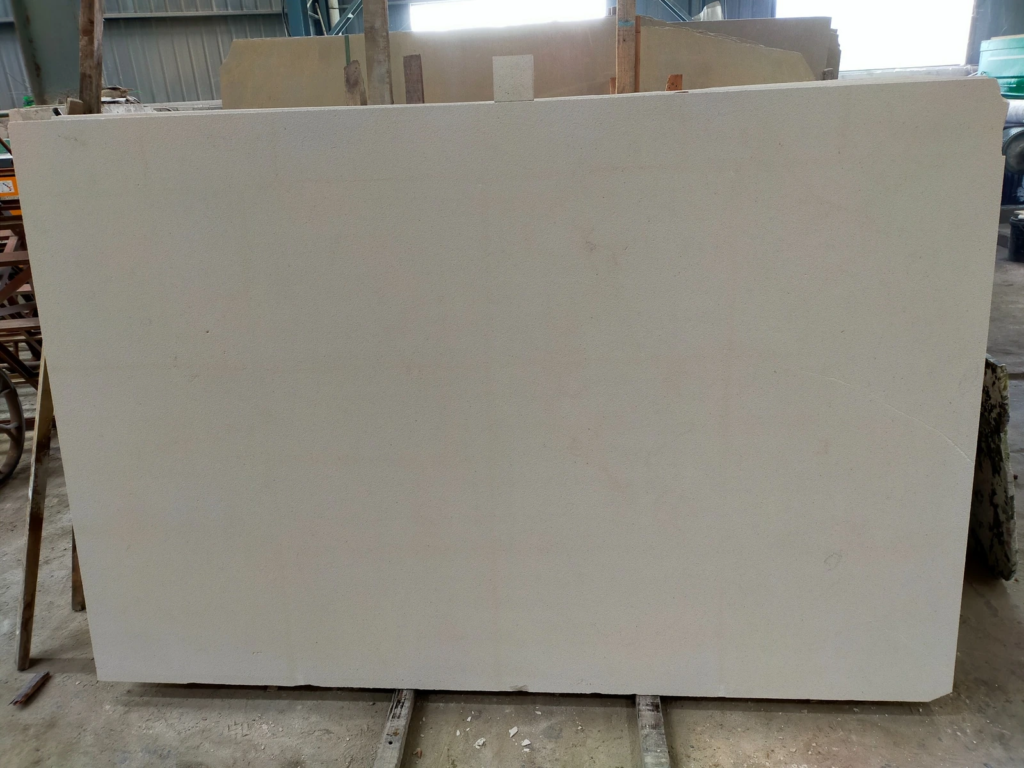
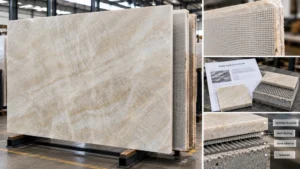
يجب أن تبدأ المراجعة الاحترافية للألواح دائمًا بصورة أو فيديو كامل من الأمام لكل لوح متاح.
ينبغي تصوير اللوح بشكل مربع قدر الإمكان تحت إضاءة متوازنة ليتمكن المشترون من تقييم:
- لون الخلفية العام
- Vein direction
- توزيع الأنماط
- مناطق البلورات
- الحركة الطبيعية
- الإصلاحات الظاهرة أو مناطق الراتنج
تُعدّ صور الألواح الحالية أكثر قيمة من صور الكتالوج، لأن الحجر الطبيعي يختلف من قطعة إلى أخرى.
حتى الألواح التي تُباع تحت نفس الاسم التجاري قد تظهر اختلافات في:
- درجة اللون
- شدة العروق
- تركيز المعادن
- البنية البلورية
- خصائص السطح
يجب أن يحمل كل لوح رقم تعريف واضح مرتبط بالعرض السعري وسجل الإنتاج وقائمة التعبئة، مما يضمن إمكانية تتبع العملية من مرحلة الاختيار وحتى التسليم.
مراجعة اللوح بأكمله قبل التركيز على التفاصيل
ينبغي أن تركز الفحص الأولي على التركيب البصري العام بدلاً من التفاصيل الصغيرة.
على سبيل المثال:
- قد تتطلب الجزيرة الكبيرة في المطبخ حركة متواصلة قوية.
- قد تحتاج لوحة الجدار في الفندق إلى اتجاه متحكم فيه للعروق.
- قد تستلزم أسطح خزانات الحمامات وضعًا دقيقًا حول فتحات الحوض.
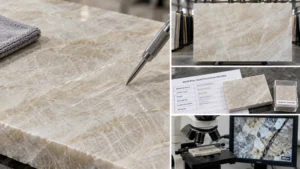
بعد التأكد من النمط العام فقط، ينبغي للمشترين مراجعة التفاصيل المحلية مثل الشقوق، حدود المعادن، المناطق المملوءة بالراتنج، وحالة الحواف.
تمييز السمات الطبيعية عن الأضرار التي يمكن تجنبها

قد يحتوي الكوارتزيت الطبيعي على:
- عروق معدنية
- مناطق بلورية
- الشقوق الطبيعية
- انتقالات لونية
- المناطق المملوءة بالراتنج
هذه السمات ليست بالضرورة عيوبًا؛ إذ يعتمد مدى ملاءمتها على الموقع، والاستقرار، والتشطيب، وخطة التصنيع، والتطبيق النهائي.
ومع ذلك، ينبغي للمشترين تقييم ما يلي بشكل منفصل:
- معالجة الشقوق
- الزوايا المكسورة
- الخدوش العميقة
- الإصلاحات غير المسيطر عليها
- الأضرار الناجمة عن النقل
حيث يؤثر سمة معينة على عملية التصنيع، ينبغي للموردين تقديم صور مقربة، وصور من الجانب الخلفي، ومقاطع فيديو، بالإضافة إلى ملاحظات الفحص المهني قبل الموافقة.
الخطوة الثالثة: فهم كيفية تأثير تباين ألواح الكوارتزيت على المشروع النهائي
يجب اعتبار تباين الكوارتزيت الطبيعي جزءًا من عملية التصميم والإنتاج، وليس كمشكلة غير متوقعة.
على عكس المواد المهندسة ذات الأنماط المتحكم فيها، يتشكّل الكوارتزيت الطبيعي عبر عمليات جيولوجية، وقد تظهر اختلافات بين الألواح المختلفة، وبين القطع، وبين اختيار المحاجر.
قد تظهر هذه التباينات في:
- درجة لون الخلفية
- Vein direction
- توزيع البلورات
- تركيز المعادن
- المناطق الشفافة
- أنماط الشقوق الطبيعية
ليس الهدف من الفحص المهني للألواح القضاء على التباين الطبيعي، بل فهم خصائص المادة واستخدامها بشكل صحيح ضمن تصميم المشروع.
كيف يؤثر اختيار اللوح على التطبيقات المختلفة
| Application | عوامل الاختيار الهامة |
|---|---|
| جزر المطبخ وأسطح العمل | اتجاه العروق، مساحة اللوح القابلة للاستخدام، موقع الفتحات، تنسيق لوحة الشلال. |
| أسطح منضدة الحمام | موقع فتحة الحوض، تفاصيل الحواف، توزيع النمط المتوازن. |
| جدران الزخرفة | الحركة واسعة النطاق، التدفق البصري المستمر، مطابقة اللوحات. |
| مشاريع الفنادق والضيافة | التناسق بين عدة مناطق، توفر الكميات، تسلسل التركيب. |
بالنسبة للمشاريع التي تتطلب عدة أسطح متصلة، ينبغي للمشترين التأكد من كون الألواح متتابعة، ومن أن النمط قادر على دعم:
- المطابقة المتناظرة
- مطابقة الأطراف
- الحركة المستمرة للعروق
- التخطيطات المتماثلة
لا يمكن لكل زوج من الألواح الطبيعية أن يحقق تأثيرًا مرايا مثاليًا. يتطلب الأمر تخطيطًا احترافيًا للتصميم قبل البدء في القطع.
الخطوة 4: ربط اختيار ألواح الكوارزيت برسومات التصنيع

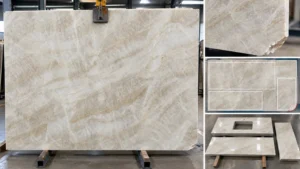
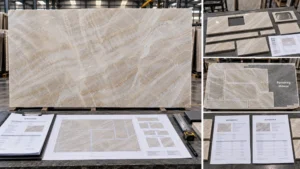
لا ينتهي مشروع الكوارزيت الاحترافي عند الموافقة على المواد فقط. يجب ربط الألواح المختارة برسومات التصنيع المعتمدة قبل بدء الإنتاج.
تتيح رسومات CAD لفريق التصنيع تقييم ما يلي:
- مردود اللوح
- مواضع القطع
- Vein direction
- مواقع الوصلات
- فتحات الحوض وسطح الطهي
- أشكال حواف البلاطة
- محاذاة لوحة الشلال
لماذا يعد مراجعة CAD مهمة لمشاريع الكوارزيت؟
الكوارزيت مادة طبيعية فاخرة، حيث يؤثر كل قرار بالقطع على المظهر النهائي.
على سبيل المثال، قد تتطلب جزيرة المطبخ الفاخرة:
- حركة بصرية متصلة عبر سطح العمل
- تطابق جانبي الشلال
- توجيه صحيح للعروق حول الفتحات
- تشطيب متناسق للحواف
بدون تخطيط مناسب للتصميم، قد تفقد حتى لوحة كوارزيت عالية الجودة قيمتها البصرية بعد التصنيع.
اعتبارات فتحات الحوض وتفاصيل الحواف
يجب دائمًا مراجعة فتحات الحوض، وفتحات سطح الطهي، وثقوب الصنبور، والزوايا الداخلية مع الخصائص الطبيعية للوح.
ينبغي لفريق التصنيع تجنب وضع نقاط الإجهاد الحرجة مباشرةً على:
- الشقوق الكبيرة المفتوحة
- الحدود المعدنية الضعيفة
- الجسور الحجرية الضيقة
- المناطق المُعاد إصلاحها غير المستقرة
اعتمادًا على بنية الحجر والتصميم النهائي، قد يلزم التعزيز لتحسين سلامة المناولة أثناء الإنتاج والنقل.
تأكيد التصميم الجاف قبل الشحن
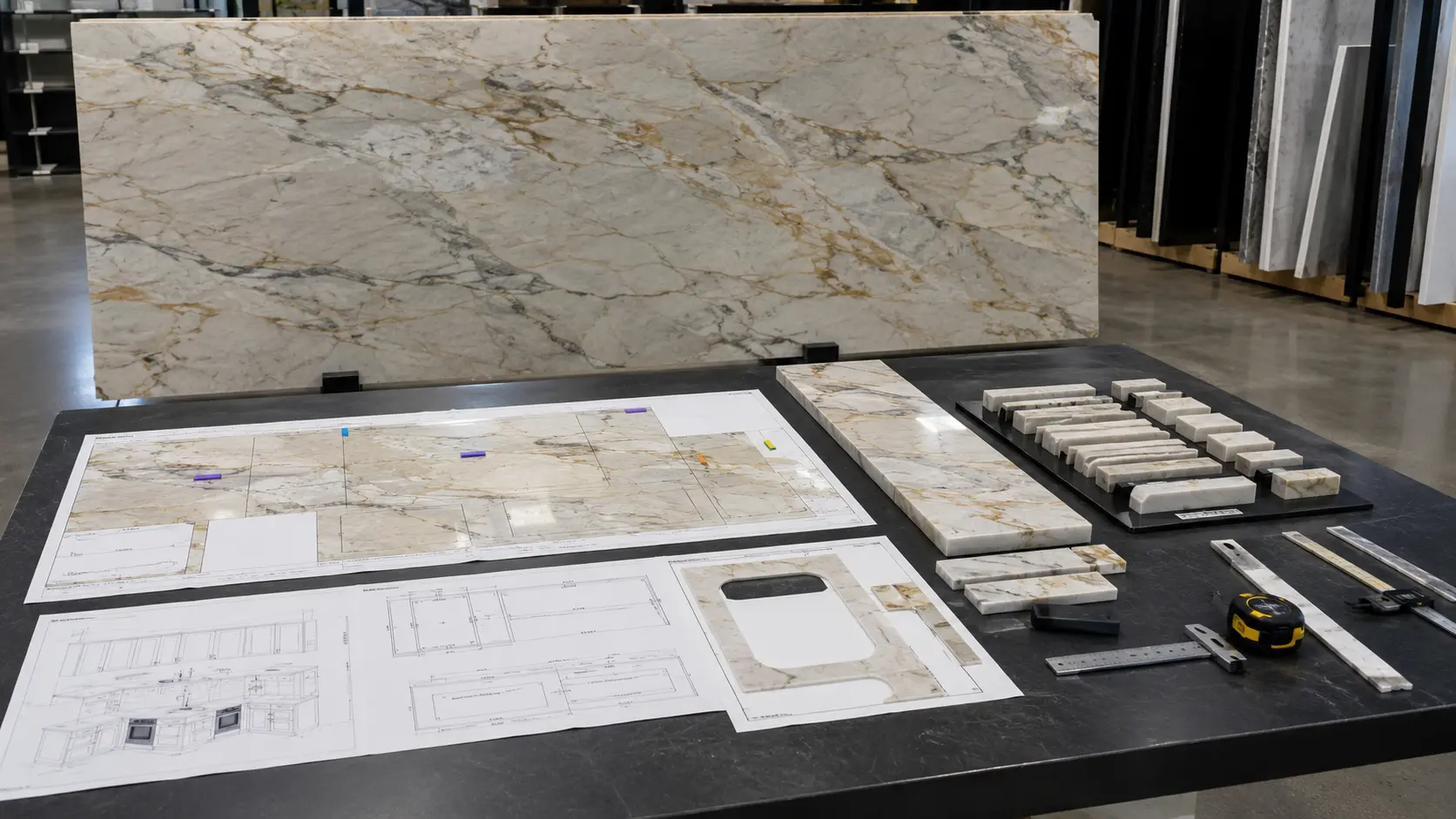
بالنسبة لمشاريع الكوارزيت المعقدة، يوفر تأكيد التصميم الجاف خطوة إضافية لمراقبة الجودة قبل التعبئة والشحن.
خلال التصميم الجاف، يقوم فريق الإنتاج بمراجعة:
- اتجاه القطع
- استمرارية العروق
- علاقات الوصلات
- الأبعاد النهائية
- تسلسل التركيب
- دقة وضع العلامات على القطع
هذه العملية ذات قيمة خاصة لـ:
- جزر المطابخ الكبيرة
- جدران الزينة المطابقة
- مشاريع الفيلات الفاخرة
- كاونترات استقبال الفنادق
- الأثاث الحجري المخصص
يتيح التصميم الجاف لكلٍ من المورد والمشتري التأكد من العلاقة بين المكونات الفردية قبل خروج المنتجات من المصنع.
الخطوة 5: مراقبة الجودة قبل شحن الكوارزيت للتصدير
يجب أن تتم مراقبة الجودة وفقًا لمواصفات المشروع المعتمدة وليس وفق قائمة فحص عامة.
يجب أن يفهم فريق الفحص:
- أرقام الألواح المعتمدة
- رسومات CAD المؤكدة
- التشطيب المطلوب
- مواصفات الحواف
- تحملات التصنيع
- متطلبات التعبئة
| مرحلة التفتيش | بنود الفحص الرئيسية | فائدة المشتري |
|---|---|---|
| اختيار المواد | مظهر اللوح، أبعاده، هويته، والتباين الطبيعي. | يؤكد أن المادة المختارة تتطابق مع التوقعات. |
| فحص التصنيع | الأبعاد، الحواف، الفتحات، حالة السطح، التعزيز. | يقلل المخاطر قبل الشحن الدولي. |
| مراجعة التخطيط الجاف | استمرارية النمط، الاتجاه، تسلسل التركيب. | يعزز الثقة في عملية التركيب. |
| فحص التغليف | حالة الصندوق، نظام الحماية، الملصقات، سجلات التعبئة. | يحسن سلامة التسليم. |
لماذا تختار HRST STONE لمشاريع الكوارتزيت؟
تتطلب المشاريع الناجحة للكوارتزيت أكثر من مجرد توفير ألواح طبيعية. يحتاج المشترون الدوليون إلى مورد يفهم اختيار المواد، متطلبات التصنيع، ضبط الجودة، ولوجستيات التصدير.
تدعم HRST STONE مشاريع الكوارتزيت من خلال سير عمل كامل للمشروع:
- اختيار الكوارتزيت الطبيعي:
صور وأفلام الألواح الحالية، وتوصيات احترافية بناءً على متطلبات المشروع. - مراجعة رسومات CAD:
تأكيد الأبعاد، تخطيط القطع، الوصلات، تفاصيل الحواف، ومتطلبات التصنيع. - التصنيع حسب الطلب:
أسطح كوارتزيت، أسطح حوض غسيل، ألواح جدارية، مناضد الاستقبال، الطاولات، ومكونات حجرية خاصة. - متابعة الإنتاج:
تحديثات التقدم عبر صور وفيديوهات الإنتاج. - فحص الجودة:
فحص الأبعاد، الأسطح، الحواف، الملصقات، والتحضير النهائي قبل الشحن. - حماية التصدير:
صناديق خشبية معززة ومعقمة، حماية بالفوم، واقيات للحواف، وتثبيت داخلي آمن.
من خلال ربط اختيار المواد، التصنيع، الفحص، واللوجستيات في سير عمل واحد، تساعد HRST STONE المشترين الدوليين على تقليل عدم اليقين عند شراء مشاريع كوارتزيت فاخرة.
الخطوة السادسة: تأمين تغليف الكوارتزيت للتسليم الدولي
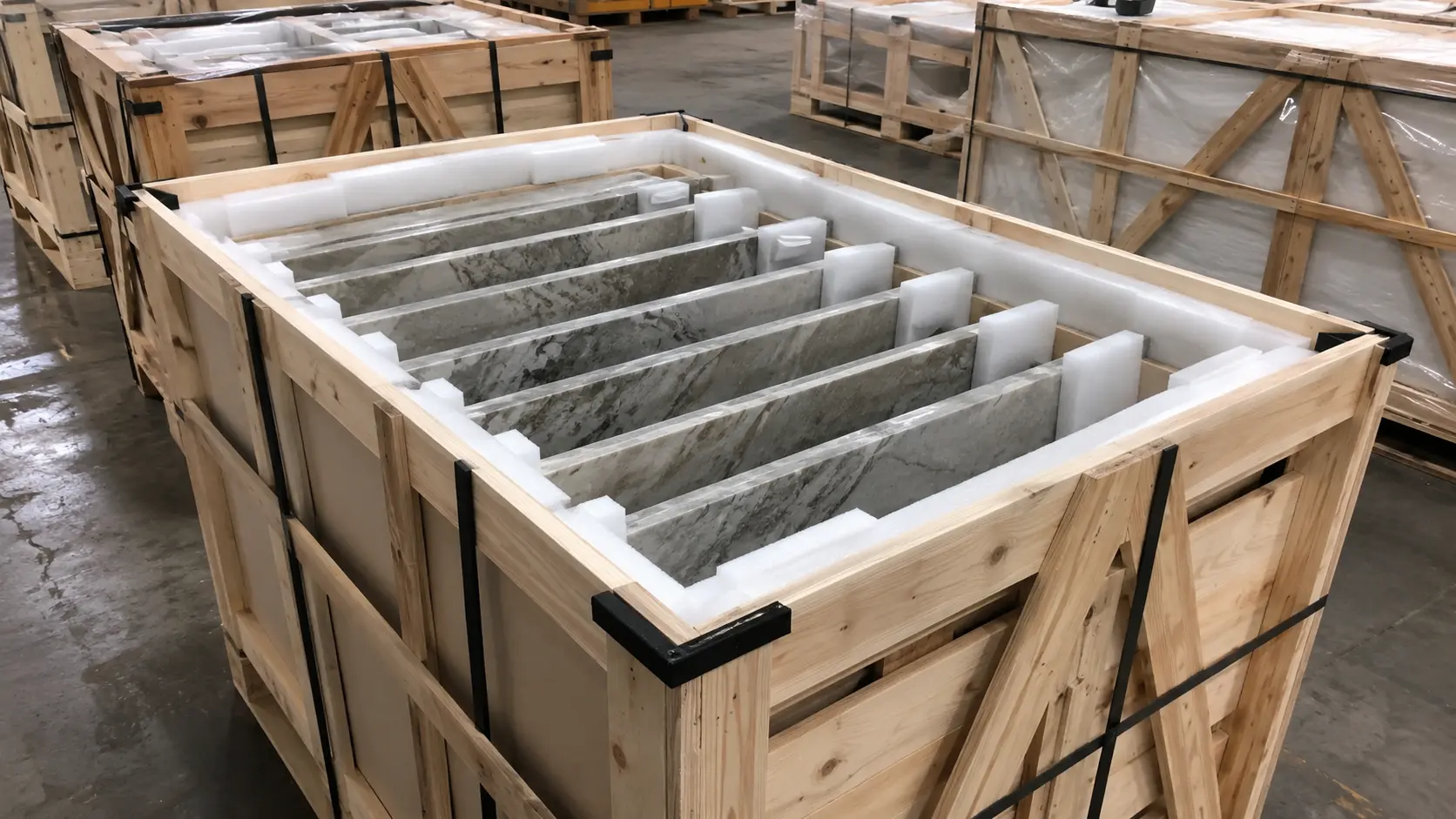
لا يكتمل الفحص عند انتهاء التصنيع. بالنسبة لمشاريع الكوارتزيت الدولية، يُعد التغليف جزءًا مهمًا من ضبط الجودة، لأن منتجات الحجر الطبيعي ثقيلة، هشة، وحساسة للصدمات أثناء النقل.
يجب أن يأخذ نظام التعبئة الاحترافي للتصدير بعين الاعتبار:
- أبعاد الحجر ووزنه
- بنية المنتج النهائي
- وسيلة النقل
- ظروف التحميل
- متطلبات المناولة في وجهة الوصول
إجراءات الحماية الرئيسية لشحن الكوارتزيت
| طريقة الحماية | الغرض |
|---|---|
| صناديق خشبية مدعمة ومعقمة | يوفر حماية هيكلية أثناء النقل الدولي. |
| حماية بالفوم والفواصل | يمنع التلامس المباشر بين قطع الحجر ويقلل خطر الصدمات. |
| حماية الحواف | يحمي الحواف المصقولة، الزوايا، ومناطق التماس. |
| نظام التثبيت الداخلي | يمنع الحركة أثناء المناولة والنقل البحري. |
تتطلب مكونات الكوارتزيت المصنعة عناية إضافية، لأن القطع النهائية مثل:
- ألواح الشلال
- الدرابزينات الطويلة
- أقسام أسطح العمل
- أسطح حوض غسيل كبيرة
- مكونات أثاث حجري مخصصة
قد تحتوي على نقاط إجهاد مختلفة مقارنة بالألواح الكاملة.
قبل الشحن، ينبغي أن يتلقى المشترون تأكيدًا بشأن:
- صور الإنتاج النهائية
- صور التغليف
- تحديد القطعة
- تأكيد قائمة التعبئة
- ترتيب الشحن
قائمة مراجعة عرض الأسعار لمشروع الكوارتزيت
يعتمد العرض الدقيق للسعر على توفر معلومات كاملة عن المشروع. تحدث العديد من سوء الفهم في مشاريع الأحجار الدولية لأن متطلبات المواد، والتصنيع، والتعبئة، والشحن لا يتم فصلها بوضوح منذ البداية.
قبل طلب عرض السعر، ينبغي للمشترين إعداد:
| المعلومات المطلوبة | الغرض |
|---|---|
| اسم المادة أو صورة مرجعية | يؤكد المظهر المتوقع للحجر واتجاه المادة. |
| التطبيق ونوع المشروع | يحدد معايير التصنيع والتفتيش المناسبة. |
| الأبعاد والكميات | يسمح بحساب دقيق لإنتاج الألواح والتخطيط الإنتاجي. |
| رسومات CAD أو النماذج | يضمن دقة تفاصيل التصنيع وتخطيط القطع. |
| متطلبات التشطيب والحواف | يحدد المظهر النهائي ومتطلبات المعالجة. |
| وجهة التسليم | يتيح تقييمًا صحيحًا للتعبئة والشحن. |
بالنسبة لمشاريع الألواح، ينبغي للمشترين أيضًا التأكد مما إذا كانوا بحاجة إلى:
- ألواح متتالية
- المطابقة المتناظرة
- اتجاه معين للعروق
- لون خلفية متحكم فيه
- تطبيقات ذات أبعاد كبيرة
بالنسبة للمشاريع المصنعة، ينبغي للموردين الفصل بوضوح بين:
- تكلفة مادة الحجر
- تكلفة التصنيع
- تكلفة التعبئة والتغليف
- تكلفة الشحن
هذا النهج الشفاف يساعد المشترين على فهم التكلفة الحقيقية للمشروع واتخاذ قرارات شراء أفضل.
أسئلة شائعة حول فحص ألواح الكوارتزيت
1. لماذا لا تكفي عينة صغيرة من الكوارتزيت للموافقة النهائية؟
يمكن لعينة صغيرة أن تُظهر اللون العام ونوعية السطح، لكنها لا تستطيع تمثيل الحركة الكاملة للبلاطة، واتجاه العروق، وتوزيع البلورات، والتشققات، والتباين الطبيعي. ينبغي للمشترين مراجعة الصور أو مقاطع الفيديو الحالية للبلاطة كاملة قبل الموافقة النهائية.
2. هل يمكن فحص ألواح الكوارتزيت قبل الشحن؟
نعم. يمكن للموردين المحترفين تقديم صور حديثة للألواح، وفيديوهات، وتحديثات الإنتاج، وسجلات فحص التصنيع، وصور التعبئة قبل الشحن. وهذا يمكّن المشترين من التأكد من حالة المنتج النهائي عن بُعد.
3. هل الشقوق والعلامات الطبيعية تعتبر عيوبًا في الكوارتزيت؟
ليس دائمًا. قد تحتوي الكوارتزيت الطبيعية على حدود معدنية، ومناطق بلورية، وشقوق طبيعية. ويختلف قبولها حسب الموقع، والاستقرار، والتطبيق، وطريقة التصنيع، وتوقعات العميل.
4. كيف يؤثر اختيار اللوح على تصنيع كونترتوب الكوارتزيت؟
يحدد اللوح المختار تخطيط القطع، واتجاه العروق، ومواقع الوصلات، ومطابقة ألواح الشلال، والنتيجة البصرية النهائية. يعد التخطيط المهني ضروريًا لمشاريع الكونترتوب الفاخرة.
5. ما الصور التي ينبغي للمشترين طلبها قبل اعتماد ألواح الكوارتزيت؟
يجب على المشترين طلب صور كاملة للوح، وتفاصيل دقيقة لسطحه، ومشاهد للحواف، وتأكيد السمك، وصور لمراحل الإنتاج، وصور التعبئة النهائية. كما أن الأرقام التعريفية الواضحة تساعد على ربط كل صورة بالمادة الفعلية.
6. كيف يحمي الموردون الكوارتزيت أثناء الشحن الدولي؟
يستخدم الموردون الموثوقون صناديق تصدير مدعمة، ومواد حماية من الفوم، وفواصل، وحماية للحواف، وتأمينًا داخليًا محكمًا. أما القطع المصنعة فتحتاج إلى دعم إضافي لأن الفتحات والأقسام الرقيقة أكثر حساسية.
ملاحظة ختامية
تعتمد المشاريع الناجحة للكوارتزيت على أكثر من مجرد اختيار لوح جميل. فالعملية الكاملة تتطلب تقييمًا احترافيًا للمواد، وتخطيطًا للتصنيع، وفحصًا للجودة، وإعدادًا آمنًا للتصدير.
تدعم HRST STONE المشاريع الدولية للكوارتزيت من خلال:
- اختيار ألواح الكوارتزيت الطبيعية
- تأكيد رسومات CAD
- التصنيع حسب الطلب
- متابعة الإنتاج
- فحص مراقبة الجودة
- التعبئة المدعمة للتصدير
للحصول على توفر ألواح الكوارتزيت الحالية أو عرض أسعار للمشروع، يرجى التواصل مع جوش وتقديم متطلبات المواد، والأبعاد، والرسومات، والكمية، والتشطيب، ووجهة التسليم.
© HRST STONE / شركة شيامن HRST STONE المحدودة. المحتوى الأصلي من quartzite-stone.com. يُمنع إعادة الإنتاج أو النشر غير المصرح به.