
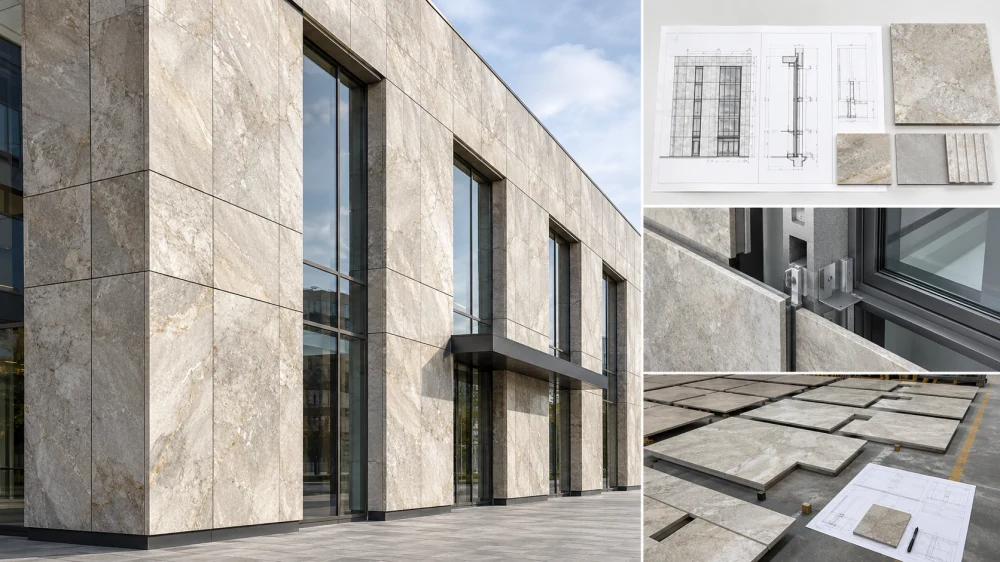
ملخص سريع
يجب أن تُدار مناقشات طرق تثبيت واجهة الكوارتزيت الطبيعي من خلال الرسومات الحالية، ورسم خرائط الواجهات، وتحديد المسؤوليات، وتوثيق قرارات الموافقة.
يتطلب شراء واجهة الكوارتزيت الطبيعي مستوىً مختلفًا من التنسيق مقارنةً بشراء ألواح بسيطة. إذ يتعين على المشتري ربط حجر مختار، ومعلومات الألواح المُجهزة، ورسومات المشروع، والواجهات، والمهنيين المسؤولين عن التصميم، والتواصل مع جهة التصنيع، بالإضافة إلى نطاق التسليم. وقد تم إعداد هذا الدليل لخدمة سلسلة اتخاذ القرار تلك، وليس كدليل للتصميم الإنشائي.
الكوارتزيت الطبيعي هو حجر طبيعي. ينبغي توثيق اختلافاته البصرية، ونهايته، وشكل الألواح، ومفهوم التثبيت، وموقع الاستخدام، بالاستناد إلى معلومات المشروع المعتمدة. لا يجوز نقل قاعدة عامة من الرخام أو الجرانيت أو الكوارتز المصمم أو الحجر الملبد أو نظام واجهة غير ذي صلة إلى تركيب معتمد من الكوارتزيت الطبيعي.
يمكن للمشترين الدوليين تقليل حالات عدم اليقين التي يمكن تجنبها من خلال طرح أسئلة دقيقة في مرحلة مبكرة وتسجيل الإجابات في ملف المشروع. والهدف هو مساعدة المهندسين المعماريين، والمقاولين، وشركات التصنيع، وفرق الشراء على اتخاذ قرارات قابلة للتتبع دون اختراع مصدر محجر، أو نتيجة اختبار، أو شهادة، أو قيمة حمولة، أو فترة تنفيذ، أو نتيجة مشروع لم يتم تأكيدها.

ابدأ بالمرجع المعتمد للكوارتزيت الطبيعي. احتفظ باسم المادة، وموافقة اللوح أو العينة، والنهاية المطلوبة، وجدول الألواح، والارتفاع المقصود، معًا. فتسمية مثل «حجر طبيعي» واسعة جدًا بالنسبة للمشتري الذي يحتاج إلى تنسيق التصنيع، والمراجعة البصرية، ثم التسليم النهائي.
اطلب من أطراف التصميم والهندسة في المشروع تحديد الرسومات الحاكمة، وأقسام المواصفات، وجهة السلطة المختصة بالموافقة. يمكن للمورد مناقشة نطاق الحجر ومعلومات التصنيع، لكن فريق المشروع لا ينبغي أن يعتبر مقالًا في مدونة بديلًا عن تصميم واجهة مؤهل، أو مراجعة القوانين المحلية، أو الهندسة الخاصة بالموقع.
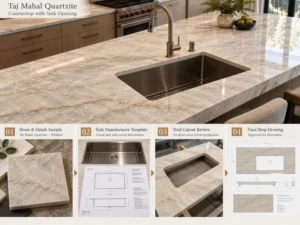
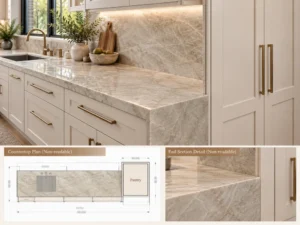
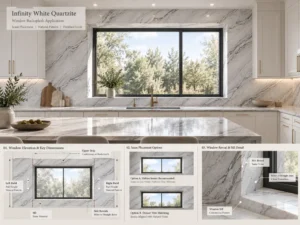
ارسم خرائط الواجهات قبل إصدار الطلب. فالفتحات، والزوايا، والانعطافات، والمفاصل، وظروف الدعم، والألومنيوم أو الزجاج المجاور، ومسؤولية العزل المائي، وإمكانية الوصول، وتدابير الحركة، كلها قد تؤثر على التنسيق. ويجب أن توضح الخريطة ما يجب تأكيده ومن المسؤول عن ذلك، بدلًا من افتراض سيطرة طرف واحد على كل واجهة.
استخدم سجل موافقات متدرج. فقد تغطي مرحلة اختيار اللوح بصريًا، وأخرى رسومات التصنيع ذات الصلة، وثالثة معلومات التثبيت والتركيب من جانب المشروع. إن الفصل بين المراحل يسهّل معرفة ما إذا كان التغيير المقترح يؤثر على المظهر، أو هندسة الألواح، أو تنسيق الموقع، أو جميعها معًا.
حافظ على موضوعية استفسار التصدير. قدّم اسم المادة، والأبعاد، والكمية، والرسومات، والنهاية المطلوبة، ووجهة التسليم إلى جوش في شركة HRST STONE. وأضف جدول الألواح المطلوب وأي متطلبات تعبئة أو تعريف معتمدة من المشروع. وهذا يدعم نقاشًا مركزًا دون تقديم وعود بشأن المخزون، أو تواريخ الشحن، أو الاختبارات، أو الشهادات التي لم يتم التحقق منها.
| منطقة القرار | ما ينبغي للمشتري طلبه | لماذا يهم ذلك |
|---|---|---|
| مدخلات طرق التثبيت | الرسومات والمواصفات الخاصة بالمشروع التي تحدد التركيب المقصود. | يوضّح المصدر الذي يحكم النقاش. |
| معلومات الألواح | نهاية الكوارتزيت الطبيعي، وجدول الألواح، والوجه المرئي، والهندسة ذات الصلة. | يربط نطاق الحجر بسجل التصميم. |
| واجهات التجارة | الهيكل المجاور، والعزل المائي، والزجاج، والألومنيوم، ومراجع الوصول. | يمنع الافتراضات غير المسجلة بين الأطراف. |
ابدأ بفصل موجز المشتري عن موجز التصميم التقني. يمكن للمشتري تحديد مادة الكوارتزيت الطبيعي، والنهاية، ونطاق الألواح، والأولويات البصرية، ووجهة التسليم، والرسومات المعتمدة المتاحة. ويمكن للمهنيين المسؤولين عن المشروع بعد ذلك تحديد المعلومات اللازمة لتقييم طريقة التثبيت المقصودة وفقًا لظروف المبنى الفعلية.
استخدم الرسومات الحالية كمرتكز للنقاش. اسأل أي تفصيل، وأي ارتفاع، وأي رقم مراجعة ينطبق على كل استفسار. فهذا يمنع الفريق من مقارنة لوحة كوارتزيت طبيعي معتمدة بتفاصيل قديمة أو الاعتماد على صورة عامة لا تمت بصلة إلى المشروع.
ارسم خرائط الواجهات حول كل منطقة متأثرة. فقد تطال مسألة طرق التثبيت الركيزة الإنشائية، والعزل المائي، والعزل الحراري، وأنظمة النوافذ، والأعمال المعدنية، وتسهيلات الحركة، وإمكانية الوصول للتركيب. سجّل صاحب الواجهة والتأكيد المطلوب بدلًا من افتراض سيطرة مورد الكوارتزيت الطبيعي على الأعمال التجارية المجاورة.
حافظ على وضوح هندسة الحجر وقرارات النظام كحقول منفصلة في سجل المراجعة. فاسم المادة، والنهاية، وأبعاد الألواح، ومعلومات الحواف، والتوجه البصري المعتمد تخص سجل الحجر. أما الدعم الخاص بالمشروع وقرار التثبيت فينتميان إلى مسار الموافقة المؤهل للتصميم والهندسة.
عند طلب مراجعة التصنيع، تأكد من السؤال الدقيق قبل إصدار تعليمات عامة. فعلى سبيل المثال، قد يحتاج المشتري إلى مراجعة متقاطعة لجدول الألواح، أو تأكيد للوجه المرئي، أو نهج لتحديد القطعة. فمن الأفضل حل سؤال واحد محدد بدلاً من الإيحاء بالموافقة على تفاصيل إنشائية غير مثبتة.
اختتم العملية بنتيجة مكتوبة. ينبغي أن يحدد السجل ما تم تأكيده، ومن الذي أكد، وأي مراجعة للرسومات تنطبق، وما بقي مفتوحًا. وهذا يمنح فرق الشراء الدولية طريقًا شفافًا من الاستفسار إلى تسليم المشروع دون خلق ضمانات مصطنعة حول نتائج التركيب.
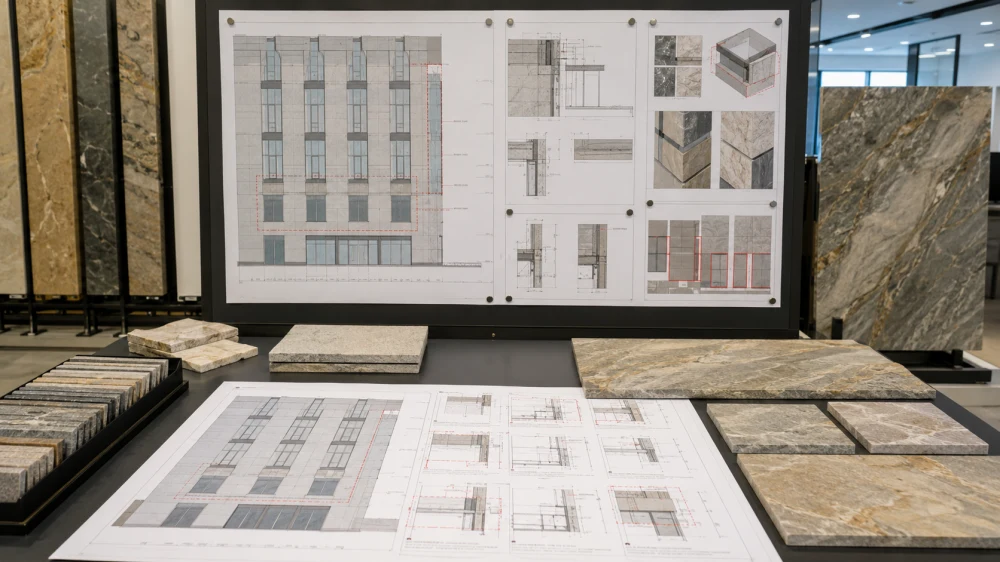
يُعد ملف المشتري المفيد موجزًا لكنه كامل. ويمكن أن يشمل المرجع المعتمد للكوارتزيت الطبيعي، وجدول الألواح، والرسومات ذات الصلة، وسجل عينات النهاية، وتعليقات مراجعة التصنيع، وسجل المراجعة، وجهات الاتصال المعينة للتصميم، والهندسة، والتصنيع، وتنسيق الموقع. ويجب أن يوضح الملف أي عنصر معتمد وأي عنصر لا يزال محل تساؤل.
اعتبر الرسومات معلومات خاضعة للرقابة. ضع علامة على تاريخ المراجعة والجهة المصدرة وحالة الموافقة. إذا تغيرت أبعاد الألواح أو تفاصيلها، اطلب من الجهة المسؤولة عن المشروع التأكد من العلاقة مع الحجر المختار، والتشطيب المقصود، ومفهوم التثبيت قبل اتخاذ قرار واسع النطاق بشأن التصنيع.
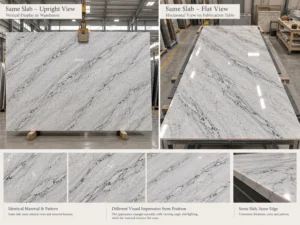
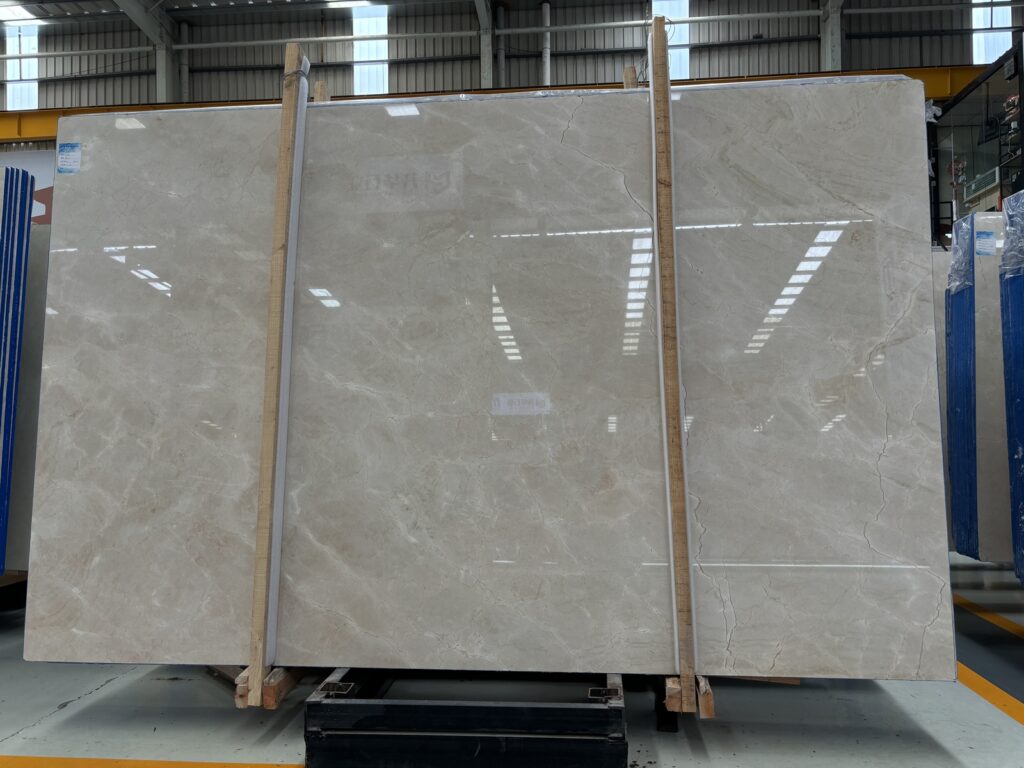
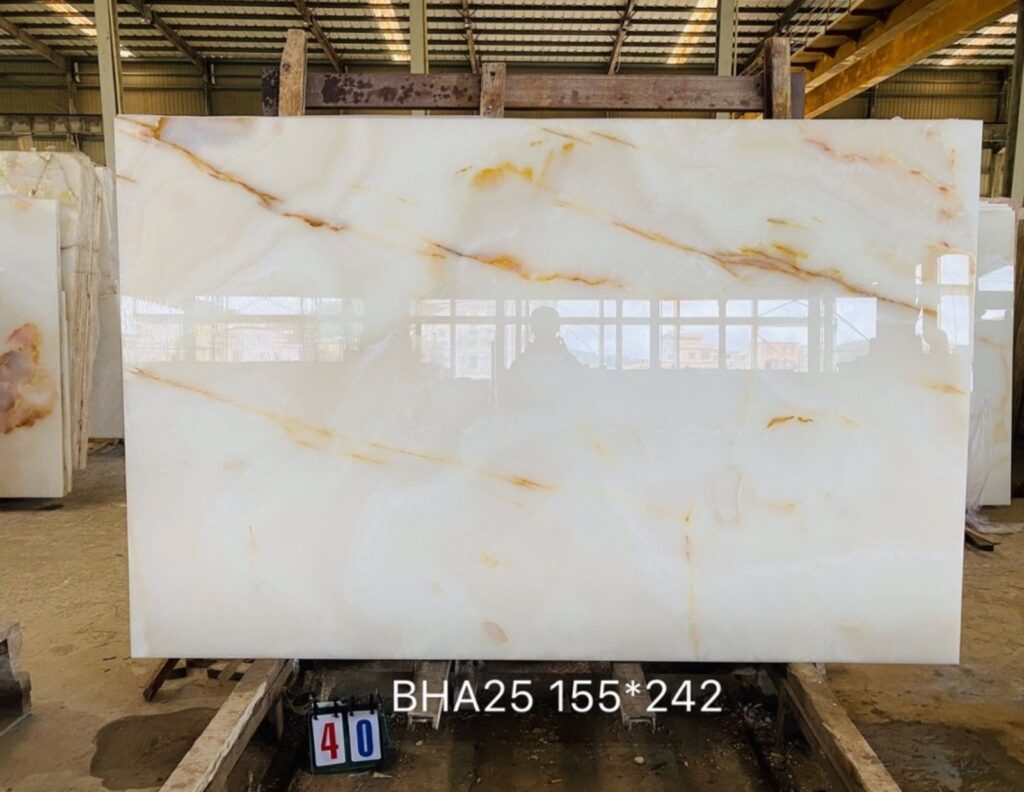
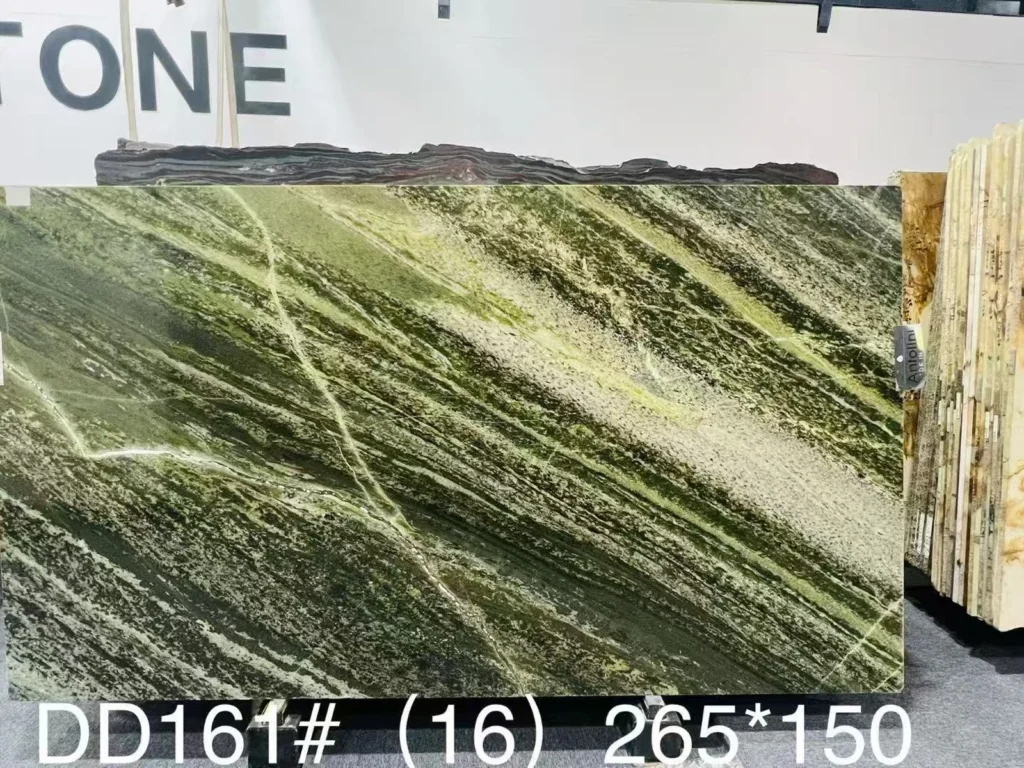
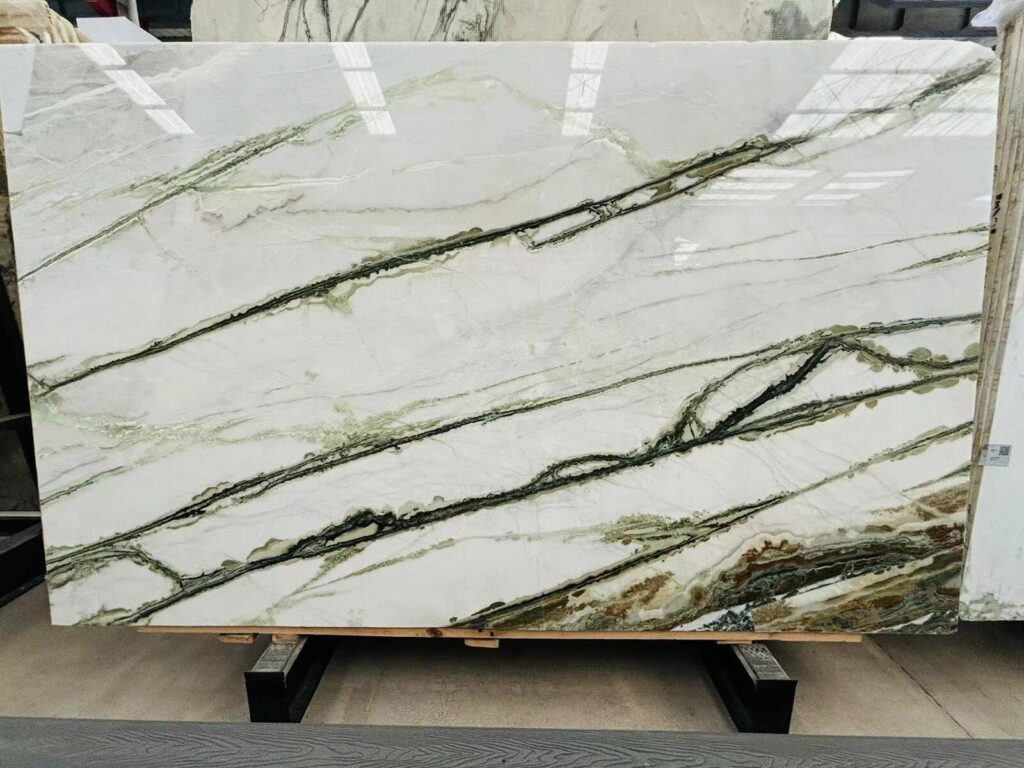
يمكن أن تدعم الصور الفوتوغرافية التنسيق البصري عندما تُربط بالبلاطة الصحيحة أو منطقة اللوح أو المرجع النموذجي. ولا ينبغي تقديمها كدليل على نتيجة أداء شاملة. وتتمثل قيمتها العملية في توفير نقطة مرجعية مشتركة للفِرق البعيدة حول اللون واتجاه العروق والتشطيب ونية التخطيط الظاهرية.
في عمليات الشحن والتسليم، يجب مطابقة الملصقات ومراجع التعبئة مع جدول المشروع المعتمد حيثما توفرت تلك المعلومات. يساعد التعريف الواضح فريق الاستلام على ربط القطع بالرسومات والمواقع. وهذا لا يُعد بديلاً عن الفحص الميداني أو فحوصات التركيب أو مسؤولية المقاول المحددة في المشروع.
عند ظهور أي سؤال بعد التسليم، أرسل مرجع المادة ذات الصلة والأبعاد والتشطيب ومراجعة الرسم والصور الفوتوغرافية والوجهة أو الموقع المثبت. هذا يتيح إجراء مناقشة واقعية للمتابعة. تجنّب وصف المشكلة بأنها عيب يشمل جميع المواد أو نتيجة تركيب مضمونة قبل أن تراجع الجهات المسؤولة عن المشروع الظروف الفعلية.
يجب تحديد الكوارتزيت الطبيعي وفق هويته المعتمدة في المشروع، وليس فقط وفق فئة عامة. يربط السجل العملي اسم المادة والتشطيب والتوقعات المتعلقة بالوجه الظاهر واستخدام اللوح المقصود. ويكون ذلك ذا أهمية خاصة عند مراجعة شحنات مختلفة أو ارتفاعات أو اتجاهات قطع متباينة.
لا تخلط بين الكوارتزيت الطبيعي والكوارتز المهندس. فهما مادتان مختلفتان، ولا ينبغي أن يشتركان في تعليمات مفترضة للواجهة أو التصنيع أو التنظيف أو المناولة. وإذا اشتمل المشروع على عدة مواد، فقم بوضع ملصقات واضحة على الرسومات ووثائق التسليم لتجنب نقل الأساليب بشكل عشوائي.
الموافقة البصرية والتنسيق الفني مرتبطان لكنهما ليسا مترادفين. يمكن للمشتري الموافقة على مظهر الكوارتزيت الطبيعي بينما يستمر المهنيون المسؤولون عن المشروع في حل متطلبات التثبيت والدعم والوصلات والواجهات. إن إبقاء المسارين واضحين يمنع اعتبار الموافقة الزخرفية موافقة إنشائية.
يجب أن يراعي التواصل أثناء التصنيع الوجه والتشطيب المعتمدين. اسأل عن كيفية مراجعة اتجاه اللوح وتخطيط القطع ومعالجة الحواف وتحديد الهوية مقارنة بمعلومات المشروع. هذه الأسئلة تحسن إمكانية التتبع دون افتراض أن كل بلاطة طبيعية ستنتج نتائج بصرية متطابقة.
بالنسبة للواجهات الطويلة أو المشاريع متعددة المناطق، سجّل القرارات حسب الارتفاع أو المنطقة. يمنح ذلك فرق المشتريات والموقع وسيلة لمقارنة العنصر بالمصدر المعتمد المناسب بدلاً من إجراء مقارنة غير مدعومة مع لوحة كوارتزيت أخرى أو مادة أخرى.
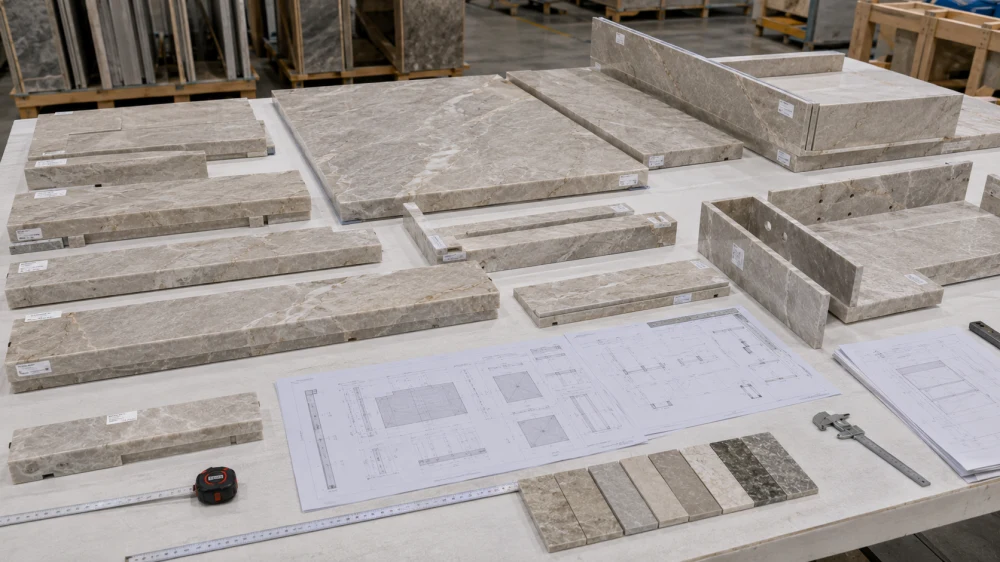
قبل المضي قدماً في مناقشة الشراء، حدد لغة العمل في الوثائق وصاحب الوثيقة. غالباً ما تقرأ الفرق الدولية جدول اللوح نفسه من خلال أدوار تجارية أو تقنية مختلفة. إن توضيح سريع للمصطلحات والوحدات والمراجع والملصقات الخاصة بالموافقة يمكن أن يمنع فجوة تفسير صغيرة من أن تتحول إلى مشكلة أكبر في مرحلة لاحقة من المشروع. كما يمنح المشتري وسيلة موثوقة لطلب التوضيح دون تقديم افتراض تجاري كتعليمات تقنية.
استخدم سجل أسئلة يميّز بين المعلومات المطلوبة والمعلومات المستلمة. بالنسبة لكل بند، سجّل الارتفاع أو مجموعة الألواح، ومرجع الرسم الحالي، والجهة المتوقعة للإجابة، وتاريخ الإجابة. هذه العادة البسيطة مفيدة للتنسيق عن بُعد لأنها تمنع اعتبار الافتراضات الشفهية بمثابة إصدار موثق.
جدول المراجعات البصرية بما يتناسب مع القرار الفعلي المطلوب. قد يحتاج المشتري إلى النظر في اتجاه العروق، والتشطيب، ومحاذاة الوصلات، والعائدات، أو الانتقال عند فتحة ما. صوّر المراجعة بناءً على مرجع الكوارتزيت الطبيعي المعتمد والرسم ذي الصلة، وسجّل النتيجة بتفاصيل كافية ليتمكن فريقا التصنيع والموقع من فهم حدود الموافقة. وضَع التاريخ والمراجع والظروف التي تتطلب استجابة تقنية منفصلة.
حافظ على موضوعية الملاحظات الميدانية. إذا أبلغ المقاول عن عدم مطابقة أو قيد وصول أو سؤال يتعلق بالواجهة، سجّل الموقع والصور الفوتوغرافية ومراجعة الرسم الحالية ومراجع القطع المتأثرة وسياق العمل الأخير. تساعد هذه الأدلة الجهات المسؤولة على تقييم المشكلة دون إصدار ادعاء مبكر حول السبب أو المسؤولية أو ملاءمة جميع ألواح الكوارتزيت الطبيعي.
في محطات المشروع الرئيسية، راجع ما إذا كان سجل المشتريات لا يزال مطابقاً لمعلومات التصميم الفعلية. فقد يتطلب ارتفاع مُعدَّل أو واجهة مُغيَّرة أو ظرف وصول جديد قراراً جديداً من جانب المشروع. والهدف ليس إبطاء المشروع بأعمال ورقية غير ضرورية، بل الحفاظ على اتساق نطاق الحجر المعتمد والعملية التقنية المسؤولة. كما تعد المراجعة القصيرة عند المحطات الرئيسية الوقت المناسب للتأكد من إغلاق الأسئلة السابقة، ومن بقاء معرّفات الألواح صالحة للاستخدام، ومن أن محادثة التسليم لا تزال تشير إلى أحدث المواد المعتمدة في المشروع.
لا تستخدم هذا الدليل لاختيار أحجام الأقواس، أو مسافات التثبيت، أو سماكة الألواح، أو المراسي، أو الأحمال، أو طرق التركيب. فتلك القرارات تتطلب مدخلات خاصة بكل مشروع ومراجعة من قبل المهنيين المؤهلين المسؤولين. ويتمثل دور المشتري في طلب معلومات واضحة ومضبوطة والتأكد من فهم مسؤوليات الموافقة.
تجنب الادعاءات غير المدعومة بشأن المقاومة، والسلامة، والشهادات، والاختبارات، والتوافر، وقدرات التصنيع، ونجاح التركيب، أو مواعيد التسليم. تختلف مشاريع الكوارتزيت الطبيعي باختلاف الحجر المعتمد، وشكل اللوح، والتشطيب، وظروف المبنى، والتصميم، ونطاق الشراء. ينبغي أن يتناول النقاش المسؤول ما هو معروف وأن يرفع إلى المستوى المناسب ما لا يزال غير مثبت.
لا تحلّ تعارضًا متأخرًا في الرسومات عن طريق تعديل الحجر، أو التشطيب، أو هندسة اللوح، أو تعليمات المناولة بشكل غير رسمي. قم بتسجيل المشكلة، وحدد الطابق أو الأجزاء المتأثرة، وأعد الأمر إلى مسار الموافقة المناسب. إن ضبط التغييرات يحمي كلاً من النية التصميمية الظاهرة والسجل التجاري.
عندما يطلب المشروع لوحة عينة، أو نموذج أولي، أو تجربة في الموقع، حدد الغرض ومعايير المراجعة قبل اعتبار الملاحظة قرارًا عامًا بالإطلاق. فقد تفيد ملاحظة محلية الفريق، لكنها لا تُقرّر تلقائيًا قاعدة شاملة تنطبق على كل لوح من الكوارتزيت الطبيعي أو كل مشروع للواجهات.

يرجى تقديم اسم المادة، وأبعاد الألواح، والكمية، والمخططات، والتشطيب المطلوب، والارتفاع المستهدف، ووجهة التسليم، بالإضافة إلى جهة الاتصال المسؤولة عن المشروع للموافقة الفنية.
لا. يمكن للصورة الفوتوغرافية أن تدعم المناقشة البصرية، لكن قرارات التثبيت الخاصة بالمشروع تتطلب وجود الرسومات الحالية وظروف الموقع، بالإضافة إلى مراجعتها من قبل الأطراف المعنية المؤهلة المسؤولة عن المشروع.
يحدد تخطيط الواجهة الأسئلة المتعلقة بالتجارات المتجاورة، والفتحات، والمفاصل، والوصول، بحيث يمكن تعيينها ومراجعتها بدلاً من افتراضها.
لا. الكوارتزيت الطبيعي والكوارتز المُصنَّع مادتان مختلفتان، ولا ينبغي جمعهما تحت تعليمات واحدة مفترضة للواجهة أو التصنيع أو المناولة.
يرجى إرسال اسم المادة، والأبعاد، والكمية، والمخططات، والتشطيب المطلوب، والارتفاع المستهدف، ووجهة التسليم، حتى تتمكن شركة HRST STONE من مناقشة نطاق المشروع.
ملاحظة ختامية
تكون قرارات واجهات الكوارتزيت الطبيعي أكثر متانة عندما تظل البلاطة المعتمدة، والرسومات، والمسؤولية الهندسية، ومعلومات التصنيع، وواجهات الموقع مرتبطة بعضها ببعض. يمكن لشركة HRST STONE مناقشة نطاق الكوارتزيت الطبيعي المقدم دون الإدلاء بادعاءات غير مدعومة بشأن البنية الإنشائية أو الاختبارات أو التسليم أو الأداء.
تواصل مع جوش في شركة HRST STONE بذكر اسم المادة، والأحجام، والكمية، والرسومات، والتشطيب المطلوب، ووجهة التسليم. فهذا يتيح لشركة XIAMEN HRST STONE CO., LTD. إعداد نقاش أكثر صلة بالكوارتزيت الطبيعي لمشروعك.
حقوق النشر (c) HRST STONE / شركة XIAMEN HRST STONE CO., LTD.