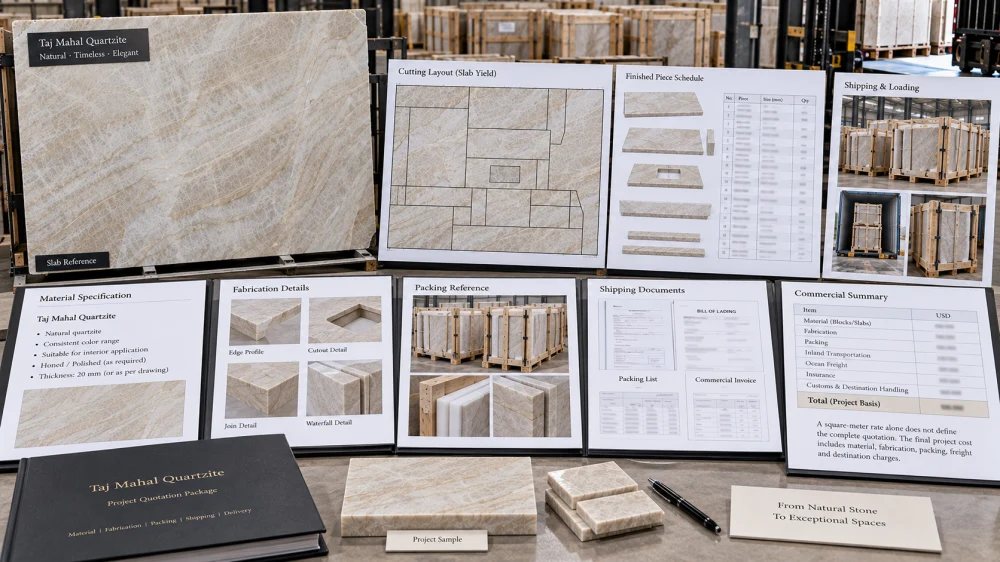
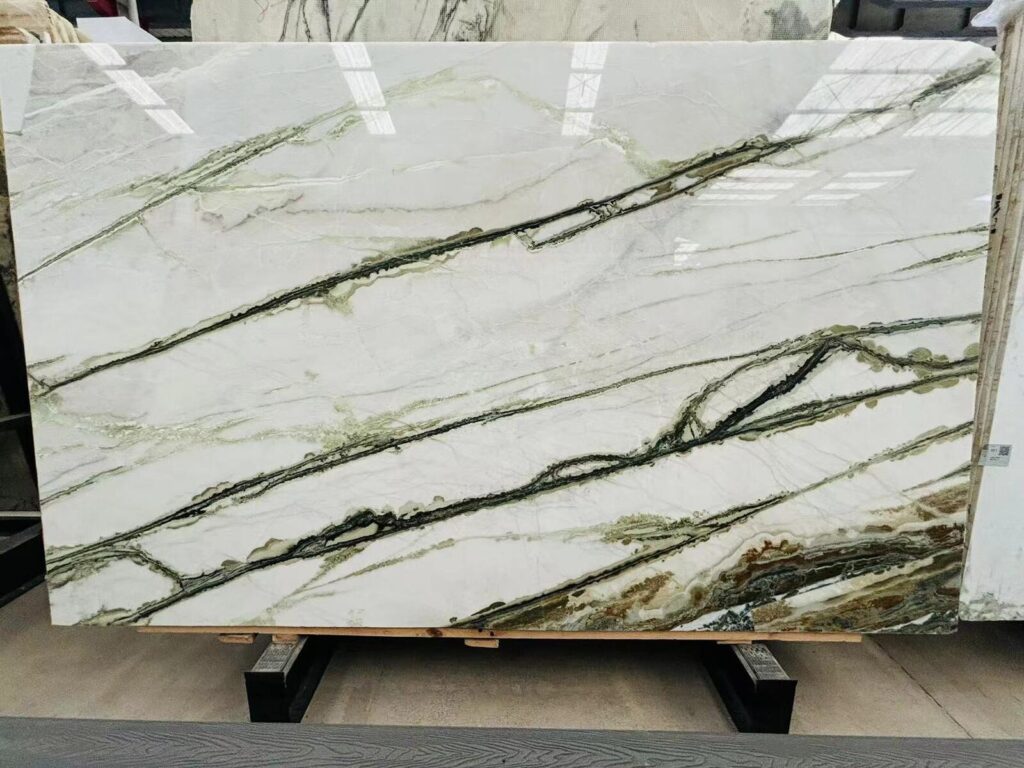
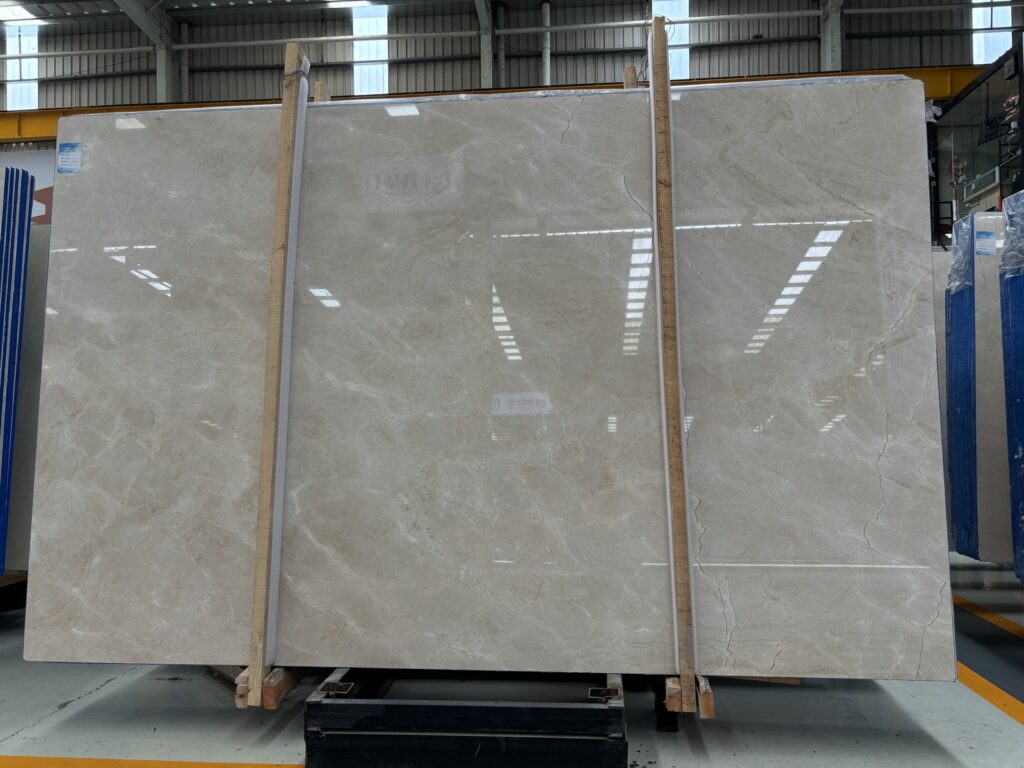
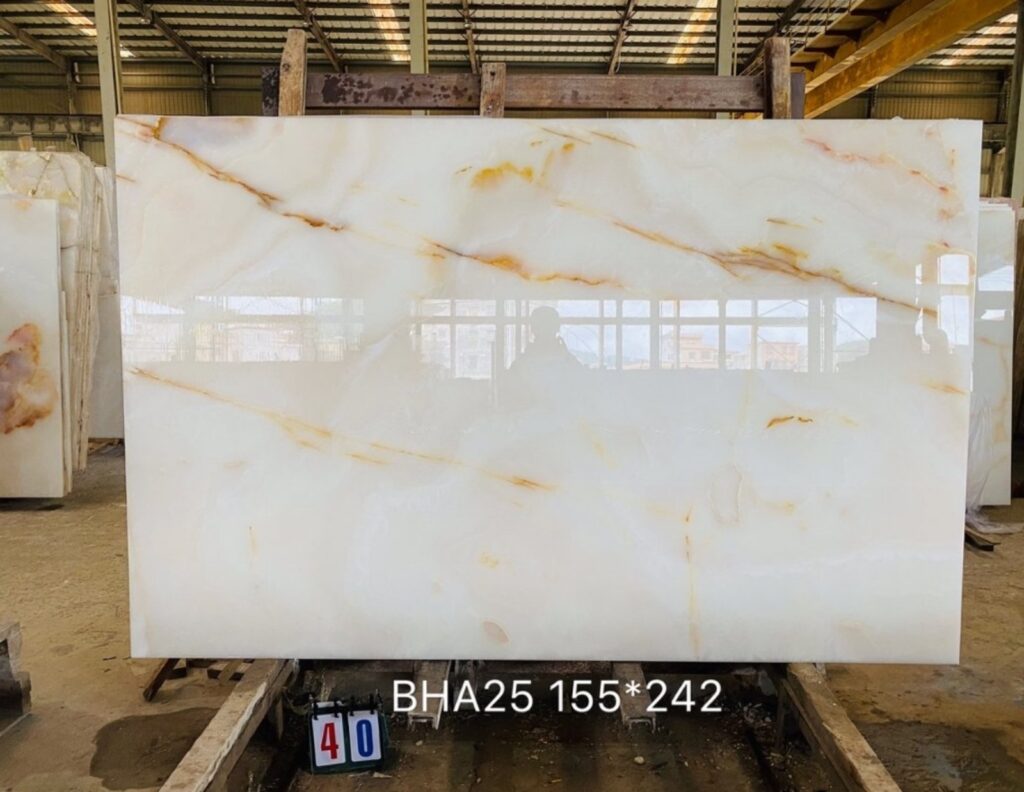
석영암 슬래브 견적서에는 측정 대상 면적과 실제 비용이 부과되는 면적이 명시되어야 합니다. 총 슬래브 면적, 사용 가능한 절단 면적, 완성된 순 면적, 그리고 비용 부과 대상 면적은 각각 다른 개념입니다. 또한, 프로젝트에 필요한 자재량보다 적더라도 최소 부과 금액이 적용될 수 있습니다. 두 개의 견적을 비교하기 전에, 단순히 제곱미터당 가격만이 아니라 재료, 슬래브 수량, 측정 기준, 가공, 포장, 운임, 통화 및 납품 조건 등을 동일한 기준으로 정규화해야 합니다.
프로젝트에서는 완성된 천연 석영암 12m²가 필요합니다.
공급업체 A는 15m²를 견적합니다.
공급업체 B는 12m²를 견적합니다.
공급업체 C는 완성된 조각 12m²를 표시하지만, 더 높은 최소 부과 금액을 적용합니다.
어느 석영암 슬래브 견적 이 실제로 더 저렴할까요?
그러한 면적 수치만으로는 답을 내릴 수 없습니다.
먼저 각 숫자가 의미하는 바를 파악하세요.
유의미한 비교는 다음과 같습니다:
필요한 완성 면적 → 실제 소모된 자재량 → 견적 기준 면적 → 최소 부과 금액 → 가공 범위 → 포장 → 운임 → 비교 가능한 총합
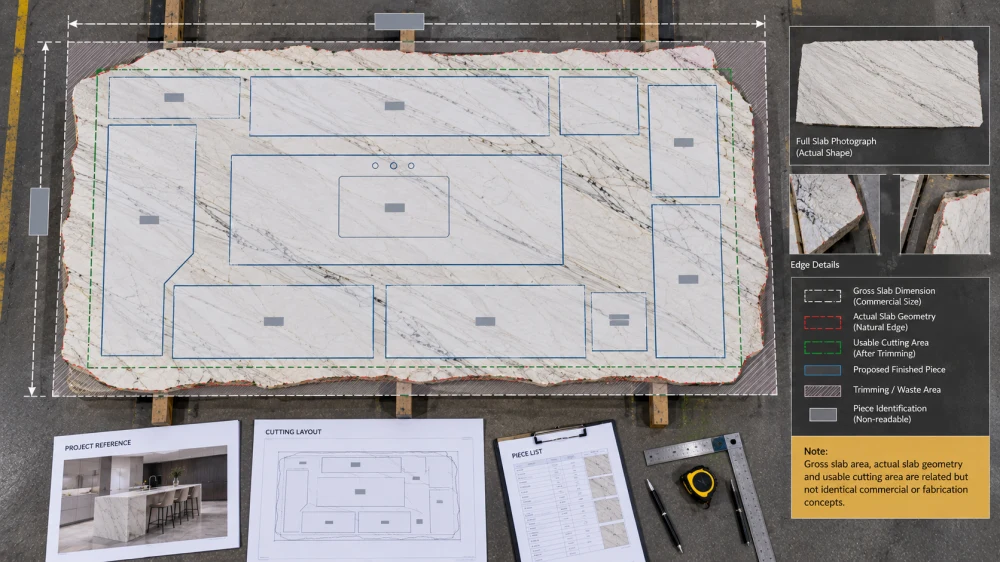
구매자가 반드시 구분해야 하는 네 가지 면적 용어
견적에서 가장 흔한 실수는 모든 제곱미터 수치를 동일한 의미로 간주하는 것입니다.
면적 용어
실질적 의미
구매자 질문
총 슬래브 면적
슬래브 치수 또는 공급업체가 명시한 슬래브 면적 기준이 나타내는 전체 면적
나는 슬래브 전체를 구매하는 것인가?
사용 가능한 슬래브 면적
프로젝트별 제약 조건을 고려한 후, 승인된 절단 배치에 실제로 기여할 수 있는 면적
내 조각들에 유용한 슬래브의 양은 얼마나 되는가?
완성된 순 면적
명시된 측정 기준 하에 필요한 완성 부품의 계산된 면적
내 도면에 포함된 완성된 석재의 양은 얼마인가?
비용 부과 대상 면적
공급업체가 상업적 계산에 실제로 사용하는 면적 또는 수량
견적 단가와 곱해지는 수량은 어느 것인가?
이들 수량이 서로 같을 수도 있습니다.
대부분은 그렇지 않습니다.
석영암 슬래브 견적에서 ‘총 면적’이란 무엇인가?
슬래브 거래에서 총 면적은 일반적으로 슬래브 치수 또는 공급업체가 명시한 측정 기준이 나타내는 면적을 의미합니다.
간단한 직사각형 예시를 보면:
몽블랑-석영암-총-슬래브-사용가능-면적
슬래브 길이 × 슬래브 너비 = 총 슬래브 면적
하지만 이는 그 총 직사각형의 모든 제곱센티미터가 완성된 조리대가 될 수 있다는 뜻은 아닙니다.
세 번째 공급업체는 이 용어를 아예 피하고 대신 다음과 같이 견적을 제시할 수도 있습니다:
complete slabs;
finished pieces;
linear-meter processing;
per-piece fabrication;
material consumption; or
a complete project package.
Quotation Rule
Never compare two “net area” figures until both suppliers have explained how the area is calculated and which commercial items are included in that figure.
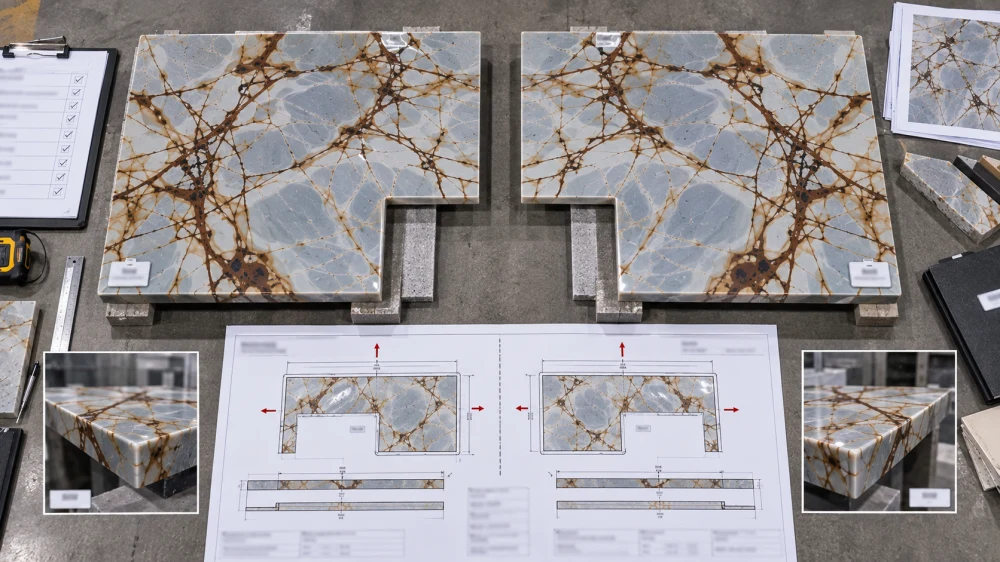
Finished Area Is Not the Same as Raw Material Consumption
Suppose the finished drawings contain a certain number of square meters of countertops, wall panels, vanity tops, or other components.
The factory may need more raw slab area than the finished net area because the pieces must actually fit inside real slabs.
“How much waste does the factory want to charge me for?”
It is a consequence of fitting the required finished geometry into actual natural-stone slabs under the approved project constraints.
What Is a Minimum Charge?
A minimum charge is a commercial rule under which the supplier charges at least a stated minimum amount, quantity, slab count, processing quantity, or other agreed commercial basis even when the immediate project requirement is smaller.
There is no single universal Natural Quartzite minimum charge.
Depending on the supplier and scope, a minimum may relate to:
a complete slab;
a minimum number of slabs;
a minimum material quantity;
a minimum fabrication amount;
a minimum processing charge;
a minimum packing requirement;
a special-order material commitment; or
another clearly stated commercial basis.
The quotation should state which one applies.
Minimum Charge Does Not Mean Minimum Order Quantity
These terms can overlap commercially, but they are not automatically the same.
Term
그것이 답하는 질문
최소 주문 수량(MOQ)
What is the minimum quantity the supplier will accept as an order?
최소 요금
What is the minimum commercial amount or quantity basis that will be charged?
A supplier could theoretically accept a small quantity while still applying a minimum processing or commercial charge.
Always confirm the actual quotation rather than assuming the two terms are interchangeable.
Why Might a Small Project Be Charged for a Full Slab?
This is one of the most important questions for buyers of premium Natural Quartzite.
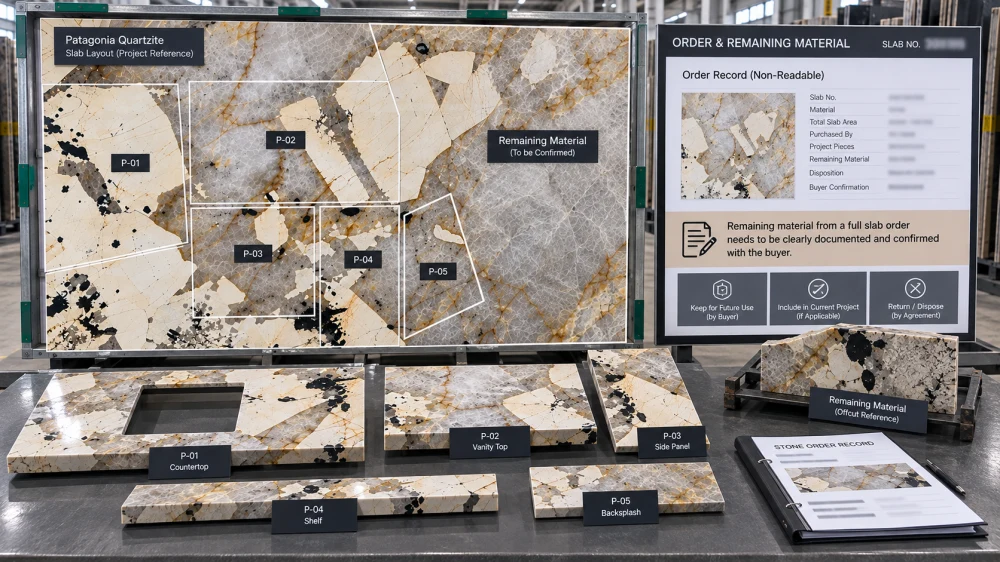
Imagine a project requires only part of one slab.
The supplier may still quote the complete slab if the commercial arrangement requires the buyer to purchase that slab rather than only the area physically converted into finished pieces.
That does not automatically mean the unused material is “waste.”
Ask what happens to the balance.
Possible commercial arrangements can include:
the buyer purchases the complete slab and the balance remains part of the order;
the balance is fabricated into spare pieces if agreed and practical;
the balance is packed with the order if agreed;
the supplier retains the balance under an agreed commercial arrangement; or
another written disposition is used.
The quotation should make this clear before payment.
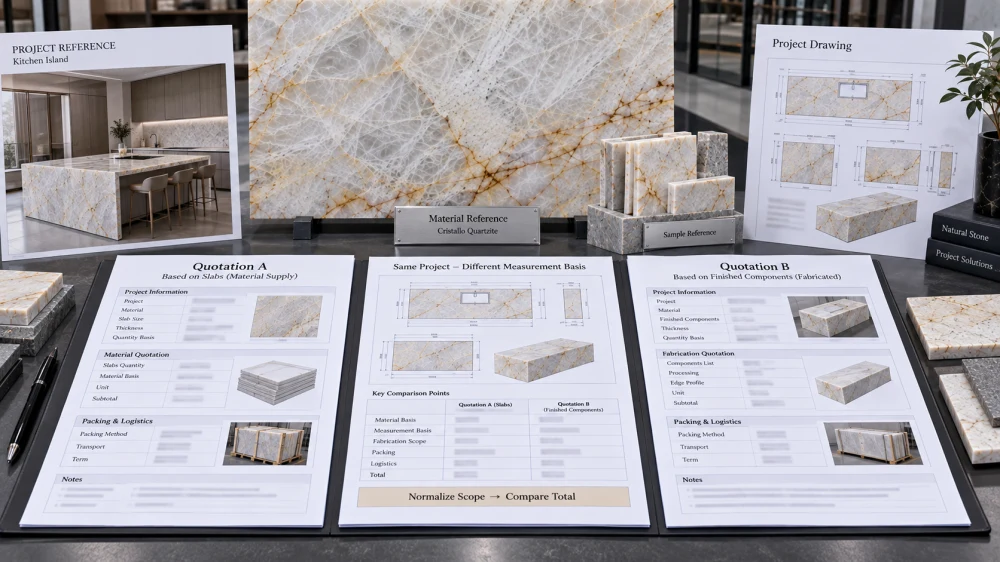
A Lower Price per Square Meter Can Produce a Higher Total
Consider a hypothetical comparison.
One supplier offers a lower material rate but charges complete slabs and excludes fabrication.
Another supplier shows a higher finished-piece rate but includes some fabrication and uses a different chargeable quantity.
The first $/m² can be lower while the completed commercial scope is higher.
This is why procurement teams should compare:
Comparable Total ÷ Comparable Scope
rather than ranking quotations by the first unit rate visible on the page.
Packing and Freight Can Change the Area Economics
Area pricing does not end at the factory invoice.
Raw slabs and finished pieces can require different packing and shipping arrangements.
For a project quotation, confirm whether the price includes:
slab packing or frame requirements;
reinforced export crates for finished pieces;
internal protection;
모서리 및 각진 부분 보호;
loading;
export documentation;
ocean freight;
destination charges;
duties or taxes where applicable; and
final delivery where quoted.
A quote that looks expensive at the material line can be more complete commercially, while a low material rate may leave several later costs outside the proposal.
Ask for the Quotation Formula in Plain Language
BUYER QUOTATION CHECK
01 — What quantity is my project drawing asking for?
02 — How much raw Quartzite is required?
03 — Am I purchasing complete slabs or only finished pieces?
04 — What does “gross area” mean in this quotation?
05 — What does “net area” mean in this quotation?
06 — What quantity is actually chargeable?
07 — Is there a minimum charge?
08 — What happens to unused slab material?
09 — Which fabrication items are included?
10 — Is packing included?
11 — What Incoterm / delivery scope applies?
12 — What is the final comparable total?
What Should a Clear Quartzite Slab Quote Show?
For an international project, a useful quotation can identify:
재료명;
actual slab reference or selection basis where applicable;
The goal is not to make every supplier use the same quotation format.
The goal is to make the commercial basis understandable enough to compare.
자주하는 질문
1. What is gross area in a Quartzite slab quote?
Gross area generally refers to the overall slab-area basis stated in the quotation, often related to the slab dimensions. It should not automatically be interpreted as usable cutting area or finished project area. Confirm the supplier’s exact measurement method in the quotation.
2. What is net area in a Quartzite quote?
순면적은 완성된 부품의 계산된 면적이거나, 다른 공급업체가 정한 측정 기준을 의미할 수 있습니다. 이 용어 자체만으로는 충분히 명확하지 않으므로, 구매자는 순면적이 어떻게 계산되는지와 폐기물, 가공, 절단, 가장자리 또는 기타 항목이 포함되는지 또는 제외되는지를 정확히 확인해야 합니다.
3. Why can finished Quartzite area be smaller than the chargeable area?
완성된 부품은 실제 판재에서 절단해야 합니다. 판재의 치수, 부품의 형상, 절단 여유, 배치 방향, 시각적 선별 기준, 이음새, 절삭 구멍, 맞춤 요구사항 등 기타 배치 제약 사항으로 인해 원자재 소요량이 최종 완성 면적보다 커질 수 있습니다. 또한 별도의 최소 출하 단위 요금이 상업용 수량에 영향을 미칠 수 있습니다.
4. What does minimum charge mean on a Quartzite quotation?
이는 공급업체가 당장의 수요량이 더 적더라도, 명시된 최소 상업적 금액, 수량, 슬랩 수, 처리 기준 또는 기타 정해진 요금을 적용함을 의미합니다. 모든 천연 석영암 공급업체나 프로젝트에 대해 통일된 최소 요금은 없으므로, 그 기준은 반드시 서면으로 명시되어야 합니다.
5. If I pay for a full Quartzite slab, do I own the remaining offcut?
양쪽 중 어느 쪽도 전제하지 마십시오. 주문하기 전에 상업적 계약 내용을 반드시 확인하시기 바랍니다. 견적서나 주문 기록에는 미사용 자재의 처리 방안이 명시되어야 하며, 이는 운송, 예비 부품으로 가공, 보관, 보유 또는 기타 방법으로 처리되는지 여부를 포함합니다.
6. Is minimum charge the same as MOQ?
반드시 그렇지는 않습니다. MOQ는 공급업체가 주문으로 수용할 수 있는 최소 수량을 의미하며, 최소 청구액은 부과되는 최소 상업적 금액 또는 수량 기준을 나타냅니다. 실제 견적서에는 해당 사항이 적용될 경우 두 가지 모두를 명시해야 합니다.
7. How should I compare two Quartzite slab quotes?
재질, 두께, 마감, 판재 수량, 완성 면적, 청구 가능 수량, 최소 청구 금액, 제작 범위, 포장, 운임, 통화, 견적 유효기간 및 납품 조건을 표준화하십시오. 단순히 평방미터당 헤드라인 가격만 비교하는 것이 아니라, 동일한 완성된 상업적 범위를 기준으로 비교하십시오.
최종 견적 규칙Do not compare Quartzite quotations until every area figure has a commercial meaning. Keep the chain visible: Finished Requirement → Actual Slab Consumption → Gross / Net Measurement Basis → Chargeable Quantity → Minimum Charge → Fabrication → Packing → Freight → Comparable Total.
For project-based Natural Quartzite quotations, HRST STONE can review current drawings, finished dimensions, actual slab requirements, cutting layouts, fabrication scope, packing requirements, and shipping destination before preparing the commercial scope. Send Josh the material name, dimensions, quantities, finish, drawings, edge and cutout requirements, packing requirements, and delivery destination so the quotation can clearly separate material, fabrication, packing, and logistics.
Hi, I am the author of this article. I have been working in the field of Natural Stone for more than 15 years. If you need customized Natural Stone services, please feel free to contact me.