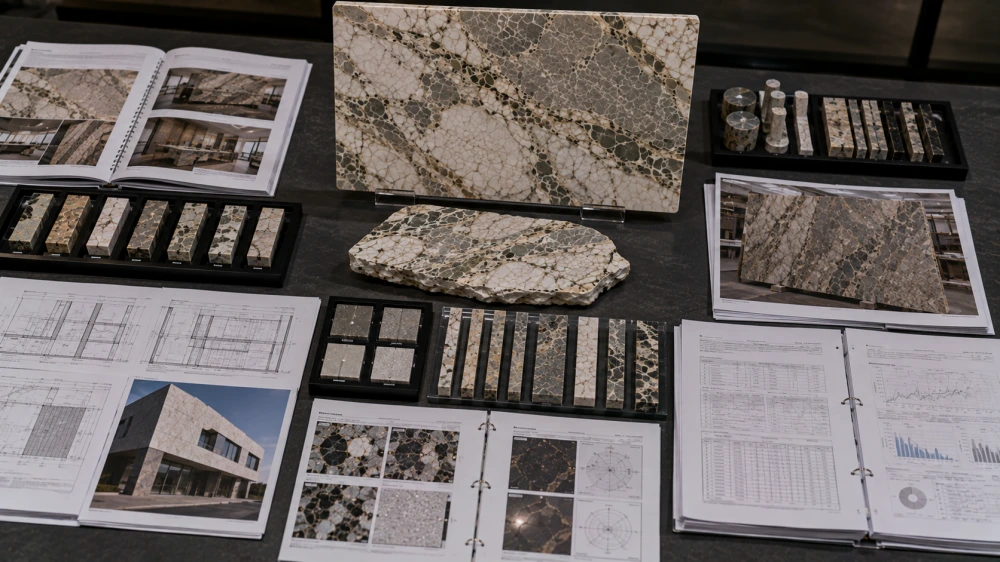
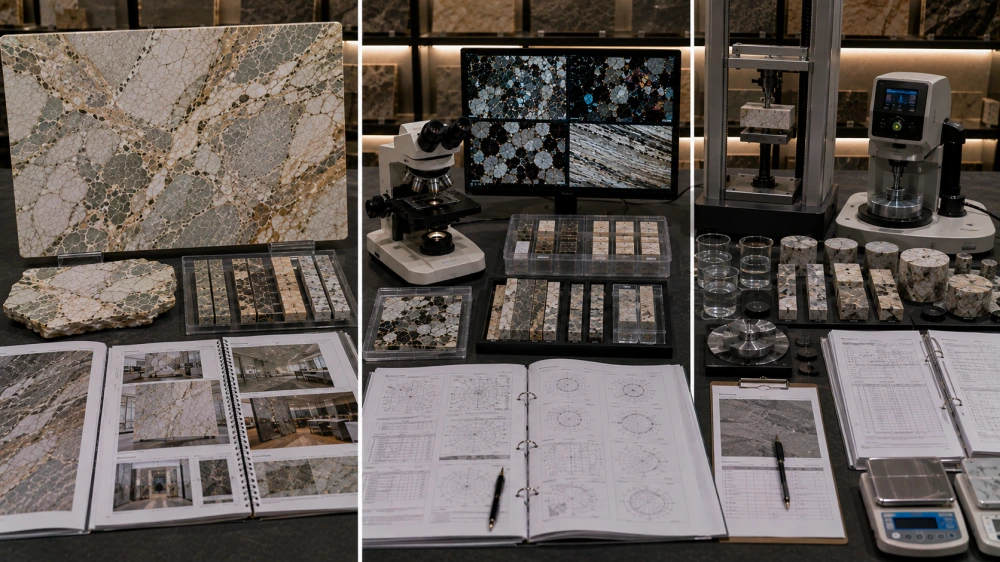
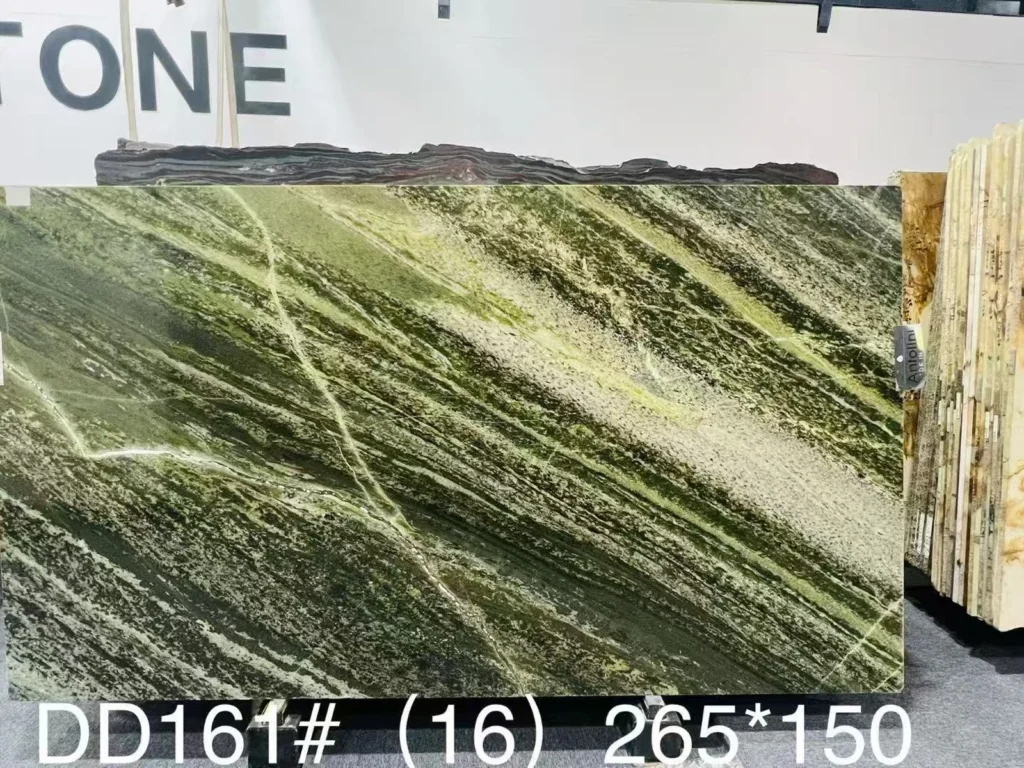
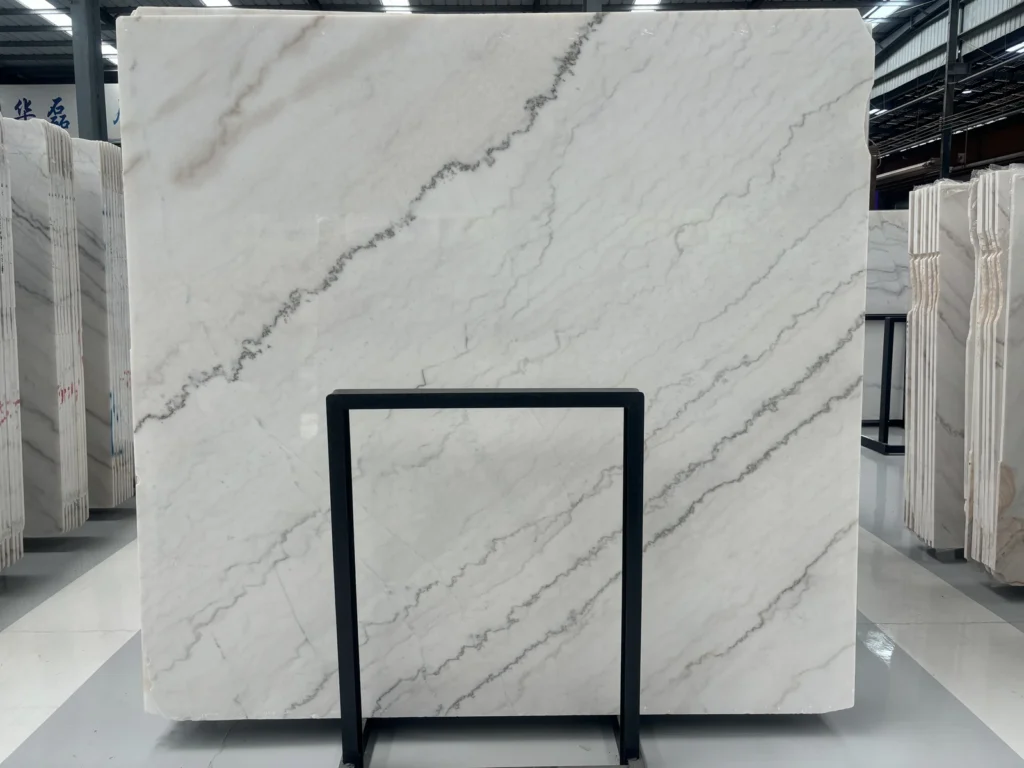
석회암의 상업적 이름과 지질학적 명칭은 반드시 동일한 것은 아닙니다. 상업적 이름은 해당 석재를 상업적으로 식별하는 데 사용되며, 지질학적 설명은 암석의 광물 조성, 조직 및 지질학적 특성을 기준으로 암석을 분류합니다. 대부분의 천연 석회암 규격에서는 구매자가 상업용 재료명과 함께 공급업체, 승인된 판재 또는 샘플 참조, 마감 처리, 두께 및 프로젝트 범위를 기록해야 합니다. 만약 지질학적 정체성이 규격에서 중요하다면, 상업적 이름을 근거 없는 지질학적 추정으로 대체하기보다는 검증된 암석학적 분류나 실험실 보고서의 참조를 추가하는 것이 바람직합니다.
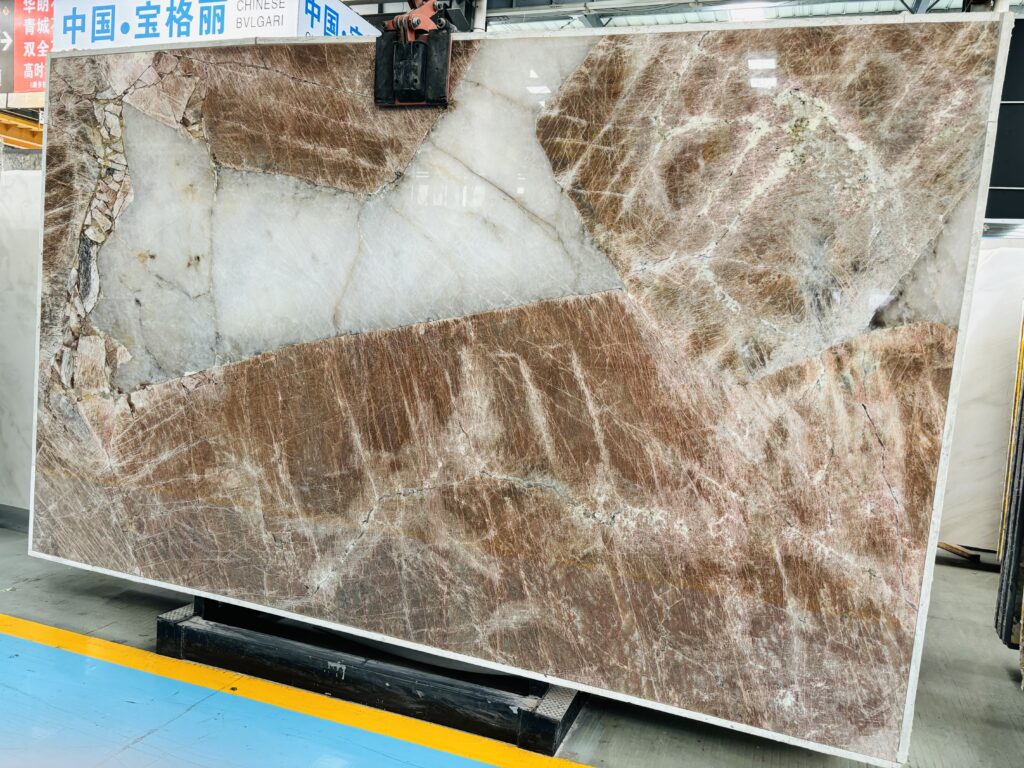
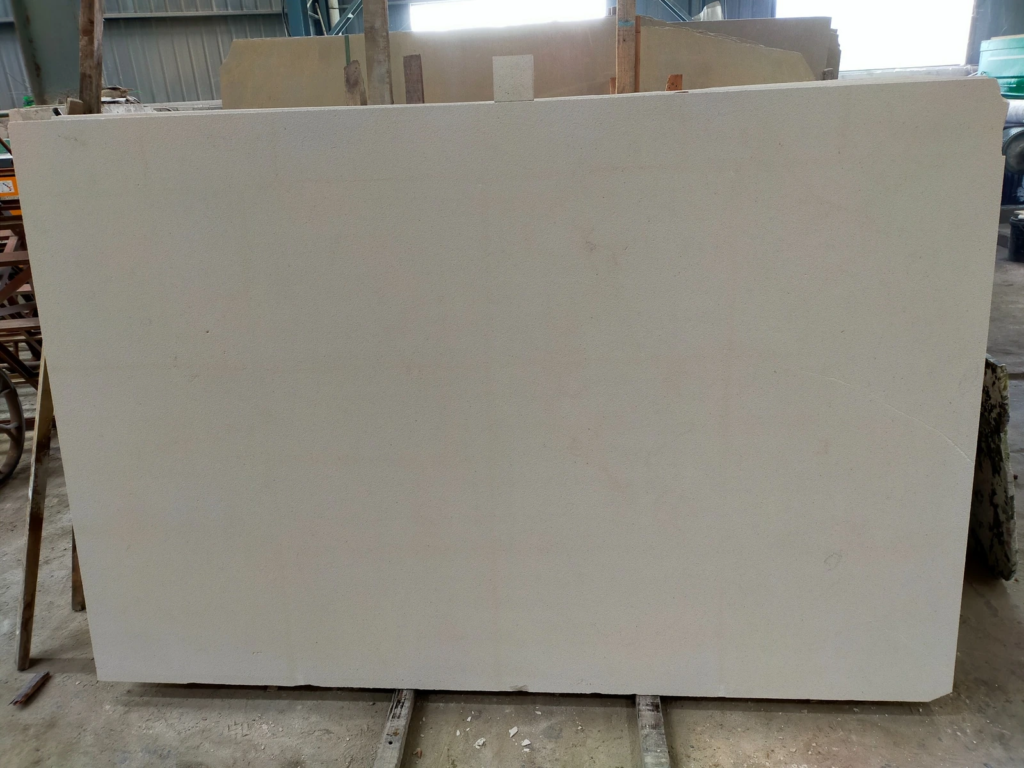
천연 석회암 프로젝트는 타지마할 석회암, 크리스탈로 석회암, 블루 로마 석회암 등 시장에서 널리 인정받는 상업적 이름으로 시작될 수 있습니다.
이러한 이름은 구매자, 공급업체, 설계자 및 가공업체 간의 의사소통에 유용합니다. 그러나 상업적 이름만으로 건축가에게 그 암석이 지질학적으로 어떤 종류인지 자동으로 알려주는 것일까요?
그렇지는 않습니다.
자연석 산업에서는 재료 선택, 가공 및 판매를 위해 상업적 카테고리를 활용합니다. 반면 지질학적 분류는 다른 질문에 답합니다: 검사된 재료가 광물 조성, 조직, 기원 및 지질학적 구조 등을 기준으로 어떤 종류의 암석인지 규정하는 것입니다.
규격 작성 시 실질적인 해결책은 일반적으로 한 가지 명칭 체계를 선택하고 다른 하나를 배제하는 것이 아닙니다.
대신 각각의 정체성을 별도로 유지하는 것이 좋습니다:
상업적 재료명 → 실제 판재/샘플 참조 → 검증된 지질학적 분류 → 프로젝트 규격.
석회암의 상업적 이름과 지질학적 이름의 차이는 무엇인가요?
상업적 이름은 천연 석회암을 상업용 석재 시장에서 식별하는 데 사용됩니다. 지질학적 이름은 과학적 분류에 따라 암석을 설명합니다.
이들 명칭 체계는 서로 다른 목적을 수행합니다.
Item
상업적/거래용 이름
지질학적 이름
주된 목적
석재 시장에서 재료를 식별하고 판매하는 것
과학적으로 암석을 분류하는 것
기반
시장 관행, 외관, 산지, 공급업체의 사용 사례 또는 확립된 상업적 정체성
광물학, 조직, 제조 방식, 지질학적 기원 및 기타 진단적 특징
전형적인 사용자
구매자, 공급업체, 설계자, 가공업체, 유통업체
지질학자, 암석학자, 실험실, 기술 컨설턴트
제품을 식별할 수 있나요?
상업적으로는 가능합니다.
올바르게 판단된다면 지질학적으로도 가능합니다.
물리적 성능을 입증할 수 있나요?
아니오
아니오; 별도의 물리적 시험은 여전히 필요할 수 있습니다.
중요한 구매 원칙은 다음과 같습니다:
상업적 이름이 자동으로 지질학적 진단을 의미하는 것은 아니며, 지질학적 분류 역시 올바른 판재를 구매하는 데 필요한 상업적 정체성을 대체하지 못합니다.
석회암-상업적-이름-vs-지질학적-이름
왜 상업용 석재 이름은 과학적 암석 이름과 다를까요?
자연석 거래에서는 석재를 구매하고, 판매하며, 설계하고, 가공하고, 규격을 정하는 데 필요한 실용적인 용어가 필요합니다.
과학적 지질학은 훨씬 더 세밀한 분류 체계를 가지고 있습니다.
결과적으로 상업용 석재 카테고리는 수많은 지질학적 암석 유형을 시장에서 인정받는 소수의 재료 그룹으로 단순화합니다.
이 때문에 특정 석재는 다음과 같은 특징을 가질 수 있습니다:
석재 산업에서 사용되는 상업적 카테고리
특정 시장의 상업적 이름
보다 정확한 지질학적 분류
이러한 설명들은 서로 교환 가능하지 않으면서도 동시에 존재할 수 있습니다.
“석회암”은 지질학적으로 무엇을 의미하나요?
지질학적 용어에서 석회암은 일반적으로 원래의 고규산질 재료가 매우 강하게 경화되고, 많은 경우 다시 결정화되어 견고한 결합 구조를 이루는 고규산질 암석을 지칭합니다.
그러나 상업용 치수석 시장에서는 단순한 학문적 암석 명명법이 아니라 건축용 석재 선정 및 성능 그룹을 위한 분류 체계를 사용합니다.
예를 들어, ASTM C616/C616M 표준은 규산질 치수석을 다루며 이 표준의 분류 체계에는 사암, 규산질 사암, 석회암 등의 카테고리가 포함되어 있음을 인정합니다.
이는 중요한 문제입니다. 구매자는 규산 관련 상업적 설명을 사용해 판매되는 모든 재료가 지질학적 분류나 성질이 동일하다고 단정해서는 안 되기 때문입니다.
프로젝트에서 지질학적 분류가 중요한 경우에는 검증된 정보를 사용해야 합니다.
석회암의 상업적 이름이 그 석재가 지질학적으로 석회암임을 증명할 수 있을까요?
No. The commercial name alone should not be treated as geological proof.
A trade name tells the project team which commercial stone is being discussed. Geological verification requires evidence appropriate to that question.
If classification is important, the evidence may include a petrographic examination or another qualified geological assessment of an identified sample.
The distinction can be summarized as:
Trade Name = Commercial Identity Petrographic Classification = Geological Evidence
This does not mean commercial names are unreliable or should be removed. They remain essential for identifying slabs in the supply chain.
The problem occurs only when a commercial label is used to claim a geological fact that has not been independently established.
What Should Go on a Natural Quartzite Specification?
For most commercial and architectural projects, a Natural Quartzite specification should identify the actual material being purchased rather than rely on a geological term alone.
A practical specification record may include:
Specification Field
Recommended Information
중요한 이유
Commercial Material Name
Name used to purchase and identify the Natural Quartzite
Connects the specification to the stone supply chain
재료 유형
Natural stone / Natural Quartzite as applicable to the verified project record
Avoids confusion with Engineered Quartz
Supplier
Approved or proposed supplier
Improves material traceability
Slab / Sample Reference
Approved slab photographs, lot reference, control sample, or other current material reference
Connects the name to the actual selected material
두께
Project-required stone thickness
Defines an important fabrication and procurement input
마치다
Polished, honed, leathered, or other approved finish
Controls the required finished surface
애플리케이션
Countertop, wall, flooring, vanity, facade, or other project element
Connects technical requirements to actual use
Geological Classification
Add when verified and when relevant to the specification
Separates geological evidence from commercial naming
Petrographic Report Reference
Laboratory, report number, date, and sample reference where applicable
Makes geological verification traceable
Physical Test References
Applicable project-required test data
Keeps performance evidence separate from naming
natural-quartzite-specification-material-record
Should the Specification Use the Trade Name or the Geological Name?
In most Natural Quartzite procurement specifications, the commercial trade name should remain because it identifies the material being purchased. If geological classification is important, add it as a separate verified field rather than silently replacing the trade name.
For example, the project record can follow this structure:
Commercial Name: [Approved Natural Quartzite Trade Name] Supplier: [Approved Supplier] Approved Material Reference: [Slab / Lot / Sample Reference] Finish: [Specified Finish] 두께: [Specified Thickness] Geological Classification: [Classification if independently verified] Petrographic Reference: [Report Reference if applicable]
This structure gives the buyer both commercial clarity and technical traceability.
Why Should You Keep the Commercial Name on the Specification?
Imagine that an architect removes the commercial stone name and writes only a general geological term such as “quartzite.”
That may still leave the supplier with hundreds of visually different materials that could potentially fall within the stated category.
The project has lost critical purchasing information.
A commercial name helps identify:
The intended visual family
The material being quoted
The slabs being reviewed
The supplier’s commercial product reference
The basis for layout and sample approval
Geological classification provides technical context, but it cannot substitute for these procurement functions.
Why Is the Geological Description Still Useful?
The geological description becomes important when a project needs more than market identification.
It can help answer questions such as:
How is the tested rock classified?
What is its dominant mineralogy?
How are the mineral grains arranged?
Is the rock description consistent with the intended technical specification?
Are there accessory minerals or textural characteristics that deserve additional review?
This makes geological information particularly useful for:
Architectural technical submittals
Consultant-reviewed projects
Large commercial specifications
Material-classification disputes
Projects requiring petrographic documentation
Cases where commercial terminology creates uncertainty
Commercial Name vs Geological Classification vs Physical Performance
One of the most important specification mistakes is treating these three categories as though they prove the same thing.
They do not.
Information
Main Question Answered
Does It Replace the Others?
Trade Name
Which commercial stone are we buying?
아니오
Petrographic / Geological Classification
What type of rock is the tested sample?
아니오
Physical Test Data
How did the tested specimens perform under a defined test method?
아니오
Slab Approval
Do the actual slabs meet the visual and layout requirements?
아니오
The strongest Natural Quartzite specification therefore does not ask one document to do four different jobs.
A petrographic report can help when the project needs evidence about the geological identity of a submitted stone sample.
Petrographic examination can investigate characteristics such as:
Mineral composition
Rock texture
Grain relationships
Fabric
Accessory minerals
Alteration
Fractures or microfractures where observed
Commercial and geological classification within the examination scope
The report should remain connected to the sample that was actually examined.
A petrographic result from one specimen should not automatically be presented as proof that every slab from every block or future batch has identical mineral proportions, appearance, or microstructure.
Does a Geological Name Prove the Stone’s Performance?
No. Geological classification and physical performance are different questions.
A geological description can tell the project team what kind of rock was examined. It does not by itself provide every physical property required for design or installation.
Depending on the application, separate test information may be relevant for characteristics such as:
Water absorption
Density
Compressive strength
Modulus of rupture
Abrasion resistance
Other project-specific physical properties
ASTM C616/C616M, for example, addresses physical requirements for quartz-based dimension stone, including several physical-property categories. Geological naming should therefore not be used as a substitute for required test values.
Does a Physical Test Prove Geological Classification?
The reverse is also true.
A stone can have a set of measured physical properties, but those values alone do not necessarily provide the same mineralogical and textural information as petrographic examination.
Use the right evidence for the right question:
Need product identity? → Commercial name and slab reference. Need geological identity? → Petrographic or qualified geological evidence. Need physical-property values? → Appropriate physical testing. Need visual approval? → Actual slab review and layout approval.
Natural Quartzite Is Not Engineered Quartz
The specification should also avoid shortening “Natural Quartzite” to an ambiguous use of the word “quartz” where that could create confusion.
Natural Quartzite is a natural stone.
Engineered Quartz is a manufactured surface product.
The names sound similar, but the materials, manufacturing origins, slab characteristics, variation patterns, fabrication considerations, and specification routes are different.
For procurement documents, drawings, RFQs, and purchase orders, write the intended material category clearly.
How Should Architects Write a Quartzite Specification?
Rather than writing only:
“Provide quartzite.”
a more controlled specification can identify the purchasing and approval basis.
예를 들어:
Material: 천연 쿼츠라이트 Commercial Name: Approved trade name Supplier: Approved supplier Approved Reference: Current slab / sample / lot reference 두께: Project specification Finish: Project specification Visual Approval: Actual slabs subject to approved review procedure Geological Classification: Record separately where verified or required Technical Test Data: Submit where required by project specification
This avoids both extremes:
A specification that relies only on a marketing name
A specification so geological that the purchasing team cannot identify the intended commercial material
Should a Petrographic Name Replace the Trade Name After Testing?
Usually, no.
If petrographic testing gives a more precise geological classification, retain that technical description in the project record while keeping the commercial name needed for procurement.
This is much clearer than allowing one term to overwrite the other.
Can Two Suppliers Use Different Names for Similar Quartzite?
Yes, commercial naming practices can vary across suppliers and markets.
A buyer should therefore avoid assuming that two similar names automatically mean identical material or that two different names automatically mean different geology.
For an international quotation comparison, confirm:
Current slab photographs
Slab dimensions
Block or lot references where available
Supplier material reference
Color and movement
두께
마치다
Quantity
Geological or petrographic documentation if required
Ultimately, the purchase is for actual stone slabs, not for the material name alone.
Can One Trade Name Cover Visually Different Slabs?
Yes. Natural Quartzite is a natural geological material and can show meaningful variation between blocks and slabs.
Even when the commercial name remains constant, buyers may encounter differences in:
Background color
Vein movement
Mineral distribution
Crystalline areas
자연 발생 균열
Contrast
사용 가능한 판재 면적
That is another reason the specification should contain an actual slab approval mechanism rather than relying on the trade name as a visual guarantee.
Trade Name vs Slab Approval: Which Controls Appearance?
The actual approved slab or agreed material-control reference should control project appearance more directly than the generic trade name.
A trade name establishes which commercial material family is intended.
Actual slab review establishes what the buyer is approving.
For visually sensitive Natural Quartzite projects, the review may include:
Full-slab photographs
Consecutive slab review
Slab numbers
Vein direction
Bookmatch or slip-match sequence where relevant
절단 배치도
Visible-face orientation
Waterfall alignment
Joint positions
Geological terminology cannot replace this visual-control step.
quartzite-trade-name-vs-actual-slab-approval
Worked Specification Example
Consider a hypothetical luxury kitchen using a commercially selected Natural Quartzite.
The designer originally writes:
“Kitchen countertop: quartzite, polished.”
This is too broad for controlled international procurement.
A stronger project record might become:
Field
Example Record
Material Category
천연 쿼츠라이트
Commercial Name
Selected market trade name
Material Reference
Current approved slab set / supplier reference
두께
20mm
마치다
폴리시드
Visual Control
Actual slab approval plus cutting-layout review
Geological Classification
Record only if verified or required
Petrographic Report
Attach report reference if required by project
Performance Tests
Provide applicable project-required test data separately
The trade name still identifies the product, but it is no longer being asked to prove geology, slab appearance, or performance by itself.
Common Specification Mistakes
Common Mistake
위험을 초래하는 이유
Better Practice
Using only “quartzite”
Does not identify the intended commercial material
Add trade name and material reference
Treating a trade name as geological proof
Commercial naming is not the same as petrographic classification
Use verified geological evidence when needed
Replacing the trade name with only a geological name
Can make the intended stone difficult to identify commercially
Record commercial and geological identity separately
Strength, absorption, and other properties require appropriate evidence
Reference applicable physical test data separately
Using one small sample as visual approval
Natural slab variation may be much larger than the sample shows
Review actual slabs for visually sensitive work
Writing “quartz” for Natural Quartzite
Can create confusion with Engineered Quartz
Write the full intended material category
Natural Quartzite Specification Checklist
Before issuing a Natural Quartzite specification or purchase order, confirm:
Material Category: Does the document clearly say Natural Quartzite where appropriate?
Commercial Name: Is the selected trade name recorded?
Supplier: Is the material source in the current enquiry identifiable?
Slab Reference: Are the actual offered or approved slabs traceable?
두께: Is the specified thickness clear?
Finish: Is the approved surface finish stated?
애플리케이션: Is the stone element identified?
Visual Approval: Is there a slab, sample, or layout approval route?
Geological Classification: Is it needed, and if so, is it supported by qualified evidence?
Petrographic Reference: Is the tested sample connected to the report?
Physical Tests: Are required performance values supported separately?
Drawings: Are current dimensions, joints, edges, cut-outs, and orientations coordinated?
Natural Variation: Does the approval process recognize that slabs may vary?
구매자 FAQ
1. What is the difference between a quartzite trade name and a geological name?
석영암의 상업적 명칭은 석재 제품을 구매하고, 판매하며, 규격을 정할 때 사용되는 상업적 식별명입니다. 지질학적 명칭은 광물 조성, 조직, 지질학적 기원 및 기타 과학적 특성에 따라 암석을 분류합니다. 이 두 가지 명칭 체계는 서로 다른 목적을 위해 사용되며, 자동적으로 서로 교환될 수 있는 것은 아닙니다.
2. Can a quartzite trade name be used by itself in a specification?
이는 의도된 상용 재료를 식별할 수 있지만, 보다 강력한 사양에는 관련 공급업체, 판재 또는 시편의 참조 번호, 두께, 마감 처리, 용도 및 승인 요건 등이 함께 기록되어야 합니다. 단순히 상표명만으로는 지질학적 분류나 물리적 성능에 대한 증거로 간주되어서는 안 됩니다.
3. Should the geological name replace the commercial quartzite name?
보통은 그렇지 않습니다. 상업적 명칭은 조달 및 판재 식별에 여전히 유용합니다. 지질학적 분류가 중요한 경우, 검증된 지질학적 설명 또는 암석학적 보고서의 참조를 별도의 항목으로 추가하십시오.
4. How can a buyer verify whether a stone is geological quartzite?
지질학적 분류가 중요한 경우, 식별된 시료에 대한 전문적인 암석학적 검사는 광물 조성, 조직 및 분류에 관한 정보를 제공할 수 있습니다. 그 결과는 반드시 검사된 특정 시료와 연관되어야 합니다.
5. Does geological quartzite automatically meet every project performance requirement?
아니오. 지질학적 분류는 물리적 성질 시험을 대체하지 않습니다. 수분 흡수율, 밀도, 강도, 내마모성 등 프로젝트와 관련된 기타 요구 성능 값은 적절한 시험 방법에 의해 확인되어야 합니다.
6. Can different suppliers use different commercial names for similar stone?
네. 상업적 명칭은 공급업체와 시장에 따라 다를 수 있습니다. 구매자는 단순히 유사하거나 다른 명칭만으로 재료의 동등성을 판단하기보다, 실제 슬랩 사진, 재료 참조 자료, 치수, 외관, 마감 및 기술 문서를 비교하여 검토해야 합니다.
7. Is Natural Quartzite the same as Engineered Quartz?
아니요. 천연 석영암은 천연석이며, 엔지니어드 쿼츠는 인공 제조된 표면 재료입니다. 구매 문서에는 두 가지를 혼동하지 않도록 의도한 재료의 범주를 명확히 기재해야 합니다.
8. What is the best way to specify a Natural Quartzite for a visual project?
상업용 자재명과 공급업체 참조를 기록한 뒤, 이를 실제 슬래브 승인, 두께, 마감, 적용 분야, 도면 및 배치 요구사항과 연계하십시오. 프로젝트에서 필요할 경우 지질학적 분류와 실험실 시험에 관한 참고자료도 별도로 추가하십시오.
마지막 메모
Quartzite trade names and geological names should not compete for one line in the specification. They answer different questions. Use the commercial name to identify the stone being purchased, connect that name to the actual slabs or approved sample, and add a verified geological classification when the project requires it. Keep physical test data and visual slab approval as separate evidence. This gives the buyer a specification that is commercially usable, technically traceable, and less dependent on assumptions created by material naming alone.
Hi, I am the author of this article. I have been working in the field of Natural Stone for more than 15 years. If you need customized Natural Stone services, please feel free to contact me.