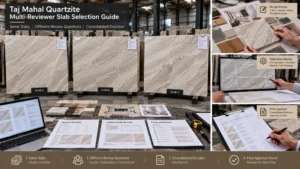
Реальность закупок: доступность кварцита и фарфоровой плиты из Китая
Post navigation
Краткое резюме
Натуральный кварцит и фарфоровые плиты могут оба подойти для серьёзных проектов по изготовлению столешниц и интерьерных решений, однако это разные материалы, и их не следует выбирать по одному и тому же списку. Натуральный кварцит — это природный метаморфический камень, отличающийся вариативностью от плиты к плите. Фарфоровая плита — это искусственная поверхность. При выборе натурального кварцита и фарфоровой плиты из Китая международным покупателям следует сопоставить техническое задание, процедуру визуального утверждения, метод изготовления, ожидания по обслуживанию и требования к доставке, прежде чем определиться с предпочтительным материалом.
Доступность — это не только вопрос наличия названия материала в интернете. Для международного проекта действительно важен вопрос: можно ли проверить и согласовать выбранный материал, визуальные ожидания, количество, размеры, отделку, объём производства, упаковку и план доставки в контролируемом режиме? Натуральный кварцит и фарфоровая плита имеют разные пути закупки, поскольку один является природным камнем, а другой — искусственной поверхностью.
Для импортёра, производителя, архитектора, подрядчика или команды по закупкам практический вопрос заключается не в том, какой материал универсально лучше. Вопрос в том, какой материал можно специфицировать, утвердить, изготовить, установить и эксплуатировать с минимальными непредотвратимыми рисками именно для данного проекта. Прочное решение начинается с чёткого письменного техзадания, представительной экспертизы материалов и согласования всех деталей, влияющих на конечный результат.
закупка-кварцита-и-фарфоровой-плиты-из-Китая
Начните с различий материалов
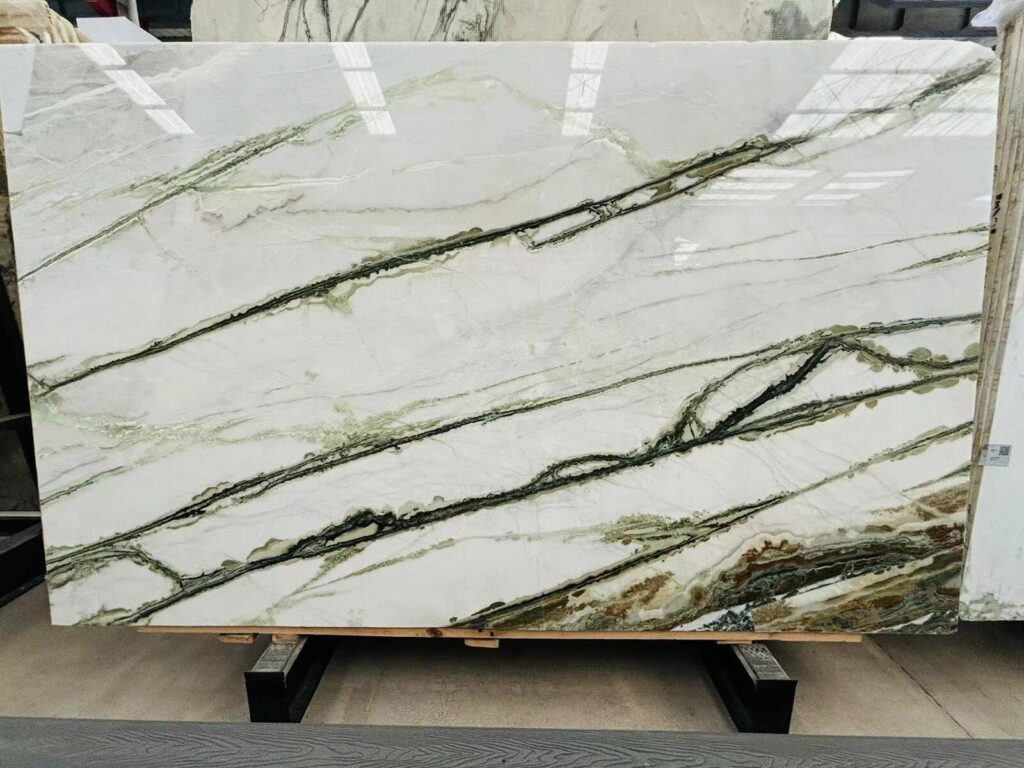
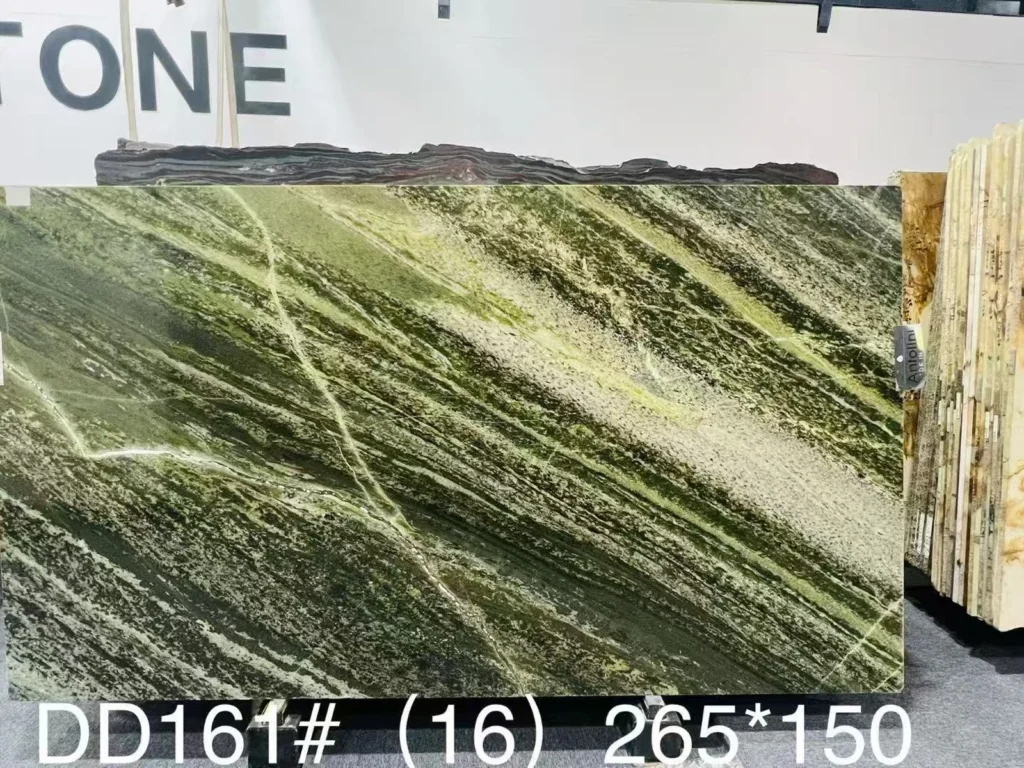
Натуральный кварцит — это природный камень, поэтому его цветовые изменения, прожилки, минеральные особенности и местная текстура могут варьироваться как внутри одной плиты, так и между разными плитами. Эти характеристики могут стать преимуществом дизайна, если проект ценит уникальную природную поверхность. Однако это также означает, что утверждение должно основываться на фактических плитах или чётких современных изображениях, а не только на коммерческом названии или небольшом образце. Фарфоровая плита изготавливается промышленным способом и, соответственно, оценивается по собственному ассортименту продукции, вариантам отделки и инструкциям по изготовлению.
Ни один из этих материалов не должен описываться общими обещаниями по эксплуатационным характеристикам. Покупатель должен уточнить целевое назначение, толщину, профиль кромки, условия поддержки, отделку и требования по уходу, рассматривая их в совокупности. Для натурального кварцита изготовитель должен оценить конкретную структуру плиты и её визуальное направление перед раскроем. Для фарфоровой плиты — следовать указаниям по обращению и обработке, соответствующим данной продукции. Такое различие позволяет проводить сравнение честно и полезно.
Доступность начинается с чёткого техзадания
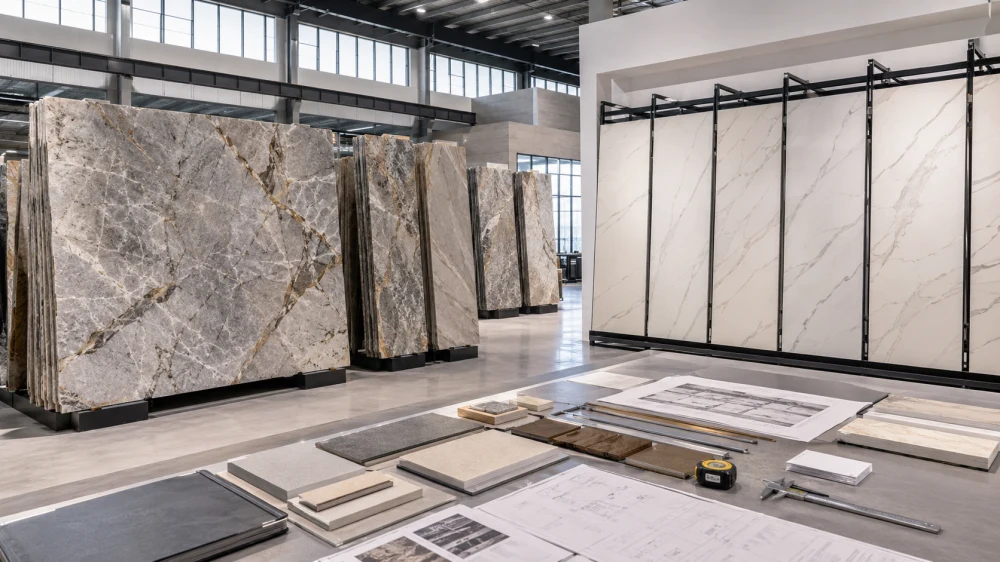
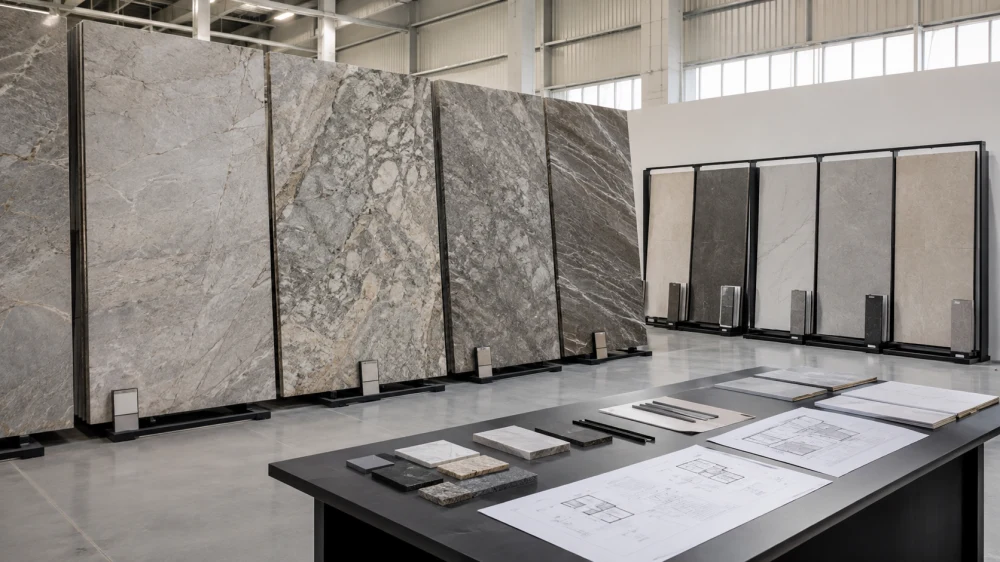
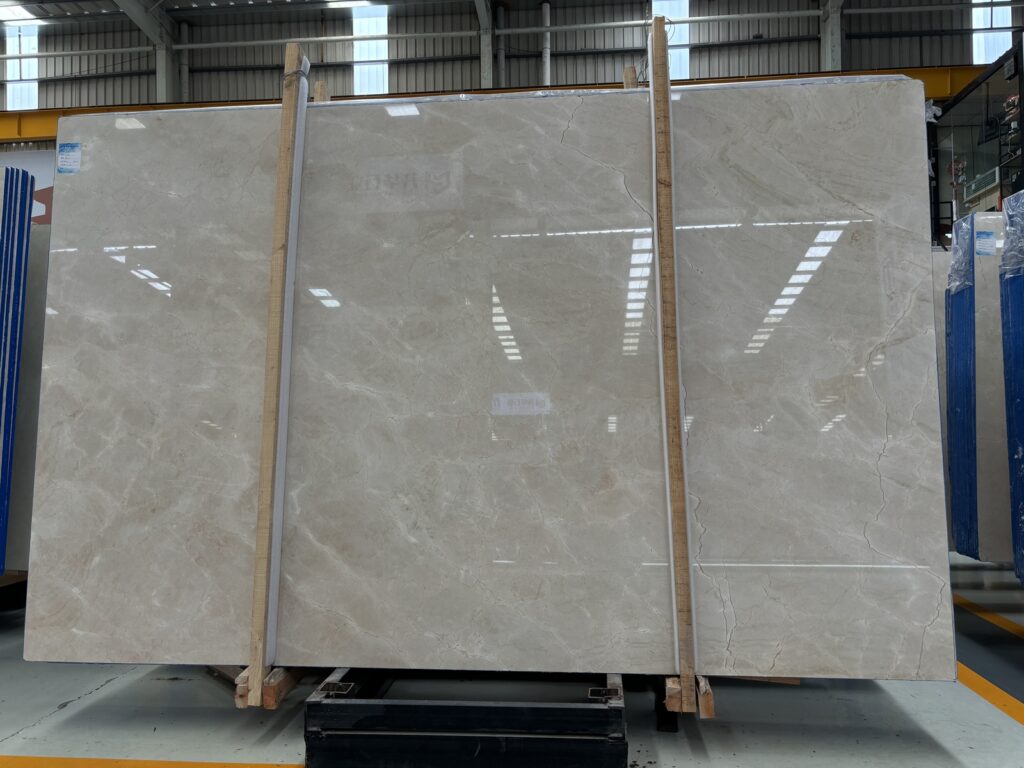
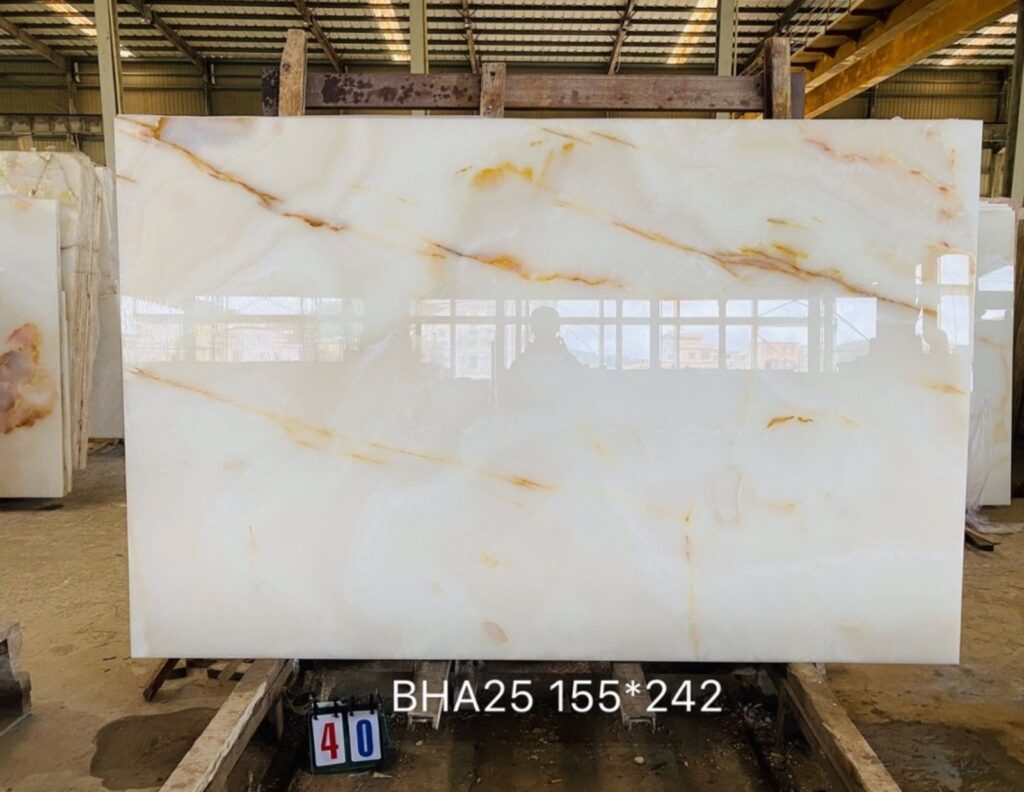
Для натурального кварцита просите рассмотреть актуальные плиты или текущие изображения материала, если важны визуальные характеристики. Коммерческое название камня может скрывать значительные природные вариации, поэтому покупатель должен уточнить предпочтительный оттенок, характер движений, видимые стороны и приоритеты компоновки. Для фарфоровой плиты определите выбранный ассортимент, отделку, размер и визуальные требования. В обоих случаях доступность следует проверять по актуальным данным проекта, а не исходить из старого фото, общего каталога или несвязанного образца.
Грамотная спецификация разграничивает то, что относится к дизайнерским предпочтениям, и то, что является контрольными параметрами. Дизайнерские предпочтения включают оттенок, направление прожилок, книжное сопряжение, внешний вид кромки и взаимосвязь плиты с окружающими отделками. Контрольные параметры включают утверждение компоновки, расположение вырезов, опору, допуски на движение, детали стыков, упаковку и проверку при получении. Если эти вопросы оставлять до поздней стадии проекта, сравнение материалов становится менее важным, чем предотвратимая проблема координации.
кварцит-фарфор-текущая-доступность-материала
Используйте процесс утверждения под контролем покупателя
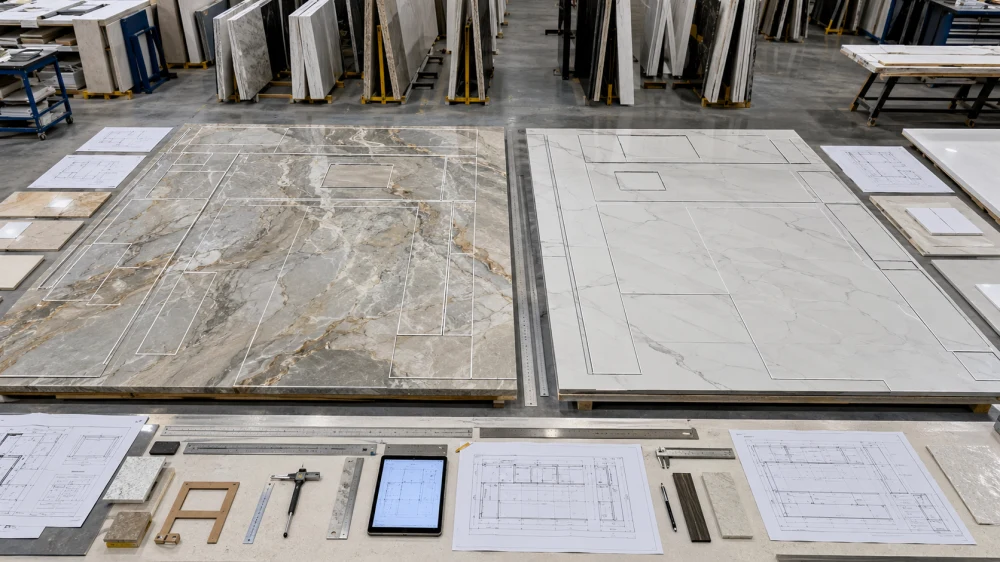
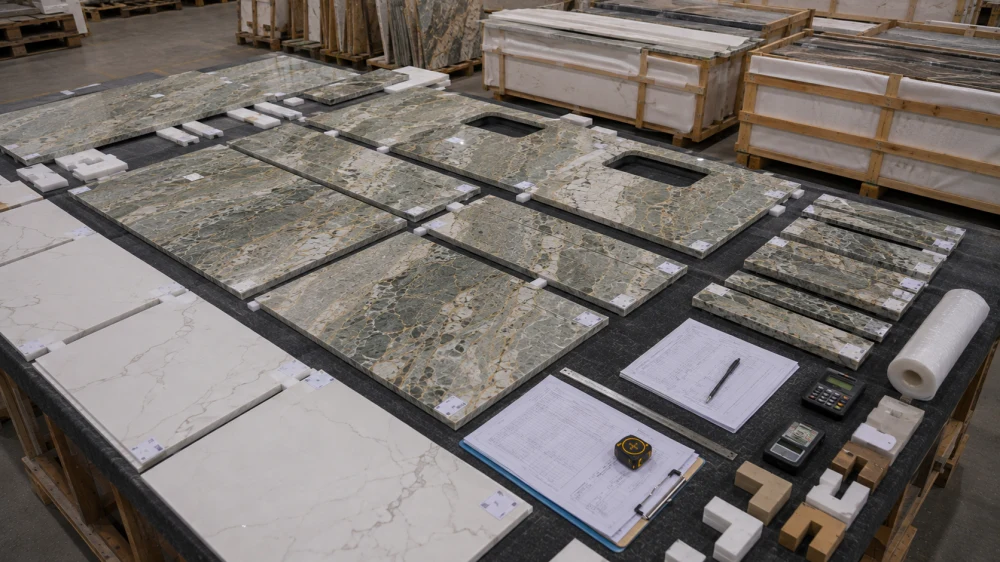
Для натурального кварцита подтвердите утверждённый материал по актуальным плитам и зафиксируйте выбранные стороны, видимые участки и предполагаемое направление прожилок. Попросите изготовителя показать компоновку перед необратимыми резами, особенно там, где предусмотрены длинные участки, повороты, островки, стеновые панели или книжные композиции. Природные особенности следует рассматривать в контексте, чтобы команда согласовала, что считается визуально приемлемым, вместо того чтобы воспринимать каждую минеральную отметку как непредвиденный дефект.
Для фарфоровой плиты запросите соответствующую информацию о отделке, партии или ассортименте из выбранной линейки продукции, а также предлагаемый изготовителем способ резки и обработки кромки. Команда проекта должна убедиться, что выбранный дизайн, стратегия стыков, основа и подход к обработке совместимы. В обоих случаях письменные утверждения надёжнее, чем предположения, основанные на маркетинговом изображении, несвязанной установке или неполном образце.
Decision area
Контроль покупателя за натуральным кварцитом
Контроль покупателя за фарфоровой плитой
Визуальное утверждение
Проверьте актуальные плиты, стороны и направление прожилок.
Подтвердите выбранный ассортимент, отделку и визуальные ожидания.
Планирование производства
Утвердите компоновку с учётом естественного движения и ключевых особенностей.
Подтвердите соответствующий продукту план резки и обработки кромки, предложенный изготовителем.
Передача проекта
Предоставьте рекомендации по уходу, соответствующие утверждённому камню и отделке.
Предоставьте рекомендации по уходу, соответствующие выбранному фарфоровому изделию и отделке.
Выбор и компоновка формируют уверенность в источнике материалов
Закупка натурального кварцита выигрывает от анализа плит и процесса компоновки, связывающего выбранные стороны с предполагаемым назначением. Это особенно важно для длинных столешниц, островов, акцентных стен и книжных композиций. Закупка фарфоровой плиты выигрывает от ясности относительно выбранного изделия, желаемой непрерывности, метода изготовления и отделки. Покупатель должен зафиксировать, какие утверждения необходимы перед резкой, кто их подписывает и что происходит, если утверждённый объём требует корректировки.
Планирование технического обслуживания — это также задача коммуникации. Владелец, команда эксплуатации и монтажники должны знать, какие чистящие средства, полировальные материалы и ремонтные решения подходят для конкретной поверхности. Избегайте давать неквалифицированные универсальные рекомендации, например, предполагать, что все натуральные камни ведут себя одинаково, или что каждая изготовленная плита имеет идентичные технологические особенности. Краткая инструкция по уходу, передаваемая при сдаче объекта, крайне ценна, поскольку связывает повседневную эксплуатацию с тем материалом и отделкой, которые фактически были установлены.
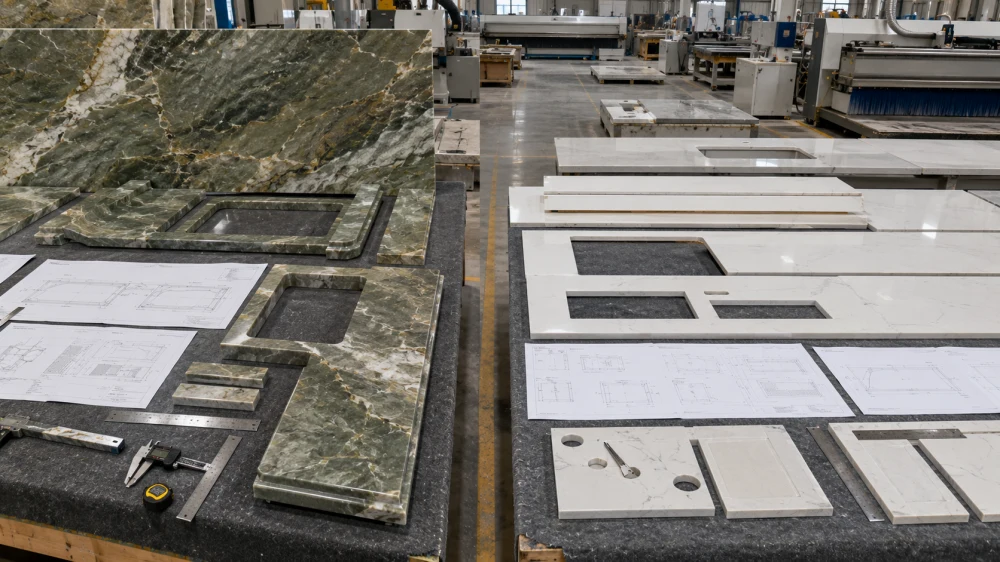
Выбор материала невозможно отделить от его обработки. Профиль кромки, вырезы под раковины или бытовую технику, неподдерживаемые пролёты, швы, способы крепления к стене и пути доступа — всё это может повлиять на конечный результат. Работы с натуральным кварцитом выигрывают от обсуждения планировки, учитывающего естественные деформации плиты и ключевые зоны дизайна. Работы с фарфоровыми плитами выигрывают от обсуждения технологии производства, соответствующей техническим требованиям выбранного продукта. И то, и другое требует точных замеров на месте и совместного рассмотрения рабочих чертежей.
Международным покупателям также следует определить, кто утверждает замены, кто подписывает видимые поверхности и как будут документироваться изменения. Заказ, содержащий лишь название торговой марки, редко бывает достаточным для сложного каменного проекта. Лучше зафиксировать тип материала, отделку, номинальные размеры, допуски там, где это применимо, основу расчёта количества, ответственность за планировку, ожидания по упаковке, пункт назначения и сроки проверки. Это практические меры контроля, а не лишнее оформление заказа.
Экспортное планирование должно сохранять одобренную идентичность материала — от выбора до упаковки. Для натурального кварцита убедитесь, что выбранные плиты и видимые поверхности можно отследить в рамках согласованного процесса планировки. Для любых хрупких или крупногабаритных материалов уточните, как будут защищены детали, помечены для данного проекта и проверены по прибытии. Команда приёмки должна провести осмотр до раскроя или монтажа, оперативно зафиксировать все замечания и по возможности сохранить фотографии, связанные с упаковкой и идентификацией каждого элемента.
Не считайте доставку завершением закупки. Проект требует передачи между отделом закупок, производителем, монтажниками и владельцем. Передача должна включать утверждённый объём работ, чертежи, инструкции по уходу и чёткий порядок обращения с вопросами по эксплуатации. Такой подход снижает путаницу, когда разные стороны находятся в разных странах или работают на разных этапах проекта.
Готовность к экспорту — это больше, чем наличие материала
Проект не готов к экспорту только потому, что есть возможность предложить материал. Уточните основу расчёта количества, размеры, отделку, область раскроя или использования плит, способ упаковки, маркировку или идентификацию отдельных элементов, сроки проверки и место назначения. В проектах с натуральным кварцитом необходимо сохранять информацию о выборе плит и их планировке на протяжении всего согласованного процесса. Оба материала нуждаются в плане доставки, обеспечивающем проведение проверки приёмки до монтажа или необратимых работ.
Сравнивая варианты, используйте одинаковый технический задание для обоих материалов. Укажите помещение, ожидаемую нагрузку, степень воздействия окружающей среды, замысел дизайна, желаемую преемственность, обработку кромок, практику уборки, доступ к сервисному оборудованию и путь утверждения. Затем попросите каждого потенциального поставщика или производителя ответить именно на это задание, а не ограничиваться общими заявлениями. Сопоставимый ответ позволяет легче понять, что уже подтверждено, что требует макета, а что должно оставаться предметом окончательной проверки плиты или готового изделия.
Практичная матрица принятия решений
Вопрос для проектной команды
Почему это важно
Действия до оформления заказа
Является ли уникальный внешний вид натуральной плиты центральным элементом дизайна?
Естественная вариативность должна быть намеренно выбрана и учтена.
Запросите одобрение текущей плиты и пересмотр планировки.
Полностью ли решены вопросы технологии изготовления?
Кромки, вырезы, опоры и стыки влияют на оба материала.
Одобрьте рабочие чертежи и метод изготовителя.
Кто будет принимать и обслуживать поверхность?
Передача ответственности позволяет избежать ошибок в повседневном уходе и запоздалых споров.
Разработка специфических рекомендаций по уходу за материалом и получение соответствующих указаний.
Решение должно быть одобрено ответственными за проектирование, производство и эксплуатацию, а не приниматься одним заинтересованным лицом в одиночку. Проектировщик может отдавать приоритет визуальному выражению, производитель — практичным деталям, а команда по закупкам — предсказуемым согласованиям и координации поставок. Природный кварцит часто выбирают, поскольку его естественный характер является частью дизайна. Фарфоровые плиты могут быть предпочтительны там, где их искусственно созданный внешний вид и система продукта соответствуют заданию. Итогом должно стать продуманное соответствие, а не просто лозунг.
Вопросы, которые покупатели должны решить перед окончательным выбором
Прежде чем оформить заказ, уточните, для какой цели подбирается материал: столешница, островная поверхность, тумба под раковину, стена, обрамление камина, стойка ресепшена или другое назначение. Подтвердите предполагаемую отделку, требуемую визуальную непрерывность, количество необходимых плит или элементов, необходимость книжного сращивания, точные параметры кромок и вырезов, а также место конечной передачи. Эти данные гораздо важнее общего запроса о «лучшем материале», поскольку превращают сравнение в конкретный план закупки.
HRST STONE / XIAMEN HRST STONE CO., LTD. подходит к проектам с использованием природного кварцита через анализ материалов, координацию производства и взаимодействие с заказчиком. Мы не заменяем инженерные решения, проверку на месте или специфические инструкции по продукту общими советами из блога. При серьёзном запросе чем полнее исходная информация, тем более полезной будет беседа.
Часто задаваемые вопросы
1. Как покупателям проверять наличие природного кварцита из Китая?
Начните с чёткого технического задания и при необходимости запросите обзор имеющихся материалов, если важен визуальный образ. Укажите название натурального кварцитового камня, предполагаемое назначение, размеры, количество, тип отделки, приоритеты компоновки, чертежи и место доставки. Одобрение должно основываться на объёме проекта, а не только на общем изображении.
2. Выпускается ли фарфоровая плита так же, как природный кварцит?
Нет. Природный кварцит — это натуральный камень, и его необходимо оценить с учётом выбранных плит и визуального направления. Фарфоровая плита — это искусственная поверхность, и её следует рассматривать на основе выбранного ассортимента продукции, отделки и метода изготовления. И то, и другое требует чёткого проектного задания и утверждённой процедуры согласования.
3. Почему утверждение планировки важно при закупке кварцита?
Утверждение компоновки связывает выбранные плиты из натурального кварцита с видимыми гранями, направлением прожилок, ключевыми зонами, краями и вырезами в проекте. Это помогает покупателям и изготовителям обсудить конечный визуальный результат до выполнения необратимых резов.
4. Что должно входить в обсуждение вопросов экспортной упаковки?
Обсудите утверждённый объём работ, маркировку изделий или плит, метод защиты, сроки проведения проверки, ожидаемые процедуры обращения с материалами и конечный пункт поставки. Команда получателя должна располагать достаточной информацией для проведения проверки поставки до её монтажа или раскроя.
5. Может ли HRST STONE помочь подготовить техническое задание на закупку кварцита?
Да. Свяжитесь с Джошем, предоставив название материала — натуральный кварцит, его размеры, количество, чертежи, отделку, предполагаемое применение и место доставки. Компания HRST STONE готова обсудить вопросы экспертизы материала, согласования планировки, технических требований к изготовлению, а также вопросы планирования экспорта для данного проекта.
Заключительное примечание
Рассматривайте процесс закупки как документированный этап утверждения и доставки, а не просто поиск названия материала. Свяжитесь с Джошем из HRST STONE, предоставив название материала, размеры, количество, чертежи, тип отделки и пункт назначения. Эта информация позволит команде обсудить выбор природного кварцита, планировку, координацию производства и экспортное планирование в терминах, соответствующих проекту.
Авторское право (c) HRST STONE / XIAMEN HRST STONE CO., LTD.
Hi, I am the author of this article. I have been working in the field of Natural Stone for more than 15 years. If you need customized Natural Stone services, please feel free to contact me.
Китайский производитель и поставщик мрамора, гранита, кварцита, агата - HRST STONE
Добро пожаловать в HRST STONE!
Здравствуйте, я хотел бы узнать подробнее о ваших продуктах. Не могли бы вы предоставить информацию о ценах, минимальном заказе, возможностях кастомизации и образцах?