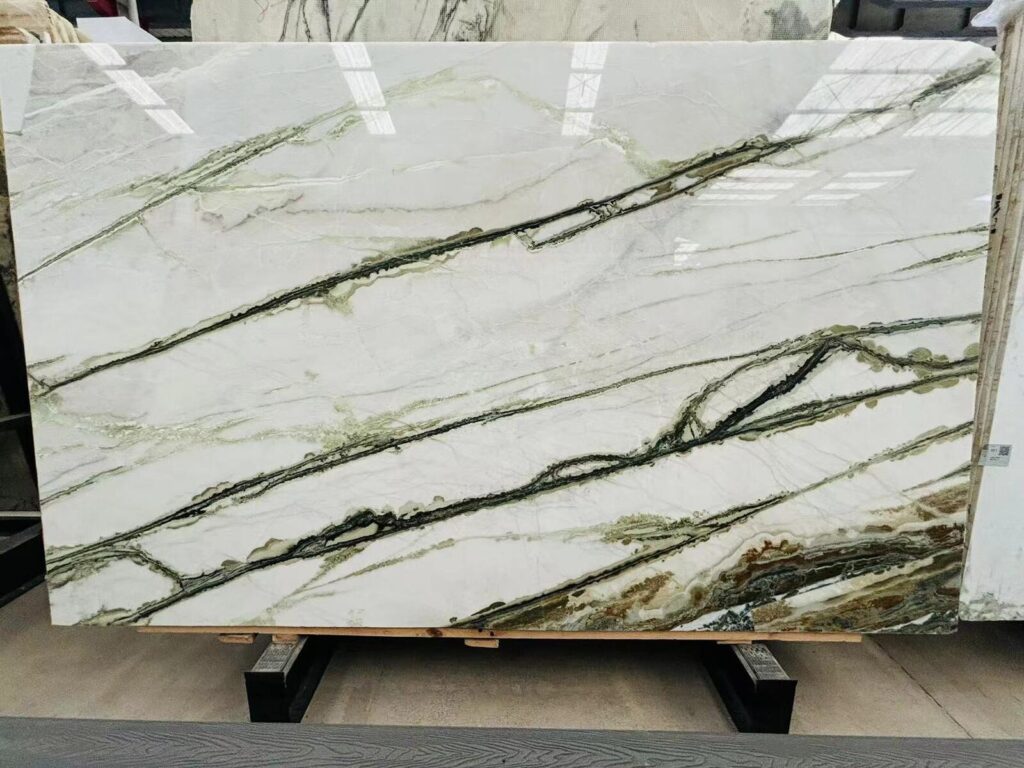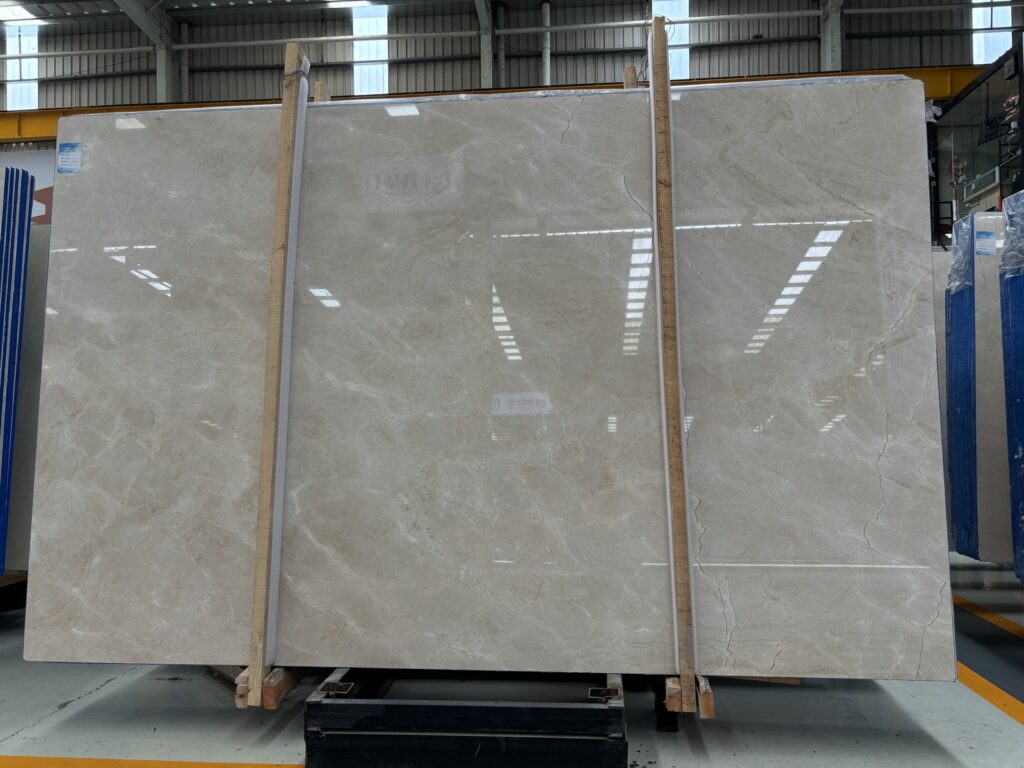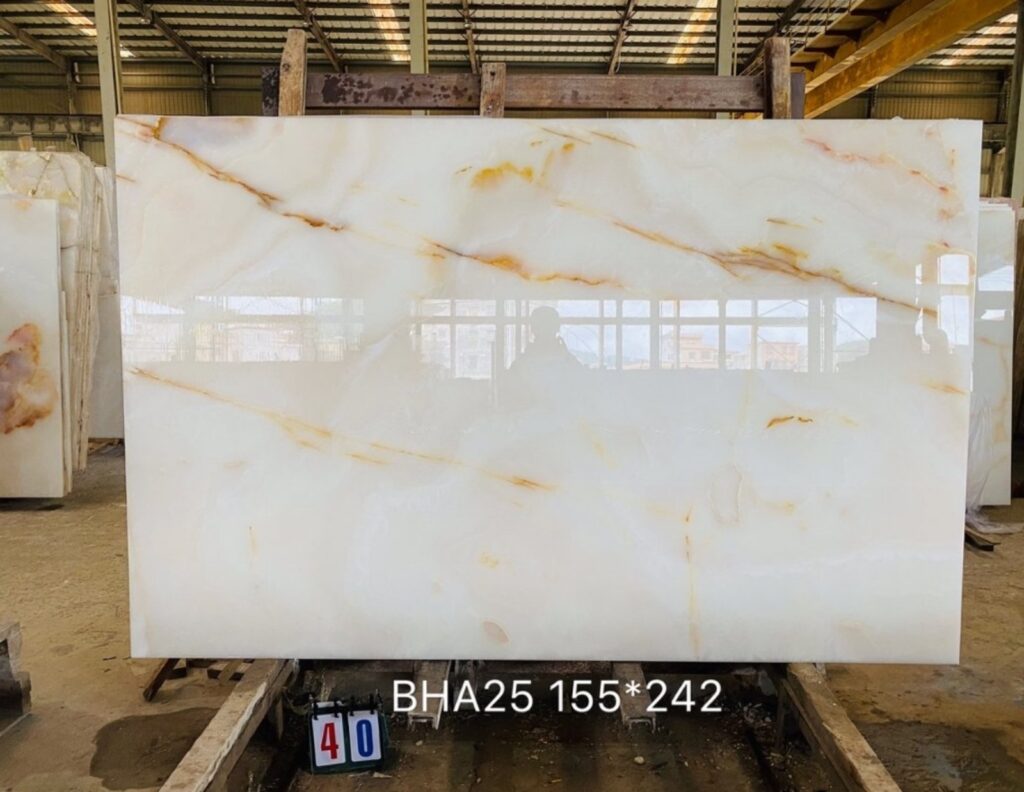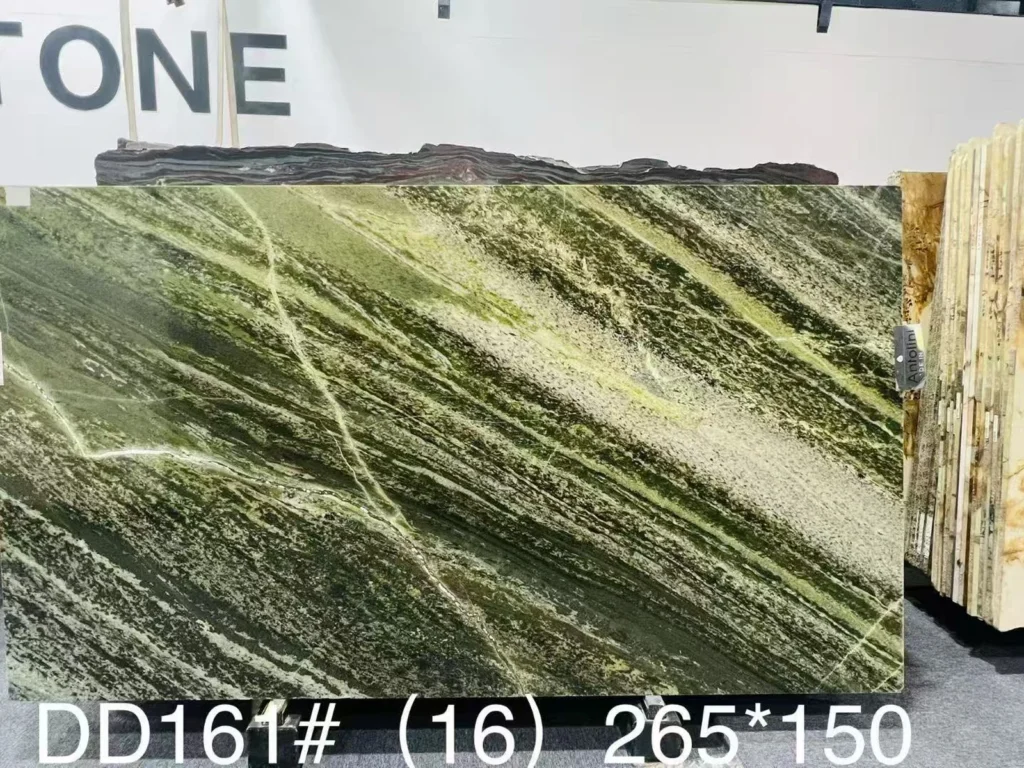

HRST STONE recently carried out a business visit to the Middle East, with a delegation led by the company’s General Manager and joined by a Moroccan project manager and a senior international trade specialist. The trip focused on face-to-face discussions with clients, potential project partners, local suppliers, and other parties connected with ongoing and future construction projects in the region.Rather than treating the visit as a conventional sales trip, the HRST STONE team used the opportunity to better understand real project requirements, strengthen existing customer relationships, explore new cooperation opportunities, and establish closer connections with resources within the local market.
Riepilogo rapido
Riepilogo rapido: HRST STONE’s General Manager, Moroccan project manager, and senior international trade specialist recently visited the Middle East for client meetings, project discussions, supplier communication, and regional business development. The visit reflects HRST STONE’s continued effort to strengthen Middle East stone project cooperation through closer communication with the people and businesses directly involved in local construction projects.
HRST STONE Brings Project Discussions Closer to the Middle East Market
International stone projects often begin with drawings, material references, quantities, or preliminary enquiries exchanged online. However, as a project moves forward, many important decisions depend on a deeper understanding of the application, construction programme, design expectations, procurement process, and coordination between different parties.
For this reason, HRST STONE organised the recent Middle East visit around direct communication.
The delegation met with customers and project-related contacts to discuss current requirements as well as potential future opportunities. Conversations extended beyond individual stone products to include project applications, material preferences, custom fabrication, supply coordination, quality expectations, delivery planning, and possible cooperation models.
The aim was to understand each opportunity within its actual project context rather than approaching it simply as an isolated request for pricing.
Through closer contact with the market, HRST STONE is also able to better understand how developers, contractors, designers, procurement teams, local suppliers, and other project participants work together when specifying and purchasing natural stone.
A Management-Led Delegation Combining Strategy, Projects and International Trade
The composition of the visiting delegation was designed to support conversations from several different perspectives.
HRST STONE’s General Manager participated directly in meetings concerning business development, long-term cooperation, project opportunities, and relationships with customers and local partners.
The company’s Moroccan project manager brought additional international project coordination experience to the discussions, particularly where cooperation involves different markets, project teams, and commercial practices.
A senior international trade specialist also joined the delegation, supporting discussions relating to enquiries, specifications, quotations, order coordination, production communication, export requirements, and other practical aspects of international stone supply.
Bringing management, project coordination, and international trade functions together allowed the team to discuss opportunities at both a strategic and operational level.
Meeting Existing and Potential Clients Face to Face
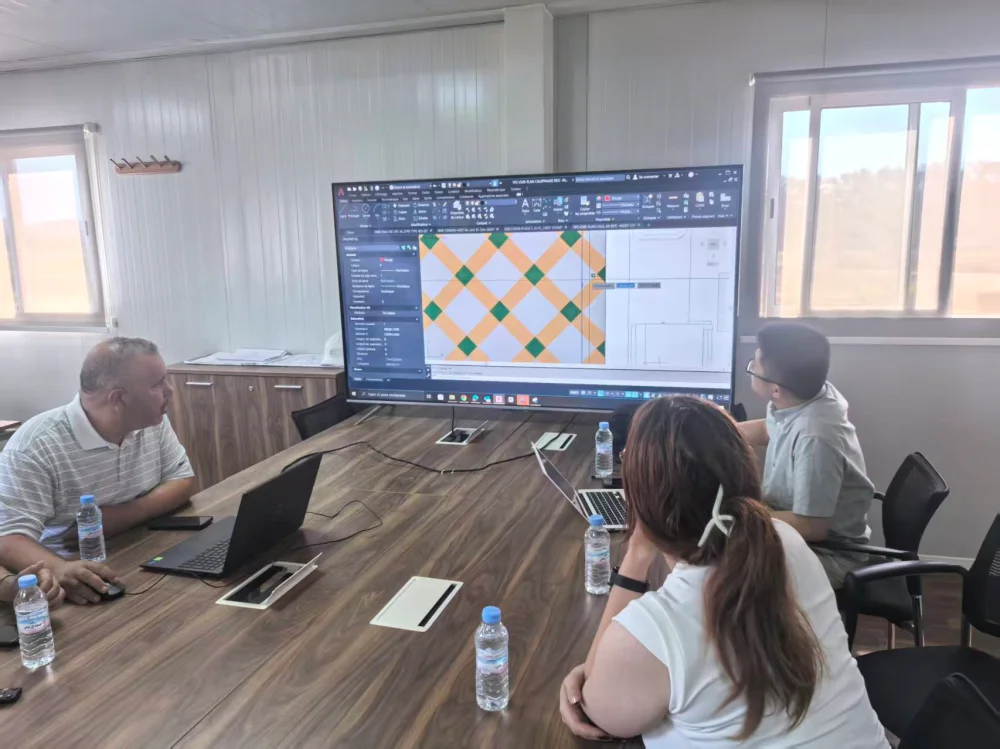
Client visits formed an important part of the trip.
Face-to-face meetings give both sides more room to discuss requirements that may be difficult to communicate fully through emails, messages, drawings, or photographs alone.
For stone projects, these discussions can involve not only material names and quantities but also natural colour variation, vein movement, slab selection, surface finish, thickness, fabrication details, application conditions, construction schedules, packaging, and delivery requirements.
They can also reveal the priorities behind an enquiry.
A contractor may be primarily concerned with dimensions, installation coordination, and delivery schedules. A designer may focus more strongly on stone appearance, visual consistency, or slab layout. A procurement team may need clearer commercial information, production control, documentation, and logistics planning.
By meeting customers directly, HRST STONE can better understand these different priorities before proposing a suitable supply plan.
From Customer Enquiries to Real Project Requirements
One of the key objectives of the Middle East visit was to connect commercial discussions with the practical requirements of actual projects.
Natural stone is used across a wide range of architectural applications, including floors, walls, kitchens, bathrooms, staircases, reception areas, hotel interiors, villas, commercial spaces, exterior paving, landscape elements, and custom decorative features.
Each application can create a different set of technical and visual requirements.
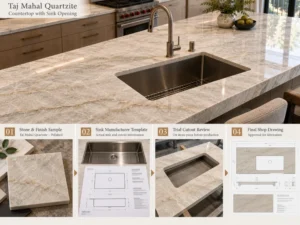
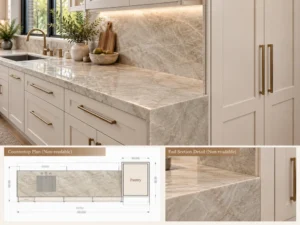
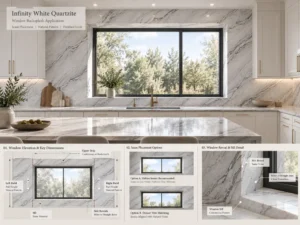
For example, a project involving large natural quartzite slabs may require early coordination of slab size, vein direction, cutting layouts, edge details, openings, and finished-piece positions. A flooring or wall package may instead require control over dimensions, thickness, finish, colour range, piece numbering, and packing sequence.
Discussing these requirements at an earlier stage helps both the customer and supplier identify important decisions before material selection and fabrication progress too far.
Visitors interested in HRST STONE’s wider project experience can review the company’s Projects & Gallery.
Building Connections With Local Suppliers and Industry Resources
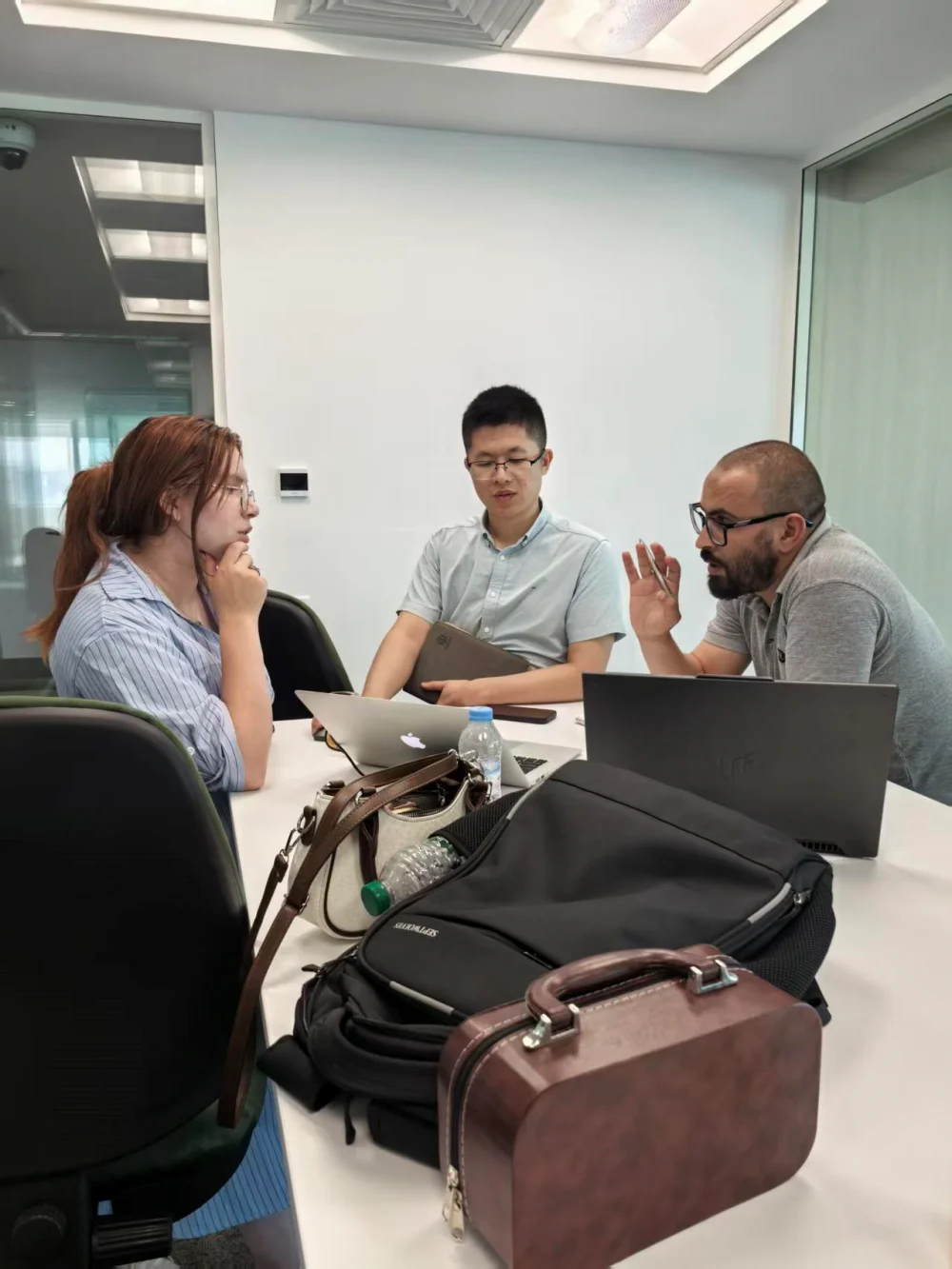
In addition to customer meetings, the HRST STONE delegation also communicated with relevant local suppliers and other parties connected with engineering and construction projects.
This part of the visit was important because international project delivery rarely depends on a single company.
A stone package may interact with local material suppliers, contractors, fabricators, installers, logistics companies, designers, project managers, and other construction resources. Understanding the role and capabilities of these different parties can help create more practical cooperation arrangements.
For HRST STONE, establishing relationships with local resources is not simply about expanding a contact list. It helps the company better understand the regional project environment and identify how Chinese stone sourcing and fabrication capabilities can work together with local experience.
In some situations, customers may require complete fabrication from China. In others, certain activities may be better coordinated locally. The most suitable approach depends on the project scope, material, schedule, installation requirements, and responsibilities of each participating company.
Key Areas of Discussion During the Middle East Visit
| Meeting Area | Main Discussion | Scopo |
| Client Visits | Current requirements, upcoming projects, material needs, service expectations and future cooperation | Strengthen direct communication and long-term relationships |
| Project Discussions | Applications, drawings, material selection, fabrication requirements, quantities and schedules | Understand practical requirements before quotation and production |
| Local Supplier Meetings | Regional resources, supply capability, market requirements and possible cooperation | Develop a stronger understanding of the local supply environment |
| Engineering and Construction Contacts | Project specifications, implementation requirements, coordination and potential stone packages | Connect material supply with real construction requirements |
| Business Development | Regional opportunities, future projects and long-term partnership possibilities | Build sustainable project-based cooperation |
Understanding the Market Before Recommending a Solution
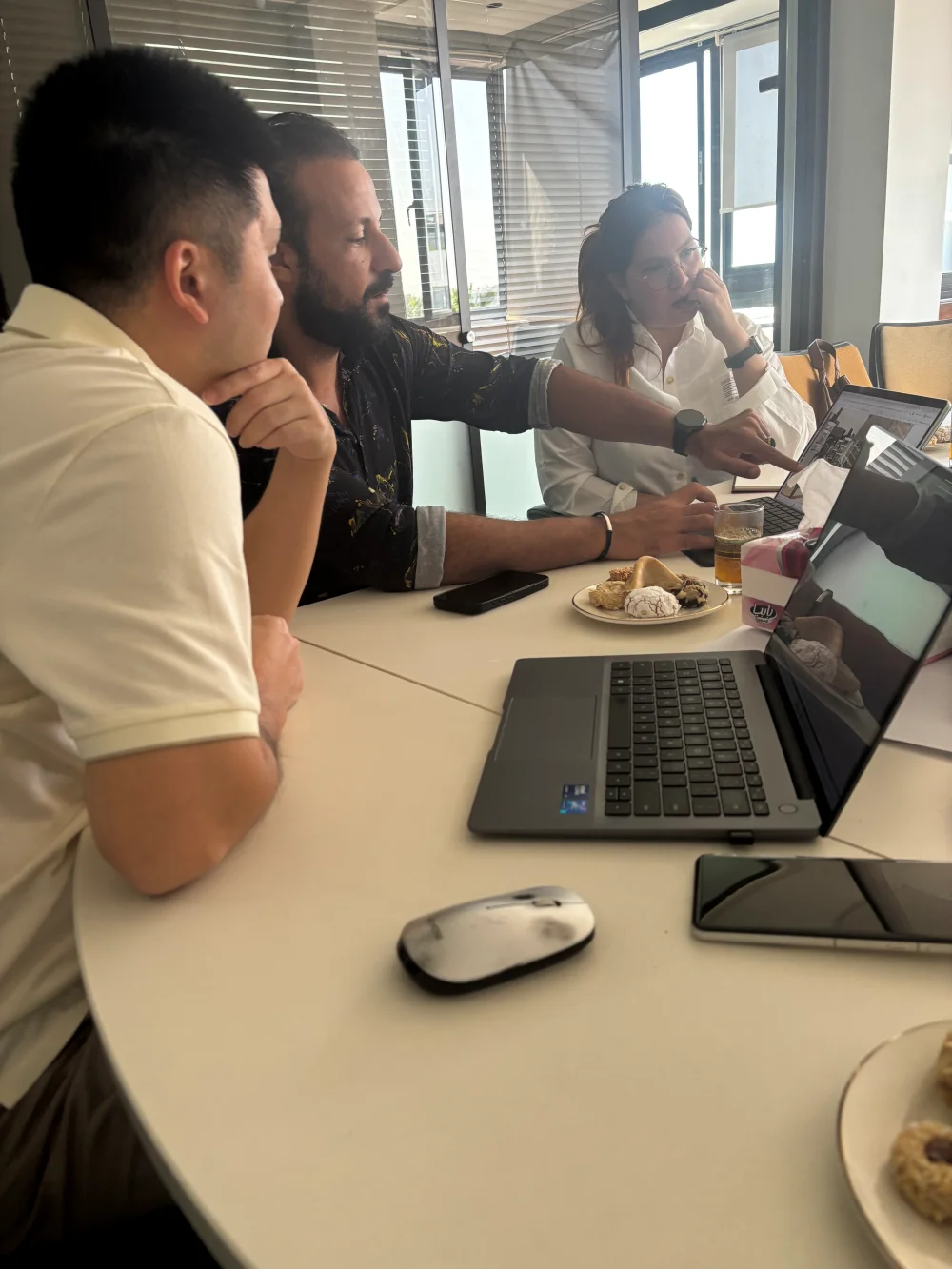
Stone sourcing becomes more effective when the supplier understands not only what the customer wants to purchase but also where and how the material will be used.
During meetings in the Middle East, the HRST STONE team paid particular attention to project context.
This includes understanding whether the stone is intended for a private villa, hotel, commercial building, residential development, hospitality space, landscape project, or another type of construction.
The scale and purpose of the project can influence material selection, slab quantities, visual control, fabrication complexity, packaging, and delivery planning.
Early communication may also identify whether a buyer needs raw slabs, standard tiles, cut-to-size pieces, countertops, vanity tops, wall panels, flooring, custom stone furniture, decorative elements, or a combination of several product types.
This information helps turn a general stone enquiry into a more structured project discussion.
Natural Stone Projects Require More Than Material Selection
A visually attractive stone is only the beginning of a successful architectural stone package.
After a material is selected, the project may still require confirmation of slab dimensions, quantity, thickness, surface finish, vein direction, fabrication details, openings, joints, edge profiles, finished dimensions, tolerances, packing requirements, and delivery arrangements.
For natural materials such as marble, granite, quartzite, travertine, limestone, and onyx, visual variation also needs to be considered.
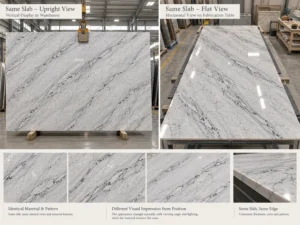
Two slabs from the same material name can show differences in colour, vein density, mineral distribution, background tone, or movement. Larger projects may therefore benefit from clearer material approval and slab coordination before fabrication.
These practical requirements are part of the reason HRST STONE continues to develop closer communication between its team in China and customers in overseas markets.
More information about the company and its international stone business can be found on the HRST STONE Company Introduction page.
Strengthening the Connection Between China-Based Supply and Local Project Execution
HRST STONE operates from Shuitou, Fujian, one of China’s important stone industry centres. For international projects, this provides access to a broad stone supply and fabrication network.
However, a strong supply base in China must still be connected effectively with the realities of the destination market.
Customers need materials that meet their design and technical requirements, but they also need communication that reflects actual project schedules, approvals, logistics, and site conditions.
The Middle East visit helps shorten this distance.
By speaking directly with clients, local suppliers, and project-side contacts, HRST STONE can bring market feedback back into its material sourcing, quotation, fabrication planning, inspection, and export coordination processes.
At the same time, customers gain a clearer understanding of what can be sourced, manufactured, and coordinated through HRST STONE in China.
Expanding Business Through Long-Term Project Relationships
The visit also represents HRST STONE’s continued effort to develop sustainable business relationships in the Middle East.
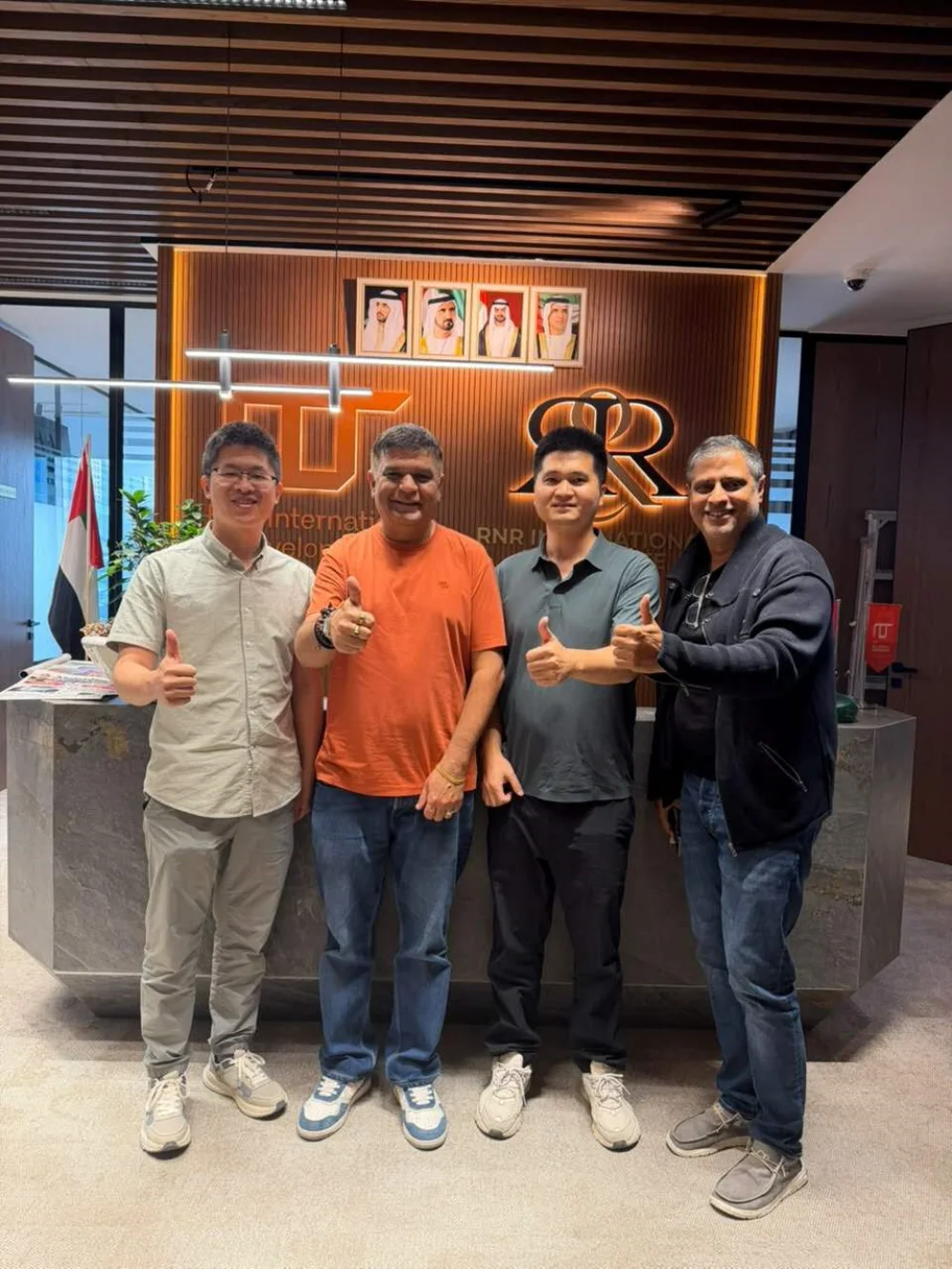
International project cooperation is rarely built through a single meeting.
An initial conversation may begin with a material request or sample. It may later develop into drawing review, slab selection, pricing, fabrication discussions, quality inspection, packing, shipment, and follow-up for additional project areas.
For this reason, HRST STONE considers relationship development an important part of project work.
The company’s goal is not simply to introduce more products during an overseas visit. It is to better understand which customers, suppliers, and project partners can work together effectively when real opportunities arise.
Listening to Local Needs Is Part of International Business Development
The Middle East includes active construction markets with different design preferences, purchasing structures, business practices, and project requirements.
For an international supplier, assumptions made from a distance are not always enough.
Direct conversations allow the HRST STONE team to listen to what clients and local partners actually need, where challenges occur, and what type of support may be useful.
That feedback can influence future material recommendations, quotation preparation, project communication, fabrication planning, inspection methods, and logistics arrangements.
It can also help HRST STONE identify where its existing services need to be adapted to suit the expectations of different markets.
In this sense, market expansion is not only about selling into a new region. It is also a process of learning how to cooperate more effectively within that region.
From Business Meetings to Future Stone Projects
Following the Middle East visit, HRST STONE will continue communicating with the clients, suppliers, and project contacts involved in the discussions.
Where suitable opportunities progress, the next steps may include reviewing drawings, confirming project quantities, comparing materials, checking current slab options, preparing quotations, studying fabrication requirements, and coordinating commercial or technical details.
Each project will be evaluated according to its own scope rather than applying a single standard solution.
This project-by-project approach is particularly important for natural stone, where visual characteristics, dimensions, fabrication details, application conditions, and logistics can vary significantly between orders.
Closer Communication, Stronger Project Cooperation
For HRST STONE, the value of the Middle East trip lies in bringing people closer together before projects reach critical purchasing and production stages.
The General Manager’s participation demonstrates the importance the company places on international project relationships, while the involvement of the Moroccan project manager and senior international trade specialist provides additional support for project and commercial discussions.
At the same time, meetings with customers, local suppliers, and project-related contacts help create a clearer picture of how stone projects are developing within the market.
This combination of management involvement, direct customer communication, project understanding, and local resource development forms the foundation of HRST STONE’s approach to expanding its business in the Middle East.
Domande frequenti
1. Why did HRST STONE visit the Middle East?
HRST STONE organised the visit to meet existing and potential clients, discuss current and future stone projects, communicate with local suppliers and project-related partners, better understand regional market requirements, and explore opportunities for long-term business cooperation.
2. Who joined the HRST STONE Middle East delegation?
The delegation was led by HRST STONE’s General Manager and also included a Moroccan project manager and a senior international trade specialist, allowing meetings to address management, project coordination, and international trade requirements together.
3. What did HRST STONE discuss with customers during the visit?
Discussions covered project requirements, natural stone materials, applications, specifications, fabrication possibilities, quantities, project schedules, sourcing, supply coordination, quality expectations, delivery arrangements, and opportunities for future cooperation.
4. Why did HRST STONE meet local suppliers and project-related companies?
Local suppliers and project partners provide valuable knowledge of the regional construction environment. Building these relationships helps HRST STONE understand available local resources and explore how stone sourcing and fabrication capabilities in China can be coordinated with project requirements in the Middle East.
5. What types of stone projects can HRST STONE discuss with Middle East clients?
HRST STONE can discuss stone requirements for residential, hospitality, commercial, villa, interior, exterior, landscape, and other architectural projects. Depending on the project, requirements may involve slabs, tiles, cut-to-size pieces, countertops, vanities, wall panels, flooring, stairs, decorative stone, or custom-fabricated components.
6. How can clients discuss a Middle East stone project with HRST STONE?
Clients can share available drawings, material references, application details, dimensions, quantities, finishes, fabrication requirements, and delivery destinations with the HRST STONE team. These details can then be reviewed before suitable material and supply options are discussed. Visit the HRST STONE Contact Us page to start a project discussion.
Nota finale
For HRST STONE, international business development begins with understanding the project behind the enquiry. By meeting clients, local suppliers, and project stakeholders directly in the Middle East, the company is strengthening the connection between its stone sourcing and fabrication resources in China and the practical requirements of projects in the local market. The recent visit marks another step toward closer communication, stronger regional relationships, and more project-based cooperation in the Middle East.