रसोईघरों और बयान वाले फर्नीचर के लिए अमेज़न ग्रीन क्वार्टज़ाइट की सर्वोत्तम मोटाई और किनारे के विवरण
Post navigation
संक्षिप्त सारांश
Choose Amazon Green Quartzite thickness and edge details by linking slab selection, application, support planning, fabrication drawings, and buyer approvals.
Amazon Green Quartzite thickness and edge details affect more than the silhouette of a kitchen island or statement furniture piece. They influence slab yield, visible movement, handling, seams, support coordination, and the buyer?? ability to approve a coherent finished result.
व्यावसायिक नाम से नहीं, बल्कि सामग्री से शुरू करें
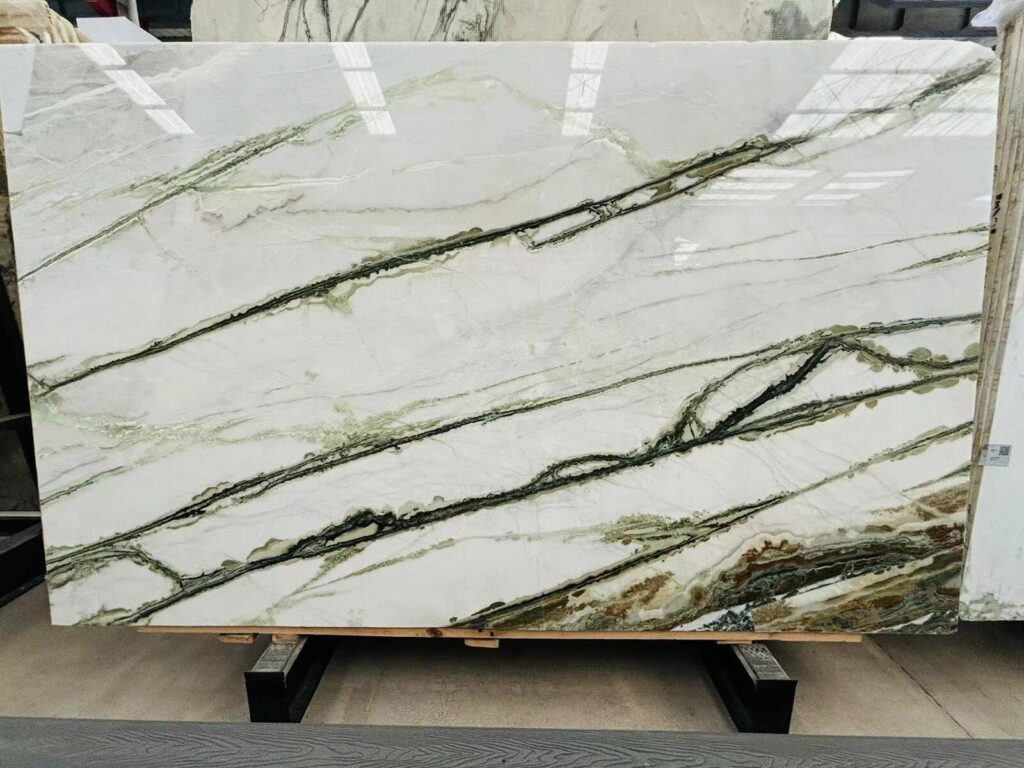
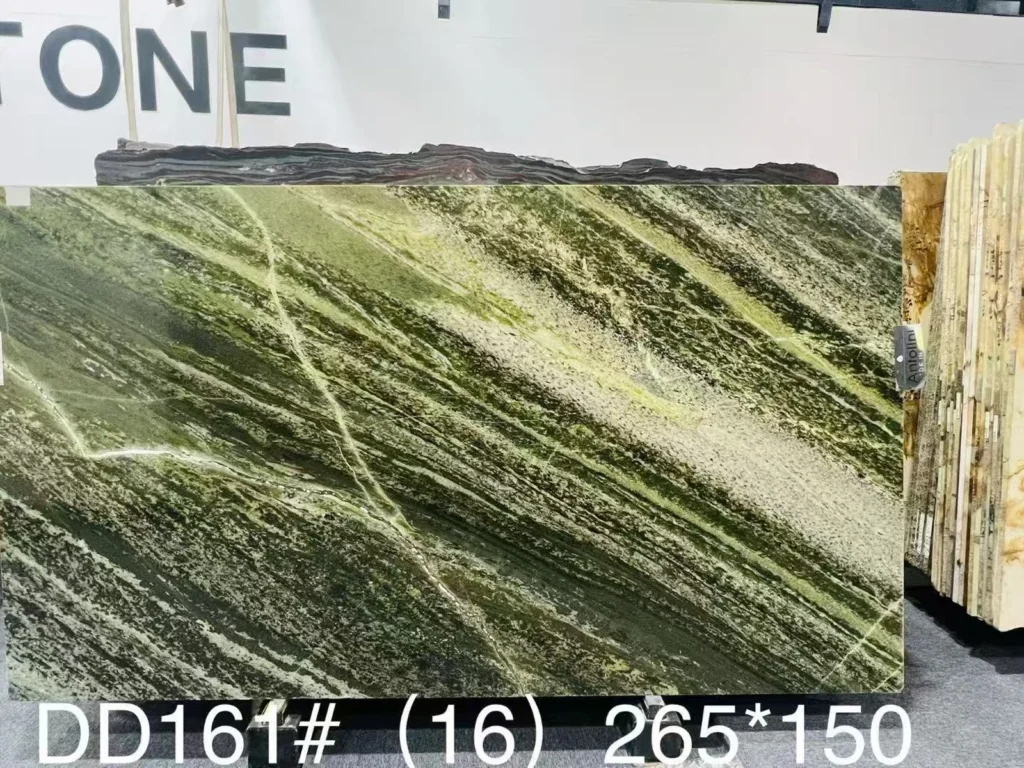
अमेज़ॉन ग्रीन एक व्यावसायिक पत्थर का नाम है, इसलिए एक जिम्मेदार विनिर्देशन प्रोजेक्ट के लिए प्रस्तावित वास्तविक स्लैब से शुरू होता है। प्राकृतिक क्वार्टज़ाइट एक रूपांतरित प्राकृतिक पत्थर है और इसे इंजीनियर्ड क्वार्टज़ नहीं कहा जाना चाहिए। चयनों के बीच रंग, खनिज संरचना, राल उपचार, दरारें, मोटाई की उपलब्धता और फ़ैब्रिकेशन प्रतिक्रिया भिन्न हो सकती है। HRST STONE खरीदारों को सलाह देता है कि वे अंतिम उत्पादन निर्णय से पहले मौजूदा स्लैब की तस्वीरें, जहाँ संभव हो नमूने और इरादा किया गया लेआउट अनुमोदित करें।.
आयातकर्ताओं, फ़ैब्रिकेटरों, डिज़ाइनरों, वास्तुकारों, ठेकेदारों और खरीद टीमों के लिए, उपयोगी प्रश्न यह नहीं है कि क्या हर स्लैब एक जैसा दिखेगा। बल्कि यह है कि क्या अनुमोदित रेंज, प्रसंस्करण योजना और गुणवत्ता चेकपॉइंट्स प्राकृतिक भिन्नता को प्रबंधित करने के लिए पर्याप्त स्पष्ट हैं। यह दृष्टिकोण डिज़ाइन के इरादे की रक्षा करता है जबकि फ़ैक्ट्री, साइट और लॉजिस्टिक्स के निर्णयों को संगत बनाए रखता है।.
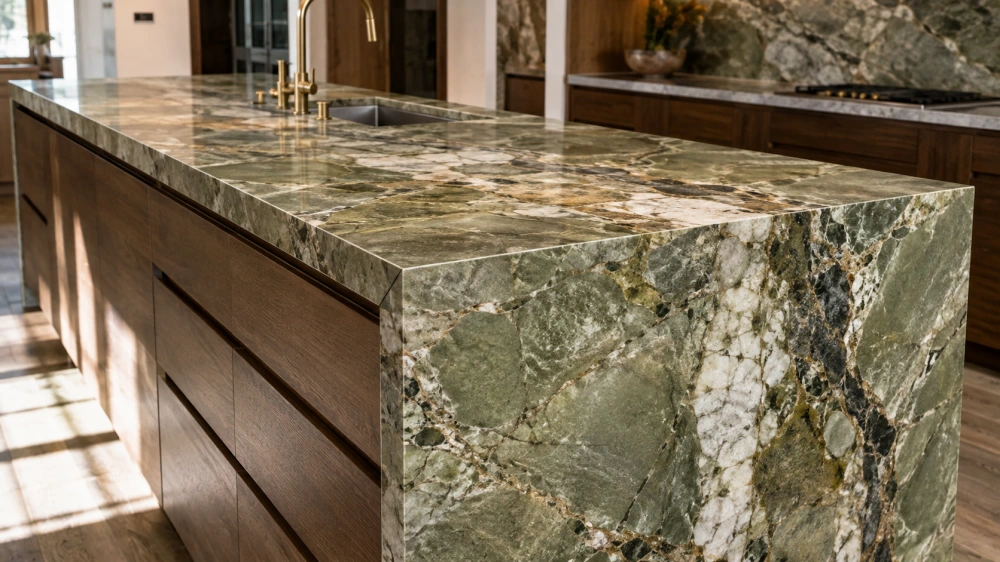
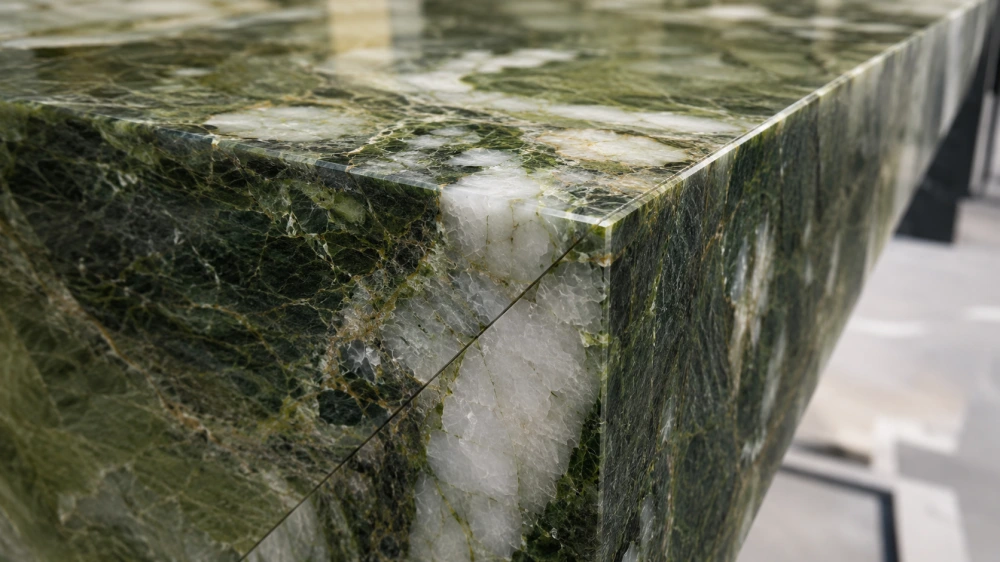
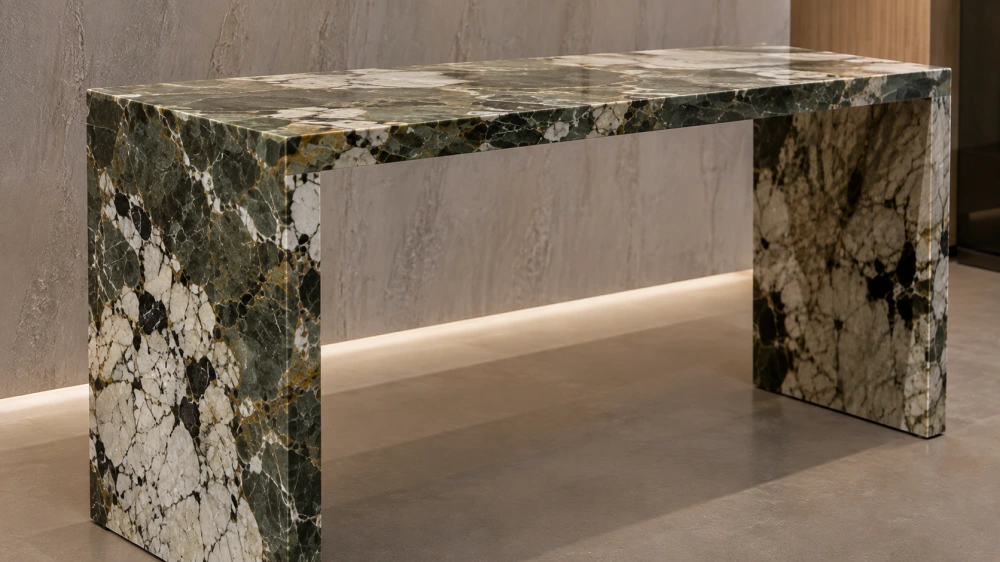
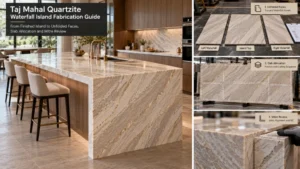
अमेज़न-ग्रीन-क्वार्टज़ाइट-रसोई-आइलैंड-मिटर्ड-एज
Choosing thickness and edge details for the intended use
Thickness and edge choices should follow the application, finished dimensions, support concept, transport route, and visual intent. A nominal thickness alone does not determine whether a component is suitable. Discuss unsupported spans, returns, mitred construction, cutouts, and site interfaces with the appointed fabricator and project engineer before production.
काम शुरू होने से पहले अनुमोदन बिंदुओं को परिभाषित करें
सामग्री का नाम, एप्लिकेशन, तैयार आयाम, नाममात्री मोटाई, सतह का फिनिश, किनारे या रिटर्न के विवरण, दृश्यमान पक्ष और गंतव्य को एक प्रोजेक्ट ब्रीफ़ में लिखें। जब भी कटआउट, ज्वाइंट, बुकमैचिंग, बैकलाइटिंग, वॉल सिस्टम या मिश्रित फिनिश शामिल हों, तब ड्राइंग शामिल करें। एक ब्रीफ़ इंजीनियरिंग का स्थान नहीं लेता, लेकिन यह खरीदार के लिए फ़ैब्रिकेशन से पहले समीक्षा के लिए चाहे जिसका वास्तविक रिकॉर्ड बनाता है।.
निर्णय बिंदु
क्या पुष्टि करना है
यह क्यों महत्वपूर्ण है
स्लैब का चयन
रंग की रेंज, गति, दरारें, मरम्मत और उपयोगी पक्ष
कटिंग से पहले प्राकृतिक भिन्नता का आकलन किया जाता है।.
लेआउट
वीन दिशा, ज्वाइंट, पैनल नंबरिंग और कटआउट की स्थिति
दृश्य सततता की शुरुआती समीक्षा की जा सकती है।.
फैब्रिकेशन
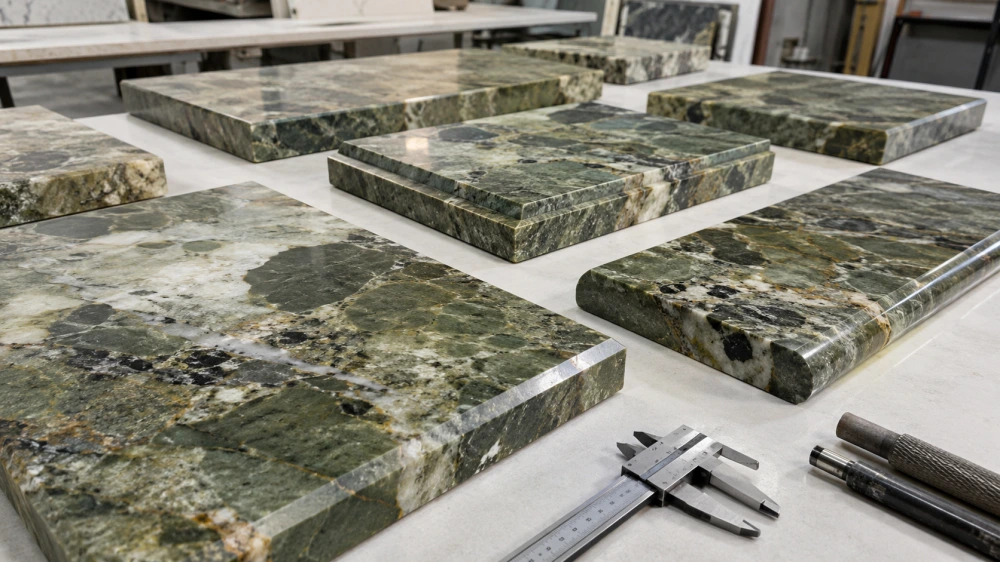
मोटाई, किनारे का प्रोफ़ाइल, फिनिश, सुदृढ़ीकरण और टॉलरेंस
प्रसंस्करण का दायरा जांचने योग्य हो जाता है।.
जारी करें
तस्वीरें, आयाम, सुरक्षा और पैकिंग के निशान
डिस्पैच जांच अनुमोदित दायरे से जुड़ी होती है।.
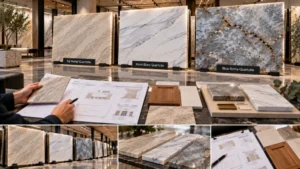
amazon-green-quartzite-edge-profile-samples
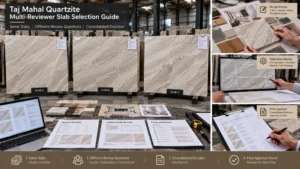
एक प्रोजेक्ट निर्णय के लिए स्लैबों का मूल्यांकन कैसे करें
स्लैबों की समीक्षा ऐसी रोशनी में करें जो समग्र संरचना और स्थानीय विशेषताओं दोनों को प्रकट करे। पैटर्न और टोन के लिए व्यापक दृश्य मांगें, फिर किनारों, कोनों, वीन्स, प्राकृतिक दरारों, भरे हुए क्षेत्रों और किसी भी प्रस्तावित कटआउट जोन के करीबी दृश्य मांगें। एक दरार एक संरचनात्मक विफलता के बजाय एक प्राकृतिक विशेषता हो सकती है; सही प्रतिक्रिया उसे पहचानना, लेआउट में उसकी स्थिति पर सहमत होना और फ़ैब्रिकेटर को आवश्यक हैंडलिंग विधि का आकलन करने देना है।.
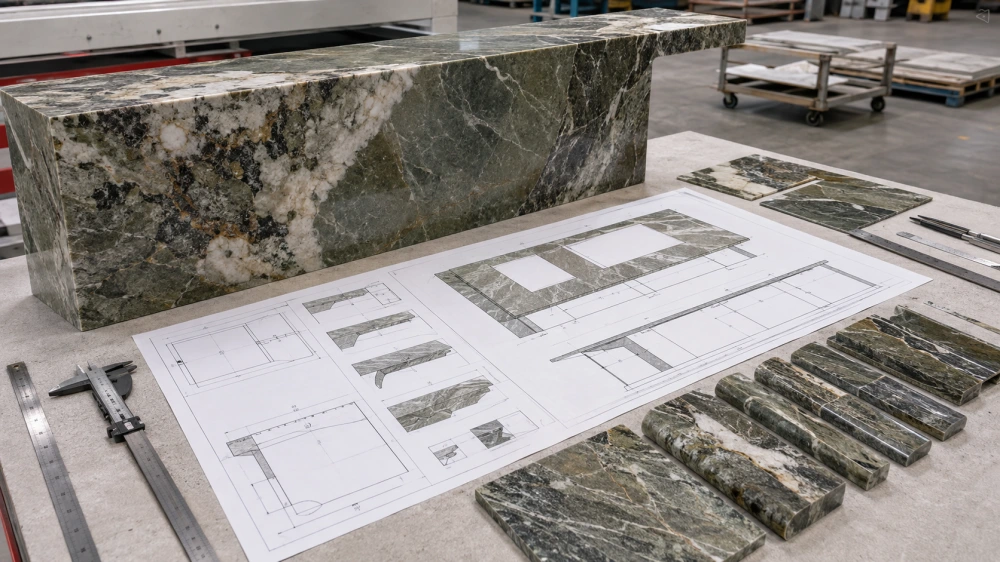
जब प्रोजेक्ट में बार-बार आवृत्ति वाले पैनल, एक बड़ा आइलैंड, एक रिसेप्शन डेस्क, एक फीचर वॉल या इकाइयों का एक क्रम शामिल हो, तो एक नंबरी लेआउट मांगें। लेआउट में यह दिखाया जाना चाहिए कि कौन से टुकड़े ऊपर की ओर हैं, उनका अभिविन्यास, प्रस्तावित ज्वाइंट और महत्वपूर्ण दृश्य संक्रमण। यह एक सामान्य रंग वर्णन को अनुमोदित करने से अधिक उपयोगी है क्योंकि यह अनुमोदित स्लैबों को तैयार घटकों से जोड़ता है।.
डिज़ाइन के इरादे और फ़ैब्रिकेशन की वास्तविकता को समन्वयित करें
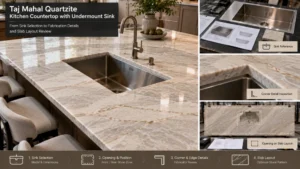
प्राकृतिक पत्थर के ड्राइंग में नाममात्री आकार से अधिक दिखाया जाना चाहिए। दृश्यमान किनारों, असमर्थित स्पैन, सिंक या हॉब ओपनिंग, वॉल रिटर्न, एक्सेस प्रतिबंध और आसन्न फिनिश के साथ संबंध को चिह्नित करें। नियुक्त फ़ैब्रिकेटर और प्रोजेक्ट इंजीनियर को वास्तविक स्थापना के लिए समर्थन, फिक्सिंग और संरचनात्मक विवरण तय करना चाहिए। HRST STONE ब्रीफ़ का उपयोग सामग्री समीक्षा और मशीनिंग दायरे को समन्वयित करने के लिए कर सकता है, लेकिन यह प्रोजेक्ट-विशिष्ट इंजीनियरिंग सलाह का स्थान नहीं ले सकता।.
जोश को भेजने के लिए जानकारी
उपयोगी प्रारूप
समीक्षा का परिणाम
सामग्री और इरादा का उपयोग
चिह्नित फिनिश शेड्यूल या संक्षिप्त सूची
चयन का मूल्यांकन संदर्भ में किया जाता है।.
आयाम और मात्रा
आयाम शेड्यूल या बिल ऑफ़ क्वांटिटीज
उत्पादन और कटिंग की चर्चा जमीनी होती है।.
ड्राइंग और विवरण
PDF, CAD निर्यात या टिप्पणी वाले स्केचेस
ज्वाइंट, किनारे और ओपनिंग दृश्यमान हैं।.
फिनिश और डिलीवरी का गंतव्य
लिखित पुष्टि
पैकिंग और हैंडलिंग की अपेक्षाएं अधिक स्पष्ट होती हैं।.
सूचित अनुमोदन का समर्थन करने वाला गुणवत्ता नियंत्रण
एक व्यावहारिक समीक्षा क्रम सामग्री के अनुमोदन और तैयार उत्पाद के अनुमोदन को अलग करता है। पहले स्लैब का चयन और लेआउट की पुष्टि करें। फिर अपरिवर्तनीय काम से पहले कटिंग और किनारे की योजना की समीक्षा करें। अंत में, तैयार टुकड़ों, लेबल, सुरक्षा और पैकिंग की तस्वीरें या अन्य सहमत साक्ष्यों का निरीक्षण करें और फिर ही रिलीज़ करें। साक्ष्य अनुमोदित दायरे से मेल खाना चाहिए न कि प्रदर्शन या संगतता के बारे में व्यापक दावे करना चाहिए।.
क्या फोटोग्राफ किया जाना चाहिए या क्या मापा जाना चाहिए, इसका विशिष्ट वर्णन करें: तैयार पक्ष, किनारे, कोने, कटआउट, ड्राई-ले सीक्वेंस, लेबल और पैकिंग सुरक्षा। अगर कोई चिंता उठती है, तो उसे ड्राइंग और सहमत ग्रहण मानदंडों के खिलाफ दस्तावेज़ करने के लिए कहें। यह बातचीत को तथ्यात्मक बनाता है और एक सौंदर्यवादी प्राथमिकता को फ़ैब्रिकेशन दोष के साथ भ्रमित होने से रोकता है।.
प्राकृतिक क्वार्टज़ाइट को इंजीनियर्ड क्वार्टज़ से अलग करें
प्राकृतिक क्वार्ट्ज़ाइट और इंजीनियर्ड क्वार्ट्ज अलग-अलग सामग्रियाँ हैं। प्राकृतिक क्वार्ट्ज़ाइट प्राकृतिक पत्थर की चादरों से आता है और उसमें खनिजों का अंतर्निहित भिन्नता, नसें, दरारें तथा अन्य भूवैज्ञानिक विशेषताएँ दिखाई दे सकती हैं। इंजीनियर्ड क्वार्ट्ज एक निर्मित संयुक्त उत्पाद है, जिसकी संरचना और उत्पाद दस्तावेज़ अलग होते हैं। किसी एक सामग्री से दूसरी सामग्री में बिना विशिष्ट उत्पाद जानकारी की जाँच किए धारणाओं, सफाई निर्देशों, प्रदर्शन के दावों या स्थापना विवरणों का स्थानांतरण न करें।.
अंतर्राष्ट्रीय परियोजनाओं के लिए खरीद कार्यप्रवाह
अंतर्राष्ट्रीय खरीद में डिज़ाइन टीम, खरीदार, फैब्रिकेटर, फ्रेट समन्वयक और साइट टीम के बीच स्पष्ट हस्तांतरण से लाभ मिलता है। सबसे पहले सामग्री और उसके उपयोग के बारे में विचार करें, फिर आयामों और मात्राओं की पुष्टि करें, चादरों के चयन और लेआउट को मंज़ूरी दें, तैयार टुकड़ों के सबूत की समीक्षा करें और पैकिंग तथा डिलीवरी के निर्देशों को संगत करें। नवीनतम मंज़ूरी प्राप्त ड्राइंग्स और फोटोज़ को एक परियोजना रिकॉर्ड में संग्रहीत रखें, ताकि संशोधनों का पता लगाया जा सके।.
उपलब्धता, लीड टाइम, परीक्षण या परियोजना के परिणाम के बारे में सामान्य वादों पर भरोसा न करें। ये विवरण सामग्री के चयन, फैब्रिकेशन के दायरे, परियोजना की आवश्यकताओं और गंतव्य पर निर्भर करते हैं। एक लक्षित प्रश्न पूछने से टीम अनुरोधित कार्य का आकलन कर सकती है और ऑर्डर देने से पहले किन बातों की पुष्टि करनी चाहिए, यह पहचान सकती है।.
मंज़ूरी से पहले, यह सुनिश्चित करें कि निर्णय लेने वाले व्यक्ति दृश्य दायरे, कट आकार, दिखाई देने वाले किनारों, फिनिश, ज्वाइंट्स, कटआउट्स, सुरक्षा, लेबलिंग और डिलीवरी के स्थान पर सहमत हैं। यह भी पुष्टि करें कि साइट की स्थितियों, संरचनात्मक सहारे, स्थापना की चौड़ाई और अंतिम स्वीकृति के लिए कौन जिम्मेदार है। इन नियंत्रणों से प्राकृतिक पत्थर के ऑर्डर का प्रबंधन आसान हो जाता है, बिना यह दिखाने के कि हर परियोजना की एक समान तकनीकी आवश्यकताएँ होती हैं।.
अमेज़ॉन ग्रीन क्वार्टज़ाइट से संबंधित किसी अनुरोध के लिए, जोश को सामग्री का नाम, आयाम, मात्राएँ, ड्राइंग्स, आवश्यक सतह की खत्म, और डिलीवरी का गंतव्य भेजें। यदि मिलान महत्वपूर्ण है, तो आस-पास की सामग्रियों की तस्वीरें या कोई दृश्य संदर्भ भी जोड़ें। इसके बाद HRST STONE / XIAMEN HRST STONE CO., LTD. प्रदान की गई जानकारी के अनुरूप समीक्षा मार्ग की चर्चा कर सकता है।.
अनुमोदन रिकॉर्ड को उपयोगी बनाए रखें
तारीख वाली ड्राइंग्स और स्पष्ट रूप से नामित तस्वीरों का उपयोग करें, ताकि खरीद टीम वर्तमान निर्णय की पहचान कर सके। जब स्कोप में बदलाव होता है, तो रिकॉर्ड करें कि क्या बदलाव लेआउट, कट लिस्ट, फिनिश, पैकिंग या साइट कार्य पर प्रभाव डालता है। यह सरल अनुशासन तब विशेष रूप से महत्वपूर्ण होता है, जब कई पक्ष विभिन्न स्थानों पर एक प्राकृतिक पत्थर परियोजना की समीक्षा करते हैं।.
समीक्षा को एप्लिकेशन से मिलाएं
एक काउंटरटॉप, एक बैकलिट पैनल, एक फर्श और एक वॉल क्लैडिंग पैकेज अलग-अलग प्रश्नों की आवश्यकता हो सकती है। हाथ में लिए गए एप्लिकेशन के लिए दृश्यमान पक्षों, जॉइंट्स, हैंडलिंग रूट और इंस्टॉलेशन इंटरफ़ेस की चर्चा करें। सामग्री का चयन तभी अधिक विश्वसनीय होता है, जब उसका आकलन अलग-थलग नहीं, बल्कि वास्तविक उपयोग के साथ किया जाता है।.
तस्वीरों का उपयोग धारणाओं के बजाय साक्ष्य के रूप में करें
तस्वीरें खरीदार को गति, टोन, किनारे के उपचार और पैकिंग की स्थिति की समीक्षा करने में मदद करती हैं, लेकिन प्रकाश और स्क्रीन दिखावे पर प्रभाव डाल सकती हैं। इन्हें लिखित लेआउट, आयाम और अनुमोदित फिनिश के विवरण के साथ जोड़ें। यदि कोई विशेष विवरण महत्वपूर्ण है, तो इसे फैब्रिकेशन से पहले ही बता दें, न कि इसे निहित आवश्यकता के रूप में लें।.
प्राकृतिक भिन्नता की योजना बनाएं
प्राकृतिक क्वार्टज़ाइट का चयन उचित भिन्नता को ध्यान में रखकर किया जाना चाहिए। एक परियोजना टीम इस भिन्नता को स्लैब ग्रुपिंग, ओरिएंटेशन, ड्राई-ले समीक्षा और स्पष्ट सीम प्लानिंग के माध्यम से प्रबंधित कर सकती है। ये कदम पत्थर को एक समान बनाते नहीं हैं; वे लगाए गए परिणाम को अनुमोदित दृश्य दिशा के अनुरूप लाने में मदद करते हैं।.
प्रश्नों को निर्णय के लिए तैयार करें
एक संक्षिप्त प्रश्न अनिश्चितता को कम करता है। सामग्री का नाम, एप्लिकेशन, फिनिश्ड आयाम, मात्राएँ, ड्राइंग्स, सतह की खत्म और गंतव्य को बताएं, फिर किसी भी महत्वपूर्ण दृश्य या तकनीकी आवश्यकता की पहचान करें। जोश इस जानकारी का उपयोग करके अगली सामग्री और फैब्रिकेशन चर्चा को असंगठित वादों के बिना तैयार कर सकता है।.
हैंडऑफ़ के माध्यम से निर्णयों की सुरक्षा करें
अनुमोदित दस्तावेजों को फैब्रिकेशन, पैकिंग, परिवहन और इंस्टॉलेशन के लिए जिम्मेदार लोगों के साथ साझा करें। एक हैंडऑफ़ में नवीनतम ड्राइंग संशोधन और किसी भी विशेष हैंडलिंग बिंदु की पहचान करनी चाहिए। इससे खरीदार के चयन निर्णय और कार्य करने वाली टीमों के बीच सततता पैदा होती है।.
अनुमोदन रिकॉर्ड को उपयोगी बनाए रखें
तारीख वाली ड्राइंग्स और स्पष्ट रूप से नामित तस्वीरों का उपयोग करें, ताकि खरीद टीम वर्तमान निर्णय की पहचान कर सके। जब स्कोप में बदलाव होता है, तो रिकॉर्ड करें कि क्या बदलाव लेआउट, कट लिस्ट, फिनिश, पैकिंग या साइट कार्य पर प्रभाव डालता है। यह सरल अनुशासन तब विशेष रूप से महत्वपूर्ण होता है, जब कई पक्ष विभिन्न स्थानों पर एक प्राकृतिक पत्थर परियोजना की समीक्षा करते हैं।.
समीक्षा को एप्लिकेशन से मिलाएं
एक काउंटरटॉप, एक बैकलिट पैनल, एक फर्श और एक वॉल क्लैडिंग पैकेज अलग-अलग प्रश्नों की आवश्यकता हो सकती है। हाथ में लिए गए एप्लिकेशन के लिए दृश्यमान पक्षों, जॉइंट्स, हैंडलिंग रूट और इंस्टॉलेशन इंटरफ़ेस की चर्चा करें। सामग्री का चयन तभी अधिक विश्वसनीय होता है, जब उसका आकलन अलग-थलग नहीं, बल्कि वास्तविक उपयोग के साथ किया जाता है।.
तस्वीरों का उपयोग धारणाओं के बजाय साक्ष्य के रूप में करें
तस्वीरें खरीदार को गति, टोन, किनारे के उपचार और पैकिंग की स्थिति की समीक्षा करने में मदद करती हैं, लेकिन प्रकाश और स्क्रीन दिखावे पर प्रभाव डाल सकती हैं। इन्हें लिखित लेआउट, आयाम और अनुमोदित फिनिश के विवरण के साथ जोड़ें। यदि कोई विशेष विवरण महत्वपूर्ण है, तो इसे फैब्रिकेशन से पहले ही बता दें, न कि इसे निहित आवश्यकता के रूप में लें।.
प्राकृतिक भिन्नता की योजना बनाएं
प्राकृतिक क्वार्टज़ाइट का चयन उचित भिन्नता को ध्यान में रखकर किया जाना चाहिए। एक परियोजना टीम इस भिन्नता को स्लैब ग्रुपिंग, ओरिएंटेशन, ड्राई-ले समीक्षा और स्पष्ट सीम प्लानिंग के माध्यम से प्रबंधित कर सकती है। ये कदम पत्थर को एक समान बनाते नहीं हैं; वे लगाए गए परिणाम को अनुमोदित दृश्य दिशा के अनुरूप लाने में मदद करते हैं।.
प्रश्नों को निर्णय के लिए तैयार करें
एक संक्षिप्त प्रश्न अनिश्चितता को कम करता है। सामग्री का नाम, एप्लिकेशन, फिनिश्ड आयाम, मात्राएँ, ड्राइंग्स, सतह की खत्म और गंतव्य को बताएं, फिर किसी भी महत्वपूर्ण दृश्य या तकनीकी आवश्यकता की पहचान करें। जोश इस जानकारी का उपयोग करके अगली सामग्री और फैब्रिकेशन चर्चा को असंगठित वादों के बिना तैयार कर सकता है।.
हैंडऑफ़ के माध्यम से निर्णयों की सुरक्षा करें
अनुमोदित दस्तावेजों को फैब्रिकेशन, पैकिंग, परिवहन और इंस्टॉलेशन के लिए जिम्मेदार लोगों के साथ साझा करें। एक हैंडऑफ़ में नवीनतम ड्राइंग संशोधन और किसी भी विशेष हैंडलिंग बिंदु की पहचान करनी चाहिए। इससे खरीदार के चयन निर्णय और कार्य करने वाली टीमों के बीच सततता पैदा होती है।.
अनुमोदन रिकॉर्ड को उपयोगी बनाए रखें
तारीख वाली ड्राइंग्स और स्पष्ट रूप से नामित तस्वीरों का उपयोग करें, ताकि खरीद टीम वर्तमान निर्णय की पहचान कर सके। जब स्कोप में बदलाव होता है, तो रिकॉर्ड करें कि क्या बदलाव लेआउट, कट लिस्ट, फिनिश, पैकिंग या साइट कार्य पर प्रभाव डालता है। यह सरल अनुशासन तब विशेष रूप से महत्वपूर्ण होता है, जब कई पक्ष विभिन्न स्थानों पर एक प्राकृतिक पत्थर परियोजना की समीक्षा करते हैं।.
समीक्षा को एप्लिकेशन से मिलाएं
एक काउंटरटॉप, एक बैकलिट पैनल, एक फर्श और एक वॉल क्लैडिंग पैकेज अलग-अलग प्रश्नों की आवश्यकता हो सकती है। हाथ में लिए गए एप्लिकेशन के लिए दृश्यमान पक्षों, जॉइंट्स, हैंडलिंग रूट और इंस्टॉलेशन इंटरफ़ेस की चर्चा करें। सामग्री का चयन तभी अधिक विश्वसनीय होता है, जब उसका आकलन अलग-थलग नहीं, बल्कि वास्तविक उपयोग के साथ किया जाता है।.
1. What thickness should Amazon Green Quartzite be for a kitchen project?
उपयुक्त मोटाई तैयार डिजाइन, आयाम, समर्थन, कटआउट, किनारे की रचना और स्थापना की स्थितियों पर निर्भर करती है। वास्तविक समाधान की पुष्टि नियुक्त फैब्रिकेटर और परियोजना इंजीनियर से करें।.
2. Can Amazon Green Quartzite have a mitred edge?
जब अनुमोदित स्लैब, किनारे का डिज़ाइन, फ़ैब्रिकेशन की विधि, समर्थन और हैंडलिंग योजना का एक साथ समीक्षा किया जाता है, तो मिट्रेड किनारे को विचार में लिया जा सकता है। कटिंग से पहले परियोजना टीम को विस्तार को अनुमोदित करना चाहिए।.
3. Do natural fissures affect edge planning?
Natural fissures should be identified during slab review and considered in the layout and fabrication plan. Their significance depends on their location, the component design, and the fabricator assessment.
4. How should buyers approve edge details?
Buyers should approve a drawing or sample that shows thickness, profile, visible faces, joints, finish, and critical transitions. Link the approval to the relevant slab layout where appearance matters.
5. What information should I send Josh for an edge-detail enquiry?
Send the material name, application, finished sizes, quantities, drawings, surface finish, edge detail, and delivery destination. Include any cutout, seam, or visual-reference requirement.
अंतिम नोट
प्राकृतिक पत्थर की खरीद तब सबसे मजबूत होती है, जब अनुमोदित स्लैब्स, ड्राइंग्स, फैब्रिकेशन विवरण और डिलीवरी की आवश्यकताएँ एक साथ दस्तावेजीकृत होती हैं। अमेज़ॉन ग्रीन क्वार्टज़ाइट की एक केंद्रित समीक्षा शुरू करने के लिए, जोश को सामग्री का नाम, आयाम, मात्राएँ, ड्राइंग्स, फिनिश और डिलीवरी का गंतव्य भेजें।.
Hi, I am the author of this article. I have been working in the field of Natural Stone for more than 15 years. If you need customized Natural Stone services, please feel free to contact me.