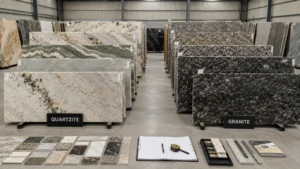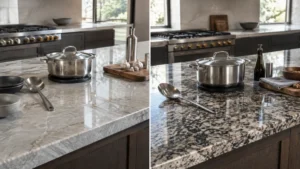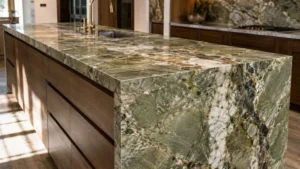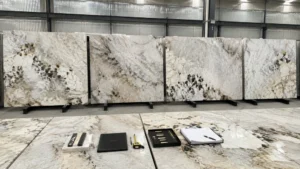

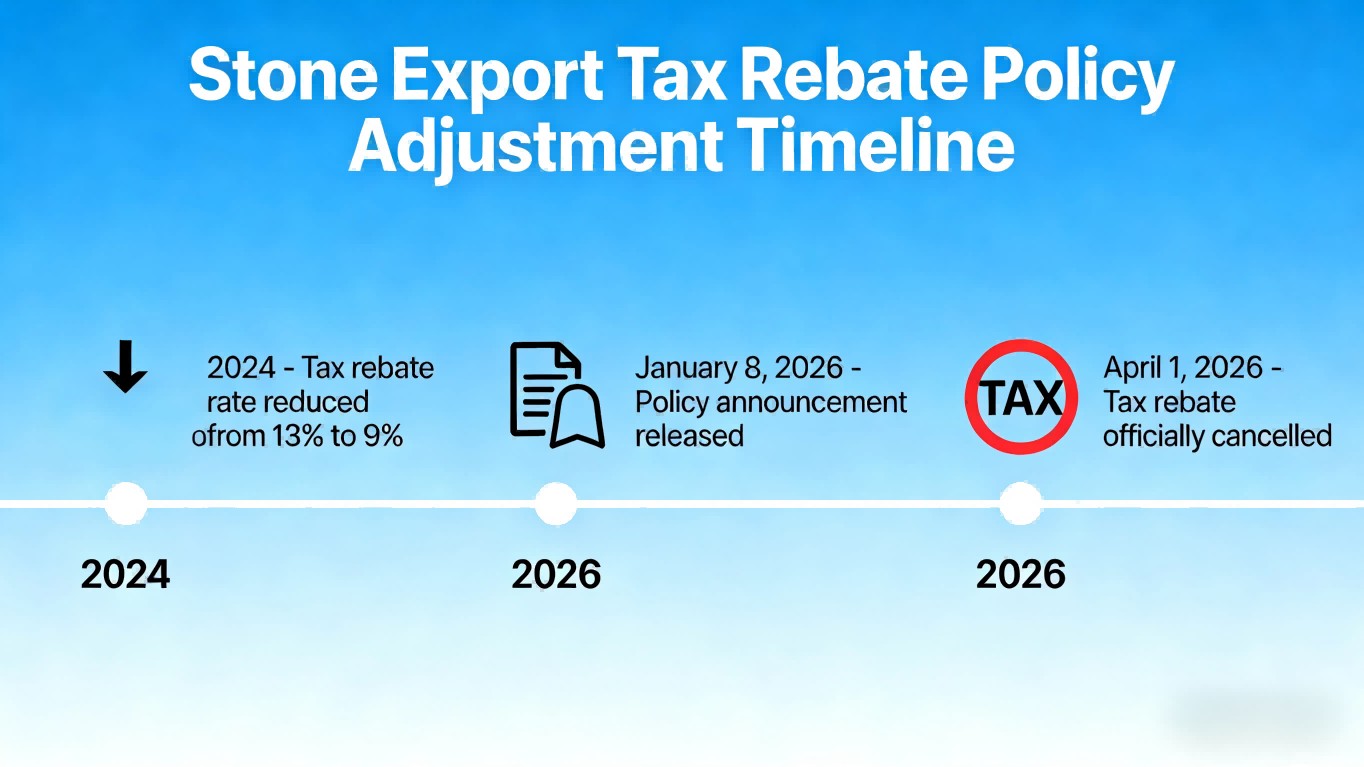
Ab dem 1. April 2026 wird China die Mehrwertsteuer-Rückerstattungen für den Export von 33 Kategorien steinerner Produkte abschaffen, was einen entscheidenden Wandel markiert
von kostengünstigen Rohstoffexporten hin zu hochwertigen, designorientierten Steinkonzepten.
Globale Einkäufer können mit einer Marktkonsolidierung, moderaten Preisanpassungen bei einfachen Platten sowie einem raschen Wachstum in
fertigen Steinprodukten wie CNC-gefrästen Komponenten, Steingarnituren und modularen Systemen rechnen.
Um wettbewerbsfähig zu bleiben, wird Einkäufern empfohlen, ihre Bestände frühzeitig zu sichern, fertige, designbereite Produkte vorrangig zu berücksichtigen,
und sich mit stabilen Lieferanten zusammenzuschließen, die fortschrittliche Fertigung, zuverlässige Logistik sowie langfristige Wertschöpfung bieten.
Kurzfassung: Ab dem 1. April 2026 wird die chinesische Regierung offiziell die Mehrwertsteuer-Rückerstattungen für den Export von 33 Kategorien steinerner Produkte abschaffen. Dies markiert zwar das Ende einer Ära des “kostengünstigen Rohstoffexports”, signalisiert jedoch zugleich den Beginn einer hochwertigen, designorientierten Zukunft. So wird dieser Wandel die globale Lieferkette neu gestalten – und wie Sie Ihrerseits vorausbleiben können.
Seit Jahrzehnten stützt sich der globale Steinmarkt auf China als Hochvolumen-Hub für rohe Blöcke und einfache Platten. Die neue Regelung, die ab April 2026 in Kraft tritt und die seit Langem bestehenden Steuerrückerstattungen für Marmor-, Granit- und Schieferprodukte abschafft, ist ein deutliches Signal des chinesischen Finanzministeriums.
Das Ziel ist klar: die Ausfuhr ressourcenintensiver Primärmaterialien zu entmutigen und gleichzeitig hochwertige, präzisionsgefertigte Steinprodukte zu fördern. Dies ist nicht nur eine steuerliche Veränderung; es handelt sich um einen verbindlichen “Upgrade-Befehl” für die gesamte Branche.
Mit dem Wegfall des “Preispolsters” durch staatliche Rückerstattungen werden auf dem internationalen Markt drei wesentliche Veränderungen eintreten:
Marktkonsolidierung: Kleine, wenig technisierte Werkstätten, die bisher auf Steuerzuschüsse angewiesen waren, dürften vom Markt verschwinden. Diese “natürliche Selektion” sorgt dafür, dass nur noch Lieferanten übrig bleiben, die über solide Finanzen, Umweltkonformität und fortschrittliche Fertigungskapazitäten verfügen.
Verschiebung des Wertversprechens: Die Preise für einfache Platten werden sich entsprechend den neuen Kostendrücken um 9%–13% erhöhen – dadurch schrumpft die Wertlücke zwischen Roh- und Fertigprodukten, sodass sich der Wettbewerb zunehmend vom Preis pro Einheit hin zum Gesamtwert der Lösung verschiebt.
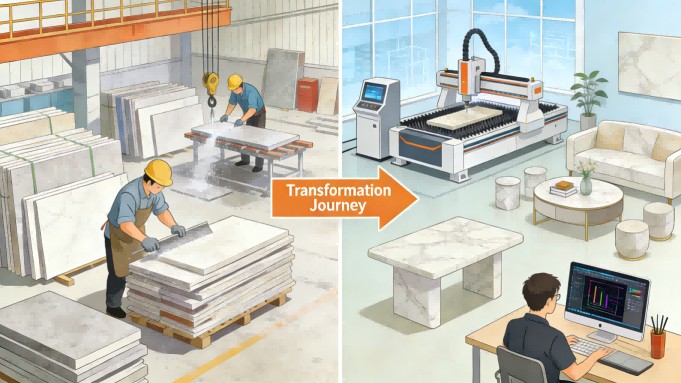
Stärkerer Fokus auf “Fertigprodukte”: Da die Politik nun eine höhere Verarbeitungstiefe begünstigt, werden Einkäufer eine wahre Innovationswelle bei Steingarnituren, filigranen CNC-Schnitzereien und modularen Wandsystemen erleben – Bereiche, in denen Chinas Fertigungstechnologie weltweit führend ist.
Um diesen Übergang reibungslos zu meistern, empfehlen wir unseren internationalen Kunden folgende Strategien:
Bestände früh sichern: Um den anfänglichen Kostenanstieg zu umgehen, raten wir dazu, Aufträge für Projekte Mitte 2026 bereits vor dem 28. Februar Fristabschluss. „Design‑bereite“ Produkte priorisieren:.
Anstatt rohe Platten zu importieren und sie vor Ort zu bearbeiten (was mit höheren Arbeitskosten verbunden wäre), sollten Sie lieber fertige Komponenten beziehen. Unsere Investition in Intelligente digitale Fertigung ermöglicht es uns, präzise zugeschnittene, projektfertige Teile anzubieten, die die steigenden Materialkosten durch geringeren Vor-Ort-Arbeitsaufwand und weniger Abfall kompensieren. Lieferantensicherheit prüfen:.
In dieser Phase des „Ausleseprozesses“ ist die Zuverlässigkeit Ihres Partners von größter Bedeutung. Stellen Sie sicher, dass Ihr Lieferant über die technische Infrastruktur und ein globales Logistiknetzwerk verfügt, um den nationalen politischen Veränderungen standzuhalten. 4. Unser Engagement: Mehr Wert als nur Stein schaffen.
Bei sehen wir diese politische Wende als Chance, unsere Partnerschaft mit Ihnen neu zu definieren. Wir entwickeln uns vom reinen „Steinlieferanten“ hin zu Ihrem, “Partner für Raumlösungen”. “Durch die Integration von KI-gestützter Schneidetechnologie und nachhaltigen Abbauverfahren gleichen wir Teile der Kostensteigerung durch betriebliche Effizienz aus. Unser Fokus bleibt auf die Erfüllung der ”drei P“:”
Präzision, Planbarkeit und Premium‑Ästhetik. Schlussgedanken:.
Die politische Änderung von 2026 ist ein Meilenstein in der Reifung des globalen Steinhandels. Sie fordert uns heraus, uns von der kommoditätsbasierten Konkurrenz zu lösen und uns einer Zukunft zuzuwenden, die von Handwerkskunst und Innovation geprägt ist. Wir danken Ihnen für Ihr fortgesetztes Vertrauen, während wir gemeinsam in diese Premium‑Ära des chinesischen Steins eintreten. Frage 1: Warum streicht die chinesische Regierung die Steuerrückerstattung für Steinexporte?.
A: Frage 2: Wie genau wird sich dies auf die Preise meiner kommenden Bestellungen auswirken?.
A: nach dem 1. April 2026 ausgeliefert werden, führt der Wegfall der Steuerrückerstattung in Höhe von 9%–13% zu einer Anpassung der Marktpreise. Je nach Produkttyp und Bearbeitungstiefe können Kunden mit einem Nettoanstieg von etwa, 9% bis 13% rechnen. Bei hochwertigen Fertigprodukten wie Steingarnituren oder maßgeschneiderten Schnitzereien fällt der Effekt jedoch deutlich geringer aus, da deren Wert eher durch Handwerkskunst als durch das Gewicht des Rohmaterials bestimmt wird.. Frage 3: Gibt es eine „Übergangsfrist“ oder eine Möglichkeit, die aktuellen Preise zu sichern?.
A: 1. April 2026 in Kraft. Alle Bestellungen, die bis zum 31. März. die Zollanmeldung abschließen und die chinesischen Häfen verlassen vor diesem Datum, profitieren weiterhin von den derzeit gültigen, steuerinbegriffenen Preisen. Wir empfehlen unseren Partnern dringend, ihre Anforderungen für das zweite und dritte Quartal bis Mitte Februar abzuschließen, um ausreichend Zeit für Produktion und Versand einzuplanen. Frage 4: Wird diese Politik zu Lieferkettenunterbrechungen oder zum Ausscheiden von Lieferanten führen?.
A: The industry is undergoing a “healthy shake-out.” While small-scale workshops with low environmental standards may struggle, established leaders like HRST STEIN sind bereits vorbereitet. Wir haben unsere Lieferkette optimiert und in Automatisierung investiert, um diesen Veränderungen entgegenzuwirken. Für internationale Einkäufer bedeutet dies langfristig eine stabilere, professionellere und konformere Beschaffungslandschaft.
A: Wir empfehlen zwei Hauptstrategien:
Umstellung auf Fertigprodukte: Indem Sie präzise zugeschnittene, “einbaufertige” Komponenten anstelle von Rohplatten importieren, sparen Sie erheblich bei den lokalen Arbeits- und Entsorgungskosten, was häufig die Materialpreiserhöhung ausgleicht.
Großabnahme: Durch die Bündelung Ihrer Bestellungen vor der April-Frist können Sie die aktuellen Kurse sichern und die Versandkosten optimieren.