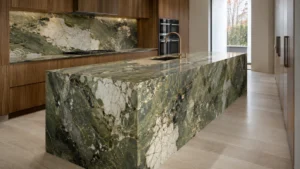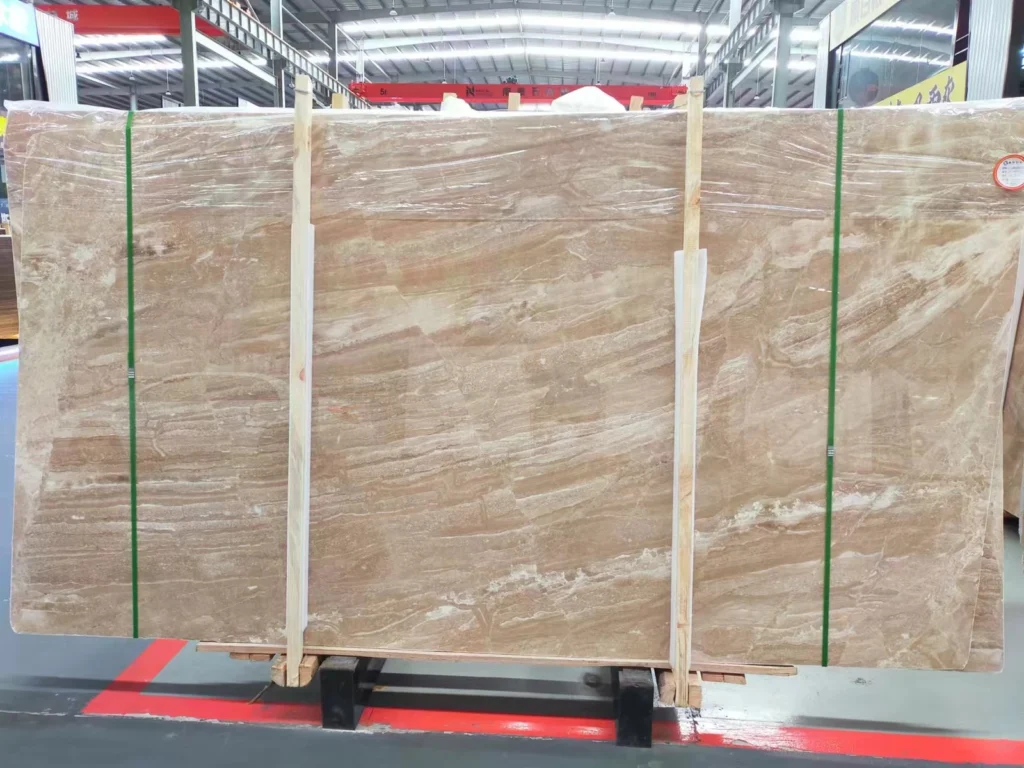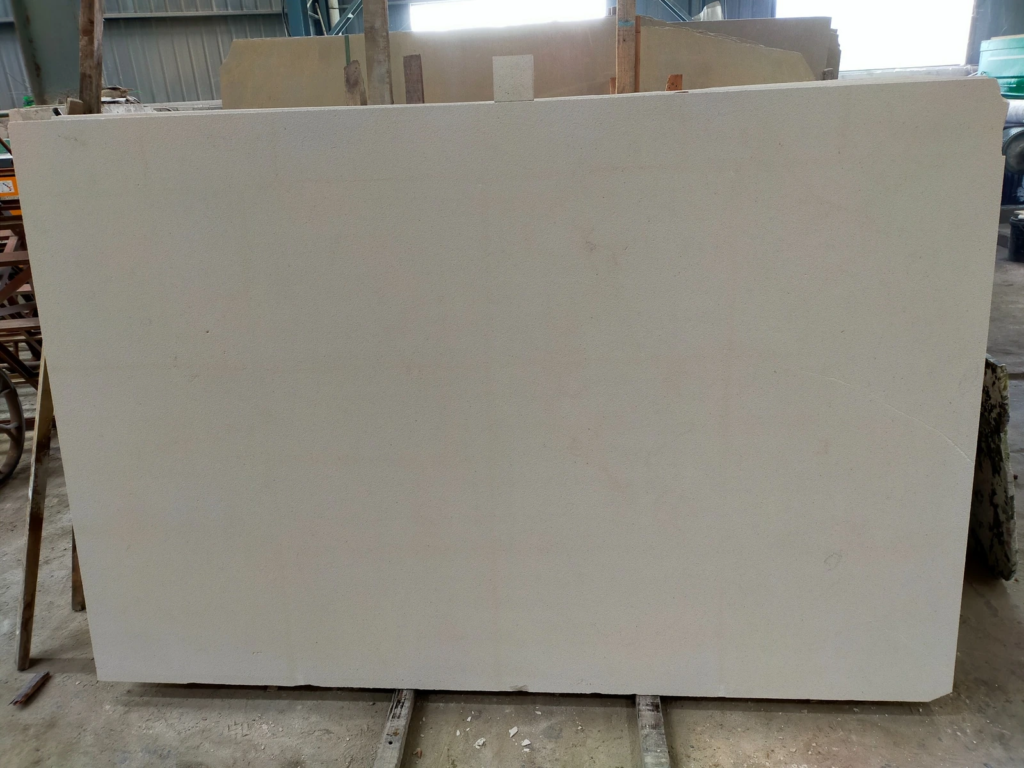


Gebogene Marmorplatten finden zunehmend Anwendung in Luxushotels, Einzelhandelsinterieurs und skulpturalen Gebäudefassaden. Geschwungene Oberflächen vermitteln ein Gefühl von Bewegung und Eleganz, das flache Steinplatten nicht erreichen können. Doch natürliche Marmorplatten lassen sich nicht einfach biegen. Aufgrund ihrer kristallinen Struktur sind Marmorplatten spröde und reißen, wenn sie einer Krümmung unterworfen werden.
Um geschwungene Marmoroberflächen zu erzeugen, greifen Hersteller auf ingenieurtechnische Fertigungsverfahren zurück, die flache Platten umformen oder zu gekrümmten Geometrien zusammensetzen. Diese Methoden ermöglichen es Designern und Architekten, komplexe Formen zu realisieren und gleichzeitig die strukturelle Integrität zu wahren.
Marmor besitzt eine hohe Druckfestigkeit, jedoch nur eine relativ geringe Zugfestigkeit. Beim Biegen einer Platte entsteht an der Außenseite der Krümmung Zugspannung. Da Marmor keine signifikanten Zugbelastungen aushalten kann, brechen bereits vor dem eigentlichen Biegevorgang Risse auf.
Daher werden gebogene Steinplatten mithilfe folgender Fertigungsstrategien hergestellt:
CNC-Maschinen entfernen Material von der Rückseite einer dicken Marmorplatte, um eine gekrümmte Oberfläche zu erzeugen. Dieses Verfahren ermöglicht es, dass die sichtbare Seite des Marmors weiterhin kontinuierlich und nahtlos bleibt.
Advantages:
Einschränkungen:
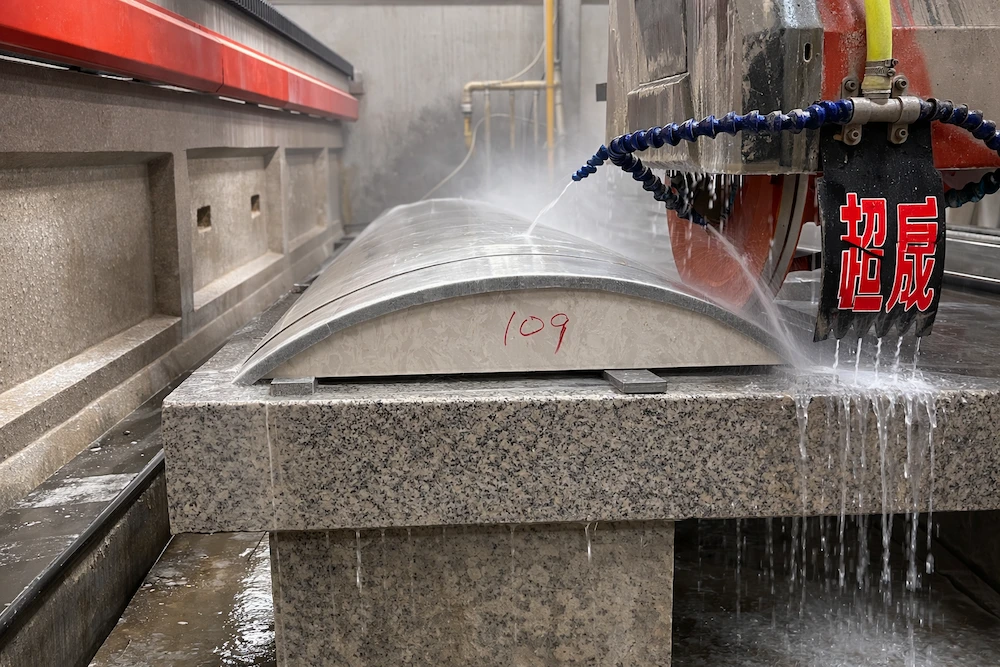
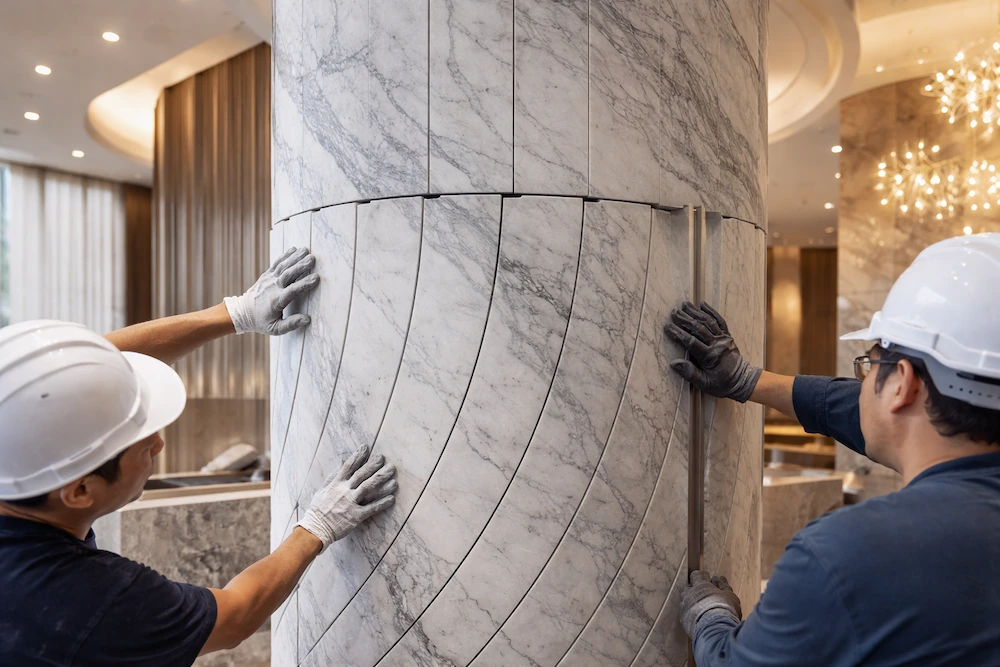
Bei der segmentierten Montage wird eine gekrümmte Oberfläche in mehrere schmale gerade Teile unterteilt. Jedes Teil wird aus flachen Marmorplatten geschnitten und nebeneinander angebracht, um eine nahezu glatte Kurve zu erzeugen.
Advantages:
Dies ist die am häufigsten angewandte Technik für gebogene Marmorsäulen und Innenausstattungswände.
Beim Kerfschneiden werden V-förmige Nuten in die Rückseite einer Marmorplatte gefräst. Diese Nuten verringern die Steifigkeit und ermöglichen es der Platte, sich bei der Installation leicht zu biegen.
Obwohl diese Methode engere Krümmungen zulässt, schwächt sie den Stein erheblich und muss daher mit Glasfasergewebe oder Trägersystemen verstärkt werden.
Bei Wabenverbundplatten werden dünne Marmorbleche (3–5 mm) mit Aluminium-Wabenplatten verklebt. Die Verbundkonstruktion ist leicht und kann mithilfe von Formen zu gekrümmten Geometrien geformt werden.
Dieses System wird häufig bei großflächigen architektonischen Fassaden eingesetzt, wo Gewichtsreduktion entscheidend ist.

| Method | Kosten | Festigkeit | Radiusflexibilität | Typische Anwendung |
|---|---|---|---|---|
| CNC-Fräsen | Hoch | Hoch | Großer Radius | Luxuriöse Ausstattungswände |
| Segmentierte Montage | Medium | Medium | Flexibel | Säulen und gekrümmte Innenräume |
| Rückseitiges Kerfschneiden | Low | Low | Kleiner Radius | Dekorative Wände |
| Wabenverbund | Medium | Hoch | Großflächig | Außenfassaden |
Gebogene Marmorplatten entstehen nicht durch das Biegen von Stein, sondern durch ingenieurtechnische Fertigungsverfahren. CNC-Fräsen, segmentierte Montage, Kerfschneiden und Wabenverbundsysteme bieten jeweils Lösungen für unterschiedliche architektonische Anforderungen. Die Wahl der richtigen Methode hängt vom Radius, der Plattendicke, den strukturellen Anforderungen sowie dem Projektbudget ab.
Nein. Marmor ist ein sprödes Material und bricht, wenn man versucht, ihn zu biegen.
Die segmentierte Montage ist die am häufigsten eingesetzte Technik in kommerziellen Projekten.
Für große Platten bieten Wabenverbundsysteme ein besseres Verhältnis von Gewicht zu Festigkeit.
Der minimale Radius hängt von der Plattendicke und der Fertigungsmethode ab.
Kerfschnittplatten werden im Allgemeinen nur für dekorative Anwendungen im Innenbereich empfohlen.