
Porto Beige Limestone for Interior Walls: Design, Fabrication and Procurement Guide
Porto Beige Limestone is a soft, warm and visually balanced natural stone used for residential, hospitality and commercial interior wall projects. Its quiet beige background, fine mineral details and understated texture make it especially suitable for designers who want a natural stone surface without the dramatic movement of marble or quartzite.
ملخص سريع
A well-planned Porto Beige wall combines a warm neutral color, natural texture and architectural simplicity. The material can be fabricated as a Porto Beige tile, large-format wall panel, decorative molding or custom cut-to-size package. For the best result, buyers should confirm the approved material range, surface finish, panel dimensions, joint layout, installation method and sealing requirements before production.
What Is Porto Beige Limestone?
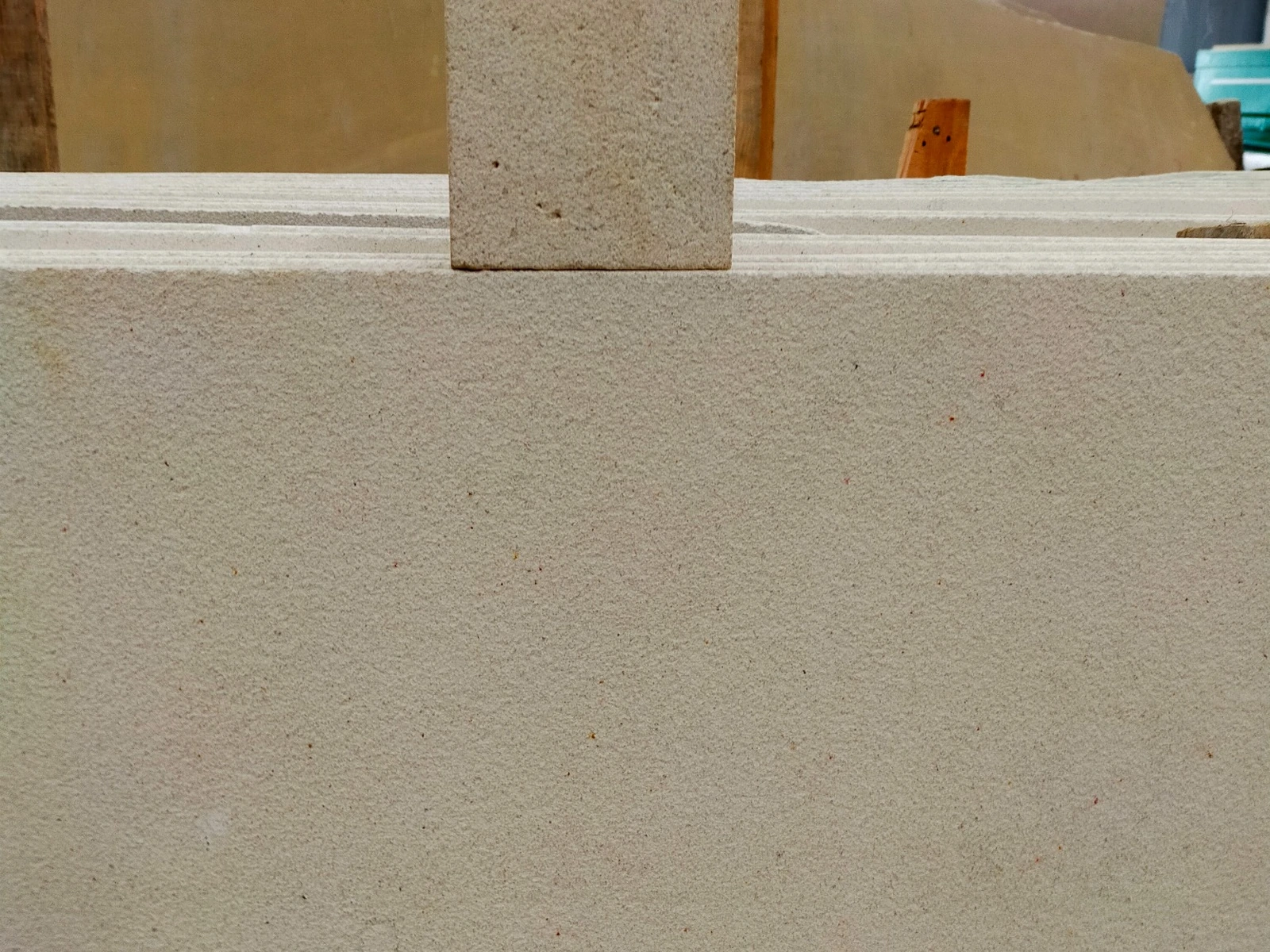
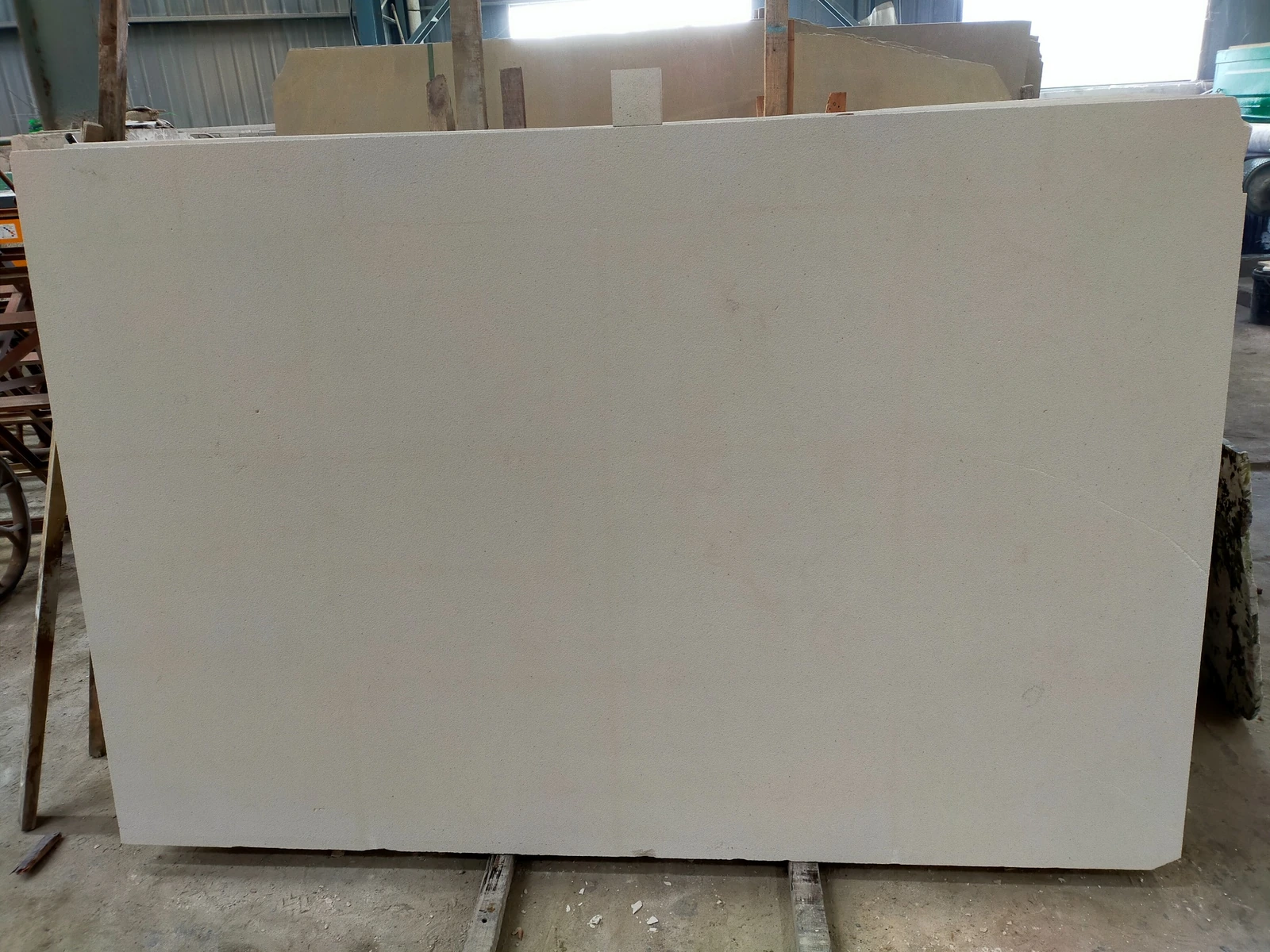
Porto Beige Limestone is a commercial name used for selected Portuguese beige limestone materials with a relatively consistent cream-to-beige background. Depending on the quarry, cutting direction and material batch, the stone may display fine grains, small shell fragments, light fossil markings, scattered mineral dots or subtle grey-beige movement.
Because natural-stone trade names are not always connected to one exclusive quarry, one supplier’s Porto Beige stone may look slightly different from another supplier’s selection. Architects and purchasing teams should therefore avoid approving a project only from a catalog photograph. A physical control sample, current slab photographs and a representative range sample provide a more reliable basis for approval.
The term Porto limestone is often used as a shorter commercial description, but the full material name should remain on quotations, packing lists, shop drawings and sample labels. This reduces confusion when several beige limestone materials are being considered for the same project.
Why Porto Beige Limestone Works for Interior Walls
An interior wall often occupies a larger visual area than a countertop, table or vanity. The selected stone must therefore support the overall design rather than compete with furniture, artwork and lighting. Porto Beige Limestone performs well in this role because its color remains warm and natural while its pattern is generally restrained.
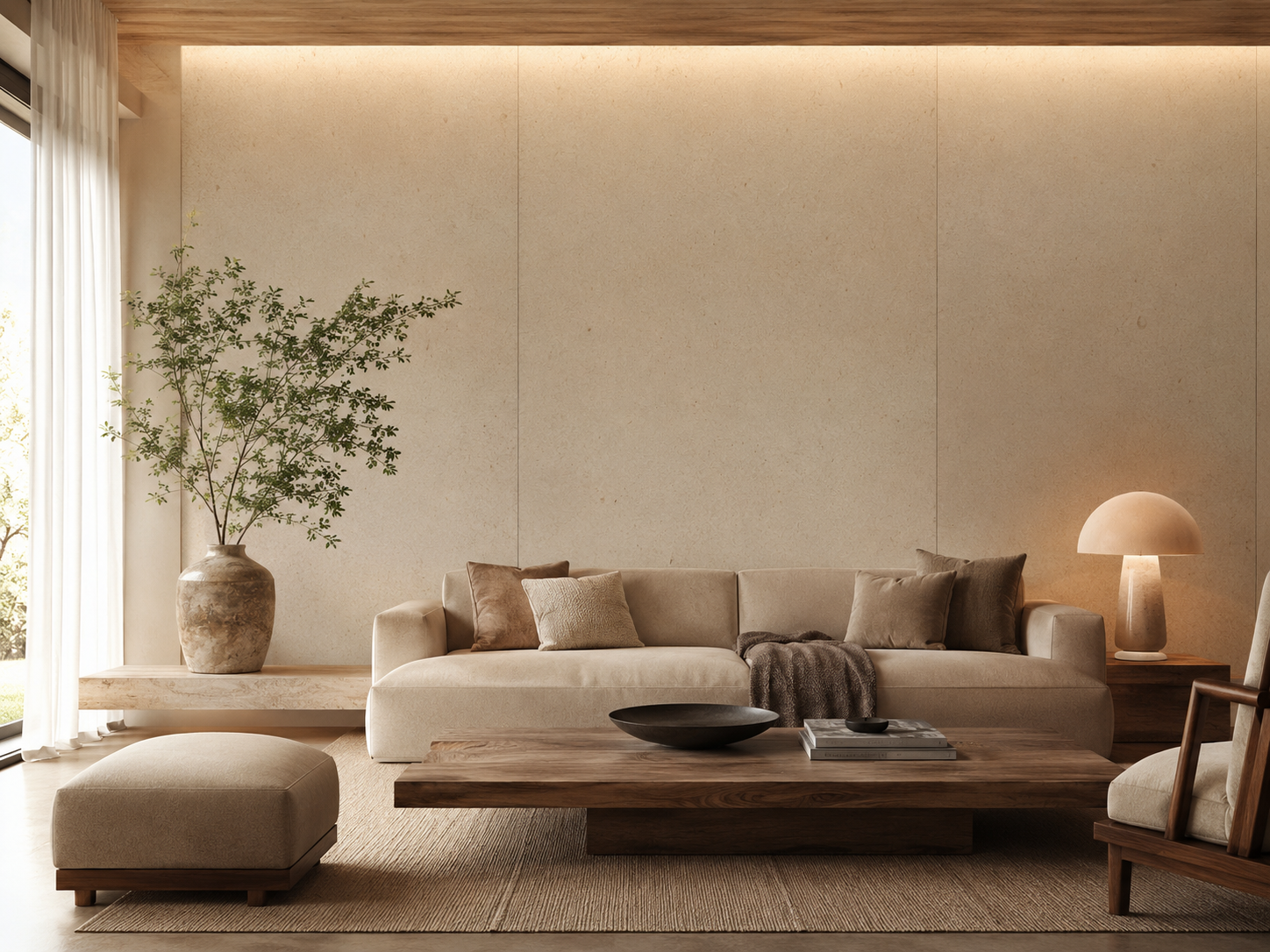
A large Porto stone wall can soften a minimalist space and add material depth without introducing strong veins. Compared with highly figured marble, the surface creates a quieter background. Compared with painted plaster, it provides authentic mineral texture and greater architectural permanence.
The material also coordinates easily with walnut, oak, bronze, brushed nickel, warm-white plaster, cream upholstery and other neutral finishes. For this reason, a Porto wall tile can be used in both modern and transitional interiors.
Designers can use Porto wall stone across one statement surface or repeat it through several connected areas. When the same finish appears in a lobby, corridor and reception zone, the stone helps create visual continuity throughout the project.

Visual Characteristics and Interior Design Value
The main design value of this beige limestone is its balance between uniformity and natural variation. From a distance, the wall reads as a calm cream or light-beige architectural plane. At closer range, fine pores, small fossil traces and mineral markings reveal that the material is genuine stone rather than a printed surface.
This quiet texture makes a limestone wall especially useful in interiors where the architect wants material richness without heavy pattern. The stone can be paired with clean-lined furniture and concealed lighting, but the lighting should reveal the natural texture rather than create an artificial glowing-wall effect.
Because natural limestone walls contain tonal variation, the final effect depends on material sorting and panel placement. A random installation can create unwanted dark or light clusters. A controlled dry layout allows the fabricator and project team to distribute variation more evenly.
Product Specifications
| تخصيص | Project Information |
|---|---|
| Material Name | Porto Beige Limestone |
| Material Type | Natural Portuguese beige limestone trade selection |
| Primary Colors | Light beige, warm cream and subtle grey-beige tones |
| Texture Pattern | Fine-to-medium grain with natural pores, fossil traces and scattered mineral details |
| Surface Finishing | Honed, brushed, sanded, sandblasted, bush-hammered, grooved and custom textured |
| السماكة المتاحة | 15 mm, 18 mm and 20 mm, subject to panel dimensions and fixing method |
| Application Scope | Living-room walls, hotel lobbies, reception areas, corridors, dining rooms, bathrooms, fireplace walls and commercial interiors |
| Supply Ability | Slabs, tiles, cut-to-size wall panels, moldings, profiles and coordinated project packages |
Best Interior Applications
Living-Room Feature Walls
A living-room limestone feature can cover the full wall behind a sofa, fireplace, television or freestanding furniture composition. Large panels create a more architectural appearance, while smaller modular pieces produce a visible tile rhythm.
For a refined limestone accent, the panel joints should coordinate with ceiling lines, furniture widths and nearby openings. Narrow offcuts at the edge of a wall should be avoided wherever possible.
Hotel Lobby and Reception Areas
Hospitality interiors often require a material that looks premium in both daylight and warm artificial lighting. A honed beige wall behind a reception counter creates a welcoming first impression while remaining neutral enough to support brand signage, furniture and decorative lighting.
For high-visibility public areas, a full-size mock-up should include the actual stone finish, grout color, joint width and lighting angle. This helps the project team evaluate the completed limestone interior before approving large-volume production.
Bathroom and Shower Walls
Porto Beige Limestone can create a calm bathroom environment when used around the vanity, bathtub or shower enclosure. In wet areas, the stone finish should be selected together with the waterproofing system, adhesive, grout, sealant and cleaning plan.
Natural limestone is not a substitute for waterproofing. The substrate and membrane behind the stone must be properly designed, and penetrations around fixtures should be sealed carefully. A limestone wall tile installed in a shower also requires suitable sealing and routine maintenance.

Dining Rooms and Private Entertaining Spaces
A warm beige stone wall works particularly well in dining rooms because it complements timber tables, upholstered chairs and warm lighting. The material adds texture without making the room visually busy.

Corridors, Hallways and Transition Zones
Corridors benefit from a durable wall finish and a consistent panel rhythm. Long horizontal modules can visually extend the passage, while full-height vertical panels can emphasize ceiling height.
An indoor stone wall in a narrow corridor should use carefully positioned lighting. Strong grazing light can highlight natural texture, but it can also exaggerate uneven joints or inconsistent panel thickness. Fabrication accuracy and substrate preparation are therefore especially important.

Choosing Wall Panel Sizes and Joint Layouts
Porto Beige Limestone may be supplied as standard tiles, medium-format panels or custom large-format pieces. The correct format depends on wall dimensions, stone thickness, handling access, installation method and the desired visual rhythm.
A smaller beige wall tile is easier to handle and can accommodate irregular wall dimensions, but it introduces more joints. A large beige wall panel creates a cleaner surface but requires more detailed engineering, lifting preparation and substrate control.
For custom work, the project team should issue elevations showing the exact position of doors, niches, switches, outlets, sanitary fittings and furniture. The fabricator can then convert the architectural drawing into a production layout.
أ Porto beige panel should not be sized only according to the maximum available slab dimensions. Its final size must also consider crate limitations, container loading, site access, elevator dimensions and safe installation weight.
Recommended Surface Finishes
| ينهي | Visual Effect | Recommended Use | Procurement Note |
|---|---|---|---|
| مصقول بدرجة خفيفة | Smooth, matte and softly reflective | Living rooms, lobbies, bathrooms and large interior walls | Confirm the required honing degree and approved sheen level |
| Brushed | Soft tactile texture with reduced reflection | Warm residential interiors and hospitality spaces | Review cleaning requirements before approval |
| Sanded | Even matte surface with visible natural grain | Commercial walls, corridors and understated feature areas | Approve texture using a production-size sample |
| Sandblasted | More pronounced and uniformly textured | Decorative wall zones and selected commercial areas | May require more frequent dust removal than a honed surface |
| Grooved or Fluted | Linear shadow and stronger architectural relief | Reception walls, columns, furniture fronts and feature zones | Confirm groove spacing, depth, edge treatment and direction |
For most residential and hospitality wall projects, honed limestone provides the most versatile finish. The catalog phrase Porto beige honed should still be supported by an actual finish sample because honing levels can vary between factories.

Decorative Profiles, Moldings and Custom Fabrication
Porto Beige Limestone is not limited to flat wall panels. It can be fabricated into moldings, cornices, reveals, framed openings, fluted strips, curved transitions and other architectural details.
Decorative profiles can give a Porto beige decor scheme greater depth while maintaining the same color family as the main wall. However, every custom profile should be reviewed in cross-section before mass production.
For long moldings, buyers should confirm the maximum production length, joint positions, profile continuity and packaging support. Fragile projecting edges require additional protection during handling and transport.

Material Selection and Batch Approval
Natural limestone should be purchased as a controlled project batch rather than as isolated pieces from unrelated stock. Even when the overall color is consistent, individual slabs may contain different concentrations of pores, fossil traces or darker markings.
Before cutting begins, the buyer should approve a representative Porto beige slab or a range of samples showing the light, medium and darker acceptable limits. This prevents a small ideal sample from becoming an unrealistic quality standard for the full project.
For an important natural stone wall, the supplier should provide current material photographs under neutral lighting. Images should show the full surface instead of only close-up areas.
When a project includes a large stone feature wall, the material should be laid out in installation order before packing. The dry layout allows the factory to balance color and identify panels that require replacement or repositioning.
Fabrication and Quality-Control Process
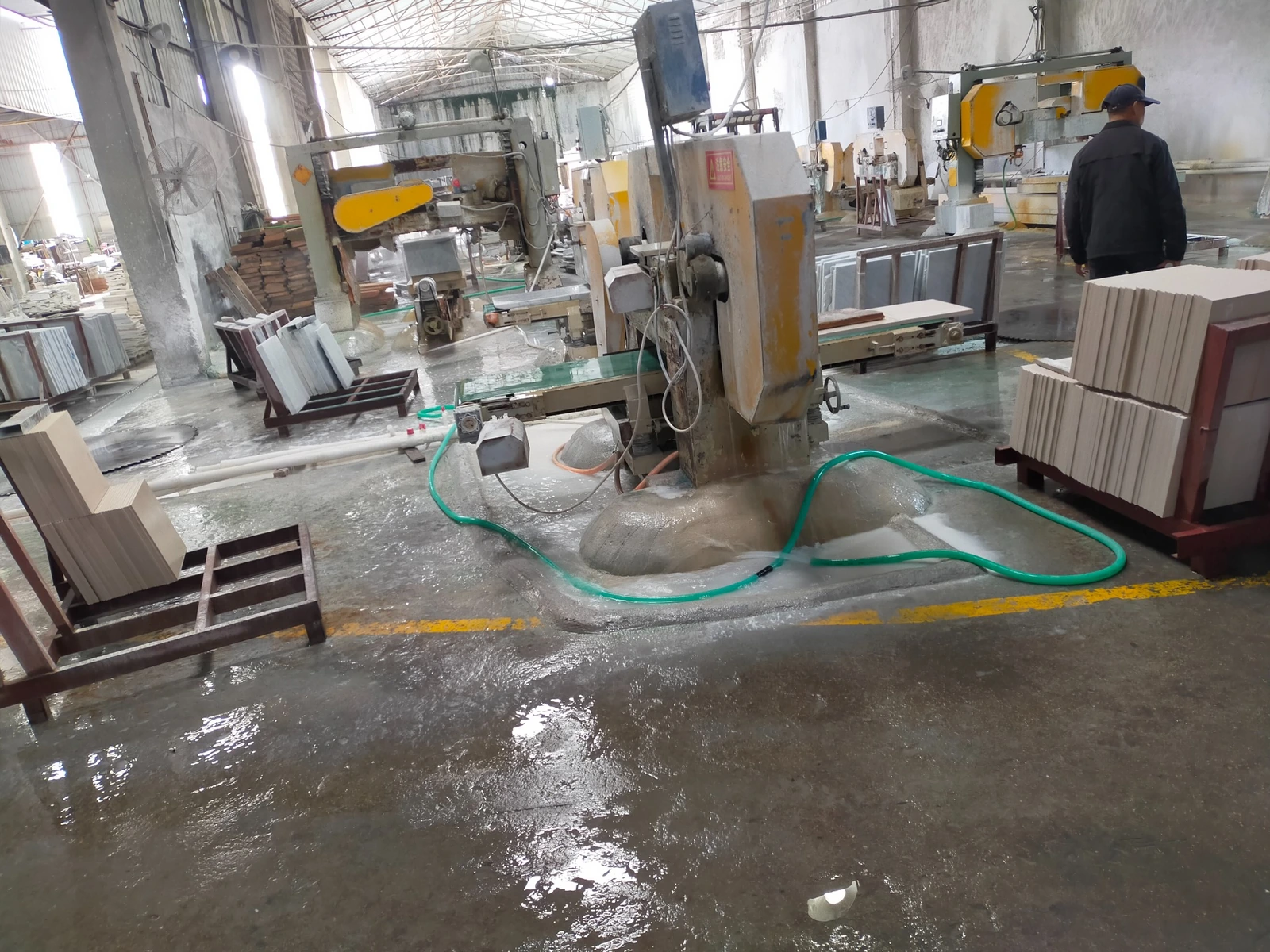
Accurate wall fabrication begins with approved elevations and panel schedules. The factory should verify panel dimensions, thickness, finish, joint direction, visible edges, cutouts and labeling requirements before cutting.
During production, the factory should inspect dimensions, diagonals, surface consistency, edge condition and finish quality. Panels with openings or narrow stone sections require additional checking because these areas are more vulnerable during fabrication and installation.
A complete limestone panel package should include numbered labels corresponding to the approved shop drawings. Where possible, labels should be placed on the reverse side and remain readable after transport.
For export projects, completed panels should be separated with protective materials and packed in reinforced fumigated wooden crates. Edge guards, internal support and secure fixing help reduce movement inside the crate.

Installation Planning for Limestone Wall Panels
Successful limestone cladding depends on both factory accuracy and site preparation. The substrate should be stable, clean, dry and sufficiently flat for the specified installation system.
Small and medium wall tiles may be installed with an appropriate light-colored natural-stone adhesive. Large or heavy panels may require mechanical support, anchoring or an engineered fixing system depending on wall height, panel weight, substrate and local building requirements.
The installer should follow the approved panel map rather than selecting pieces randomly from different crates. Joint width, grout color and perimeter movement allowance should be confirmed before work begins.
A continuous جدار حجري داخلي should also account for building movement, changes in substrate and transitions between different materials. Movement joints should not be eliminated simply to create a more seamless appearance.
For a wet-area beige feature wall, the installation team should test the adhesive, sealer and grout on a spare stone piece. This helps identify possible discoloration, staining or unwanted surface changes before installation.
Cleaning, Sealing and Long-Term Maintenance
Limestone is a calcium-based natural material and can react with acidic cleaning products. Vinegar, strong bathroom cleaners and aggressive descaling chemicals should not be used on the finished stone.
Routine cleaning should use a soft cloth or non-abrasive pad with a pH-neutral cleaner suitable for natural stone. Dust should be removed regularly from textured panels and horizontal grooves.
Sealing requirements depend on the stone density, finish, location and exposure. A bathroom wall may need a different maintenance plan from a dry hotel-lobby wall. The selected sealer should be tested first because some products can deepen the beige color.
A properly maintained beige wall panel should age gradually and naturally. Maintenance instructions should be included in the project handover package so cleaning teams understand which products are permitted.
Procurement Checklist for Buyers
| Procurement Item | What to Confirm | Main Risk Controlled |
|---|---|---|
| Material identity | Commercial name, quarry information where available and current batch photographs | Receiving a visually different beige limestone |
| Range approval | Light, medium and darker acceptable samples | Disputes over natural color variation |
| Surface finish | Finish sample, sheen, texture depth and edge appearance | Inconsistent wall reflection or texture |
| Panel schedule | Dimensions, quantities, spare pieces and panel numbering | Missing pieces and installation confusion |
| Dry layout | Color distribution and installation sequence | Unbalanced light and dark areas |
| Installation system | Adhesive, anchoring, substrate, waterproofing and movement joints | Panel detachment, cracking or moisture problems |
| Packing | Crate design, edge guards, labels and packing photographs | Transport damage and misplaced panels |
Working With a Project Limestone Supplier
Selecting a capable limestone supplier involves more than comparing the unit price of stone. Interior wall projects require coordination between material selection, shop drawings, cutting, surface finishing, dry layout, inspection, packing and installation planning.
HRST STONE can support project buyers with material review, cut-to-size fabrication, CAD and shop-drawing coordination, surface samples, dry-layout confirmation, production inspection and export packing.
For a custom Porto Beige wall project, buyers should provide wall elevations, panel sizes, finish requirements, quantities, installation location and expected delivery schedule. The more complete the information, the more accurately the supplier can review material usage and fabrication risk.
Whether the project requires a modular beige wall tile layout or a large-format limestone wall package, early technical communication reduces revisions and helps maintain consistent quality from sample approval through final delivery.
الأسئلة المتداولة
1. Is Porto Beige Limestone suitable for an interior feature wall?
Yes. Its warm neutral color and restrained natural pattern make it suitable for living rooms, hotel lobbies, reception areas, dining rooms and other feature-wall applications. Panel size, finish and joint layout should be selected according to the overall interior design.
2. What is the best finish for Porto Beige Limestone walls?
A honed finish is usually the most versatile choice because it provides a smooth matte appearance and reveals the natural limestone texture without excessive reflection. Brushed, sanded, grooved and other finishes can be used for more decorative applications.
3. Can Porto Beige Limestone be used on bathroom walls?
Yes, but bathroom and shower applications require suitable waterproofing behind the stone, compatible adhesive, carefully sealed penetrations and an appropriate natural-stone sealer. The maintenance requirements should be confirmed before installation.
4. Should large limestone wall panels be mechanically fixed?
The fixing method depends on panel dimensions, thickness, weight, wall height, substrate and local requirements. Large or heavy panels may require mechanical support or an engineered anchoring system. The final method should be confirmed by the project architect, engineer or qualified installer.
5. Does Porto Beige Limestone have color variation?
Yes. Natural variation may include changes in beige tone, fine grains, pores, fossil markings and mineral spots. A representative range sample and dry-layout review help establish an acceptable appearance before shipping.
6. Can Porto Beige Limestone be customized into moldings or fluted panels?
Yes. The stone can be fabricated into flat panels, grooved strips, fluted surfaces, moldings, framed openings and other decorative profiles. A full-size sample is recommended for confirming the profile geometry and finish.
7. How should a Porto Beige Limestone wall be cleaned?
Use a soft cloth or non-abrasive pad with a pH-neutral cleaner intended for natural stone. Avoid acidic cleaners, vinegar, aggressive descalers and abrasive tools that may etch or scratch the surface.
8. What information is needed for a wall-panel quotation?
Provide wall elevations, panel dimensions, thickness, surface finish, edge details, cutouts, quantities, spare-piece requirements, installation location and delivery destination. Shop drawings or CAD files help the supplier calculate the project more accurately.
ملاحظة ختامية
Porto Beige Limestone offers a calm, warm and architectural surface for residential, hospitality and commercial interior walls. Its success depends not only on the selected material but also on batch approval, panel engineering, finish control, dry layout, installation planning and long-term maintenance.
Before ordering a complete wall package, request current material photographs, a representative finish sample and a detailed panel schedule. These steps help ensure that the completed Porto Beige Limestone installation matches the approved design intent.