Часто задаваемые вопросы покупателей кухонных столешниц из кварцита: практические ответы
Post navigation
Краткое резюме
Natural quartzite is not engineered quartz; confirm material identity and evaluate the actual slabs.
Performance depends on the stone, finish, details, fabrication, support, installation, sealing strategy, and daily use.
Use samples and images for screening, then document the approved lot, layout, tolerances, and care plan.
Quartzite Kitchen Countertop Buyer FAQ: Practical Questions Answered is a practical decision guide for international buyers, homeowners, designers, fabricators, and project teams. The objective is to answer common purchase questions without replacing slab-specific inspection, testing, fabrication review, or professional project advice. Natural stone is inherently variable, so the advice below emphasizes the actual material, documented approvals, qualified fabrication, and project-specific judgment rather than absolute promises.
Throughout this guide, “quartzite” means natural stone, not engineered quartz. Commercial names can vary between suppliers and markets. When geological identity, structural behavior, absorption, chemical response, or another performance characteristic is critical, define the requirement and arrange appropriate representative evaluation instead of relying on the trade name alone.
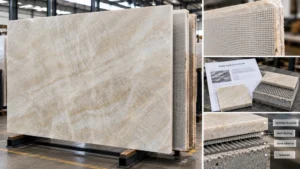
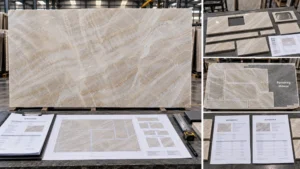
quartzite_slab_visual_approval_vein_matching
Material Identity Questions
Buyers often encounter overlapping commercial names. Natural quartzite is a quarried stone, while engineered quartz is manufactured from mineral components and binders. Marble, dolomitic stone, and other materials may also be sold under familiar design names. Request consistent descriptions and use testing when identity is critical.
For international buyers, homeowners, designers, fabricators, and project teams, the useful question is not whether material identity questions is generally recommended, but what evidence will make the choice defensible for this order. Record the assumption, the person responsible for confirming it, the approval format, and the stage after which a change becomes costly. This turns a broad preference into a controlled project decision.
At the approval stage, ask four practical questions: what exactly is being accepted, what evidence supports it, who owns the next action, and how will a deviation be handled? For answer common purchase questions without replacing slab-specific inspection, testing, fabrication review, or professional project advice, these questions create a repeatable trail from selection through installation. They also make it easier to compare proposals without assuming that similar names or photographs represent identical material and service.
Appearance and Selection Questions
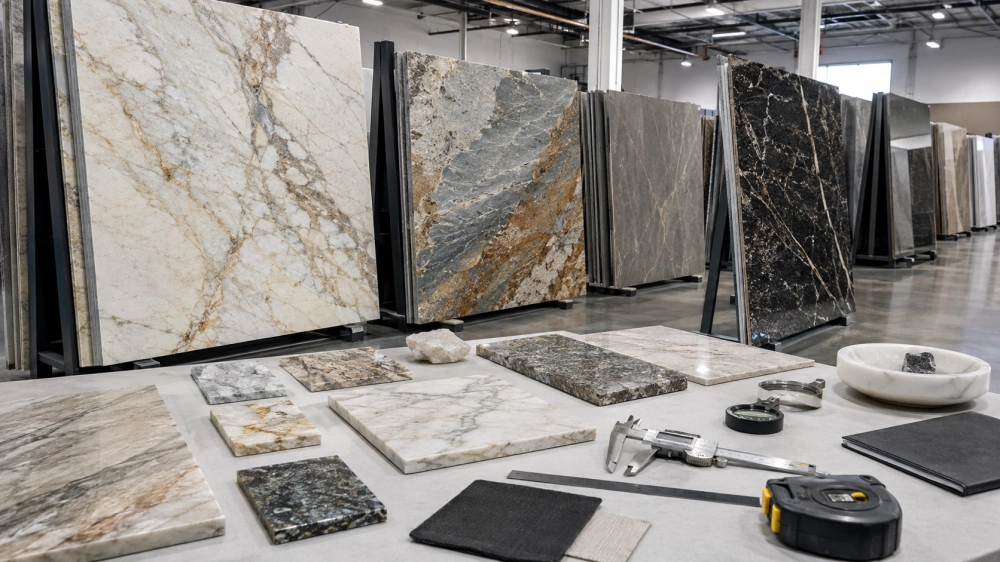
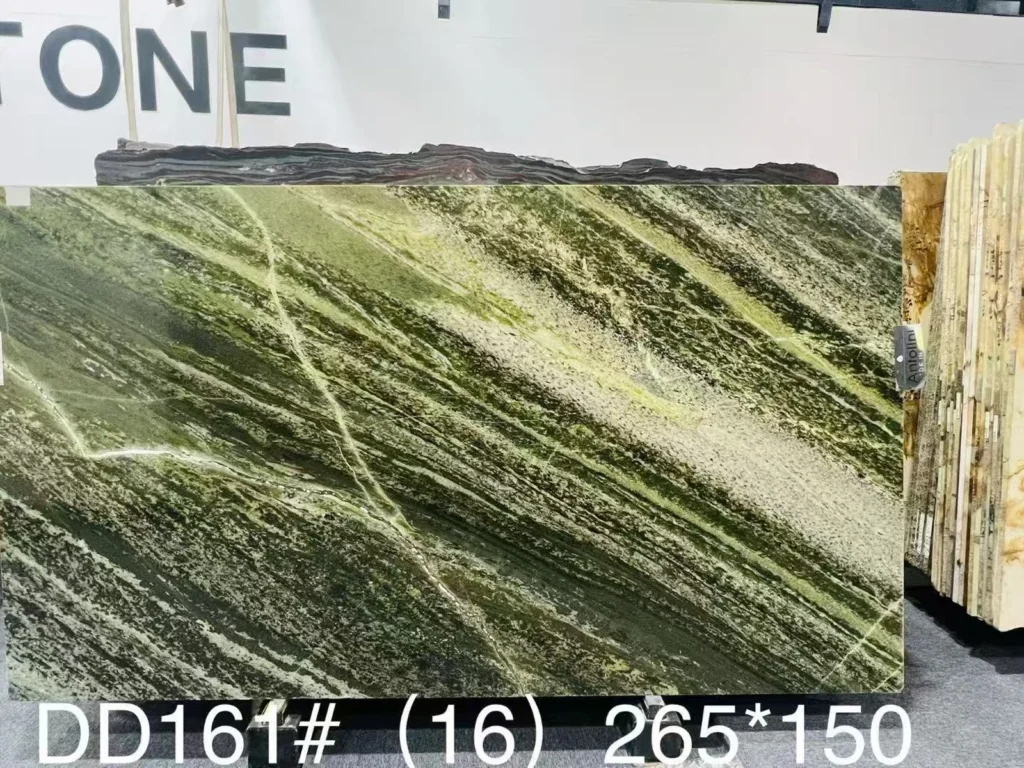
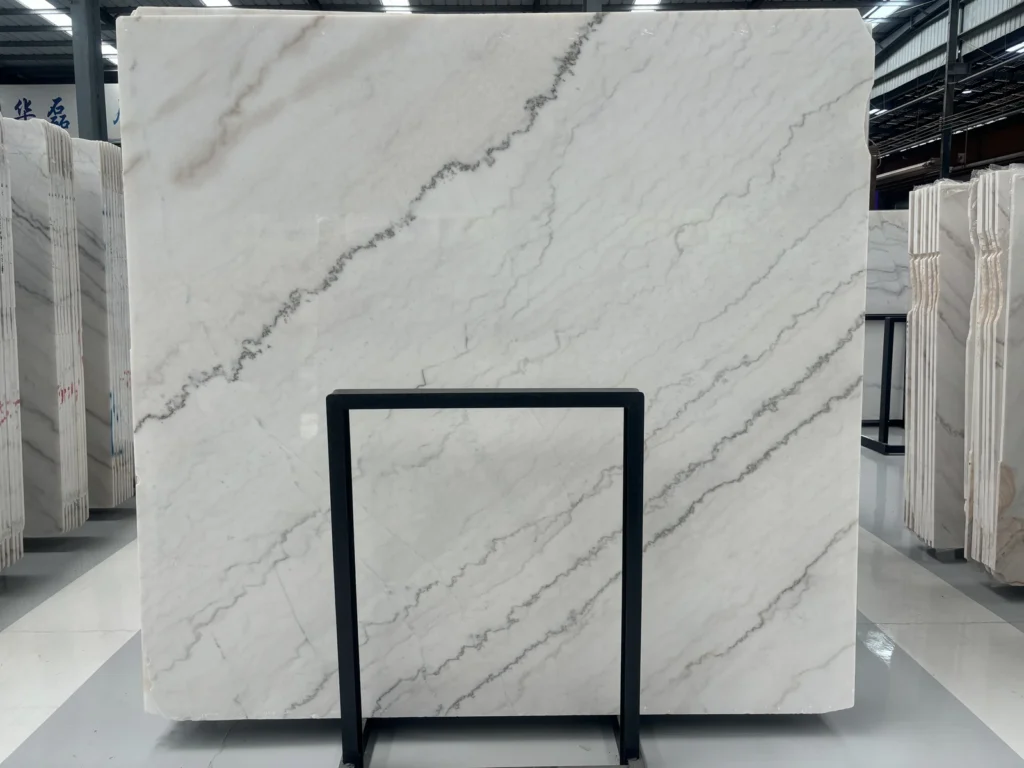
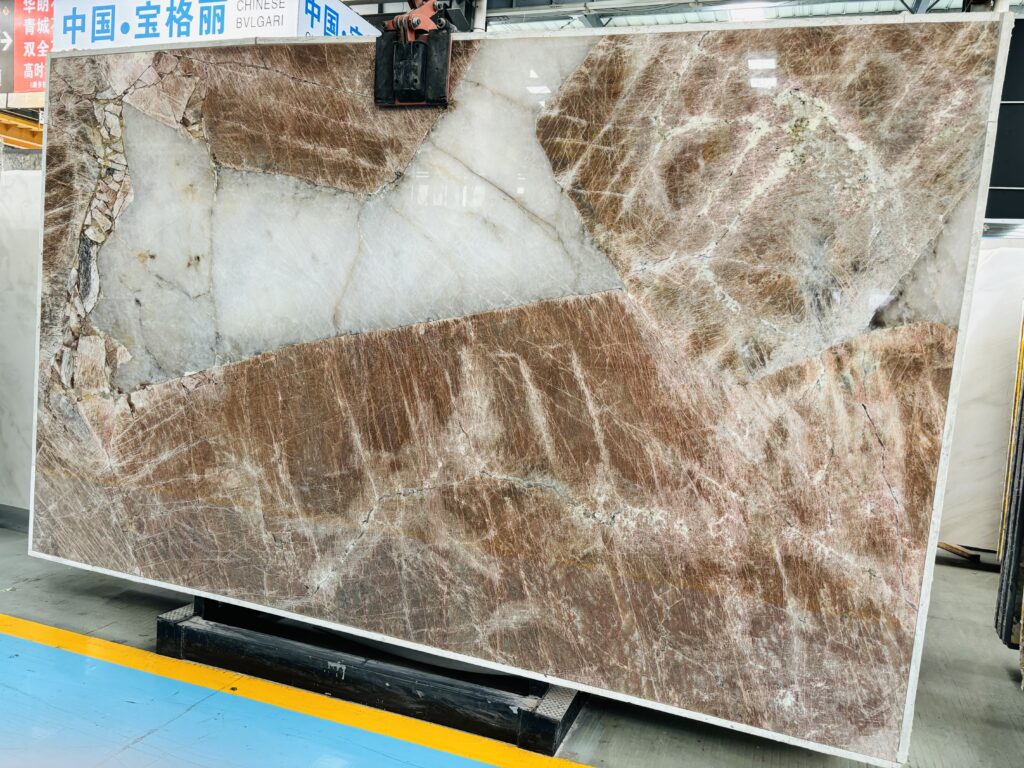
Color, vein movement, translucency, mineral areas, fissures, and repairs can vary from slab to slab. A small sample is useful but cannot define an entire bundle. Full-slab images, identifiers, range examples, and physical inspection create a more reliable visual approval.
Apply this point to the actual natural quartzite kitchen countertops, not to an idealized sample. Compare full-scale appearance, measurements, drawings, and practical handling constraints. Where uncertainty remains, use a representative test, mock-up, fabricator review, or third-party inspection appropriate to the consequence of failure. Avoid inventing numerical acceptance limits unless the contract names a method and tolerance.
At the approval stage, ask four practical questions: what exactly is being accepted, what evidence supports it, who owns the next action, and how will a deviation be handled? For answer common purchase questions without replacing slab-specific inspection, testing, fabrication review, or professional project advice, these questions create a repeatable trail from selection through installation. They also make it easier to compare proposals without assuming that similar names or photographs represent identical material and service.
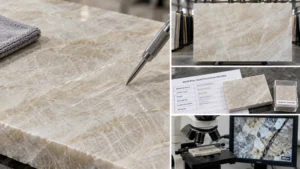
идентификация натурального кварцитового материала и выбор плиты
Performance Questions
Quartzite is often chosen for demanding surfaces, but a category label does not guarantee identical absorption, stain response, scratch resistance, or acid response across every stone. Ask for relevant information and arrange representative testing when performance criteria are project-critical.
The commercial documents should support the technical decision. Quotations, approvals, shop drawings, piece labels, packing records, and change notices need consistent terminology. If performance questions changes after approval, document the effect on price, yield, timing, appearance, and responsibility before work continues.
At the approval stage, ask four practical questions: what exactly is being accepted, what evidence supports it, who owns the next action, and how will a deviation be handled? For answer common purchase questions without replacing slab-specific inspection, testing, fabrication review, or professional project advice, these questions create a repeatable trail from selection through installation. They also make it easier to compare proposals without assuming that similar names or photographs represent identical material and service.
Thickness and Edge Questions
The right thickness depends on layout, support, local practice, edge design, cutouts, transport, and installation. Simple profiles can be practical, while decorative or built-up edges require extra coordination. Approve samples for visible profiles and joints.
Visual communication matters because natural stone is variable and cameras, screens, lighting, and wet surfaces can distort perception. Use identifiers and scale references, show both overall views and relevant details, and keep original files. Evidence should help the team understand range and placement rather than create an unrealistic promise of perfect uniformity.
At the approval stage, ask four practical questions: what exactly is being accepted, what evidence supports it, who owns the next action, and how will a deviation be handled? For answer common purchase questions without replacing slab-specific inspection, testing, fabrication review, or professional project advice, these questions create a repeatable trail from selection through installation. They also make it easier to compare proposals without assuming that similar names or photographs represent identical material and service.
Fabrication Questions
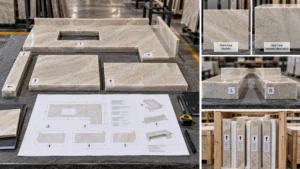
A qualified fabricator should inspect slabs, plan cuts, manage natural features, determine tooling, and review reinforcement and support. Quartzite can be demanding to cut and polish. Supplier claims should never replace the fabricator’s acceptance of the actual material and design.
Risk should be allocated to the party able to control it. The stone supplier can document the selected material; the fabricator controls cutting methods and shop execution; the installer controls site placement; designers coordinate intent; and the buyer confirms commercial acceptance. Clear interfaces reduce gaps where every party assumed someone else had checked fabrication questions.
At the approval stage, ask four practical questions: what exactly is being accepted, what evidence supports it, who owns the next action, and how will a deviation be handled? For answer common purchase questions without replacing slab-specific inspection, testing, fabrication review, or professional project advice, these questions create a repeatable trail from selection through installation. They also make it easier to compare proposals without assuming that similar names or photographs represent identical material and service.
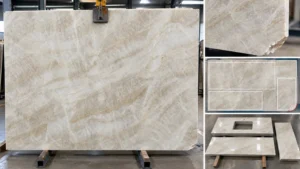
quartzite_countertop_fabrication_planning_process
Seams and Pattern Questions
Seams are influenced by slab size, access, strength, appliances, cabinet geometry, pattern flow, and installation capability. Their appearance changes with lighting and viewing angle. Agree on a seam map and realistic joint tolerance before production.
For international buyers, homeowners, designers, fabricators, and project teams, the useful question is not whether seams and pattern questions is generally recommended, but what evidence will make the choice defensible for this order. Record the assumption, the person responsible for confirming it, the approval format, and the stage after which a change becomes costly. This turns a broad preference into a controlled project decision.
At the approval stage, ask four practical questions: what exactly is being accepted, what evidence supports it, who owns the next action, and how will a deviation be handled? For answer common purchase questions without replacing slab-specific inspection, testing, fabrication review, or professional project advice, these questions create a repeatable trail from selection through installation. They also make it easier to compare proposals without assuming that similar names or photographs represent identical material and service.
Sink, Cooktop, and Faucet Questions
Cutouts reduce surrounding material and create narrow rails. Rounded internal corners, appropriate reinforcement, supported sinks, and careful hole placement can reduce avoidable risk. All appliance and fixture data should be final before cutting.
Apply this point to the actual natural quartzite kitchen countertops, not to an idealized sample. Compare full-scale appearance, measurements, drawings, and practical handling constraints. Where uncertainty remains, use a representative test, mock-up, fabricator review, or third-party inspection appropriate to the consequence of failure. Avoid inventing numerical acceptance limits unless the contract names a method and tolerance.
At the approval stage, ask four practical questions: what exactly is being accepted, what evidence supports it, who owns the next action, and how will a deviation be handled? For answer common purchase questions without replacing slab-specific inspection, testing, fabrication review, or professional project advice, these questions create a repeatable trail from selection through installation. They also make it easier to compare proposals without assuming that similar names or photographs represent identical material and service.
Cleaning and Sealing Questions
A sealer, where appropriate, can reduce absorption but does not make stone stain-proof, heat-proof, scratch-proof, or maintenance-free. Use products compatible with the specific stone and finish. Clean routine spills promptly with a suitable neutral cleaner and follow professional guidance.
The commercial documents should support the technical decision. Quotations, approvals, shop drawings, piece labels, packing records, and change notices need consistent terminology. If cleaning and sealing questions changes after approval, document the effect on price, yield, timing, appearance, and responsibility before work continues.
At the approval stage, ask four practical questions: what exactly is being accepted, what evidence supports it, who owns the next action, and how will a deviation be handled? For answer common purchase questions without replacing slab-specific inspection, testing, fabrication review, or professional project advice, these questions create a repeatable trail from selection through installation. They also make it easier to compare proposals without assuming that similar names or photographs represent identical material and service.
Heat, Impact, and Daily-Use Questions
Natural quartzite may tolerate normal kitchen use well, yet sudden thermal change, heavy impact, abrasive debris, and concentrated loads can damage stone, joints, or resin-treated areas. Trivets, boards, and sensible handling are inexpensive precautions.
Visual communication matters because natural stone is variable and cameras, screens, lighting, and wet surfaces can distort perception. Use identifiers and scale references, show both overall views and relevant details, and keep original files. Evidence should help the team understand range and placement rather than create an unrealistic promise of perfect uniformity.
At the approval stage, ask four practical questions: what exactly is being accepted, what evidence supports it, who owns the next action, and how will a deviation be handled? For answer common purchase questions without replacing slab-specific inspection, testing, fabrication review, or professional project advice, these questions create a repeatable trail from selection through installation. They also make it easier to compare proposals without assuming that similar names or photographs represent identical material and service.
Ordering and Quantity Questions
Order calculations should consider net area, fabrication layout, vein matching, defects or exclusions, breakage risk, and future replacement needs. A simple percentage allowance can be misleading for highly directional slabs; the actual cutting plan is a better basis.
Risk should be allocated to the party able to control it. The stone supplier can document the selected material; the fabricator controls cutting methods and shop execution; the installer controls site placement; designers coordinate intent; and the buyer confirms commercial acceptance. Clear interfaces reduce gaps where every party assumed someone else had checked ordering and quantity questions.
At the approval stage, ask four practical questions: what exactly is being accepted, what evidence supports it, who owns the next action, and how will a deviation be handled? For answer common purchase questions without replacing slab-specific inspection, testing, fabrication review, or professional project advice, these questions create a repeatable trail from selection through installation. They also make it easier to compare proposals without assuming that similar names or photographs represent identical material and service.
Shipping and Receiving Questions
Packaging must suit the slab format, route, and handling equipment. Labels and packing photos provide traceability. On arrival, inspect external condition before unloading and preserve evidence if anything appears displaced or damaged.
For international buyers, homeowners, designers, fabricators, and project teams, the useful question is not whether shipping and receiving questions is generally recommended, but what evidence will make the choice defensible for this order. Record the assumption, the person responsible for confirming it, the approval format, and the stage after which a change becomes costly. This turns a broad preference into a controlled project decision.
At the approval stage, ask four practical questions: what exactly is being accepted, what evidence supports it, who owns the next action, and how will a deviation be handled? For answer common purchase questions without replacing slab-specific inspection, testing, fabrication review, or professional project advice, these questions create a repeatable trail from selection through installation. They also make it easier to compare proposals without assuming that similar names or photographs represent identical material and service.
Warranty and Responsibility Questions
Responsibilities should be divided clearly among supplier, buyer, fabricator, installer, cabinet provider, and maintenance party. Written approvals, exclusions, inspection stages, and change control matter more than broad promises that cannot be measured.
Apply this point to the actual natural quartzite kitchen countertops, not to an idealized sample. Compare full-scale appearance, measurements, drawings, and practical handling constraints. Where uncertainty remains, use a representative test, mock-up, fabricator review, or third-party inspection appropriate to the consequence of failure. Avoid inventing numerical acceptance limits unless the contract names a method and tolerance.
At the approval stage, ask four practical questions: what exactly is being accepted, what evidence supports it, who owns the next action, and how will a deviation be handled? For answer common purchase questions without replacing slab-specific inspection, testing, fabrication review, or professional project advice, these questions create a repeatable trail from selection through installation. They also make it easier to compare proposals without assuming that similar names or photographs represent identical material and service.
Consistent documents, slab review, testing if critical
Do not infer geology from a trade name alone
Will it match the sample?
Approve a visual range and actual slabs
Samples do not show full movement
Is it suitable for this layout?
Fabricator and support review
Focus on cutouts, spans, seams, and access
How should it be maintained?
Stone- and finish-specific care plan
A sealer is not a universal guarantee
Recommended Approval Workflow
Define the application. Record drawings, dimensions, intended use, finish, visible faces, interfaces, and performance concerns.
Identify the material. Connect commercial name, supplier, lot, slab identifiers, thickness, finish, quantity, and current visual evidence.
Review the actual slabs. Check overall range and details relevant to yield, pattern, fabrication, and the agreed natural-stone character.
Coordinate fabrication. Have the qualified fabricator review layout, seams, cutouts, edges, supports, handling, access, and installation sequence.
Approve measurable items. State inspection method, tolerances where needed, records, change process, and who can release production.
Protect logistics and installation. Confirm labels, packing, route, receiving inspection, storage, site readiness, and handover care.
This workflow is deliberately evidence-based. It does not eliminate natural variation or every project risk, but it exposes assumptions early, when the team still has options. The most valuable approval is one that another person can understand later without reconstructing informal conversations.
Часто задаваемые вопросы
Является ли природный кварцит тем же самым, что и искусственный кварц?
Нет. Природный кварцит — это добытый камень, тогда как искусственный кварц — это изготовленный продукт, содержащий минеральные компоненты и связующие вещества. Их внешний вид, особенности обработки, устойчивость к нагреву, сопроводительные документы и рекомендации по уходу не следует считать взаимозаменяемыми.
Нужно ли герметизировать кварцит?
Some quartzites and finishes may benefit from an appropriate impregnating sealer, while needs vary. Test a representative area, follow the product and stone professional’s guidance, and remember that sealing reduces absorption rather than making a surface stain-proof.
Может ли кварцит быть поцарапан или сколот?
Да. Ни одна столешница не застрахована от повреждений. На степень риска влияют разнородность минералов, открытые края, удары, абразивные частицы, особенности обработки и условия эксплуатации. Используйте разделочные доски, защищайте углы и доверьте оценку повреждённых участков квалифицированному специалисту по камню.
How do I approve veining before fabrication?
Use traceable slab photographs or a digital layout showing templates on the actual slabs. Confirm orientation, seam transitions, focal areas, cutouts, and acceptable natural features, then save the approved layout with the shop drawings.
What is the most important pre-order step?
Create one written specification that links the exact material lot to finish, dimensions, visual range, fabrication intent, inspection, packing, documents, and acceptance responsibilities. This turns assumptions into decisions the whole team can verify.
Заключительное примечание
Every natural quartzite or marble project should be assessed using the actual stone, finish, drawings, and local fabrication and installation conditions. This article is general purchasing and specification guidance, not a substitute for geological, engineering, legal, customs, or site-specific professional advice.
For slab selection, project discussion, and export coordination, contact Josh at XIAMEN HRST STONE CO., LTD. Share the application, approximate sizes, finish, quantity, destination, and desired visual direction so the conversation can begin with a clear brief.
Hi, I am the author of this article. I have been working in the field of Natural Stone for more than 15 years. If you need customized Natural Stone services, please feel free to contact me.
Китайский производитель и поставщик мрамора, гранита, кварцита, агата - HRST STONE
Добро пожаловать в HRST STONE!
Здравствуйте, я хотел бы узнать подробнее о ваших продуктах. Не могли бы вы предоставить информацию о ценах, минимальном заказе, возможностях кастомизации и образцах?