“As nature begins to turn golden, so too does our appreciation for harmony, texture, and timeless materials.”
 On August 7, China enters Lìqiū (立秋), the 13th solar term in the traditional 24 Solar Terms system. Known as the “Start of Autumn,” this moment marks the end of intense summer heat and the beginning of seasonal transformation—symbolizing harvest, preparation, and golden ripening.
While the temperatures may remain high in many regions, Lìqiū is a turning point, one that carries rich symbolism and seasonal rituals. It’s also a time when colors, especially golden yellows, begin to dominate landscapes—and this resonates beautifully with natural stone materials from the HRST STONE collection.
🌾 The Meaning of Lìqiū (立秋)
“立 (Lì)” means “to begin,” and “秋 (Qiū)” refers to “autumn.” Together, Lìqiū signals the formal arrival of autumn in the traditional East Asian calendar, even though hot weather might still persist.
Historically, Lìqiū was closely tied to agricultural cycles. It was the time to observe crop health, start harvesting early-season produce, and prepare for cooler weather ahead. In ancient Chinese culture, this term also symbolized the balance between yin and yang, as daylight hours slowly begin to shorten.
🍁 Traditional Customs of Lìqiū
Customs that Nourish Body and Soul
Here are four classic Lìqiū customs that continue to shape cultural life in parts of China—each rooted in seasonality, health, and symbolism:
1. Bite the Autumn (啃秋)
Known as “Kěn Qiū,” this tradition involves eating seasonal fruits—especially watermelons or peaches—on Lìqiū day. It’s believed to help people transition from hot summer to cooler months and “bite off the heat”.
In today’s design language, it’s about clearing the slate—preparing for new textures, colors, and materials as seasons shift.
2. Sun-Drying the Harvest (晒秋)
In many rural areas, villagers begin to dry crops like corn, peppers, and grains under the sun. This custom creates vibrant golden-red scenes, often seen in regions like Wuyuan or Jiangxi, and is a celebration of abundance.
The rich hues of drying produce reflect the golden tones of natural stones like Pandora Granito ou Golden Spider Marble—earthy, warm, and full of character.
3. Gaining Autumn Weight (贴秋膘)
After losing weight during the hot summer, it is traditional to “stick autumn fat” by eating richer, nourishing foods like stewed meats. Known as Tiē Qiū Biāo, this ritual prepares the body for the coming cold.
This seasonal nourishment mirrors how materials like marble or quartzite are layered into homes—adding warmth, comfort, and lasting structure.
4. Drinking Autumn Tea (喝秋茶)
A lighter ritual involves drinking teas made from chrysanthemum, lotus leaves, or hawthorn, believed to detoxify the body and calm the spirit. It represents seasonal balance and introspection.
Like well-placed stone, autumn tea ceremonies slow us down and invite reflection—something thoughtful design always strives for.
🪨 Autumn’s Colors Reflected in Natural Stone
At HRST STONE, we believe materials should harmonize with nature’s rhythm. As Lìqiū inspires tones of gold and amber, our collection of yellow and golden stones becomes an extension of the seasonal mood. Below are four standout choices that echo the essence of autumn:
1. Fish Maw Gold Marble
With warm, golden beige tones and elegant veining that resembles flowing silk or fish scales, Fish Maw Gold Marble evokes the calm richness of early fall.
-
Tone: Golden cream
-
Textura: Soft, polished, luxurious
-
Use: Floors, countertops, statement walls
Symbolic of abundance and serenity, this marble enhances interior calm during seasonal transition.
3. Pandora Granito
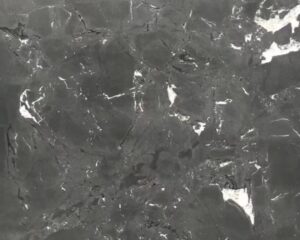
A unique granite with yellow, brown, and gray hues intertwined like a forest floor, Pandora Granito is both natural and artistic.
-
Tone: Autumnal blend of ochre, grey, and tan
-
Textura: Durable, natural grain
-
Use: Kitchen counters, outdoor surfaces, high-traffic areas
It brings a grounded, organic vibe—perfect for earth-toned autumn architecture.
2. Golden Spider Marble
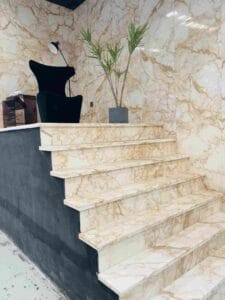
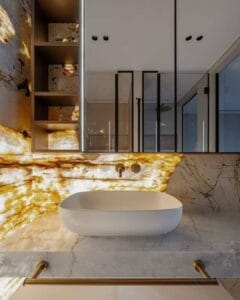
This bold marble is known for its rich golden background and dramatic dark veining, like spider webs stretched across a golden sky.
-
Tone: Deep gold with dark brown/black veins
-
Textura: Striking and contemporary
-
Use: Feature walls, hotel lobbies, luxury bathrooms
A perfect match for spaces that aim to combine elegance with movement, mimicking falling autumn leaves.
4. Roman Impression Quartzite
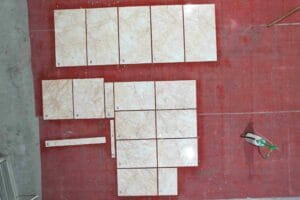
Subtle golds meet silvery undertones in this graceful quartzite, often resembling a Roman fresco or weathered parchment.
-
Tone: Golden ivory with marble-like patterns
-
Textura: Soft but durable, excellent underfoot
-
Use: Flooring, hallways, modern homes
A stone that quietly reflects change, history, and elegance—hallmarks of autumn.

🏡 Lìqiū and Stone in Seasonal Design
Just as Lìqiū marks a shift in nature’s energy, so too can design embrace seasonal transitions. By incorporating warm-toned stone materials, homeowners and architects create spaces that feel both grounded and harmonious.
Natural stone offers:
-
Thermal mass to stabilize temperatures
-
Visual warmth that complements autumn light
-
Textural depth ideal for cozy indoor settings
At HRST STONE, we recommend pairing golden stones with wood, bronze fixtures, and soft lighting to capture the quiet sophistication of fall.
🧭 Final Thoughts from HRST STONE
Lìqiū reminds us that change is not sudden—it’s a graceful transition. From ripening fields to golden leaves and finally into the cooler days, autumn speaks of preparation, richness, and reflection.
Let your designs follow that path. Choose materials like Fish Maw Gold Marble ou Pandora Granito to bring seasonal balance, natural beauty, and timeless appeal to your spaces.
📞 Contact Us to Begin Your Autumn Design Journey
At HRST STONE, we’re ready to help you design with intention and harmony—whether you’re inspired by nature, tradition, or both.
📩 Email: assistant@hrststone.com
📱 WhatsApp: +86 13685922793
🌐 Website: www.quartzite-stone.com