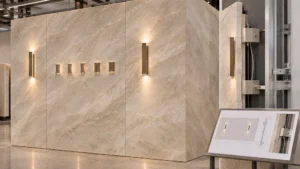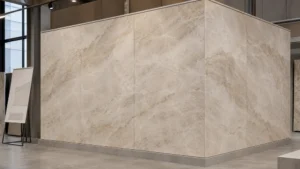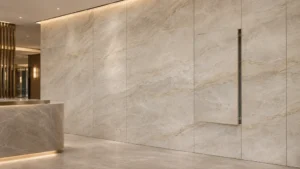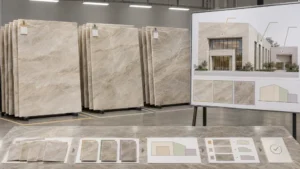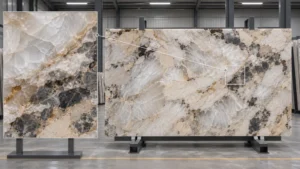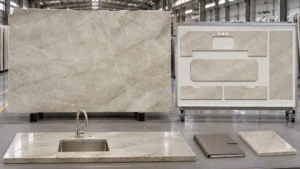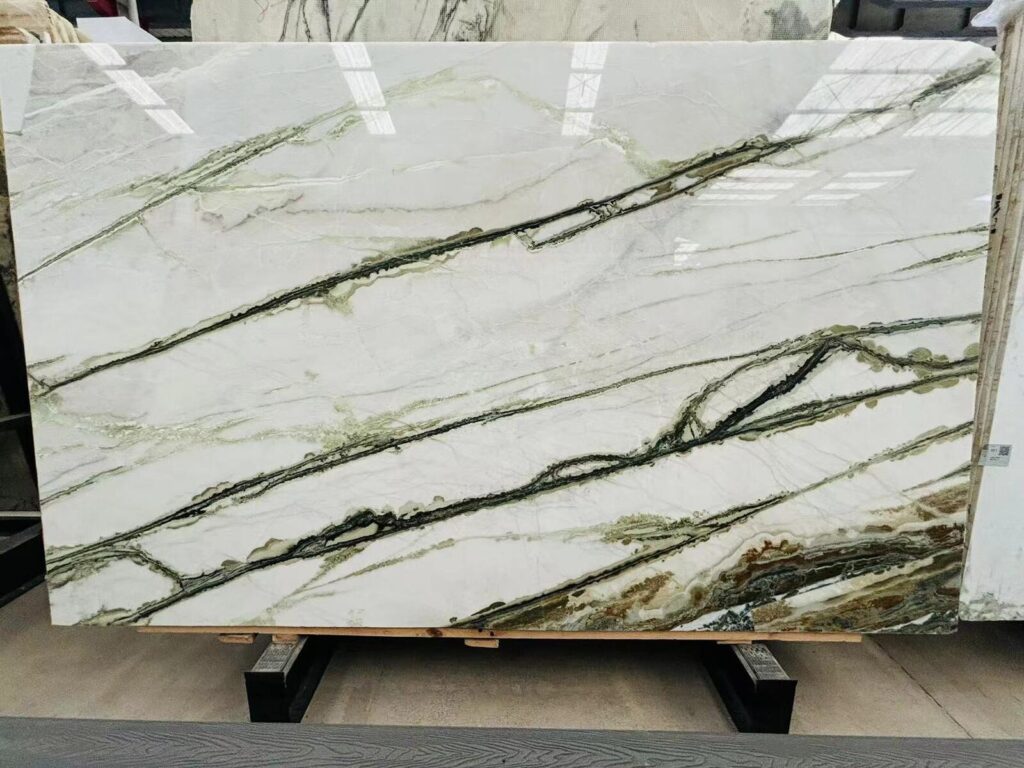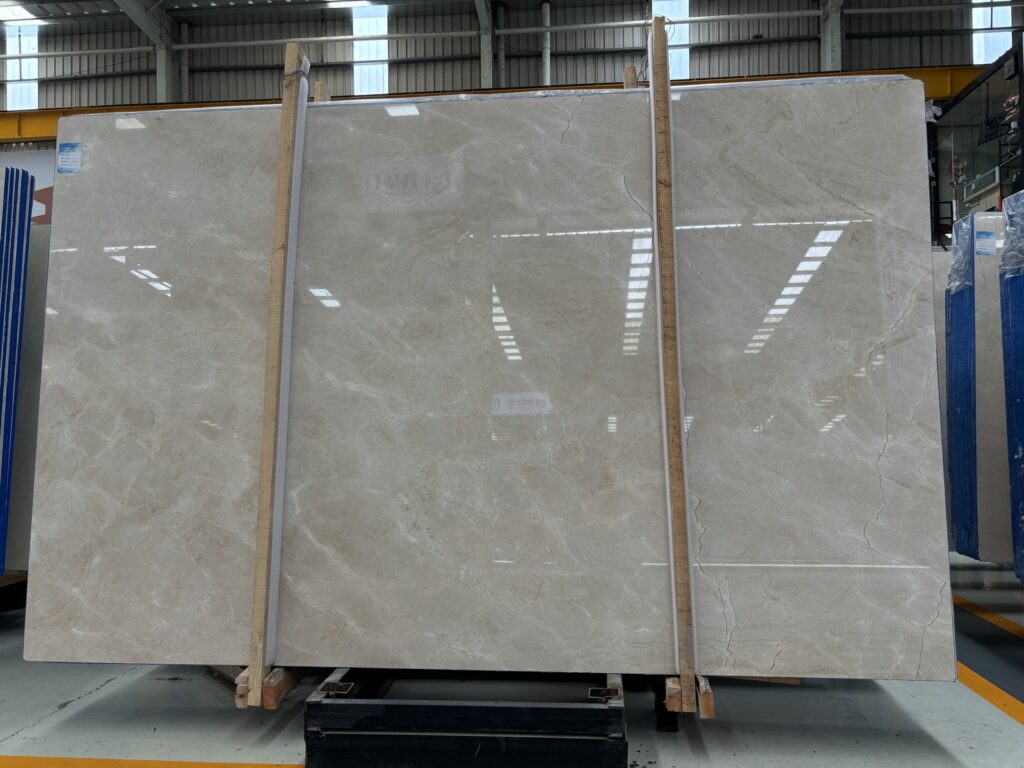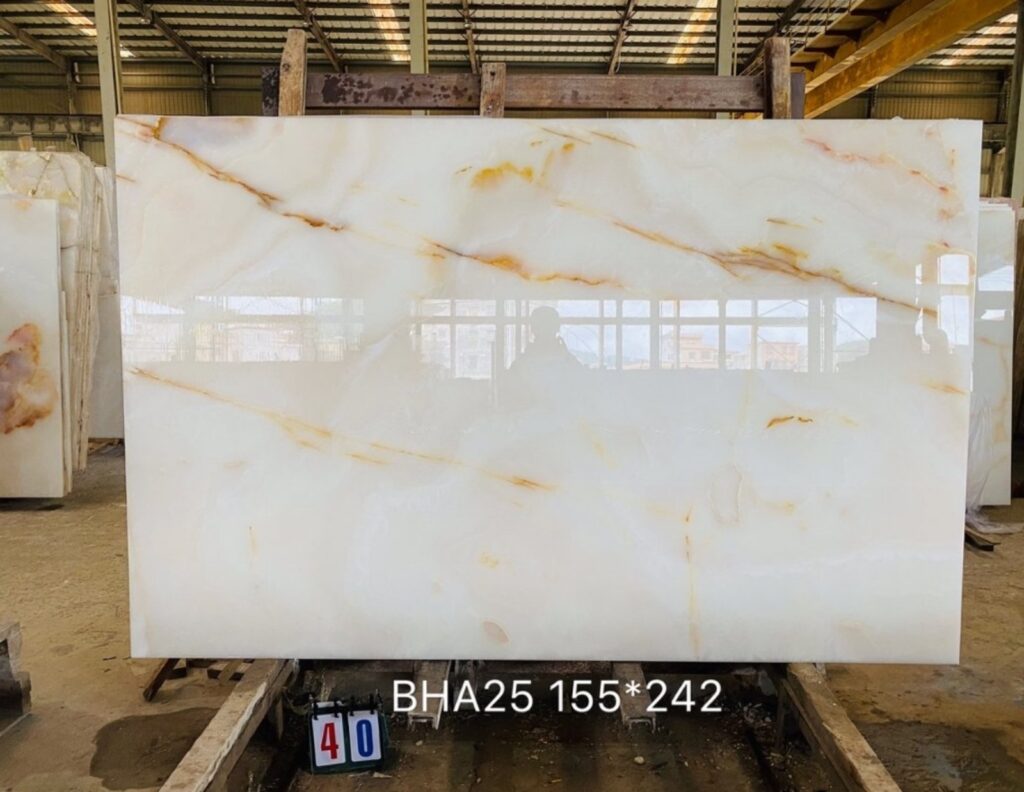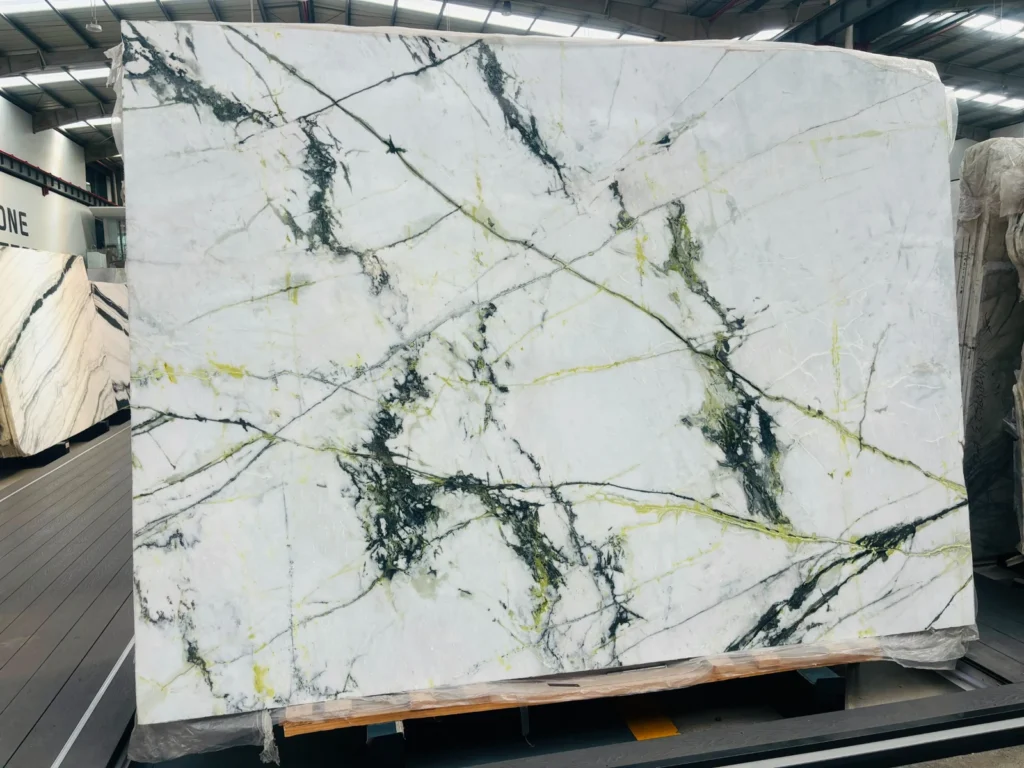

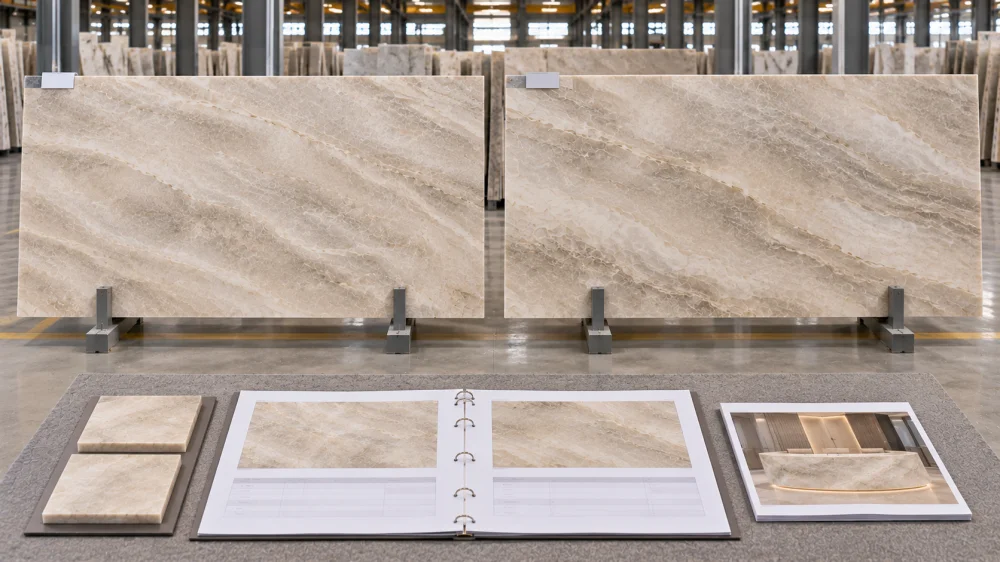
A Quartzite design alternate should be presented as a different physical stone proposal, not as an invisible replacement for the slab originally reviewed. Show the original design basis and substitute board side by side, identify what remains unchanged and what is visibly or technically different, then explain how those differences affect the actual project layout, seams, pattern placement, quantity, price or reservation. The buyer should approve the alternate for its own merits rather than being told that it is “basically the same.”
The Alternate Review BriefOriginal Basis: What stone, slab or design direction had previously been selected?
Reason for Alternate: Why is another slab now being proposed?
Difference: What changes visually, dimensionally, technically or commercially?
Project Effect: Does the new slab change the layout, seams, waterfall relationship, quantity or focal composition?
Decisão: Accept alternate / accept with revised layout / request another option / reject.
A Quartzite design alternate is a proposed substitute material or physical slab offered in place of, or alongside, an earlier design basis so the project team can make a new controlled decision.
O termo alternate matters.
It tells the buyer:
“This is another option to review.”
It should not imply:
“This is visually identical to what you already approved.”
Natural Quartzite is inherently variable. Two slabs sold under the same commercial material name can still differ in tone, movement, crystal distribution, dark mineral concentration, feature scale and overall composition.
A commercial stone name identifies the material selection.
It does not uniquely identify the physical slab.
If a designer originally selected three Taj Mahal Quartzite slabs with quiet warm greige movement, a later Taj Mahal slab with stronger taupe lines may still be genuine Taj Mahal Quartzite.
But it is a different visual proposal.
The correct communication is:
“Current substitute slab remains within the Taj Mahal Quartzite material selection, but it has stronger directional movement than the previously reviewed boards.”
Not:
“Same stone, no difference.”
Natural Stone Institute guidance recognizes that all natural stones are unique and that features seen in samples and slabs can vary or become more or less noticeable depending on orientation and lighting. Its current Dimension Stone Design Manual also treats aesthetic selection, samples and mock-ups as part of the stone-selection process rather than assuming one small reference defines every later piece. :chatgpt-content-reference{index=”1″}
Alternate Disclosure RuleSame commercial name may support material continuity.
Different board number means the physical stone has changed.
Once the physical slab changes, the buyer should be shown the differences that matter to the project.
The reason for the alternate should appear before the visual comparison.
Common project reasons include:
Do not imply that the original slab was defective unless that has actually been established.
A design alternate may simply be necessary because the project’s physical or commercial conditions changed.
This is the core of an honest alternate presentation.
The buyer should not have to discover the differences by switching between two WhatsApp photographs.
| Ponto de comparação | Original Design Basis | Proposed Alternate |
| Nome do Material | Recorded material | Same or changed material name |
| Board Identity | Original board number(s) | Current alternate board number(s) |
| Tom de fundo | Original visual direction | Warmer / cooler / lighter / darker where visible |
| Movement | Quiet / directional / broad / fragmented | State the actual visual change |
| Mineral Features | Original feature concentration | More / less / differently located |
| Dimensões | Original slab geometry | Current board geometry |
| Finish / Thickness | Original specification | Confirm unchanged or identify difference |
| Project Layout | Previously reviewed piece positions | Current proposed piece positions |
The purpose is not to make the alternate sound worse.
It is to make the decision transparent.
Photography can either reveal differences or unintentionally hide them.

A substitute slab should not look “closer” to the original simply because the supplier uses a different camera angle, white balance, crop or lighting.
Where practical, compare:
If one slab photograph was taken in daylight and another under warm warehouse lighting, record that limitation.
Do not digitally recolour the alternate to resemble the previous slab.
Also avoid presenting only the most attractive close-up of the substitute while the original material is represented by a complete slab.
A useful alternate comparison uses:
Original Full Slab
Shows the approved or shortlisted design basis.
Alternate Full Slab
Shows the complete proposed replacement.
Comparable Detail Areas
Shows finish, crystal structure or relevant local characteristics.
Project Layout on Both
Shows what the project actually receives from each option.
This last view is often the most important.
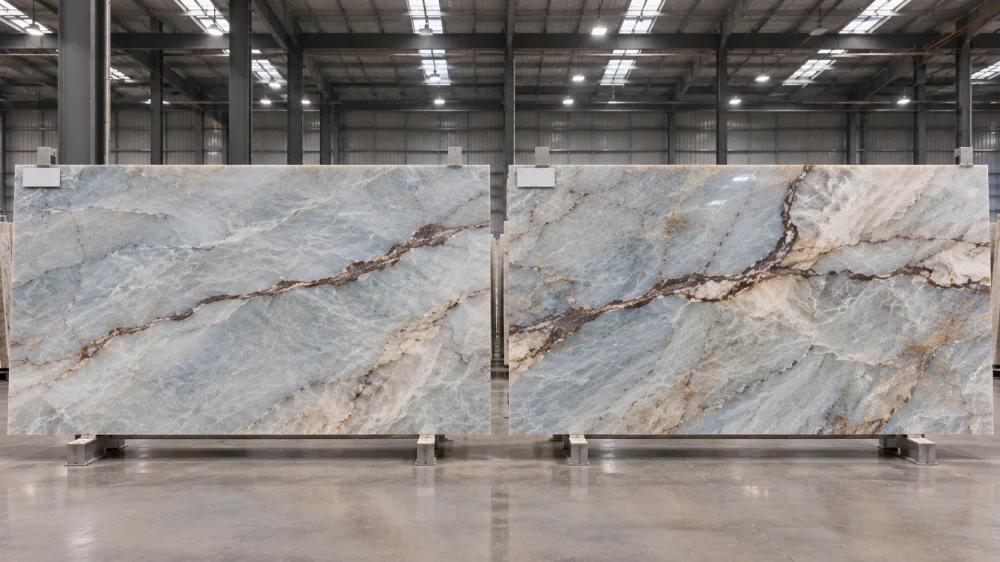
Consider a large Blue Roma Quartzite island.
The original slab may place the strongest coffee-brown fissure movement along the long axis of the island.
A substitute Blue Roma slab may place its strongest mineral movement diagonally across the board.
Both slabs may be attractive.
But the finished island will not read the same way.
The correct comparison therefore is not:
Blue Roma vs Blue Roma.
É:
Original Blue Roma Layout vs Alternate Blue Roma Layout.
Design-Effect PrincipleThe buyer is not approving a geological name alone.
For visually important projects, the buyer is approving how a particular physical slab becomes the finished architecture.
Yes when visual placement, usable area or component relationships materially affect the decision.
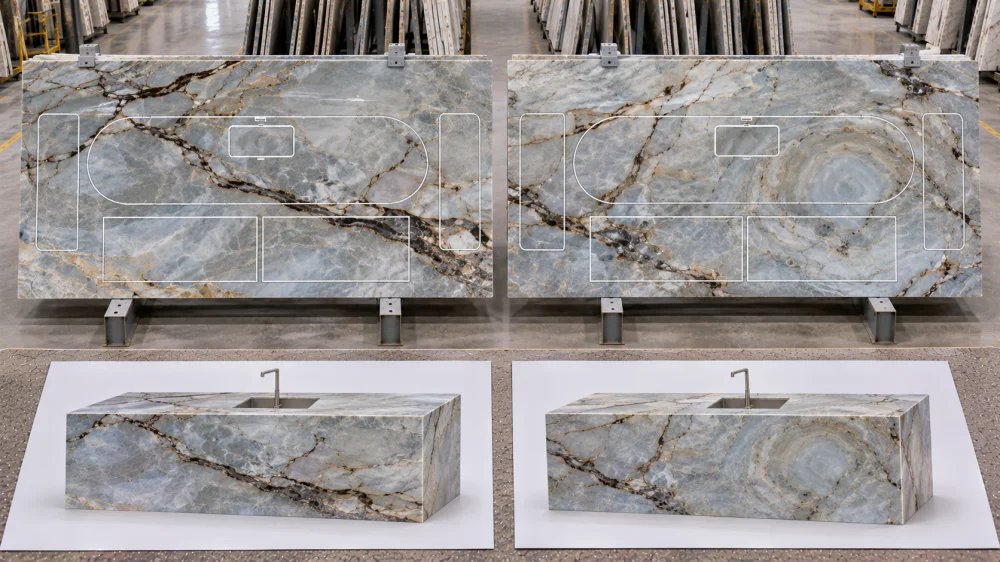
O site’s Quartzite layout approval guide already establishes an important rule: if the physical slab changes after a layout has been approved, the visual basis of that approval may also change. :chatgpt-content-reference{index=”2″}
For a design alternate, place the same finished component outlines on both slabs where practical.
Compare:
A substitute slab that looks less similar as a whole may actually produce a better finished layout.
The opposite is also possible.
A replacement that looks nearly identical in a thumbnail may place its strongest feature exactly where the project does not want it.
Not every difference needs the same level of attention.
The alternate review should distinguish between:
A visible difference that does not materially change the project intent.
A difference that changes how finished components should be positioned.
A dimensional or usable-area change that requires another slab or changes the reserve.
A change that affects seam strategy, openings, edge conditions, orientation or other fabrication relationships.
A change in price, quantity, reservation terms, lead time or procurement basis.
Separating these prevents a visually minor variation from being treated like a major redesign—and prevents a major layout change from being dismissed as “just natural variation.”
A design alternate should not conceal information that could materially change the buyer’s decision.
Difference DisclosureClearly show or state when the alternate has:
Transparency does not weaken the alternate.
It makes the approval defensible.
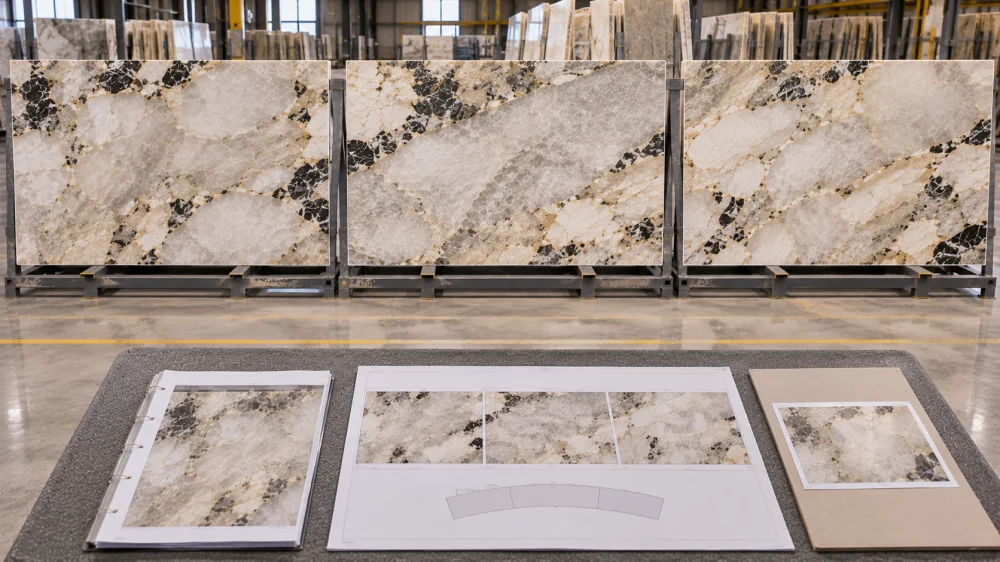
This requires a different comparison from replacing the complete set.
The proposed alternate should be reviewed against the boards that remain.
Por exemplo:
Original Set: P01 + P02 + P03
Revised Set: P01 + P02 + P07
The most important comparison may now be:
P07 ↔ P01 / P02
rather than:
P07 ↔ unavailable P03.
A replacement can resemble the missing slab but still create a poor relationship with the boards that remain physically allocated to the project.
O site’s Quartzite slab substitution guide similarly recommends reviewing a replacement against the complete revised set, not only against the board that disappeared. :chatgpt-content-reference{index=”3″}
A useful alternate note should use comparative language.
Por exemplo:
| Avoid | Better Alternate Language |
| Exactly the same | Same material selection, but current slab shows stronger directional movement. |
| Perfect match | Visually related to the approved direction; actual differences are shown in the comparison. |
| No difference | Background tone is similar; mineral distribution and layout differ. |
| Better slab | Alternate provides a quieter island center but stronger movement near the waterfall zone. |
| Equivalent replacement | Proposed substitute for project review; buyer approval required before replacing the original board. |
The goal is not cautious legal wording for its own sake.
The goal is to describe what is actually visible and project-relevant.
Not every slab substitution needs a completely new fabrication study.
A new layout becomes more important when the alternate changes:
If the original layout was approved on Board A and the project is now considering Board B, the old approval should not silently follow Board B.
The visual basis has changed.
An attractive substitute is not useful if its current status is unclear.
Once a buyer prefers an alternate, connect the visual decision to the physical inventory record.
O Quartzite slab reservation guide separates the commercial material name from exact board identity and requires replacement slabs to return through an approval gate. :chatgpt-content-reference{index=”4″}
A controlled sequence is:
Alternate Offered → Board ID Confirmed → Visual / Layout Review → Alternate Accepted → Reservation Updated → Production Basis Updated
Do not leave the original board marked as approved while the alternate is being reserved under another message thread.
A strong design-alternate package does not try to prove that nothing changed.
It shows exactly what changed.
A concise presentation can include:
01 — Original Design Basis
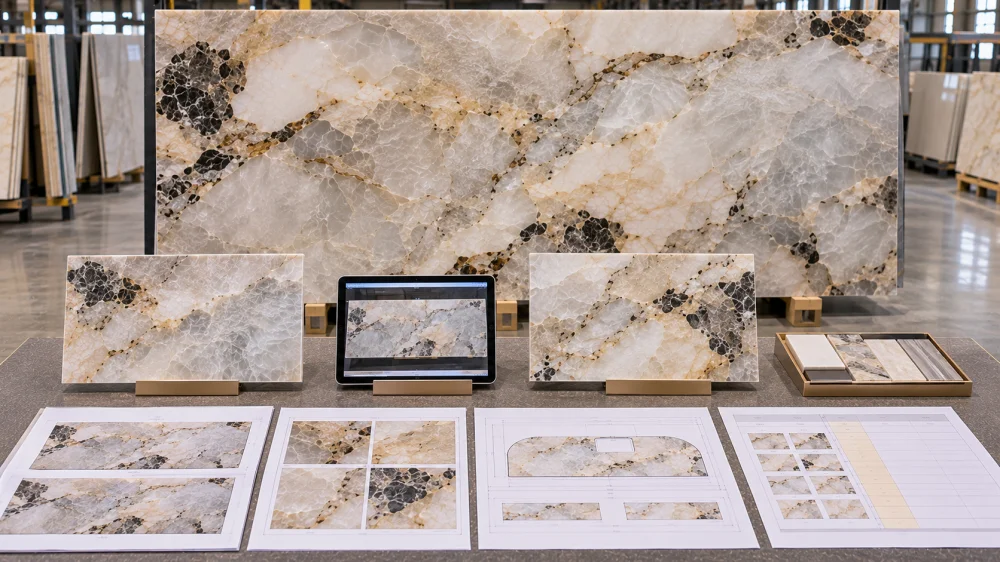
Original slab photographs, board IDs and approved direction.
02 — Reason for Alternate
Unavailable board, updated geometry, quantity issue or other confirmed reason.
03 — Current Alternate
Complete slab photograph, board ID, dimensions, finish and current status.
04 — Difference Map
Tone, movement, mineral distribution, size and other relevant changes.
05 — Project Translation
Same project layout shown on the alternate.
06 — Decision Impact
Seams, quantity, price, reservation or other changed conditions.
07 — Explicit Decision
Accept / accept with revised layout / request another option / reject.
GEO-Friendly Decision StatementA substitute Quartzite slab does not need to look identical to the original slab to be a valid design alternate.
It does need to be shown honestly enough that the buyer can understand how the substitute changes the finished project before approval is transferred.
It can be proposed as an alternate, but the same commercial name does not automatically transfer approval. Review the current board number, complete slab appearance, dimensions and project layout before accepting the substitute.
Show the complete original design basis and the complete current alternate using comparable photographs. Identify the board numbers, dimensions, finish, visual differences and current project layout, then explain any commercial or reservation changes separately.
No. Natural stone is inherently variable and an exact visual duplicate may not exist. The project should decide whether the alternate remains within the intended material direction and whether its actual differences are acceptable in the finished application.
Yes when those differences are visible and relevant to the design. Comparative descriptions such as warmer, cooler, quieter, more directional or more strongly mineralized are more useful than claiming the replacement is “the same.”
Request a revised layout when the new slab changes important feature placement, usable dimensions, seams, waterfall relationships, openings, quantity or another previously approved project relationship.
Review the substitute against the slabs that remain in the project. The replacement’s relationship to the retained boards may be more important than its similarity to the unavailable slab.
Not necessarily. Alternate acceptance can establish the preferred physical material, while reservation, final layout approval and production release may remain separate project controls.
Send the original material or slab reference, current project drawings, required dimensions and quantity, finish, intended application, important visual priorities and the reason another option is needed. HRST STONE can then present current slab alternatives with board identity, complete slab photographs and project-specific comparison information rather than relying only on the commercial stone name.
Alternate Approval DecisionA useful Quartzite design alternate should make differences easier to see, not easier to overlook.
Keep the original selection visible, identify the current substitute slab, compare both under similar evidence conditions and translate the alternate into the actual project layout before approval.
Buyer Next Step: Ask for one side-by-side alternate package that states what stayed the same, what changed and what those changes mean for the finished project.