Resumo Rápido
O Grande Frio (Dàhán, 大寒), que chega no final de janeiro, é o último e mais severo teste dentro dos 24 Termos Solares—onde o frio extremo
ar seco e ventos invernosos implacáveis expõem os verdadeiros limites dos materiais de construção.
Sob a pressão combinada da abrasão do vento e da contração térmica, a pedra natural se destaca. Sua baixa expansão térmica,
alta densidade e inércia física permitem que granito, quartzito e pedras semelhantes permaneçam dimensionalmente estáveis enquanto materiais mais leves
ou sintéticos se esgotam e deformam.
Esteticamente, a pedra encarna a filosofia “Suihan” (岁寒)—encontrando riqueza na austeridade do inverno. Sua textura, massa e
luminosidade natural proporcionam ancoragem visual e psicológica durante a estação mais sombria.
Estrategicamente, o Grande Frio é uma janela crítica para a seleção de pedra e o “armazenamento no inverno”, garantindo que os materiais sejam testados
contra as condições naturais mais rigorosas antes do início da construção na primavera.
Na grande circularidade dos 24 Termos Solares, Grande Frio, ou Dàhán (大寒), figura como o último guardião. Chegando por volta do dia 20 de janeiro, marca a transição dramática do congelamento mais intenso do ano para a faísca incipiente da primavera. Na sabedoria tradicional chinesa, este é um momento de dualidade extrema: o “Yang oculto” está em seu ponto mais vulnerável, enquanto o “Yin invasor” atinge seu pico agressivo.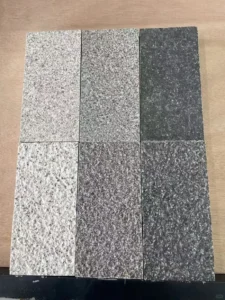
Se uma estrutura pode emergir do gelo de Grande Frio sem comprometer sua integridade, isso é um testemunho da qualidade de seus fundamentos. Neste ciclo de finais e começos, pedra natural é mais do que um material soberano; é a rocha imutável sobre a qual construímos com confiança o futuro, bem no limiar do novo ano.
A Física da Permanência: Pedra vs. A Fronteira Final do Vento
O desafio definidor de Grande Frio não é apenas a queda brusca de temperatura, mas o vento implacável e cortante. Textos antigos descrevem esse período como o “Grande Vento”, onde o gelo impulsionado pelo vento age como um abrasivo mecânico contra o ambiente construído.
Painéis sintéticos e revestimentos de madeira frequentemente enfrentam dificuldades com o coeficiente de expansão térmica durante essas mudanças erráticas. À medida que as temperaturas caem drasticamente à noite e sobem sob o sol invernal, os materiais sofrem contrações e expansões frenéticas, levando a deformações e fadiga. Pedra natural, porém, possui uma inércia física quase absoluta. Se Grande Frio é a “Fronteira Final” do desempenho das construções, então a baixa expansão térmica da pedra é o sentinela silencioso e firme que guarda essa fronteira. Uma fachada de granito ou uma escada de quartzito permanecem dimensionalmente estáveis, provando que a verdadeira integridade arquitetônica encontra-se em materiais que se recusam a se mover.
A Estética “Suihan”: A Pedra Natural como Âncora do Inverno
Há uma beleza profunda na estética “Suihan” (岁寒)—a elegância encontrada na desolação. Essa estética atingiu seu ápice nas paisagens florestais frias das pinturas da Dinastia Song, onde, após remover as folhas efêmeras, a estrutura robusta das montanhas tornou-se a única âncora espiritual.
Em um espaço moderno de luxo, pedra natural herda essa sabedoria oriental da “riqueza na simplicidade”. Durante os dias mais cinzentos de Grande Frio, a pedra serve como âncora visual e psicológica:
-
Textura Acima da Cor: Quando o mundo é monocromático, a riqueza tátil de pedra envelhecida ou flamejada proporciona uma profundidade sensorial que superfícies sintéticas não possuem.
-
O Quarto Amigo Silencioso: Ao lado dos “Três Amigos do Inverno” (Pinheiro, Bambu e Ameixeira), a pedra atua como o quarto companheiro silencioso, fornecendo um pano de fundo permanente que captura e amplifica a rara e fraca luz invernal, combatendo a escuridão sazonal com sua luminosidade natural.
A Medicina Tradicional Chinesa da Casa: Um “Tônico de Inverno” Material”
Assim como Medicina Tradicional Chinesa (MTC) prescreve tônicos aquecedores como gengibre e carne de carneiro para “nutrir o Yang oculto” durante Grande Frio, escolher os materiais certos é uma forma de “Tônico de Inverno” para a casa.
Incorporar um lareira de pedra personalizada ou uma parede central de núcleo de pedra é o equivalente arquitetônico a um reforço energético interno. Porque a pedra é uma superior massa térmica, ela absorve calor e o libera com uma frequência suave e constante. Esse calor radiante é a manifestação física de “armazenar Yang”. Ao contrário do ar abrasivo e seco do aquecimento mecânico, uma lareira de pedra oferece um calor suave e “nutritivo” que sustenta o conforto dos habitantes nas noites mais rigorosas do ano.
Seleção Estratégica: O Ritual da Janela do Grande Frio 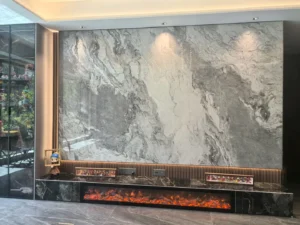
No comércio de pedra, o Grande Frio período é muito mais do que uma pausa na construção; é uma janela estratégica de alto risco. Este é o momento para seleção deliberada e “Armazenamento no Inverno” de materiais.
Isso não é apenas uma compra; é um ritual estratégico de previsão. Na quietude do inverno profundo, completar sua seleção de pedra significa que, quando soar a primeira trombeta da primavera, seu projeto já terá o “balanço militar” mais confiável (Bīngfú)—materiais que foram testados contra os mais altos padrões do frio. Ao garantir seu estoque agora, você obtém uma dupla vantagem de tempo e qualidade garantida, assegurando que seu projeto comece sua vida sobre uma base que já resistiu ao pior que a natureza pode oferecer.
FAQ: Mantendo a Excelência da Pedra no Inverno Mais Profundo
1. O Grande Frio pode causar rachaduras na pedra natural? Apenas em materiais inferiores ou instalados incorretamente. Alta densidade pedra natural com taxa de absorção de água inferior a 0,5% é praticamente imune ao gelo. Garantir uma vedação adequada antes do Grande Frio limiar é a melhor maneira de manter essa imunidade.
2. É seguro usar sais descongelantes em escadas de pedra? Aconselhamos evitar sais químicos agressivos, que podem causar corrosão em pedras porosas. Para Grande Frio manutenção, recomendamos areia para aderência ou o uso de acabamentos flamejados antiderrapantes que proporcionam aderência natural sem intervenção química.
3. Por que a pedra é considerada mais “ecofriendly” durante o congelamento? Sua inércia térmica significa que uma casa de pedra requer ciclos de aquecimento menos frequentes. Ela retém seu “carregamento” de calor por mais tempo do que qualquer outro material de construção comum, reduzindo significativamente a pegada de carbono durante o mês de janeiro, período de pico na demanda energética.
4. Como o “Grande Vento” do Grande Frio afeta o revestimento de pedra? A massa da pedra a torna naturalmente resistente às vibrações provocadas pelo vento. Enquanto materiais mais leves podem tremer ou “cantar” em um vendaval, a pedra proporciona um ambiente silencioso e livre de vibrações, o que é um componente-chave do conforto psicológico em residências de luxo.
5. Em comparação com o Frio Menor, o que devo priorizar ao selecionar pedra para o Frio Maior? Enquanto o Frio Menor testa ciclos de “congelamento e descongelamento”, Grande Frio exige estabilidade contra erosão eólica e conforto sensorial em climas secos e frios. Foque na densidade estrutural para resistir à areia levada pelo vento e considere acabamentos foscos ou lapidados que transmitam sensação de solidez e firmeza sob o sol de inverno.
Conclusão: Uma Filosofia de Confiança Absoluta
Grande Frio é o ponto final da frase do ano, mas também é o dois-pontos que introduz a primavera. Não é um fim, mas um teste solene de pressão projetado para filtrar o efêmero e deixar apenas o eterno.
Pedra natural, com sua memória que se estende por eras geológicas, enfrenta essa interrogação sazonal com absoluta serenidade. Ela nos ensina não como lutar contra o frio, mas como possuir a estabilidade interior para transformar cada provação numa prova de valor. Quando você escolhe pedra, não está apenas escolhendo um material de construção; está adotando uma filosofia de resistência e uma confiança absoluta no futuro.
Referências e ligações externas