
Introduction: The Arrival of Winter’s Herald
As early November unfolds, a crisp chill in the air signals the arrival of Beginning of Winter (“Lidong” in Chinese), the 19th of China’s 24 solar terms and the official start of the cold season. This isn’t merely a weather shift—it’s a cultural cornerstone guiding Chinese life for millennia. Imagine waking to frost-kissed grass, a neighbor’s knowing remark about “hearty food,” and the sudden need for your winter coat: these moments capture how intuitively people embrace this solar term.
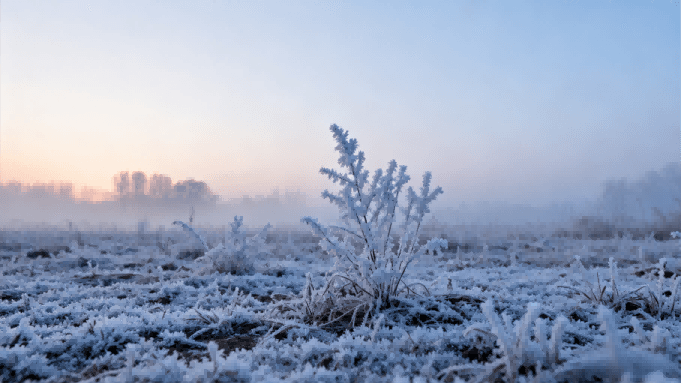
Rooted in a lunisolar calendar, the 24 solar terms bridge astronomy and daily life. The Beginning of Winter stands out as a reminder to harmonize with nature, cherish family, and prioritize self-care—wisdom as relevant today as it was centuries ago.
What is the Beginning of Winter?
Astronomical and Temporal Basics
Astronomically, Beginning of Winter occurs when the sun reaches 225° longitude on its ecliptic path. This celestial shift reduces solar radiation to the Northern Hemisphere, shortening days and lengthening nights—the core reason it marks winter’s start. The character “Li” (begin) and “Dong” (winter) reflect this transition, as nature enters a period of dormancy and storage.
It typically falls between November 7–8, though the Chinese lunisolar calendar’s “19-year-7-leap-month” rule can shift it by a day. Regardless of minor variations, it remains a universally anticipated signal of winter’s arrival.
Cultural Significance and Traditional Customs
Spiritual Roots and Ancient Rituals
For centuries, it was one of China’s “Four Seasons and Eight Festivals,” a time for sacrifices and celebration. During the Zhou Dynasty, emperors led grand “winter-welcoming ceremonies” at the northern suburbs, praying for a peaceful season and bountiful harvest—reflecting deep reverence for human-nature harmony.
Spiritually, it symbolizes energy preservation 그리고 introspection. As nature slows, people are encouraged to recharge physically and mentally, reflecting on the past year and preparing for winter’s challenges.
Regional Customs: Food as Tradition
Northern China: The Dumpling Ritual
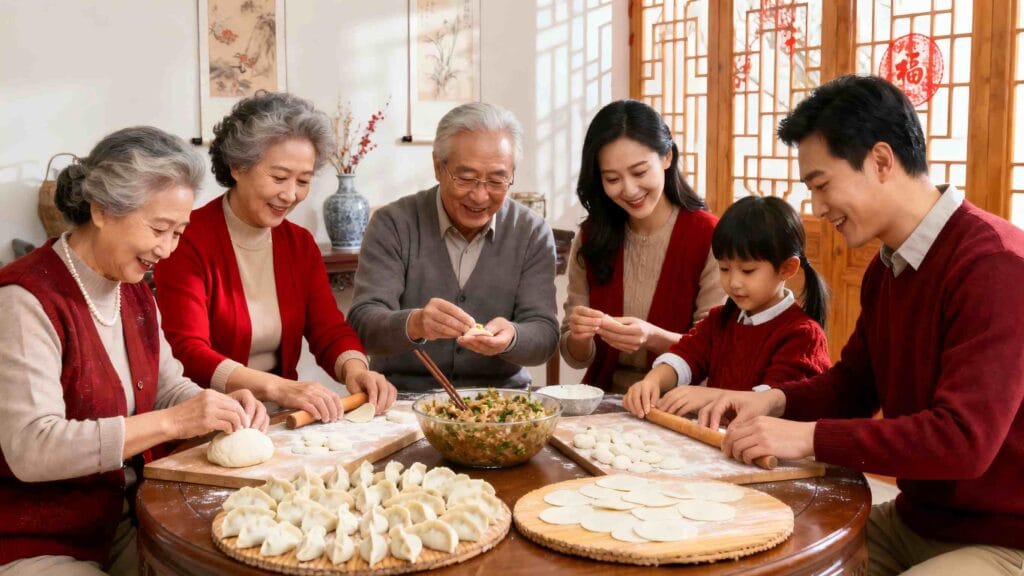
In Beijing and Tianjin, dumplings are non-negotiable. The tradition stems from a belief that their ear-like shape protects against frostbite. More symbolically, “jiaozi” (dumpling) echoes “transition,” marking autumn’s end and winter’s start. Making dumplings is a family affair—grandparents teaching grandchildren, members collaborating on dough and fillings—strengthening bonds and passing down culture.
Southern China: Tonic Soups and Warming Dishes
Guangdong’s focus is warming herbal soups, slow-cooked with ginseng, astragalus, and meat to boost immunity. In Fujian and Taiwan, ginger duck (duck stewed with pungent ginger) dispels cold, while Chaoshan families enjoy chestnut-fried rice—celebrating seasonal harvests. In Shaoxing, cold weather ideal for fermentation makes it the perfect day to brew yellow rice wine, stored for festivals or winter warmth.
Practical Tips: Adapting to Winter’s Arrival
Lifestyle Adjustments
Traditional wisdom advises “early to bed, late to rise”—aligning sleep with shorter days to maximize rest. Light exercise like brisk walking 또는 Tai Chi promotes circulation without overexertion; a 30-minute walk on sunny days lifts mood and warms the body.
Dietary Recommendations
Warming foods are key. Lamb, rich in protein, is a winter staple—served as hot pot or stew. Ginger (in tea or cooking) stimulates blood flow, while jujubes (Chinese dates) nourish blood and boost vitality. Black sesame (in paste or porridge) and root vegetables (radishes, yams) provide energy and nutrients. Balance is crucial—avoid raw, cold foods that weaken yang energy, and include fruits like oranges for vitamins.
Skin Care for Dry Winter Air
Cold air dries skin—use moisturizers with hyaluronic acid or glycerin, and drink 8+ glasses of water daily. Foods rich in vitamins A (carrots) and C (oranges) support skin health from within.
Scientific Insights and Modern Trends
The solar term aligns with scientific reality. China Meteorological Administration (CMA) data confirms a sharp temperature drop post-Lidong—northern regions see first frosts, while southern temperatures gradually decline.
Studies show metabolism rises 10–15% in cold weather, justifying the cultural focus on warming foods. These provide the calories needed to maintain body temperature, as seen in lamb’s ability to generate heat.
Modern trends reflect its enduring relevance: packaged “Beginning of Winter” soup kits fly off shelves, wellness resorts offer herbal baths, and cultural digital content surges 40% (2024 analytics). Brands leverage its theme—food companies promoting warm tonics, fashion brands launching winter collections—blending tradition and commerce.
Beginning of Winter vs. Winter Solstice: Key Differences
While both are vital, they differ sharply. The Beginning of Winter (Nov 7–8) starts winter; the Winter Solstice (Dec 21–23) is the shortest day, marking peak cold and the “Nine-Nine Cold Days.” Culturally, the Solstice is a “winter festival” with tangyuan (glutinous rice balls) for reunion, while Lidong focuses on transition and preparation.
FAQ: Common Questions Answered
-
What is the Beginning of Winter in Chinese solar terms? It is the 19th of China’s 24 solar terms, marking the official start of the winter season.
-
When does the Beginning of Winter usually occur each year? It typically falls between November 7 and 8, with minor shifts depending on the Chinese lunisolar calendar.
-
Does the Beginning of Winter mean temperatures will drop immediately? It usually signals the start of a cooling trend, but temperatures may not drop sharply right away, especially in southern regions where the climate remains mild briefly.
-
What foods are recommended to eat during the Beginning of Winter? Warming foods like lamb, ginger, jujubes (Chinese dates), dumplings, and nourishing tonic soups are highly recommended.
-
Can people living outside China follow the Beginning of Winter customs? Absolutely. The dietary and self-care practices associated with this solar term are adaptable to any cold climate and can be easily followed worldwide.
Conclusion: Embracing Winter’s Wisdom
The Beginning of Winter is more than a date—it’s a guide to living in harmony with seasons. Its customs, from dumplings to soups, foster connection; its wellness advice aligns with scientific needs; its spiritual focus encourages balance. In modern life, it bridges past and present, reminding us to slow down, cherish family, and prepare for winter with warmth.
As the frost settles, embrace its wisdom: savor a warm bowl of soup, take a sunny walk, or gather with loved ones. Let this solar term be your gateway to a healthy, fulfilling winter.
If you want to learn more about the customs of Chinese solar terms, feel free to click the link: https://www.quartzite-stone.com/blog/
References
-
China Meteorological Administration. (n.d.). Retrieved from https://www.cma.gov.cn
-
Li, X. (2023). 24 Solar Terms: Cultural Heritage and Modern Relevance. Chinese Cultural Studies Journal, 45(2), 78–92.
-
National Intangible Cultural Heritage Protection Center. (2022). Beginning of Winter: Rituals and Customs. Beijing: Cultural Relics Press.
Meta Description: Explore the Beginning of Winter, China’s 19th solar term. Learn about its astronomical roots, northern dumpling traditions, southern tonic soups, winter wellness tips, and scientific insights—your guide to embracing winter warmly.