
簡単なまとめ
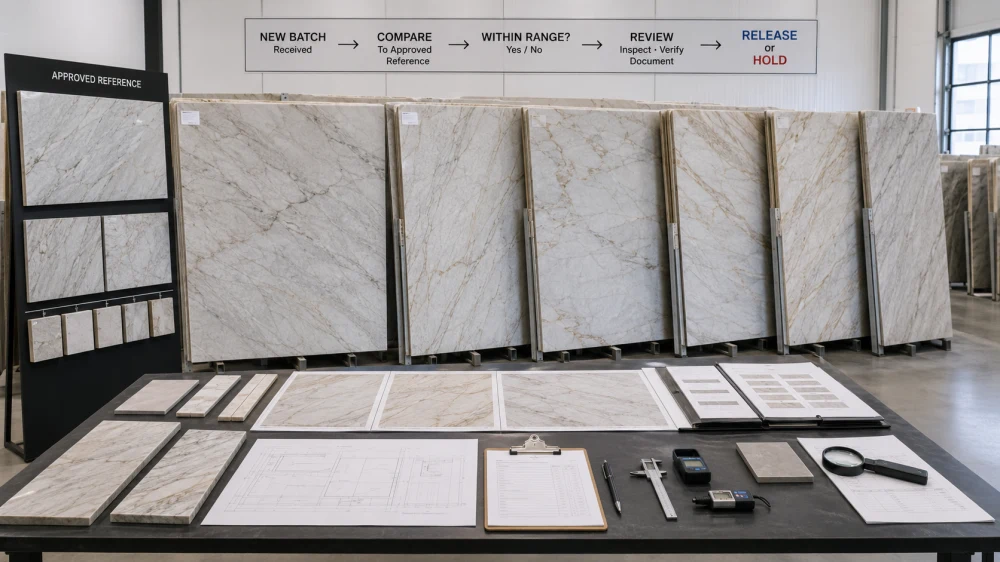
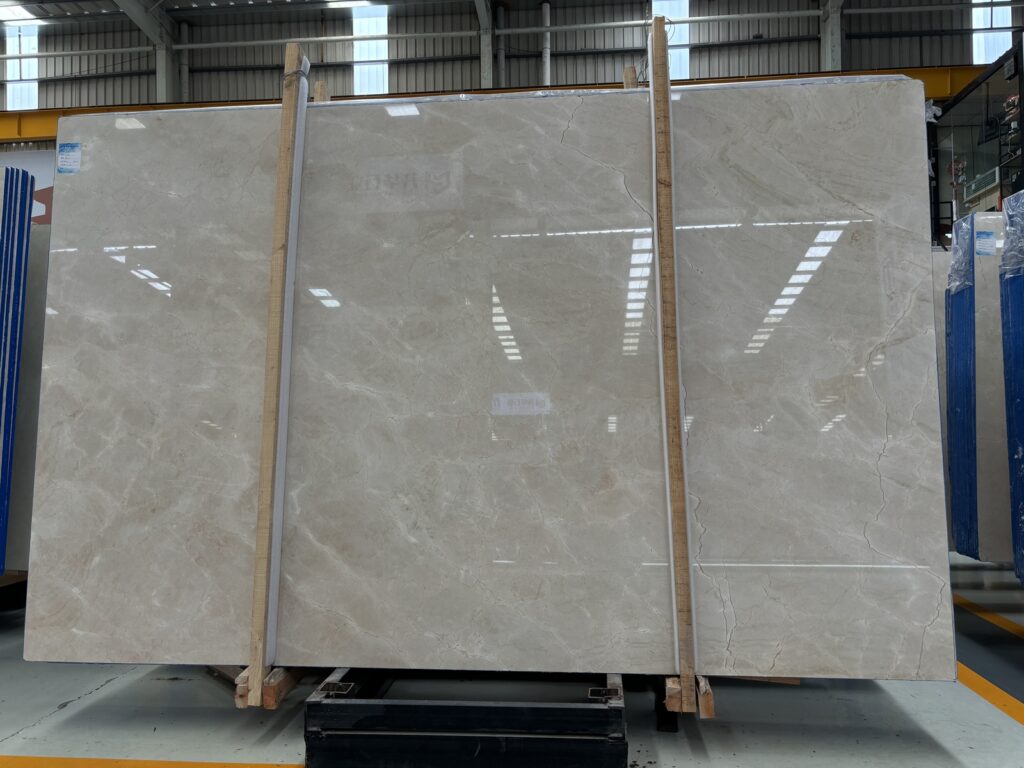
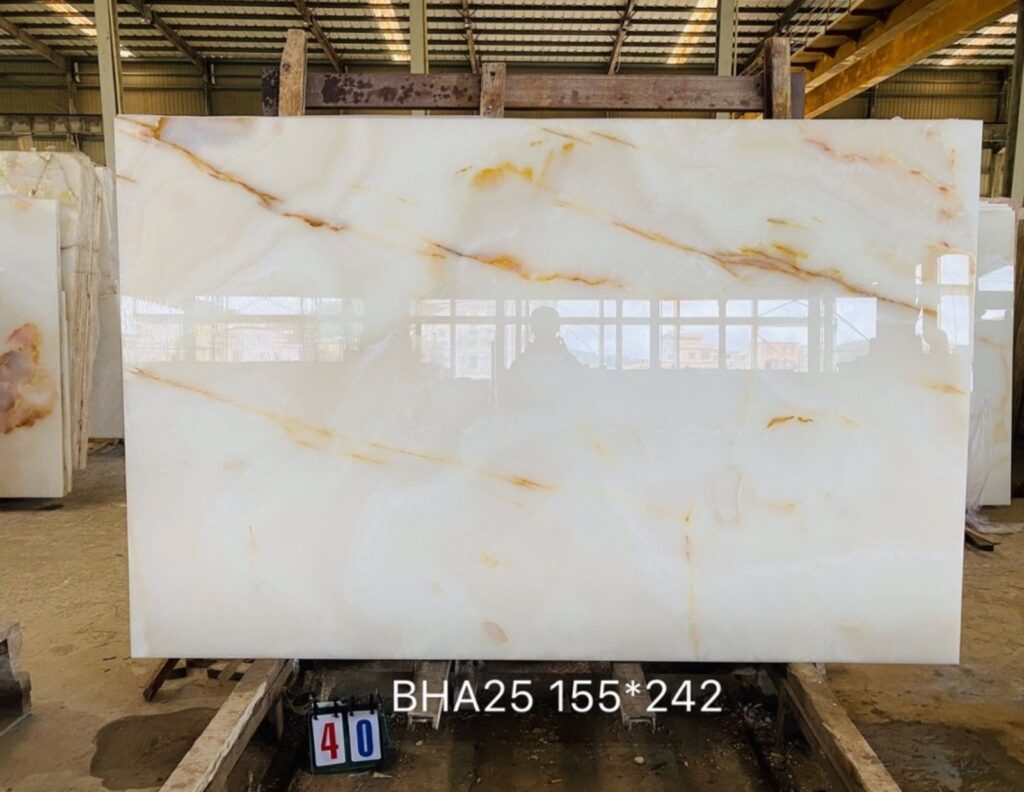
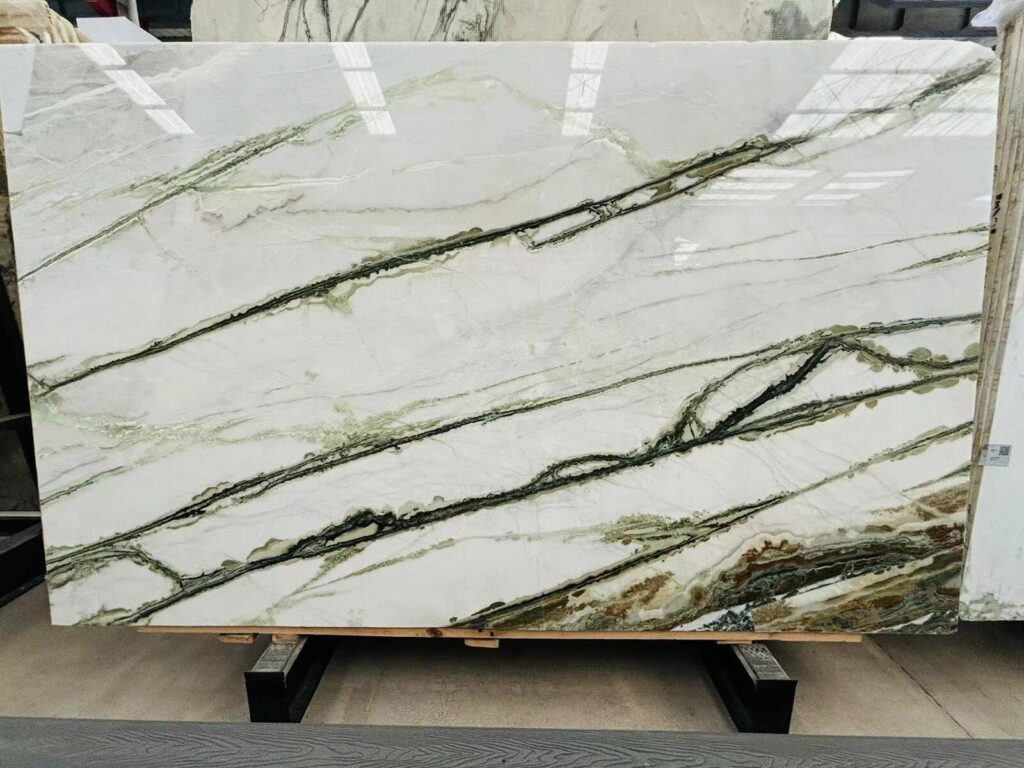
Control multi-batch Natural Quartzite variation with a defined approval range, traceable slab references, review owners, and a release check at each stage.

This guide is for importers, fabricators, architects, contractors, and project procurement teams who need a controlled record rather than an assumption. Natural Quartzite is a natural stone, so visual character, slab-specific features, and fabrication decisions should be reviewed against the actual material and the current project scope. A good process does not promise an outcome before review; it makes the evidence and release decision clear enough for each responsible party to act.
HRST STONE, XIAMEN HRST STONE CO., LTD., can coordinate information around a Natural Quartzite inquiry, but final design, engineering, freight, insurance, customs, and acceptance decisions stay with the responsible project parties. Confirm material name, dimensions, quantity, drawings, surface finish, packing requirements, and delivery destination in writing. This article does not claim inventory, price, quarry origin, test results, certification, transit time, or a completed customer project.
Natural Quartzite is not Engineered Quartz. Engineered Quartz is a manufactured composite product, while Natural Quartzite is a natural stone with slab-specific variation. That distinction matters when buyers review appearance, seams, cut layout, reinforcement, handling, and finish. Use the primary keyword as a navigation label, not as a substitute for a qualified technical review where structural, fixing, code, or local compliance questions arise.
Name one decision owner for each stage. A purchaser may coordinate commercial instructions, a designer may approve visible selection, and a fabricator may confirm workable details. The important point is written authority. Silence, a chat message without context, or a superseded drawing should not be treated as an unlimited approval.
Separate observations from acceptance. A photo, video, document, or label can show a recorded fact, but it may not establish a hidden condition, a measurement, a structural outcome, or legal compliance. Record what was reviewed, the source file, the date, the decision, and any open condition. This creates a useful evidence trail without presenting ordinary Natural Quartzite variation as a defect.
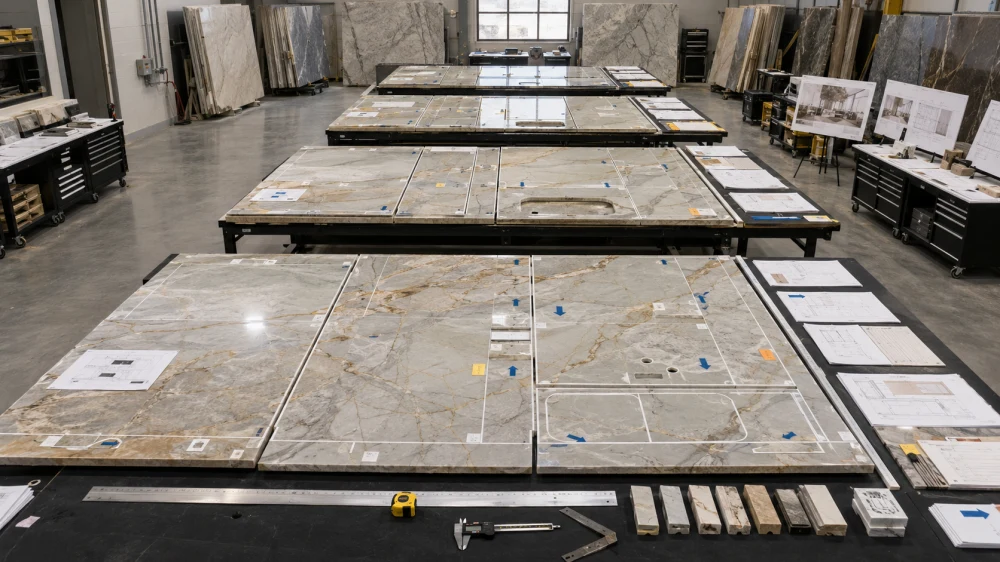
Keep references aligned across drawings, material records, packaging records, and release notes. When an item is marked for a particular room, elevation, countertop, wall panel, crate, or batch, use the same reference in every current document. Original image files and dated records are usually more useful than compressed screenshots passed through several people.
If information is incomplete, hold the affected release and ask a defined question. A hold is not a failure; it is a decision to collect the evidence needed before an irreversible step. A short re-approval after a change is often faster than correcting a mismatch after cutting, crating, collection, delivery, or installation.
| Decision point | What to request or approve | Why it matters |
|---|---|---|
| Approval range | Background, veining, finish, and application priorities | Makes natural variation reviewable. |
| Slab reference | Dated media linked to a slab or batch identifier | Connects approval to actual material. |
| Placement plan | Drawing area, panel sequence, or room reference | Avoids an unplanned visual mix. |
| Release check | Current drawing, approval log, and exception record | Stops late changes becoming unrecorded variation. |
Step 1: Define whether background tone, veining direction, finish, bookmatch pairing, or the relationship between adjoining areas is critical for the project. This guide is for importers, fabricators, architects, contractors, and project procurement teams who need a controlled record rather than an assumption. Natural Quartzite is a natural stone, so visual character, slab-specific features, and fabrication decisions should be reviewed against the actual material and the current project scope. A good process does not promise an outcome before review; it makes the evidence and release decision clear enough for each responsible party to act.
Step 2: Use current slab photos or videos with stable references and connect them to selection, cutting, packing, and intended application records. HRST STONE, XIAMEN HRST STONE CO., LTD., can coordinate information around a Natural Quartzite inquiry, but final design, engineering, freight, insurance, customs, and acceptance decisions stay with the responsible project parties. Confirm material name, dimensions, quantity, drawings, surface finish, packing requirements, and delivery destination in writing. This article does not claim inventory, price, quarry origin, test results, certification, transit time, or a completed customer project.
Step 3: Assign a visible reference to each batch and identify where it is intended to be used so unrelated material is not mixed by assumption. Natural Quartzite is not Engineered Quartz. Engineered Quartz is a manufactured composite product, while Natural Quartzite is a natural stone with slab-specific variation. That distinction matters when buyers review appearance, seams, cut layout, reinforcement, handling, and finish. Use the primary keyword as a navigation label, not as a substitute for a qualified technical review where structural, fixing, code, or local compliance questions arise.
Step 4: If a later batch falls outside the agreed range, hold it for a named project decision before cutting, packing, or installation. This guide is for importers, fabricators, architects, contractors, and project procurement teams who need a controlled record rather than an assumption. Natural Quartzite is a natural stone, so visual character, slab-specific features, and fabrication decisions should be reviewed against the actual material and the current project scope. A good process does not promise an outcome before review; it makes the evidence and release decision clear enough for each responsible party to act.

Name one decision owner for each stage. A purchaser may coordinate commercial instructions, a designer may approve visible selection, and a fabricator may confirm workable details. The important point is written authority. Silence, a chat message without context, or a superseded drawing should not be treated as an unlimited approval.
Separate observations from acceptance. A photo, video, document, or label can show a recorded fact, but it may not establish a hidden condition, a measurement, a structural outcome, or legal compliance. Record what was reviewed, the source file, the date, the decision, and any open condition. This creates a useful evidence trail without presenting ordinary Natural Quartzite variation as a defect.
Keep references aligned across drawings, material records, packaging records, and release notes. When an item is marked for a particular room, elevation, countertop, wall panel, crate, or batch, use the same reference in every current document. Original image files and dated records are usually more useful than compressed screenshots passed through several people.
If information is incomplete, hold the affected release and ask a defined question. A hold is not a failure; it is a decision to collect the evidence needed before an irreversible step. A short re-approval after a change is often faster than correcting a mismatch after cutting, crating, collection, delivery, or installation.
HRST STONE, XIAMEN HRST STONE CO., LTD., can coordinate information around a Natural Quartzite inquiry, but final design, engineering, freight, insurance, customs, and acceptance decisions stay with the responsible project parties. Confirm material name, dimensions, quantity, drawings, surface finish, packing requirements, and delivery destination in writing. This article does not claim inventory, price, quarry origin, test results, certification, transit time, or a completed customer project.


One avoidable failure is treating a broad product name as if it describes every slab. Natural Quartzite varies by slab, so a name, an old sample, and earlier media are context rather than a promise of exact visual identity. Review current material evidence and state the approved range for the intended application.
Another failure is releasing work from an outdated drawing. Revision control is especially important around dimensions, seam locations, cutouts, panel numbers, edge details, package marks, and delivery instructions. Mark superseded records clearly and identify whether a new revision requires a new visual record, shop drawing review, or logistics confirmation.
A third failure is assuming one type of evidence performs every job. Commercial documents, visual evidence, fabrication records, and receiving checks each answer different questions. Compare them as a set and record any exception before work moves to the next stage.
Do not allow a late commercial change to bypass technical review. A change in quantity, thickness, finish, cut list, crate count, collection instruction, or destination can affect what should be checked again. State the changed item and the release boundary in writing.

Use a single current log for decisions. Its value is not administrative formality; it makes it possible for the buyer, designer, fabricator, and logistics contact to see the same material reference, drawing revision, unresolved question, and next release condition. A short log with accurate references is more useful than several inconsistent messages.
Ask each reviewer to answer a decision question that fits the evidence. A designer can confirm whether a stated visual range suits an intended area. A fabricator can identify a detail that needs clarification. A logistics contact can confirm an instruction or document reference. None of those statements should be stretched into a claim outside that persons assigned responsibility.
Plan the time for review before work reaches an irreversible point. Time zones, holidays, incomplete drawing information, and a late design change can all delay a decision. Giving the project team a clear evidence pack and a stated response deadline supports better coordination without creating an unsupported promise about production or delivery timing.
Where multiple order lines are involved, avoid approving one record by analogy to another. Different finishes, dimensions, batches, applications, and package references may require separate review. The record can still be concise when each item is grouped under a clear identifier and every exception is connected to the correct item.
If the project team accepts a specific variation or condition, write the acceptance narrowly. State the affected reference, location, reason, and release limit. Do not convert one limited decision into a blanket approval for all Natural Quartzite or all later batches. That distinction protects both design intent and traceability.
At receipt, retain the original approval and shipment records alongside any observation made under the agreed procedure. This does not decide liability or replace insurance, transport, legal, customs, or technical advice. It preserves the facts the responsible parties may need when checking what was approved, released, and received.
The most effective buyer request is specific: state the Natural Quartzite material name, dimensions, quantity, drawing reference, surface finish, destination, and decision needed. If an alternative is being considered, identify what must remain unchanged. Clear inputs reduce the risk that a supplier or project partner has to infer an important condition.
Use a single current log for decisions. Its value is not administrative formality; it makes it possible for the buyer, designer, fabricator, and logistics contact to see the same material reference, drawing revision, unresolved question, and next release condition. A short log with accurate references is more useful than several inconsistent messages.
Ask each reviewer to answer a decision question that fits the evidence. A designer can confirm whether a stated visual range suits an intended area. A fabricator can identify a detail that needs clarification. A logistics contact can confirm an instruction or document reference. None of those statements should be stretched into a claim outside that persons assigned responsibility.
Plan the time for review before work reaches an irreversible point. Time zones, holidays, incomplete drawing information, and a late design change can all delay a decision. Giving the project team a clear evidence pack and a stated response deadline supports better coordination without creating an unsupported promise about production or delivery timing.
Where multiple order lines are involved, avoid approving one record by analogy to another. Different finishes, dimensions, batches, applications, and package references may require separate review. The record can still be concise when each item is grouped under a clear identifier and every exception is connected to the correct item.
If the project team accepts a specific variation or condition, write the acceptance narrowly. State the affected reference, location, reason, and release limit. Do not convert one limited decision into a blanket approval for all Natural Quartzite or all later batches. That distinction protects both design intent and traceability.
At receipt, retain the original approval and shipment records alongside any observation made under the agreed procedure. This does not decide liability or replace insurance, transport, legal, customs, or technical advice. It preserves the facts the responsible parties may need when checking what was approved, released, and received.
The most effective buyer request is specific: state the Natural Quartzite material name, dimensions, quantity, drawing reference, surface finish, destination, and decision needed. If an alternative is being considered, identify what must remain unchanged. Clear inputs reduce the risk that a supplier or project partner has to infer an important condition.

First, confirm the order scope and current contact list. Second, review the material or record relevant to the decision. Third, resolve exceptions in writing. Fourth, authorize only the next irreversible step rather than an unlimited approval. Fifth, retain the resulting record with the order reference and current drawing revision.
This staged sequence gives the project team a chance to stop or redirect work before risk compounds. Clear requests are faster to answer when they state the material name, dimensions, quantity, drawings, surface finish, delivery destination, and exact decision needed. Include the responsible technical party where the question involves performance, fixing, or local compliance.
For a new Natural Quartzite inquiry, contact Josh with the material name, dimensions, quantity, drawings, surface finish, and delivery destination. Those inputs allow the discussion to begin with the correct approval path instead of generic assumptions.
This guide is for importers, fabricators, architects, contractors, and project procurement teams who need a controlled record rather than an assumption. Natural Quartzite is a natural stone, so visual character, slab-specific features, and fabrication decisions should be reviewed against the actual material and the current project scope. A good process does not promise an outcome before review; it makes the evidence and release decision clear enough for each responsible party to act.
HRST STONE, XIAMEN HRST STONE CO., LTD., can coordinate information around a Natural Quartzite inquiry, but final design, engineering, freight, insurance, customs, and acceptance decisions stay with the responsible project parties. Confirm material name, dimensions, quantity, drawings, surface finish, packing requirements, and delivery destination in writing. This article does not claim inventory, price, quarry origin, test results, certification, transit time, or a completed customer project.
Natural Quartzite is not Engineered Quartz. Engineered Quartz is a manufactured composite product, while Natural Quartzite is a natural stone with slab-specific variation. That distinction matters when buyers review appearance, seams, cut layout, reinforcement, handling, and finish. Use the primary keyword as a navigation label, not as a substitute for a qualified technical review where structural, fixing, code, or local compliance questions arise.
Natural Quartzite is a natural stone, so buyers should approve an acceptable visual range rather than assume identical appearance across every slab or batch.
Show the material or batch reference, dated visual evidence, approved characteristics, intended application, decision owner, and any accepted exception.
Placement determines how adjacent slabs, panels, seams, and bookmatch areas will be seen, so it affects whether the approved range works in the final design.
Hold the affected release, compare it with the written approval record, and obtain a named project decision before cutting, packing, or installation.
No. A photo supports visual review but does not replace fabrication detail review, measurement confirmation, handling planning, or qualified technical assessment.
最後に
Natural Quartzite projects move more reliably when the actual slabs, drawings, records, and release conditions point to the same decision. Contact Josh with the material name, dimensions, quantity, drawings, surface finish, and delivery destination to start a focused discussion.
Copyright (c) HRST STONE / XIAMEN HRST STONE CO., LTD.

今すぐ無料見積もりをして、夢の石材プロジェクトを始めましょう!