“「小暑は私たちにこう教えてくれます:本当の暑さは急ぎません——優雅に蓄積していくのです。」”
に 7月7日, 、中国の旧暦では 小暑(しょうしょ), 、季節の11番目の節気で、英語では「Lesser Heat」と呼ばれます。その名の通り、小暑は 24の太陽暦, 暖かさが増していくこと を告げますが、まだ夏のピークではありません。これは, 移行期であり 高まりの時期であって、頂点ではなく、準備と心の落ち着きが求められる時なのです。, 伝統的な意味での祝祭ではありませんが、.
小暑は中国の季節哲学や, 農業計画、そして日常生活に深く根ざしています。それは、強まる勢いにうまく対応する方法を私たちに教えてくれます——, バランスを崩すことなく🌿 小暑とは何を意味するのか?.
「小(しょう)」は「小さい」「軽い」を、「暑(しょ)」は「暑さ」を表します。合わせて、
“一年で最も厳しい暑さが訪れる前の期間を指します, シャオシュウ 通常、次の節気である 大暑(だいしょ) に当たる時期です。, 古代の農耕社会では、小暑は重要な時期でした:.
稲やトウモロコシなどの作物が順調に育ち、 虫たちも活発になり、空気はどんどん湿っていきました。農家の人々は早朝から働いて、, 熱中症を避けるため、 同時に真夏の課題に備える必要がありました。, 哲学的には、小暑は.
焦りではなく、先を見据えることを教えています 周囲の変化を感じ取り、. 内面と外面の両方で準備を整えることです。 🔍 小暑の伝統:季節の実践における日々の知恵.
主要な祝日ほど目立たないものの、
小暑には古くからの慣習が伴います, 天候、リズム、そして健康に影響されて形作られてきたものです。中国各地で今なお守られているいくつかの永続的な伝統をご紹介しましょう:, 薬草や穀物の天日干し
1. 7月は
長い日照時間と強い日差しをもたらし、 小暑は薬草、米、唐辛子を乾燥させるのに最適な時期です。, そのため、よくベランダや村の庭先で色とりどりの食材が太陽の下に広げられている光景を見かけます。 なぜ重要なのか:この伝統は. 戦略的な資源利用を反映しています.
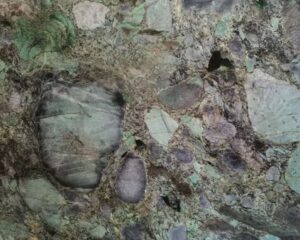
—建築における素材選択にも当てはまる概念です。 例えば、珪岩や大理石などは、. 天然石, 設計のニーズに応じて、 熱を吸収したり、反射したり、蓄えたりするために使用できます。, デザインの目的に応じて、 熱を吸収、反射、または蓄えることができます。, 設計のニーズに応じて、.
2. 冷やす・デトックス効果のある食べ物を食べる
暑さが徐々に増してくると、, 伝統的な中国の食生活は変わり、 涼しくて水分補給ができる食べ物へとシフトします:
-
緑豆スープ 体を浄化し、涼しく保つために
-
冬瓜の煮物 水分補給のために
-
レンコン料理 胃を強くし、体内の火を鎮めるために
これらの食品選択は単なる料理の話にとどまらず、 季節のウェルネスとの密接な関係を反映しています。—自然に逆らうのではなく、それに応じるライフスタイルです。.
3. 竹と石を使って気候に快適さをもたらす
「公式な慣習」とは言えないものの、小暑の時期の中国の建築では、 冷却効果のある素材が好まれることが多いです。. Houses in hot regions rely on bamboo screens, natural ventilation, and stone flooring to moderate indoor temperatures.
In modern design, materials like 珪岩 are prized for their 熱慣性, staying cool even in hot weather—perfect for villas, poolsides, and luxury resorts.
4. Cicada Listening & Rain Appreciation
In rural areas, people associate Xiaoshu with the sound of cicadas and the expectation of short, sudden rain showers. These environmental cues mark the rhythm of life—prompting adjustments in work hours and rest times.
This is also a reminder that design should respond to context. Just as nature shifts between heat and hydration, great architecture adapts through ventilation, texture, and shade.
5. Sending Summer Greeting Letters (昔日“暑帖”)
In ancient China, scholars and courtiers would exchange “Shutie (暑帖)”—handwritten summer greeting letters—to check in on friends’ health during the hotter months. These messages conveyed care and etiquette.
Today, this tradition survives in digital form, but the sentiment is timeless: in times of heat and pressure, a thoughtful gesture brings harmony.


🏛 Nature-Inspired Design: What Xiaoshu Teaches Us About Space
Xiaoshu is not dramatic. It doesn’t arrive with fireworks or feast days. Instead, it’s a quiet crescendo. A reminder that real preparation often happens in invisible ways—whether in nature, agriculture, or architecture.
で HRST ストーン, we find deep design parallels in this season:
-
Cool underfoot, warm in tone: Our stone materials offer natural thermal relief while elevating aesthetic luxury.
-
Preparedness over performance: Projects that anticipate seasonal shifts—like sun exposure and humidity—age better and feel better.
-
Balance of hard and soft: Pairing natural stone with wood, water, and air brings out the best of each.
Whether you’re building a summer retreat or upgrading a wellness center, natural materials bring seasonal intelligence into every space.

💬 Final Thoughts from HRST STONE
The world moves fast—but Xiaoshu invites us to slow down just long enough to notice:
-
What’s heating up in your life or project?
-
What preparations will serve you later in the season?
-
What natural choices today will bring future resilience?
From our experience with international luxury projects—from Moroccan resorts to private estates in the US—we’ve learned that great design listens to the climate. Xiaoshu is a perfect seasonal teacher: it says, “Don’t fear the heat. Respect it—and get ready.“
📞 Connect with Us
Let HRST STONE be your partner in creating season-smart, culturally enriched, naturally beautiful environments.
📩 Email: assistant@hrststone.com
📱 WhatsApp: +86 13685922793
🔗 Website: www.quartzite-stone.com