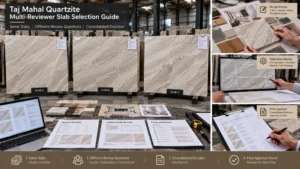
रसोई और बाथरूम प्रोजेक्ट के लिए ताजमहल क्वार्ट्जाइट बनाम क्रिस्टालो क्वार्ट्जाइट: आपको किसे चुनना चाहिए?
Post navigation
संक्षिप्त सारांश
ताजमहल क्वार्टज़ाइट और क्रिस्टालो क्वार्टज़ाइट प्राकृतिक क्वार्टज़ाइट के वाणिज्यिक नाम हैं, जिन्हें केवल एक नमूने से नहीं बल्कि वास्तविक स्लैबों से चुना जाना चाहिए। खरीद आदेश जारी करने से पहले, समग्र गति, उपयोगी उत्पादन, अभिप्रेत प्रकाश व्यवस्था, निर्माण की जटिलता और अनुमोदन प्रक्रिया की तुलना करें।.
रसोई और बाथरूम परियोजनाओं के लिए ताजमहल क्वार्टज़ाइट बनाम क्रिस्टालो क्वार्टज़ाइट: आपको किसे चुनना चाहिए? HRST STONE का एक खरीदार-केंद्रित गाइड है, जो आयातकर्ताओं, निर्माताओं, डिजाइनरों, वास्तुकारों, ठेकेदारों और परियोजना खरीद टीमों के लिए है। इसका मुख्य उद्देश्य यह है कि इन्वेंट्री, कीमत, मूल, परीक्षण, लीड टाइम या अंतिम दृश्य परिणाम के बारे में अनआधारित धारणाएं बनाए बिना, किसी सामग्री के विचार को अनुमोदन के लिए तैयार प्राकृतिक क्वार्टज़ाइट के दायरे में बदला जा सके।.
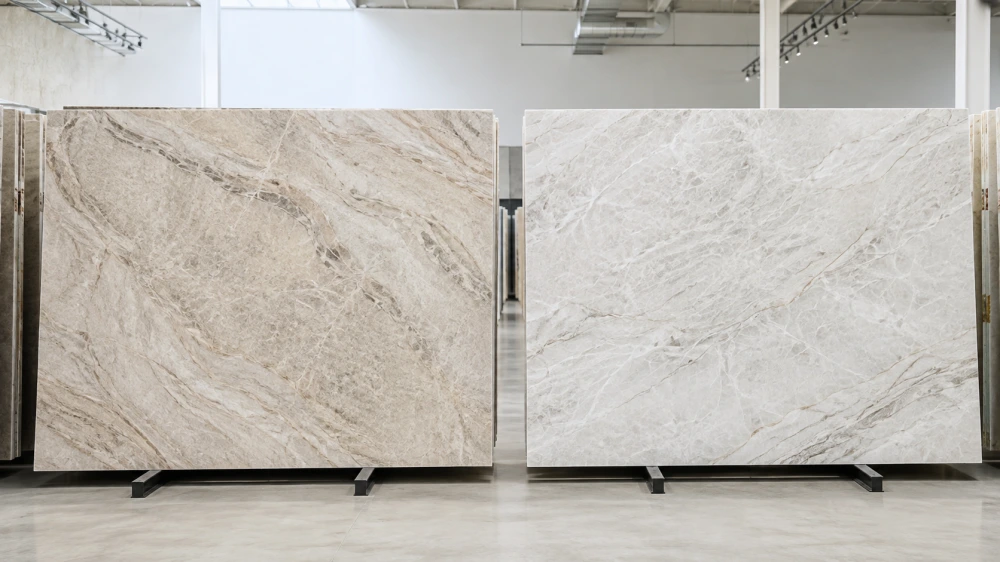
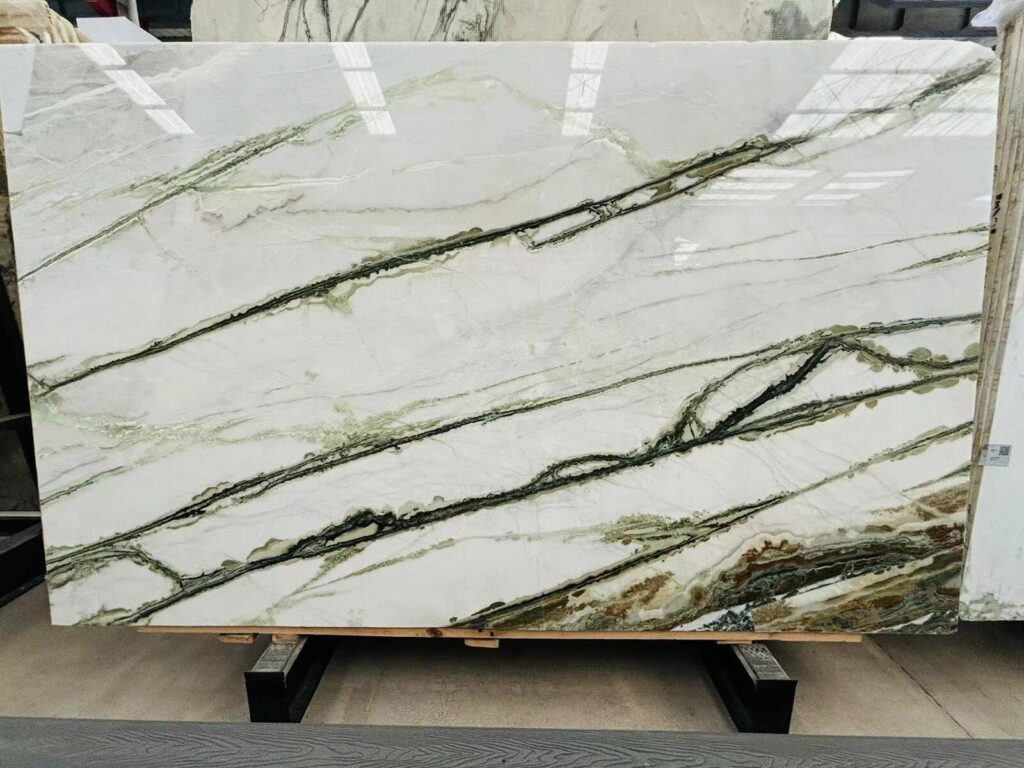
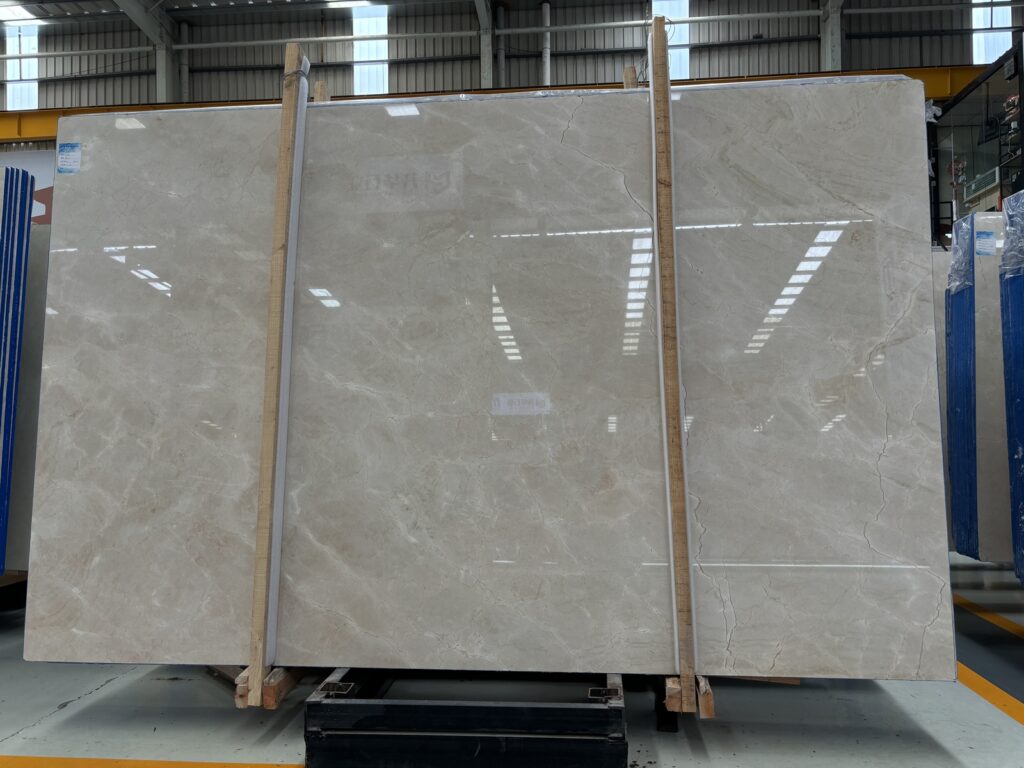
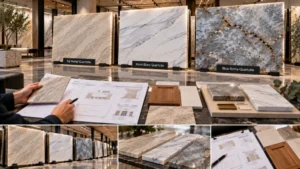
ताजमहल-बनाम-क्रिस्टालो-क्वार्टज़ाइट-स्लैब-तुलना
रसोई और बाथरूम परियोजनाओं के लिए ताजमहल क्वार्टज़ाइट बनाम क्रिस्टालो क्वार्टज़ाइट का मूल्यांकन कैसे करें
परियोजना की ब्रीफिंग, पूर्ण-स्लैब समीक्षा, वर्तमान ड्राइंग्स और दस्तावेजीकृत अनुमोदन प्रक्रिया को आधार के रूप में इस्तेमाल करें। ताजमहल क्वार्टज़ाइट और क्रिस्टालो क्वार्टज़ाइट को वाणिज्यिक वस्तु के रूप में नहीं, बल्कि अभिप्रेत उपयोग के अनुरूप चर्चा की जानी चाहिए। नीचे दिए गए खंडों में ऐसे व्यावहारिक प्रश्न दिए गए हैं, जिन्हें खरीद आदेश और निर्माण जारी करने से पहले हल कर लिया जाना चाहिए।.
निर्णय बिंदु
क्या पुष्टि करना है
यह क्यों महत्वपूर्ण है
दृश्य दिशा
ताजमहल क्वार्टज़ाइट और क्रिस्टालो क्वार्टज़ाइट के लिए पूर्ण-स्लैब फोटोग्राफ्स और लॉट-स्तरीय चयन की समीक्षा करें।.
प्राकृतिक गति और रंग में भिन्नता सामग्री-विशिष्ट होती है और बुकमैचिंग तथा लेआउट पर प्रभाव डालती है।.
Application
चयनित स्लैबों को रसोई और बाथरूम परियोजनाओं, प्रकाश व्यवस्था और देखने की दूरी के अनुरूप मैच करें।.
एक आकर्षक गति एक बड़ी दीवार, एक काउंटर या छोटे फर्नीचर तत्व पर अलग-अलग प्रतीत हो सकती है।.
फैब्रिकेशन
उत्पादन से पहले तैयार आयाम, जॉइंट के स्थान, रिटर्न और कटआउट की पुष्टि करें।.
उत्पादन से पहले, उत्पादन और लेआउट के चयन को वास्तविक स्लैब के आयामों के आधार पर किया जाता है, न कि किसी सामान्य छवि के आधार पर।.
अनुमोदन
काटने से पहले दस्तावेजीकृत स्लैब और लेआउट अनुमोदन प्रक्रिया का उपयोग करें।.
इससे वाणिज्यिक नाम परियोजना के लिए अनुमोदित विशिष्ट सामग्री के अनुरूप बना रहता है।.
वाणिज्यिक नाम से नहीं, बल्कि परियोजना की ब्रीफिंग से शुरू करें।
रसोई और बाथरूम परियोजनाओं के लिए, ताजमहल क्वार्टज़ाइट और क्रिस्टालो क्वार्टज़ाइट की तुलना इस बात से शुरू होनी चाहिए कि डिजाइन टीम को सतह से दृश्य रूप से क्या करना है। किसी परियोजना को जॉइनरी और फिक्स्चर्स का समर्थन करने के लिए शांत क्षेत्र की आवश्यकता हो सकती है; दूसरी परियोजना को एक शक्तिशाली गति की आवश्यकता हो सकती है, जो केंद्रीय आकर्षण बन जाए। वाणिज्यिक नाम बातचीत शुरू करने में उपयोगी होता है, लेकिन यह पूर्ण-स्लैब समीक्षा का स्थान नहीं ले सकता। प्राकृतिक क्वार्टज़ाइट रंग, वेनिंग, क्रिस्टलीय क्षेत्रों और उपयोगी क्षेत्र में महत्वपूर्ण भिन्नता दिखा सकता है। संबंधित लॉट से वर्तमान पूर्ण-स्लैब छवियों का अनुरोध करें, फिर सामग्री को उस पैमाने पर आंकें, जिसमें इसे देखा जाएगा।.
प्राकृतिक भिन्नता को परियोजना के इनपुट के रूप में पढ़ें।
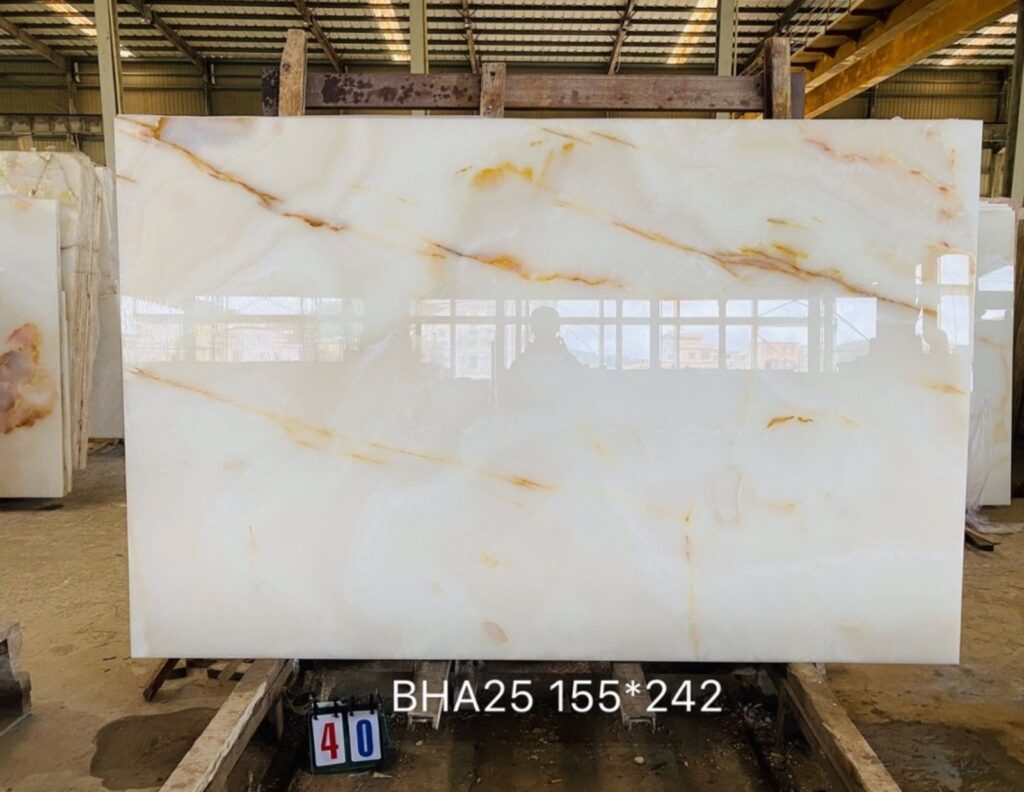
प्राकृतिक क्वार्टज़ाइट इंजीनियर्ड क्वार्टज़ नहीं है। इंजीनियर्ड क्वार्टज़ एक निर्मित संयोजन है, जिसका उत्पादन मार्ग अलग है और जिसकी दोहराव दर अधिक नियंत्रित है। प्राकृतिक क्वार्टज़ाइट के साथ, खरीदार को प्रत्येक स्लैब की अपनी गति की उम्मीद होनी चाहिए और चयन को इस तथ्य के आधार पर करना चाहिए। यह विशेष रूप से तब महत्वपूर्ण होता है, जब किसी परियोजना को आसन्न पैनल, बुकमैचिंग, वॉटरफॉल रिटर्न या एक निरंतर आइलैंड की आवश्यकता होती है। सही सवाल यह नहीं है कि क्या हर स्लैब एक जैसा दिखता है; बल्कि यह है कि क्या चयनित स्लैब अनुमोदित लेआउट के साथ सुसंगत रूप से काम करते हैं।.
दृश्य गति और उपयोगी उत्पादन का आकलन करें।
ताजमहल क्वार्टज़ाइट और क्रिस्टालो क्वार्टज़ाइट को अलग-अलग दृश्य दिशाओं के लिए विचार किया जा सकता है, लेकिन इनमें से किसी का भी वर्णन निश्चित वादों के माध्यम से नहीं किया जाना चाहिए। पृष्ठभूमि के टोन, कंट्रास्ट, खुली या केंद्रित गति, जहाँ लागू हो, अर्धपारदर्शी दिखने वाले क्षेत्रों और लेआउट को प्रभावित करने वाले विशेषताओं के स्थान के लिए वास्तविक सामग्री की समीक्षा करें। एक स्टोन टीम सटीक आयाम प्राप्त करने के बाद पसंदीदा पक्षों और बचने के लिए अनुशंसित क्षेत्रों की पहचान कर सकती है। यह बातचीत तब अधिक मजबूत होती है, जब खरीदार ऊंचाई, योजना दृश्य और दृश्य सततता के सबसे महत्वपूर्ण स्थान का स्पष्ट बयान प्रदान करता है।.
सामग्री को उपयोग के अनुरूप मैच करें।
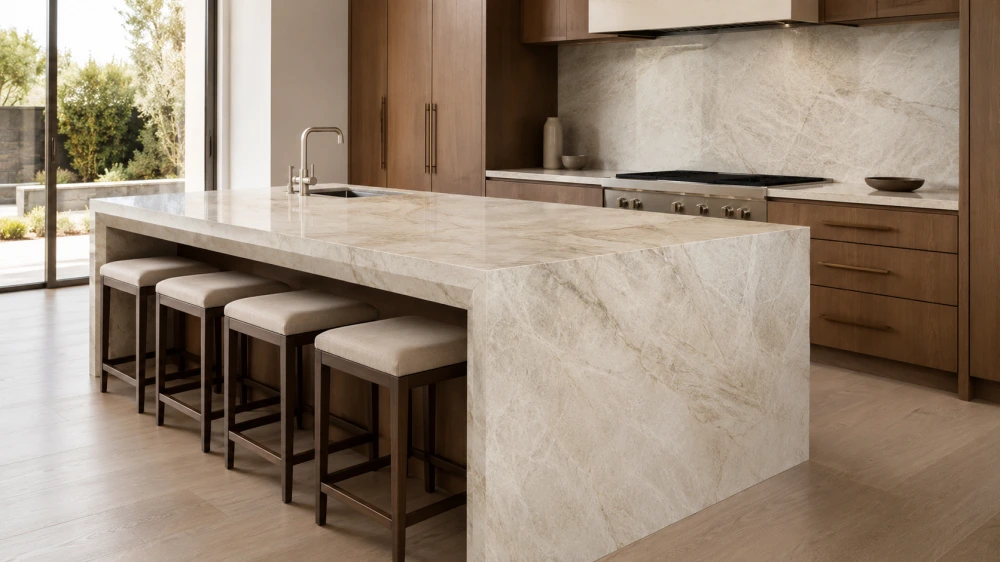
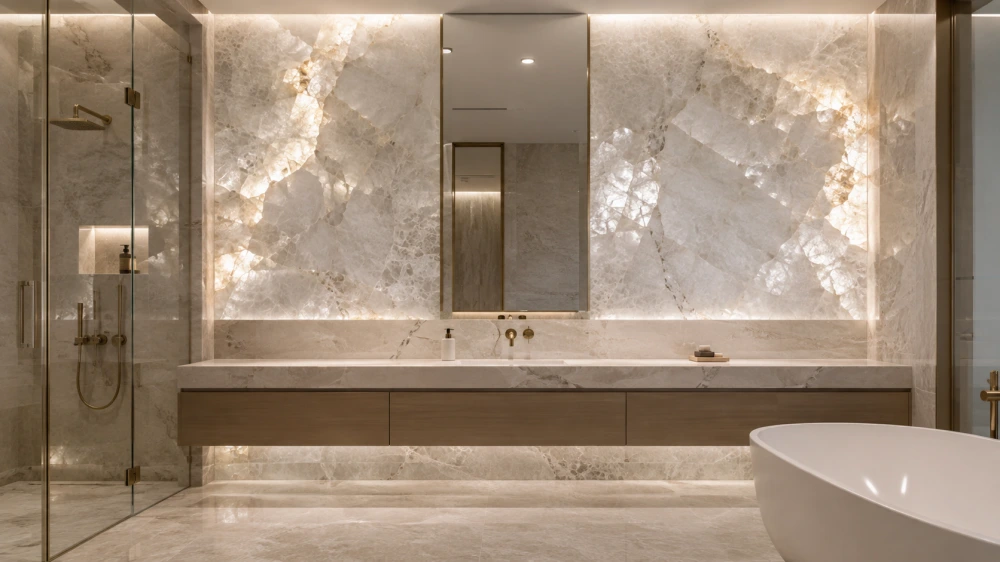
एक ही स्लैब को एक काउंटर, एक दीवार, एक आइलैंड या एक फर्नीचर की सतह पर अलग-अलग तरीके से पढ़ा जा सकता है। देखने की दूरी, आसपास की फिनिश, कमरे की प्रकाश व्यवस्था और रिटर्न की संख्या सभी अंतिम परिणाम को प्रभावित करती है। रसोई और बाथरूम परियोजनाओं के लिए, प्रत्येक उपयोग को अलग-अलग सूचीबद्ध करें और बताएं कि कौन से पक्ष सबसे अधिक दिखाई देते हैं। यदि परियोजना में बैकलाइटिंग या एक प्रमुख फीचर वॉल शामिल है, तो डिजाइन समीक्षा में अभिप्रेत प्रकाश व्यवस्था को भी शामिल करें। निर्माता को इन प्राथमिकताओं का अनुमान सामग्री के नाम से अकेले नहीं लगाना चाहिए।.
डिज़ाइन समीक्षा में उठाए जाने वाले प्रश्न
पूछें कि किन सतहों को सबसे नज़दीक से देखा जाता है, किन ऊँचाइयों को सततता की आवश्यकता है, कहाँ जॉइंट्स स्वीकार्य हो सकते हैं और कौन सी आसपास की सामग्री इच्छित विपरीत को स्थापित करती है। इन जवाबों से सामग्री की चर्चा को एक व्यावहारिक ढाँचा मिलता है और सभी पक्ष वास्तविक स्लैब का समान रूप से मूल्यांकन करने में मदद मिलती है।.
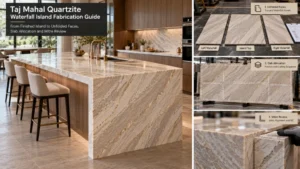
taj-mahal-quartzite-luxury-kitchen-island
निर्माण की शुरुआत में समन्वय करें।
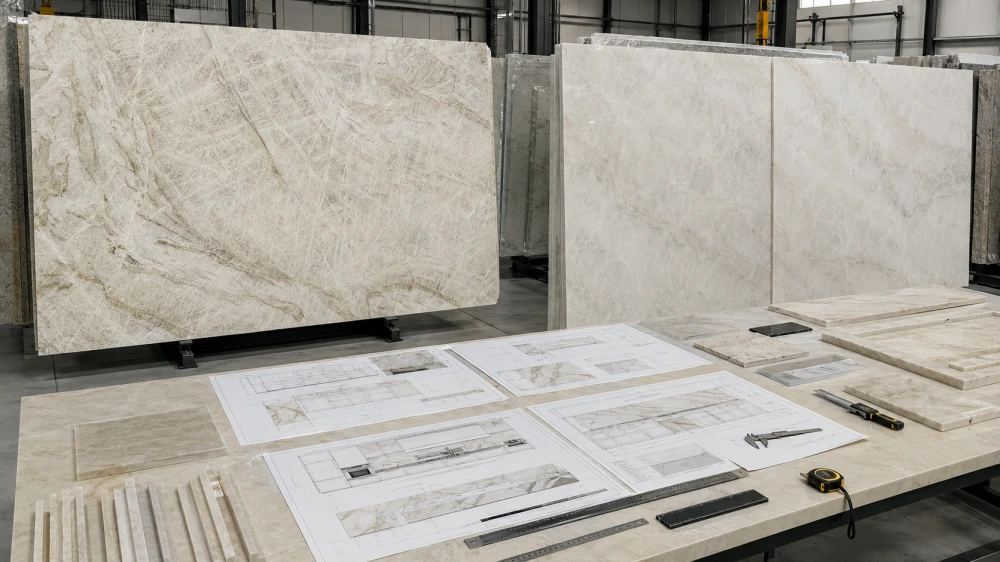
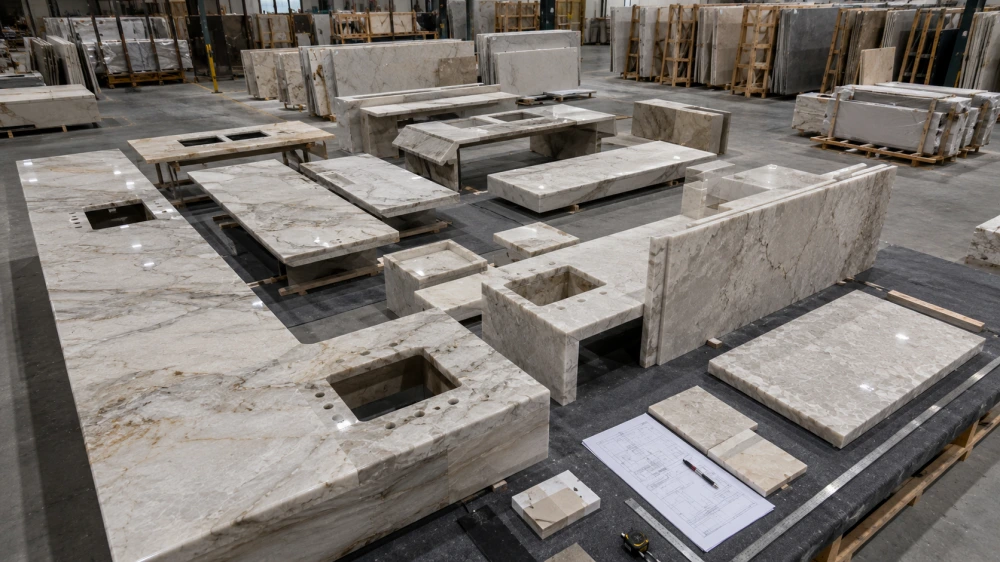
निर्माण की योजना तब तक व्यावहारिक इंस्टॉलेशन पैकेज में बदल जाती है, जब तक आकर्षक स्लैब चयन नहीं हो जाता। काटने से पहले तैयार आयाम, मोटाई, सतह की फिनिश, किनारे के उपचार, जॉइंट्स, कटआउट्स, समर्थन और हैंडलिंग की बाधाओं की पुष्टि करें। बड़े प्राकृतिक पत्थर के तत्वों को वास्तविक स्लैब के आयामों और परियोजना की पहुँच की स्थितियों का सम्मान करने वाले लेआउट की आवश्यकता होती है। एक अच्छी योजना यह भी बताती है कि किन टुकड़ों को स्लैब के किस क्षेत्र से काटा जाना चाहिए, न कि हर क्षेत्र को आपस में बदलने योग्य माना जाए।.
लेआउट का परीक्षण करने के लिए ड्राइंग्स का उपयोग करें।
ताजमहल क्वार्टज़ाइट और क्रिस्टालो क्वार्टज़ाइट की तुलना करते समय, एक आयामी ड्राइंग एक मौखिक वर्णन से अधिक उपयोगी होती है। समग्र आकार, दीवार की ऊंचाई, आइलैंड के रिटर्न, कटआउट के स्थान, जॉइंट लाइन्स और किसी भी मिटर्ड या बुकमैच्ड विवरण को शामिल करें। इसके बाद सामग्री टीम वास्तविक स्लैब और नमूना प्रक्रिया के साथ संभावित लेआउट दृष्टिकोणों पर चर्चा कर सकती है, बिना किसी सामान्य रेंडरिंग को गारंटीकृत परिणाम के रूप में प्रस्तुत किए जाने के। जहाँ परियोजना में कई कमरे होते हैं, उन्हें स्थान के अनुसार समूहबद्ध करें, ताकि चयन और उत्पादन को सही क्रम में विचार किया जा सके।.
फिनिश और डिटेलिंग के बारे में सोचें।
सतह की फिनिश और किनारे की डिटेलिंग दोनों दृश्य और निर्माण पर प्रभाव डालती है। एक पॉलिश्ड फेस, होन्ड लुक, टेक्सचर्ड विकल्प या कस्टम किनारे को परियोजना की आवश्यकता के रूप में निर्दिष्ट करना चाहिए और वास्तविक स्लैब और नमूना प्रक्रिया के साथ समीक्षा करनी चाहिए। सही विकल्प अभिप्रेत दिखावे, उपयोग के अनुरूप, सफाई की उम्मीद, प्रकाश व्यवस्था और निर्माता की विधि पर निर्भर करता है। यह मत सोचें कि एक फिनिश दो प्राकृतिक स्लैब को एक जैसा बना देगा या सामान्य खनिज भिन्नता को खत्म कर देगा।.
मूल्य के अनुमान से बचें
ताजमहल क्वार्टज़ाइट या क्रिस्टालो क्वार्टज़ाइट के लिए अनुरोध एक सामान्य मूल्य के दावे पर आधारित नहीं होना चाहिए। केवल वाणिज्यिक नाम ही चयनित लॉट, आयाम, उत्पादन दर, फिनिश, निर्माण का दायरा, पैकेजिंग, माल ढुलाई का मार्ग या गंतव्य को परिभाषित नहीं करता है। इसके बजाय, मापनीय परियोजना जानकारी भेजें और परियोजना-विशिष्ट समीक्षा का अनुरोध करें। इससे शुरुआती तुलना को बाध्यकारी वाणिज्यिक वादे के रूप में नहीं लिया जाता है और खरीदार को विकल्पों का मूल्यांकन करने के लिए अधिक स्पष्ट आधार प्रदान किया जाता है।.
एक सोर्सिंग समीक्षा को बेहतर बनाने वाली जानकारी
सामग्री का नाम, आयाम, मात्रा, ड्राइंग्स, अनुरोधित सतह, फिनिश की अपेक्षाएं, किनारे की अवधारणा और डिलीवरी का गंतव्य शामिल करें। यदि पूछताछ में कई स्थान शामिल हैं, तो उन्हें स्पष्ट रूप से अलग करें। इससे आपूर्तिकर्ता बिना यह अनुमान लगाए कि एक व्यापक वाणिज्यिक विवरण एक पुष्टि युक्त प्रोजेक्ट विनिर्देश है, सटीक अनुवर्ती प्रश्न पूछ सकते हैं।.
एक स्पष्ट अनुमोदन क्रम तैयार करें
एक व्यावहारिक अनुमोदन क्रम सामग्री के निर्देशन से शुरू होता है, फिर पूर्ण स्लैब छवि और उपलब्धता पर चर्चा के बाद, लेआउट समीक्षा और अंतिम काटने के अनुमोदन तक पहुंचता है। जिन स्लैबों और चेहरों को अनुमोदित किया गया है, उनके साथ-साथ नवीनतम ड्राइंग्स और विस्तार संबंधी निर्णयों को भी दर्ज करें। यदि लेआउट के अनुमोदन के बाद कोई बदलाव होता है, तो काटने से पहले प्रभावित टुकड़ों की फिर से जांच करें। यह सरल अनुशासन आयातकर्ताओं, निर्माताओं, डिजाइनरों, ठेकेदारों और विभिन्न स्थानों पर काम करने वाली परियोजना खरीद टीमों के लिए बहुत मूल्यवान है।.
वास्तविक जोखिम बिंदुओं के आसपास निरीक्षण की योजना बनाएं
निरीक्षण का ध्यान सहमत चयन और कार्य के दायरे पर होना चाहिए। खरीदार पूर्ण स्लैब, आयाम, सतह की प्रस्तुति, किनारे के विवरण, टुकड़ों के चिह्नांकन, ड्राई लेआउट, पैकेजिंग की विधि और खरीद ऑर्डर में उल्लिखित मात्राओं की समीक्षा करना चाह सकते हैं। सटीक जांच बिंदु परियोजना पर निर्भर करते हैं। इन्हें लिखित रूप से सहमत होना बेहतर है, बजाय इसके कि यह अनुमान लगाया जाए कि एक वाणिज्यिक पत्थर का नाम हर गुणवत्ता की उम्मीद को परिभाषित करता है।.
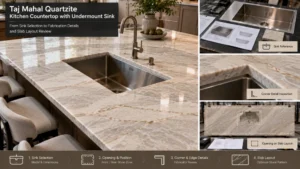
क्रिस्टालो-क्वार्टज़ाइट-लक्जरी-बाथरूम-फीचर-वॉल
टुकड़ों का कार्यक्रम स्थिर होने के बाद लॉजिस्टिक्स पर विचार करें
निर्यात पैकेजिंग और लॉजिस्टिक्स स्थिर टुकड़ों के कार्यक्रम का अनुसरण करना चाहिए। डिलीवरी का गंतव्य, आवश्यक आगमन का संदर्भ और पैकेजिंग को प्रभावित करने वाली किसी भी साइट या कंटेनर की बाधाओं को साझा करें। प्राकृतिक क्वार्टज़ाइट एक भारी और टूटने वाली वास्तुकला सामग्री है; हैंडलिंग योजना अनुमोदित निर्माण और स्थापना क्रम का समर्थन करनी चाहिए। विनिर्देशों, मात्राओं और गंतव्य की समीक्षा होने से पहले शुरुआती डिलीवरी का दावा न करें।.
निर्णय को संकीर्ण करने के लिए तुलना का उपयोग करें
इस तुलना का उद्देश्य खरीदारों को सामग्री के निर्णय को व्यवस्थित करने में मदद करना है, न कि ताजमहल क्वार्टज़ाइट या क्रिस्टालो क्वार्टज़ाइट को एक सार्वभौमिक रैंकिंग में फंसाना। सबसे अच्छा विकल्प वह है जिसके वास्तविक स्लैब, दृश्य दिशा, लेआउट और निर्माण योजना परियोजना के अनुरूप होते हैं। जब ब्रीफिंग स्पष्ट होता है, तो आपूर्तिकर्ता सामान्य बिक्री भाषा के बजाय प्रासंगिक स्लैब समीक्षा संबंधी प्रश्नों के साथ जवाब दे सकता है।.
रिलीज़ से पहले जिम्मेदारियों को तय करें
परियोजना टीमों को यह स्पष्ट करना चाहिए कि सामग्री का अनुमोदन कौन करता है, नवीनतम ड्राइंग्स का नियंत्रण कौन रखता है, लेआउट को कौन साइन ऑफ करता है और स्थापना की स्थितियों का समन्वय कौन करता है। यह तब उपयोगी होता है जब आयातकर्ता, डिजाइनर, निर्माता, ठेकेदार और खरीद टीमें एक ही दायरे में योगदान देती हैं। एक सरल जिम्मेदारी मैप इस जोखिम को कम करता है कि कोई पक्ष यह अनुमान लगा ले कि कुछ महत्वपूर्ण निर्णयों को दूसरे ने अनुमोदित कर दिया है। यह ताजमहल क्वार्टज़ाइट और क्रिस्टालो क्वार्टज़ाइट के बारे में किसी भी अपरिवर्तनीय काटने या भेजने की कार्रवाई से पहले एक स्पष्ट मार्ग भी बनाता है।.
संशोधनों को ट्रैक करना जारी रखें
प्राकृतिक पत्थर की खरीद अक्सर संशोधित ड्राइंग्स, अद्यतन मात्राओं और बदलती कमरे की प्राथमिकताओं के माध्यम से आगे बढ़ती है। चयनित स्लैबों और प्रस्तावित लेआउट के साथ जुड़े संशोधन संख्या को दर्ज करें। जब किसी ऊंचाई, किनारे, कटआउट या मात्रा में बदलाव होता है, तो प्रभावित टुकड़ों की पहचान करें और नए अनुमोदन के जारी होने से पहले इसके परिणामों की समीक्षा करें। यह अनौपचारिक संदेशों या पुराने रेंडरिंग पर भरोसा करने की तुलना में अधिक विश्वसनीय है। ट्रैक करने योग्य संशोधनों से बिना यह दावा किए कि सामग्री लॉट से लॉट एक जैसी है, एक सीमा पार परियोजना का समन्वय करना आसान हो जाता है।.
आसन्न कार्यों के साथ इंटरफ़ेस की समीक्षा करें
क्वार्टज़ाइट का दायरा अन्य व्यापारों जैसे कि कैबिनेट, फ्रेमिंग, वाटरप्रूफिंग, इलेक्ट्रिकल पॉइंट्स, प्लंबिंग, लाइटिंग, ग्लेज़िंग और फिनिश फ्लोरिंग के साथ मिलता है। नवीनतम परियोजना ड्राइंग्स में उन इंटरफ़ेस की जांच करें। रसोई और बाथरूम परियोजनाओं के लिए, यह वापसी, किनारे की दृश्यता, ज्वाइंट के स्थान, स्थापना के लिए पहुंच और घटकों को फिट करने के क्रम को प्रभावित कर सकता है। सामग्री की समीक्षा तब अधिक उपयोगी होती है जब डिजाइन टीम इन इंटरफ़ेस की जल्दी पहचान करती है, बजाय इसके कि टुकड़ा काटे जाने के बाद निर्माता से अज्ञात साइट की स्थितियों का हल निकालने के लिए कहा जाता है।.
फोटोग्राफ्स को सबूत के रूप में इस्तेमाल करें, न कि विकल्प के रूप में
पूर्ण स्लैब फोटोग्राफ्स, विस्तार वाली छवियाँ और लेआउट की दृश्य छवियाँ दूरस्थ समीक्षा के लिए महत्वपूर्ण उपकरण हैं। इन्हें वास्तविक चयन से जुड़े अनुमोदन सहायकों के रूप में समझा जाना चाहिए, न कि इस वादे के रूप में कि एक स्क्रीन छवि हर प्रकाश स्रोत के तहत हर दृश्य को पुनरुत्पादित करती है। चेहरे के ओरिएंटेशन, प्राथमिक आंदोलन और इरादा किए गए अनुप्रयोगों के बारे में सहमत नोट्स के साथ छवियों की तुलना करें। यदि कोई विशेषता डिजाइन के लिए महत्वपूर्ण है, तो इसे अनुमोदन रिकॉर्ड में वर्णित करें। यह टीम को प्राकृतिक क्वार्टज़ाइट के प्राकृतिक भिन्नता का सम्मान करते हुए एक व्यावहारिक संदर्भ प्रदान करता है।.
काम आगे बढ़ने से पहले, अंतिम सामग्री, ड्राइंग्स, लेआउट, फिनिश, किनारे, मात्राओं और गंतव्य को एक पैकेज के रूप में समीक्षा करें। डिजाइन, निर्माण, खरीद और स्थापना के लिए जिम्मेदार लोगों का एक ही संशोधन से काम करने की जांच करें। यह अंतिम समीक्षा कोई औपचारिकता नहीं है: यह एक ऐसा क्षण है जब किसी अनुपस्थित आयाम, अनुमोदित न हुई वापसी, बदले हुए ज्वाइंट या अस्पष्ट दृश्य प्राथमिकता को सामने लाया जा सकता है। एक संक्षिप्त, दस्तावेजीकृत पुष्टि हर रसोई और बाथरूम परियोजना के लिए एक अधिक विश्वसनीय हस्तांतरण प्रदान करती है, जिसमें प्राकृतिक क्वार्टज़ाइट शामिल है।.
एक संक्षिप्त प्रश्न पैकेज तैयार करें
जोश से संपर्क करते समय, जांच को समीक्षा के लिए आसान बनाएं: ताजमहल क्वार्ट्ज़ाइट और क्रिस्टाल्लो क्वार्ट्ज़ाइट का उल्लेख करें, प्रत्येक फिनिश्ड साइज़ और मात्रा की सूची दें, वर्तमान ड्राइंग्स अटैच करें, आवश्यक सतह और फिनिश को नोट करें, एज या तुलना की प्राथमिकता का वर्णन करें, और डिलीवरी के गंतव्य को बताएं। किसी भी समयावधि की बाधा को एक मान्यता प्राप्त प्रतिबद्धता के रूप में नहीं, बल्कि पुष्टि के अनुरोध के रूप में शामिल करें। इसके बाद, HRST STONE / XIAMEN HRST STONE CO., LTD. दस्तावेजी ब्रीफ़ के अनुसार प्रतिक्रिया दे सकता है और अगली चयन, लेआउट, फैब्रिकेशन, गुणवत्ता नियंत्रण और पैकिंग की चर्चा का मार्गदर्शन कर सकता है।.
प्रोजेक्ट हैंडओवर चेकलिस्ट
निर्णय बिंदु
क्या पुष्टि करना है
यह क्यों महत्वपूर्ण है
सामग्री
ताजमहल क्वार्ट्ज़ाइट और क्रिस्टाल्लो क्वार्ट्ज़ाइट का उल्लेख करें और बताएं कि क्या चयन को पूर्ण स्लैब्स से समीक्षा करना आवश्यक है।.
खरीद अनुरोध को प्राकृतिक सामग्री के अनुरूप बनाए रखता है।.
ड्रॉइंग्स
नवीनतम प्लान्स, एलिवेशन्स, डाइमेंशन्स और कटआउट जानकारी प्रदान करें।.
फैब्रिकेशन से पहले लेआउट-आधारित बातचीत का समर्थन करता है।.
फिनिश और एज
आवश्यक सतह, दिखाई देने वाली एज और सततता की अपेक्षाओं की पहचान करें।.
डिज़ाइन इंटेंट को व्यावहारिक डिटेलिंग से जोड़ता है।.
गंतव्य
डिलीवरी के गंतव्य और किसी भी एक्सेस या पैकिंग की बाधाओं को बताएं।.
टीम को लॉजिस्टिक्स की चर्चा को सटीक रूप से सीमित करने में मदद करता है।.
1. किचन और बाथरूम प्रोजेक्ट्स के लिए ताजमहल क्वार्ट्ज़ाइट या क्रिस्टाल्लो क्वार्ट्ज़ाइट में से कौन बेहतर है?
कोई भी वाणिज्यिक नाम स्वचालित रूप से बेहतर नहीं है। इच्छित दृश्य प्रभाव, लेआउट, प्रकाश व्यवस्था, निर्माण योजना और अनुमोदित परियोजना मानदंडों का अध्ययन करने के बाद, वास्तविक स्लैब्स में से चुनें।.
2. क्या ताजमहल क्वार्ट्ज़ाइट और क्रिस्टाल्लो क्वार्ट्ज़ाइट प्राकृतिक क्वार्ट्ज़ाइट हैं?
इन्हें आमतौर पर प्राकृतिक क्वार्टज़ाइट के व्यावसायिक नामों से बेचा जाता है, लेकिन नामकरण बाजार के अनुसार भिन्न हो सकता है। अंतिम चयन से पहले, आपूर्तिकर्ता से विशिष्ट स्लैब की पहचान और गुणों की पुष्टि करें।.
3. क्या एक छोटा सैंपल अंतिम रूप का निर्णय ले सकता है?
नहीं। एक नमूना सामान्य दिशा को इंगित कर सकता है, लेकिन गति, रंग में भिन्नता और उपयोगी क्षेत्रों का आकलन करने के लिए पूर्ण-स्लैब फ़ोटोग्राफ़ी और लेआउट की समीक्षा की आवश्यकता होती है।.
4. फैब्रिकेशन से पहले किसे अप्रूव करना चाहिए?
कटिंग शुरू होने से पहले, चयनित स्लैब, फिनिश डाइमेंशन, लेआउट, सीम, किनारे, कटआउट, सरफ़ेस फिनिश और किसी भी बुकमैच या लाइटिंग की अपेक्षाओं को मंज़ूरी दें।.
5. सोर्सिंग एनक्वायरी के लिए मुझे किस जानकारी को भेजना चाहिए?
कृपया सामग्री का नाम, आयाम, मात्रा, ड्राइंग, वांछित सतह, फिनिश की आवश्यकताएं और डिलीवरी का गंतव्य भेजें, ताकि टीम अनुरोध का सटीक आकलन कर सके।.
अंतिम नोट
एक प्रोजेक्ट-विशिष्ट समीक्षा के लिए, कृपया HRST STONE / XIAMEN HRST STONE CO., LTD. में जोश से संपर्क करें। कृपया सामग्री का नाम, डाइमेंशन्स, मात्राएं, ड्राइंग्स, आवश्यक सतह, प्राथमिकता वाली फिनिश और डिलीवरी के गंतव्य को भेजें। इससे टीम को अगली प्राकृतिक क्वार्ट्ज़ाइट चयन और फैब्रिकेशन की बातचीत के लिए स्पष्ट आधार मिलता है। साथ ही, यह समीक्षा को वास्तविक ड्राइंग्स, चुने गए स्लैब्स और प्रोजेक्ट के लिए महत्वपूर्ण अप्रूवल पॉइंट्स पर केंद्रित करने में मदद करता है।.
Hi, I am the author of this article. I have been working in the field of Natural Stone for more than 15 years. If you need customized Natural Stone services, please feel free to contact me.