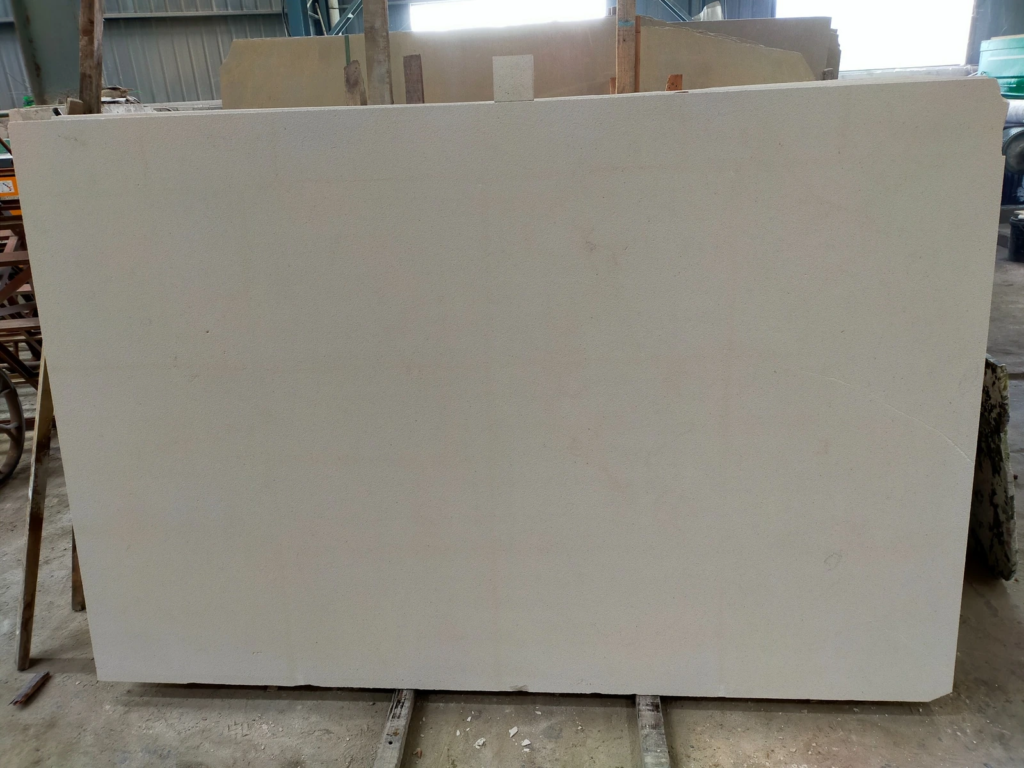
Tratamientos con resina para cuarcita: preguntas que debe hacer antes de elegir un adhesivo
Post navigation
Resumen rápido
Antes de elegir un adhesivo para cuarcita natural, primero identifique qué se ha realizado previamente sobre la piedra y qué se espera que haga el nuevo adhesivo. La resina aplicada en fábrica, el relleno local de fisuras, el refuerzo con malla, la unión de juntas, el ensamblaje en inglete, la reparación de astillas y la adherencia durante la instalación son condiciones distintas. Confirme la losa real, la superficie tratada, la ubicación de la unión, los requisitos estéticos, la documentación del fabricante del adhesivo y el método de prueba representativo antes de aprobar un producto para su producción.
A Tratamiento con resina en cuarcita puede influir en la elección del adhesivo, pero las palabras “tratado con resina” no indican automáticamente al fabricante qué adhesivo debe emplearse.
La cuarcita natural puede presentar fisuras naturales, transiciones minerales, pequeñas cavidades, áreas previamente rellenadas, refuerzos locales o tratamientos aplicados en fábrica, según la losa específica y el proceso de elaboración. Al mismo tiempo, los adhesivos pueden requerirse para propósitos muy diferentes: unir una junta de encimera, ensamblar un borde en inglete, rellenar una astilla producida durante la fabricación, reparar una zona local o adherir la piedra a otro sustrato aprobado.
Por lo tanto, la primera pregunta no debería ser “¿Cuál es el mejor pegamento para cuarcita?”
Sí debería ser:
“¿Qué superficie vamos a unir, qué tratamiento ya está presente y qué debe lograr esta unión?”
El tratamiento con resina en cuarcita no es lo mismo que la selección del adhesivo
A menudo, varios materiales y procesos distintos se agrupan de manera informal bajo la palabra “resina”. Esto puede generar confusión durante la compra y la fabricación.
Condición
Propósito principal
Pregunta a formular
Tratamiento con resina de la losa
Rellenar o estabilizar determinadas características superficiales durante el procesamiento de la losa
¿Qué caras o áreas fueron tratadas?
Relleno local de fisuras o vacíos
Abordar una característica natural localizada o una condición de fabricación
¿Entrará en contacto la nueva unión con el área reparada?
Adhesivo para juntas
Unir piezas separadas de encimeras o paneles terminados
¿Qué superficies se encuentran en la junta?
Adhesivo para ingletes
Ensamblar componentes preparados en inglete
¿Qué geometría de la junta y qué estándar visual aplican?
Adhesivo de instalación
Adherir la piedra dentro de un conjunto de instalación
¿Qué sustrato y especificación del proyecto rigen la unión?
Estas decisiones no deben reducirse a un único requisito genérico de “pegamento para piedra”.
1. Pregunte qué tratamiento está realmente presente
Comience por la losa real, no solo por el nombre comercial de la piedra.
patagonia-quartzite-resin-repair-inspection
Pregunte al proveedor o al fabricante si se ha identificado algún tratamiento relevante en el material propuesto y, cuando la información esté disponible, si dicho tratamiento está asociado con la cara frontal, la cara posterior, las fisuras naturales, las zonas reparadas, el refuerzo con malla o áreas aisladas.
No asuma que todas las losas de la misma cuarcita natural han sido tratadas de forma idéntica.
Asimismo, no suponga que una línea más oscura, una zona transparente, un límite mineral o una fisura natural prueban que se utilizó una resina específica. La apariencia por sí sola no constituye un registro fiable del tratamiento.
Para una inspección más amplia de la losa, nuestra Guía del comprador de encimeras de cuarcita natural explica por qué las fisuras y las zonas reparadas deben revisarse en la losa real antes de la fabricación.
2. Identifique qué superficie será efectivamente unida
blue-roma-quartzite-bonding-surface-preparation
La cara pulida visible puede no ser la superficie de unión.
En cambio, un adhesivo podría entrar en contacto con:
un borde recién cortado de cuarcita;
una superficie preparada en inglete;
la parte posterior de una losa o panel;
un área previamente reparada;
una zona reforzada;
otra pieza de piedra natural; o
un sustrato independiente del proyecto.
Esta distinción es importante porque el estado de la superficie real de unión resulta más relevante que la apariencia de una superficie pulida ajena.
Fabrication Question
Instead of asking “Has the slab been resined?”, ask “Will the proposed adhesive bond directly to untreated stone, a prepared cut surface, an existing resin-treated area, or another material?”
3. Define What the Adhesive Must Do
An adhesive should be evaluated against its actual job.
Countertop Seam
mont-blanc-quartzite-miter-adhesive-fabrication
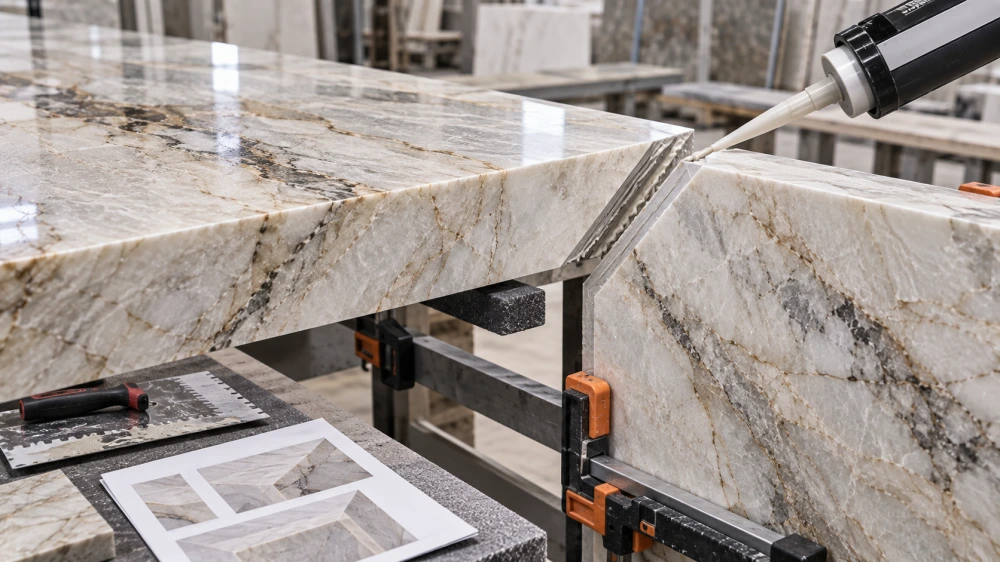
A visible seam requires both fabrication control and an acceptable finished appearance. The team should consider the prepared stone surfaces, joint geometry, color relationship, curing requirements, and manufacturer guidance for the selected adhesive.
Mitered Edge or Waterfall Assembly
A miter combines joint geometry with a highly visible finished edge. Adhesive selection should therefore be coordinated with machining accuracy, temporary support, clamping or assembly method, surface preparation, and final visual acceptance.
Local Repair
A small chip, void, fissure-related area, or fabrication repair is different from joining two major structural components. The repair goal and acceptable appearance should be defined before selecting a material.
Installation Bond
Bonding a finished stone panel or component into a building assembly is not simply another fabrication seam. Substrate, environment, design requirements, applicable specifications, and qualified installation responsibility should be reviewed separately.
4. Ask Whether Existing Resin Could Affect the Bonding Area
If the proposed joint contacts a previously treated surface, the project team should not automatically assume compatibility.
Instead, ask:
Is the treatment actually present in the bond zone?
Is it continuous or localized?
Can the bonding face be prepared according to the adhesive manufacturer’s instructions?
Does the adhesive documentation cover the actual substrate condition?
Is a representative test or mock-up advisable before production?
The purpose of these questions is not to assume that resin-treated quartzite is difficult to bond. It is to prevent a generic material description from replacing an actual compatibility review.
5. Check for Visual Side Effects as Well as Bonding
For visible Natural Quartzite fabrication, adhesive selection is not only about whether two parts remain joined.
The project may also need to consider whether the selected product can affect the appearance around a seam, miter, repair, translucent crystal zone, pale stone area, or polished surface.
Questions may include:
Pregunta visual
Why Review It?
Can the adhesive or repair remain visible at the joint?
Visible seams require an agreed aesthetic standard.
Could the surrounding stone appearance change?
Pale or translucent areas may reveal visual differences more clearly.
Does the color match work after curing and finishing?
Wet appearance and cured appearance may not be judged the same way.
Will polishing or finishing expose the repair differently?
Final fabrication can change how a repair reads visually.
6. Do Not Confuse Resin Treatment, Sealer, and Adhesive
These terms can appear in the same project discussion but describe different functions.
A slab-processing resin, a localized fabrication repair, a surface sealer, and a seam or installation adhesive should each have their own purpose and approval record.
This becomes especially important when a project problem is investigated later. If the team only records “resin applied,” it may be unclear whether that refers to quarry or slab processing, factory repair, surface care, seam fabrication, or another intervention.
For post-installation care and change control, see our Natural Quartzite maintenance guide, which treats sealing, repair, restoration, and routine cleaning as separate decisions.
7. Read the Adhesive Manufacturer’s Current Documentation
Once the actual bond condition has been defined, review the current technical documentation for the candidate product.
The responsible fabricator or installer should confirm the information relevant to the project, such as:
intended substrate or stone use;
surface-preparation requirements;
mixing and application instructions where applicable;
working and curing conditions;
limitations;
appearance considerations;
storage and handling requirements; and
manufacturer-recommended testing or verification.
A marketing description such as “for stone” is not enough by itself to establish suitability for every Natural Quartzite condition.
8. Use a Representative Test When the Consequence Matters
A controlled sample can be useful when the actual stone contains unusual repaired areas, highly visible pale or translucent zones, a demanding miter detail, a critical seam, or another condition where appearance or compatibility is uncertain.
The test should represent the real decision as closely as practical:
TEST LOGIC
Actual Stone → Actual Surface Condition → Intended Preparation → Candidate Adhesive → Representative Joint → Cure / Finish → Visual & Technical Review
A test result should not be turned into a universal promise for every slab or every site condition. Record what was tested and what decision the result supports.
cristallo-quartzite-adhesive-compatibility-test
9. Pay Extra Attention to Crystal-Rich and Repaired Quartzites
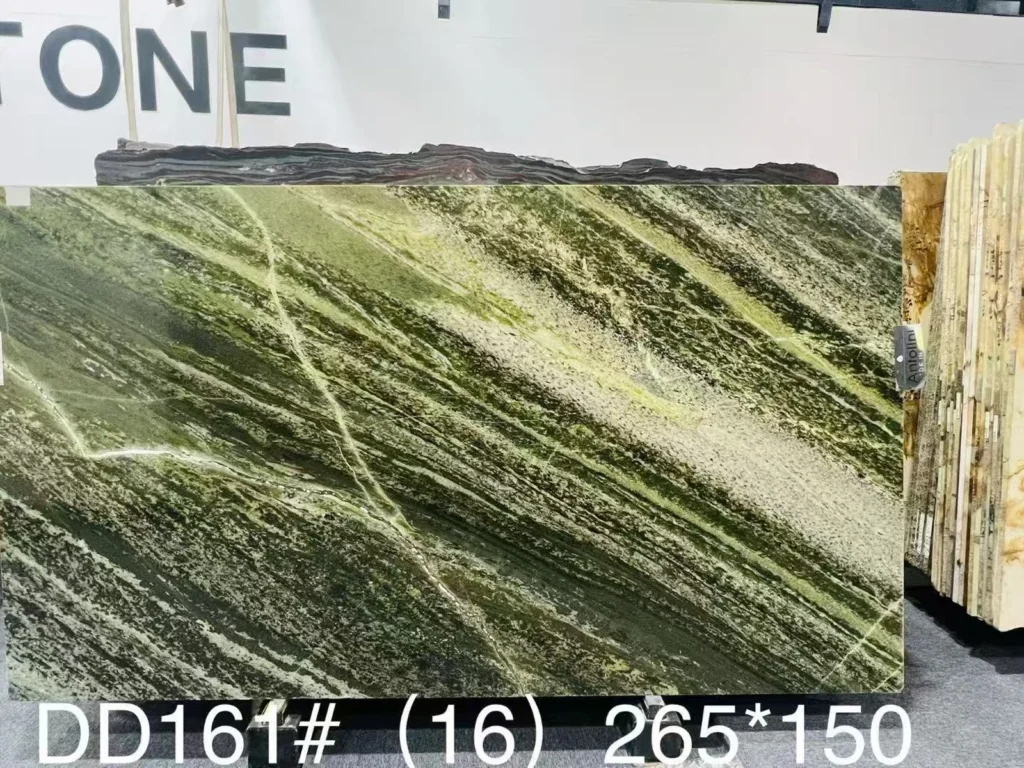
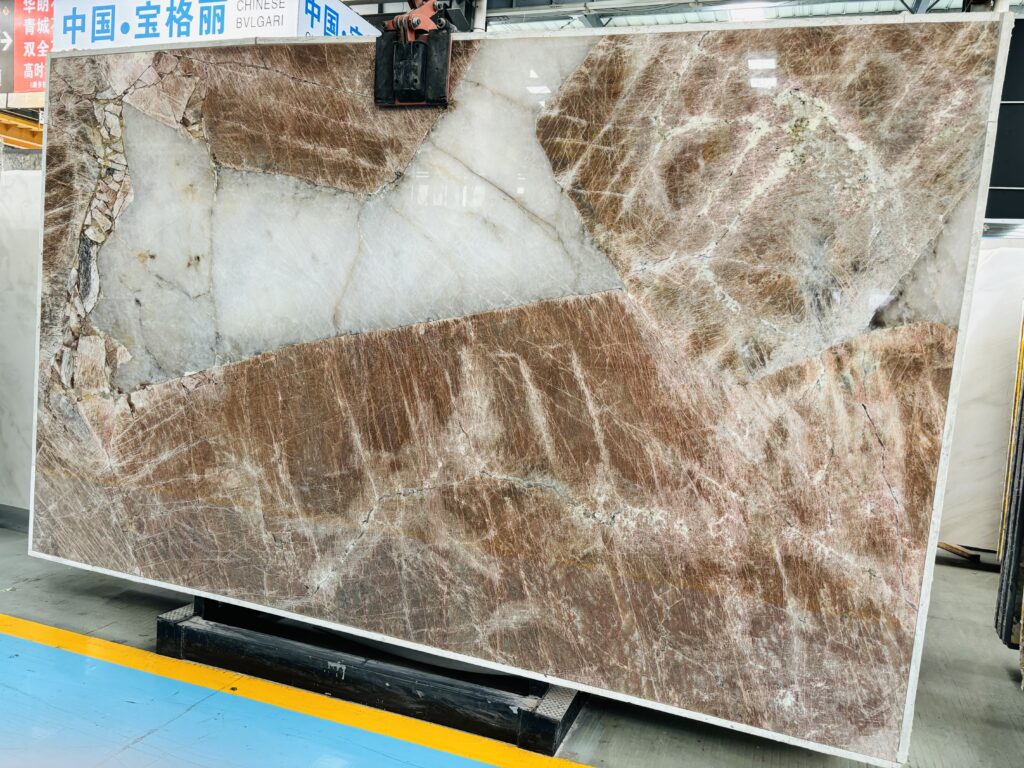
Some visually complex quartzites contain large crystal areas, contrasting mineral zones, fissures, or existing repairs that can make fabrication planning more demanding.
On these materials, the fabricator may need to review not only whether an adhesive bonds successfully but also where the joint is located relative to natural structures and existing repaired areas.
For example, our Patagonia Brown Quartzite project page specifically includes surface QC for repairs and visible resin treatment and shows why fissures, repairs, cutouts, waterfall matching, and usable slab yield need to be considered together before fabrication.
10. Create an Adhesive Approval Record
For complex fabrication or international procurement, the adhesive decision should be traceable rather than remaining in informal messages.
Record Item
What to Identify
Stone Reference
Actual slab, sample, or finished component
Treatment Condition
Known treatment or uncertainty relevant to bond area
Bond Purpose
Seam, miter, repair, installation, or other defined use
Surface Condition
Cut, prepared, repaired, treated, or other relevant condition
Candidate Product
Exact product reference and current documentation
Test / Mock-up
Sample reference and result where required
Approval
Responsible party and approved production condition
Questions to Ask Before Choosing a Quartzite Adhesive
□ What exact Natural Quartzite slab or component is involved?
amazon-green-quartzite-seam-repair-final-qc
□ Is any relevant resin treatment or repair already present?
□ Which surface will the adhesive actually contact?
□ Is the adhesive for a seam, miter, repair, or installation bond?
□ What joint geometry and visual standard apply?
□ Does current manufacturer documentation cover the actual condition?
□ What surface preparation is required?
□ Is staining, shadowing, or visible color change a concern?
□ Is a representative sample or mock-up needed?
□ Who approves the final fabrication or installation method?
Preguntas más frecuentes
1. Is quartzite resin treatment the same as a stone adhesive?
No. El tratamiento con resina puede referirse al procesamiento o al relleno de áreas de la piedra, mientras que un adhesivo puede utilizarse posteriormente para juntas, mitras, reparaciones o instalación. El proyecto debe identificar cada función por separado.
2. Can resin-treated quartzite still be bonded?
Un tratamiento, por sí solo, no determina si un posterior adhesivo es adecuado. Las cuestiones relevantes son si el tratamiento está presente en la superficie de unión real, cómo debe prepararse dicha superficie y si el fabricante del adhesivo seleccionado respalda la condición propuesta.
3. Can I choose an adhesive from the quartzite name alone?
No. Los nombres comerciales de las piedras no definen la condición exacta de la superficie, el tratamiento previo, la geometría de las juntas, el sustrato ni los requisitos de fabricación. La selección del adhesivo debe basarse en las condiciones reales del proyecto.
4. Should the same adhesive be used for seams, miters, and repairs?
No de forma automática. Se trata de condiciones de fabricación distintas, con requisitos diferentes en cuanto a geometría, apariencia, preparación y rendimiento. El producto seleccionado debe revisarse en función de su uso previsto.
5. Why is a test sample useful for some quartzites?
Una muestra representativa puede ayudar a evaluar el comportamiento de unión y los efectos visibles en la piedra real, especialmente en zonas pálidas, translúcidas, ricas en cristales, reparadas o muy visibles. Las condiciones del ensayo deben registrarse para que el resultado no sea considerado una garantía universal.
6. What information should a buyer request before approving the adhesive?
Request the actual stone reference, known treatment information, bonding purpose, surface condition, joint detail, candidate product documentation, required preparation, relevant test result, and the responsible party’s approval before production.
Final Decision Rule
Do not choose an adhesive because a slab is simply described as “resin treated.” First identify where the treatment is, which surface will be bonded, what the joint must do, what the adhesive manufacturer permits, and whether the actual stone condition needs a representative test.
For project-based Natural Quartzite fabrication, HRST STONE can help document current slab condition, visible repaired areas, cutting layouts, seams, miters, fabrication details, QC evidence, and other stone-related information before production. The final adhesive or installation method should be confirmed against the actual stone condition, current product documentation, and the responsible fabricator, installer, adhesive manufacturer, or qualified project party.
Hi, I am the author of this article. I have been working in the field of Natural Stone for more than 15 years. If you need customized Natural Stone services, please feel free to contact me.
Fabricante y proveedor de mármol, granito, cuarcita, ágata de China - HRST STONE
¡Bienvenido a HRST STONE!
Hola, me gustaría conocer más sobre sus productos. ¿Podría facilitarme información sobre precios, cantidades mínimas de pedido, opciones de personalización y muestras?