Resumen rápido
El Gran Frío (Dàhán, 大寒), que llega a finales de enero, es la última y más severa prueba dentro de los 24 términos solares—donde el extremo
aire frío y seco, junto con las implacables ráfagas invernales, ponen a prueba los verdaderos límites de los materiales de construcción.
Bajo la presión combinada de la abrasión del viento y la contracción térmica, la piedra natural se destaca. Su baja expansión térmica,
su alta densidad y su inercia física permiten que el granito, la cuarcita y otras piedras similares mantengan su estabilidad dimensional cuando los materiales más ligeros
o sintéticos se fatigan y se deforman.
Estéticamente, la piedra encarna la filosofía del “Suihan” (岁寒)—encontrar riqueza en la austeridad invernal. Su textura, masa y
luminosidad natural proporcionan un anclaje visual y psicológico durante la estación más sombría.
Estratégicamente, el Gran Frío es una ventana crítica para la selección de piedra y el “almacenamiento invernal”, asegurando que los materiales sean evaluados
contra las condiciones naturales más duras antes de que comience la construcción primaveral.
En la gran circularidad de los 24 términos solares, Frío intenso, o Dàhán (大寒), se erige como el último guardián. Llega alrededor del 20 de enero y marca la transición dramática desde el punto más bajo de congelación del año hasta la tenue chispa de la primavera. En la sabiduría tradicional china, este es un momento de extrema dualidad: el “Yang oculto” está en su estado más vulnerable, mientras que el “Yin invasor” alcanza su pico más agresivo.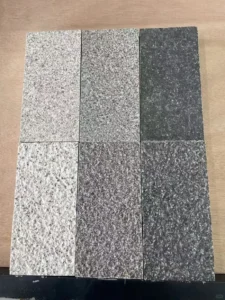
Si una estructura puede surgir del escarcha de Frío intenso sin compromisos, es un testimonio de la calidad de sus cimientos. En este ciclo de finales y comienzos, piedra natural es más que un material soberano; es la roca firme e inmutable sobre la cual construimos con confianza el futuro, justo en el umbral del nuevo año.
La física de la permanencia: la piedra frente a la frontera final del viento
El desafío definitorio de Frío intenso no es solo la caída vertiginosa de la temperatura, sino también la implacable y mordaz ráfaga de viento. Los textos antiguos describen este período como la “Gran Ráfaga”, donde la escarcha arrastrada por el viento actúa como un abrasivo mecánico contra el entorno construido.
Los paneles sintéticos y el revestimiento de madera a menudo tienen dificultades con el coeficiente de expansión térmica durante estos cambios erráticos. A medida que las temperaturas bajan bruscamente por la noche y suben bajo el sol invernal, los materiales sufren contracciones y expansiones frenéticas, lo que provoca deformaciones y fatiga. Piedra natural, sin embargo, posee una inercia física casi absoluta. Si Frío intenso es la “frontera final” del rendimiento de la construcción, entonces la baja expansión térmica de la piedra es el vigilante silencioso y firme que protege esa frontera. Una fachada de granito o una escalera de cuarcita permanecen dimensionalmente estables, demostrando que la verdadera integridad arquitectónica se encuentra en materiales que se niegan a moverse.
La estética del “Suihan”: la piedra natural como ancla del invierno
Existe una belleza profunda en la estética del “Suihan” (岁寒)—la elegancia que se encuentra en la desolación. Esta estética alcanzó su apogeo en los paisajes de bosques fríos de las pinturas de la dinastía Song, donde, tras eliminar el follaje efímero, la estructura rugosa de las montañas se convirtió en el único ancla espiritual.
En un espacio de lujo moderno, piedra natural hereda esta sabiduría oriental de “riqueza en la sencillez”. Durante los días más grises de Frío intenso, la piedra sirve como ancla visual y psicológica:
-
Textura sobre color: Cuando el mundo es monocromático, la riqueza táctil de la piedra con acabado abrillantado o flameado proporciona una profundidad sensorial que las superficies sintéticas no tienen.
-
El cuarto amigo silencioso: Junto a los “Tres amigos del invierno” (pino, bambú y ciruela), la piedra actúa como el cuarto compañero silencioso, proporcionando un telón de fondo permanente que captura y amplifica la rara y débil luz invernal, combatiendo la melancolía estacional con su luminosidad natural.
La medicina tradicional china del hogar: un “tónico invernal” material”
Del mismo modo que Medicina tradicional china (MTC) prescribe tónicos calentadores como el jengibre y la carne de cordero para “nutrir el Yang oculto” durante Frío intenso, elegir los materiales adecuados es una forma de “tónico invernal” para el hogar.
Incorporar un chimenea de piedra hecha a medida o un muro central de piedra es el equivalente arquitectónico de un impulso interno de energía. Debido a que la piedra es superior masa térmica, absorbe el calor y lo libera con una frecuencia suave y constante. Este calor radiante es la manifestación física de “almacenar Yang”. A diferencia del aire abrasivo y seco de la calefacción mecánica, un hogar de piedra proporciona un calor suave y “nutritivo” que mantiene la comodidad de los habitantes durante las noches más duras del año.
Selección estratégica: el ritual de la ventana del Gran Frío 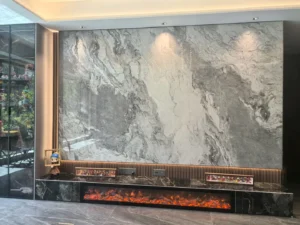
En el comercio de piedra, el Frío intenso período es mucho más que una pausa en la construcción; es una ventana estratégica de alto riesgo. Este es el momento para una selección deliberada y el “almacenamiento invernal” de materiales.
Esto no es solo una compra; es un ritual estratégico de previsión. En la quietud del invierno profundo, completar tu selección de piedra significa que, cuando suene la primera trompeta de la primavera, tu proyecto ya cuenta con el “balance militar” más confiable (Bīngfú)—materiales que han sido evaluados según los más altos estándares de la helada. Al asegurar tu inventario ahora, obtienes una doble ventaja de tiempo y calidad garantizada, asegurando que tu proyecto comience su vida sobre una base que ya ha sobrevivido a lo peor que la naturaleza puede ofrecer.
Preguntas frecuentes: Mantener la excelencia de la piedra en el invierno más intenso
1. ¿Puede el Gran Frío hacer que la piedra natural se agriete? Solo en materiales de baja calidad o instalados incorrectamente. La alta densidad piedra natural con una tasa de absorción de agua inferior a 0,5% es prácticamente inmune a la helada. Asegurar un sellado adecuado antes del Frío intenso umbral es la mejor manera de mantener esta inmunidad.
2. ¿Es seguro usar sales descongelantes en las escaleras de piedra? Recomendamos evitar las sales químicas agresivas, que pueden causar picaduras en las piedras porosas. Para Frío intenso el mantenimiento, recomendamos usar arena para mejorar la tracción o recurrir a acabados flameados antideslizantes que proporcionan agarre natural sin intervención química.
3. ¿Por qué se considera que la piedra es más “ecológica” durante una helada? Su inercia térmica significa que una casa de piedra requiere ciclos de calefacción menos frecuentes. Retiene su “carga” de calor durante más tiempo que cualquier otro material de construcción común, reduciendo significativamente la huella de carbono durante el mes de enero, cuando la demanda de energía es máxima.
4. ¿Cómo afecta la “Gran Ráfaga” del Gran Frío al revestimiento de piedra? La masa de la piedra la hace naturalmente resistente a las vibraciones provocadas por el viento. Mientras que los materiales más livianos pueden traquetear o “zumbar” en una tormenta, la piedra proporciona un entorno silencioso y libre de vibraciones, lo cual es un componente clave del confort psicológico en las viviendas de lujo.
5. En comparación con el Frío Menor, ¿qué debo priorizar al seleccionar piedra para el Frío Mayor? Mientras que el Frío Menor pone a prueba los ciclos de “congelación-descongelación”, Frío intenso exige estabilidad frente a la erosión eólica y confort sensorial en climas secos y fríos. Es fundamental enfocarse en la densidad estructural para resistir la arena arrastrada por el viento y considerar acabados mates o pulidos que transmitan solidez y grounding bajo el sol invernal.
Conclusión: Una filosofía de confianza absoluta
Frío intenso es el punto final al término de la sentencia del año, pero también es el dos puntos que introduce la primavera. No se trata de un final, sino de una exigente prueba de presión diseñada para filtrar lo efímero y dejar solo lo eterno.
Piedra natural, con su memoria que se extiende a lo largo de eones geológicos, afronta esta interrogación estacional con absoluta serenidad. Nos enseña no a combatir el frío, sino a cultivar la estabilidad interior necesaria para transformar cada prueba en una demostración de valor. Cuando eliges piedra, no estás simplemente escogiendo un material de construcción; estás adoptando una filosofía de resistencia y una confianza absoluta en el futuro.
Referencias y enlaces externos