Introducción: La llegada del Heraldo de Invierno
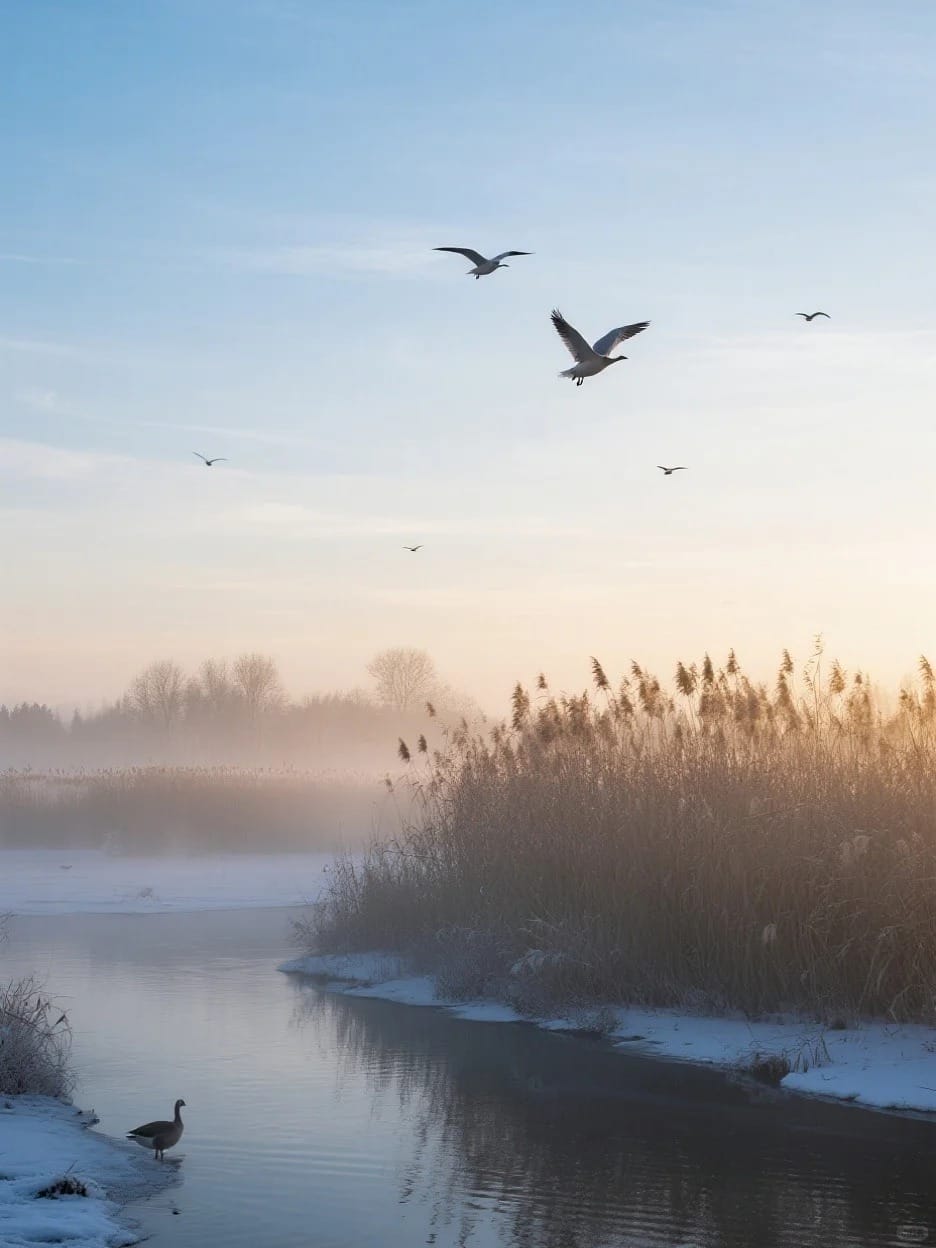
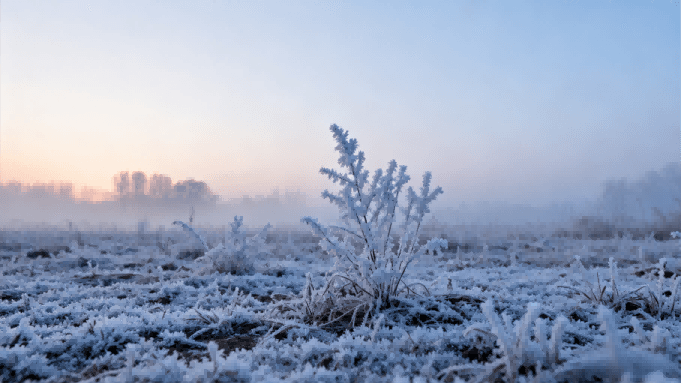
A principios de noviembre, el aire frío anuncia la llegada del invierno. Comienzo del invierno (“Lidong” en chino), el 19º de los 24 trimestres solares de China y el comienzo oficial de la estación fría. No se trata de un mero cambio meteorológico, sino de un pilar cultural que ha guiado la vida de los chinos durante milenios. Imagínese despertarse con la hierba acariciada por la escarcha, el comentario cómplice de un vecino sobre “comida abundante” y la repentina necesidad de abrigarse: estos momentos reflejan la intuición con la que la gente acoge este período solar.
Enraizados en un calendario lunisolar, los 24 términos solares tienden un puente entre la astronomía y la vida cotidiana. El principio del invierno es un recordatorio de que hay que armonizar con la naturaleza, apreciar a la familia y dar prioridad al cuidado de uno mismo.
¿Qué es el comienzo del invierno?
Fundamentos astronómicos y temporales
Astronómicamente, Comienzo del invierno se produce cuando el Sol alcanza los 225° de longitud en su trayectoria eclíptica. Este cambio celeste reduce la radiación solar en el hemisferio norte, acortando los días y alargando las noches, razón fundamental por la que marca el comienzo del invierno. Los caracteres “Li” (comienzo) y “Dong” (invierno) reflejan esta transición, ya que la naturaleza entra en un periodo de letargo y almacenamiento.
Normalmente cae entre el 7 y el 8 de noviembre, aunque la regla de los “19 años y 7 meses bisiestos” del calendario lunisolar chino puede cambiarla un día. Independientemente de pequeñas variaciones, sigue siendo una señal universalmente esperada de la llegada del invierno.
Importancia cultural y costumbres tradicionales
Raíces espirituales y rituales ancestrales
Durante siglos, fue una de las “cuatro estaciones y ocho festivales” de China. sacrificios y celebración. Durante la dinastía Zhou, los emperadores dirigían grandes “ceremonias de bienvenida al invierno” en los suburbios del norte, rezando por una estación pacífica y una cosecha abundante, lo que reflejaba una profunda reverencia por la armonía entre el hombre y la naturaleza.
Espiritualmente, simboliza conservación de la energía y introspección. A medida que la naturaleza se ralentiza, se anima a la gente a reponer fuerzas física y mentalmente, reflexionando sobre el año transcurrido y preparándose para los retos del invierno.
Costumbres regionales: La comida como tradición
Norte de China: El ritual de las bolas de masa
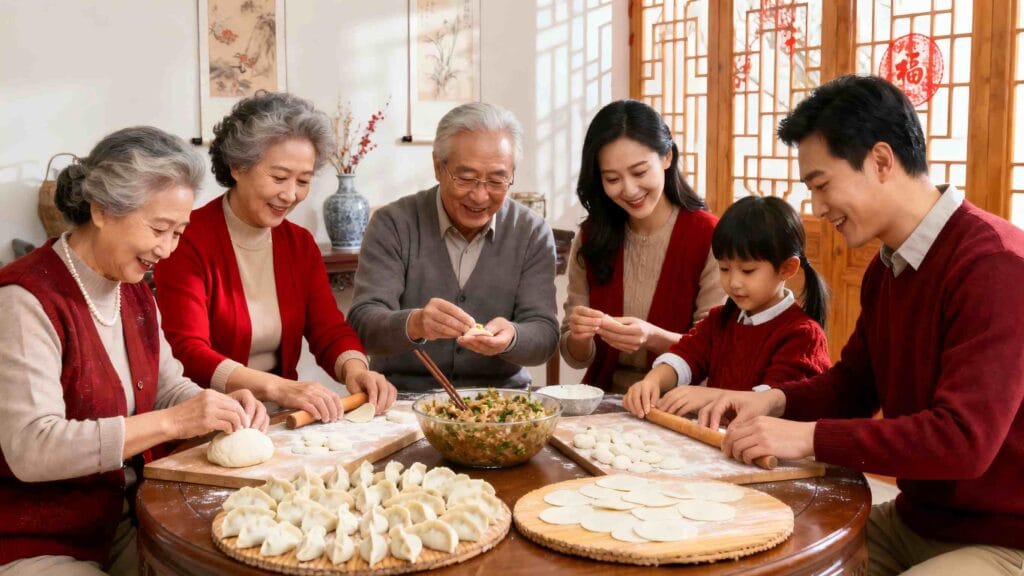
En Pekín y Tianjin, bolas de masa no son negociables. La tradición se basa en la creencia de que su forma de oreja protege contra la congelación. Más simbólicamente, “jiaozi” (bola de masa) es sinónimo de “transición”, que marca el final del otoño y el comienzo del invierno. Hacer dumplings es un asunto familiar: los abuelos enseñan a los nietos, los miembros colaboran en la masa y los rellenos, reforzando los lazos y transmitiendo la cultura.
Sur de China: Sopas tónicas y platos calientes
Guangdong se centra en sopas calientes de hierbas, cocinado a fuego lento con ginseng, astrágalo, y carne para reforzar la inmunidad. En Fujian y Taiwán, pato al jengibre (pato guisado con jengibre picante) disipa el frío, mientras que las familias de Chaoshan disfrutan del arroz frito con castañas, celebrando las cosechas estacionales. En Shaoxing, el tiempo frío, ideal para la fermentación, hace que sea el día perfecto para preparar vino de arroz amarillo, almacenados para festivales o para calentarse en invierno.
Consejos prácticos: Adaptarse a la llegada del invierno
Ajustes del estilo de vida
La sabiduría tradicional aconseja “acostarse pronto y levantarse tarde”, es decir, alinear el sueño con días más cortos para maximizar el descanso. Ejercicios ligeros como caminar rápido o Tai Chi favorece la circulación sin sobreesfuerzos; un paseo de 30 minutos en días soleados levanta el ánimo y calienta el cuerpo.
Recomendaciones dietéticas
Los alimentos calientes son la clave. Cordero, rico en proteínas, es un alimento básico de invierno, que se sirve como olla caliente o estofado. Jengibre (en té o cocido) estimula el flujo sanguíneo, mientras que azufaifos (dátiles chinos) nutren la sangre y aumentan la vitalidad. Sésamo negro (en pasta o gachas) y las hortalizas de raíz (rábanos, boniatos) aportan energía y nutrientes. El equilibrio es crucial: evita los alimentos crudos y fríos, que debilitan la energía yang, e incluye frutas como las naranjas para obtener vitaminas.
Cuidados de la piel para el aire seco del invierno
El aire frío reseca la piel: utilice cremas hidratantes con ácido hialurónico o glicerina, y bebe más de 8 vasos de agua al día. Los alimentos ricos en vitaminas A (zanahorias) y C (naranjas) favorecen la salud de la piel desde el interior.
Conocimientos científicos y tendencias actuales
El término solar se ajusta a la realidad científica. La Administración Meteorológica de China (
CMA) confirman un acusado descenso de las temperaturas después de Lidong: las regiones septentrionales registran las primeras heladas, mientras que las meridionales descienden gradualmente.
Los estudios demuestran que el metabolismo aumenta 10-15% cuando hace frío, lo que justifica que la cultura se centre en los alimentos que calientan. Éstos aportan las calorías necesarias para mantener la temperatura corporal, como demuestra la capacidad del cordero para generar calor.
Las tendencias modernas reflejan su pertinencia duradera: los kits de sopa envasados “Comienzo del invierno” vuelan de las estanterías, los balnearios ofrecen baños de hierbas y el contenido digital cultural aumenta 40% (análisis de 2024). Las marcas aprovechan su temática -las empresas de alimentación promocionan tónicos calientes, las marcas de moda lanzan colecciones de invierno- combinando tradición y comercio.
Comienzo del invierno vs. Solsticio de invierno: Principales diferencias
Aunque ambos son vitales, difieren notablemente. El Comienzo del Invierno (7-8 de noviembre) da comienzo al invierno; el Solsticio de Invierno (21-23 de diciembre) es el día más corto, marca el pico del frío y los “Nueve-Nueve Días Fríos”. Culturalmente, el Solsticio es un “festival de invierno” con tangyuan (bolas de arroz glutinoso) para el reencuentro, mientras que el Lidong se centra en la transición y la preparación.
PREGUNTAS FRECUENTES: Respuestas a las preguntas más frecuentes
-
¿Qué es el comienzo del invierno en términos solares chinos? Es el decimonoveno de los 24 términos solares de China, que marca el comienzo oficial de la estación invernal.
-
¿Cuándo suele empezar el invierno cada año? Suele caer entre el 7 y el 8 de noviembre, con pequeños cambios según el calendario lunisolar chino.
-
¿Significa el comienzo del invierno una bajada inmediata de las temperaturas? Suele señalar el inicio de una tendencia al enfriamiento, pero es posible que las temperaturas no desciendan bruscamente de inmediato, sobre todo en las regiones meridionales, donde el clima se mantiene templado durante un breve periodo.
-
¿Qué alimentos se recomienda comer a principios de invierno? Se recomiendan alimentos calientes como cordero, jengibre, azufaifas (dátiles chinos), albóndigas y sopas tónicas nutritivas.
-
¿Pueden las personas que viven fuera de China seguir las costumbres del Comienzo del Invierno? Absolutamente. Las prácticas dietéticas y de autocuidado asociadas a este término solar son adaptables a cualquier clima frío y pueden seguirse fácilmente en todo el mundo.
Conclusiones: Abrazar la sabiduría del invierno
El comienzo del invierno es más que una fecha: es una guía para vivir en armonía con las estaciones. Sus costumbres, desde las albóndigas hasta las sopas, fomentan la conexión; sus consejos para el bienestar se ajustan a las necesidades científicas; su enfoque espiritual fomenta el equilibrio. En la vida moderna, tiende un puente entre el pasado y el presente, recordándonos que debemos bajar el ritmo, apreciar a la familia y prepararnos para el invierno con calidez.
A medida que la escarcha se asienta, abraza su sabiduría: saborea un plato de sopa caliente, da un paseo soleado o reúnete con tus seres queridos. Deja que este periodo solar sea tu puerta de entrada a un invierno sano y satisfactorio.
Referencias
-
-
Li, X. (2023). 24 Términos solares: Patrimonio cultural y actualidad. Revista de Estudios Culturales Chinos, 45(2), 78-92.
-
Centro Nacional de Protección del Patrimonio Cultural Inmaterial. (2022). Comienzo del invierno: Rituales y costumbres. Beijing: Cultural Relics Press.
Descripción Meta: Descubra el comienzo del invierno, el decimonoveno trimestre solar chino. Conozca sus raíces astronómicas, las tradiciones de los dumplings del norte, las sopas tónicas del sur, consejos para el bienestar invernal y conocimientos científicos: su guía para recibir el invierno con calidez.