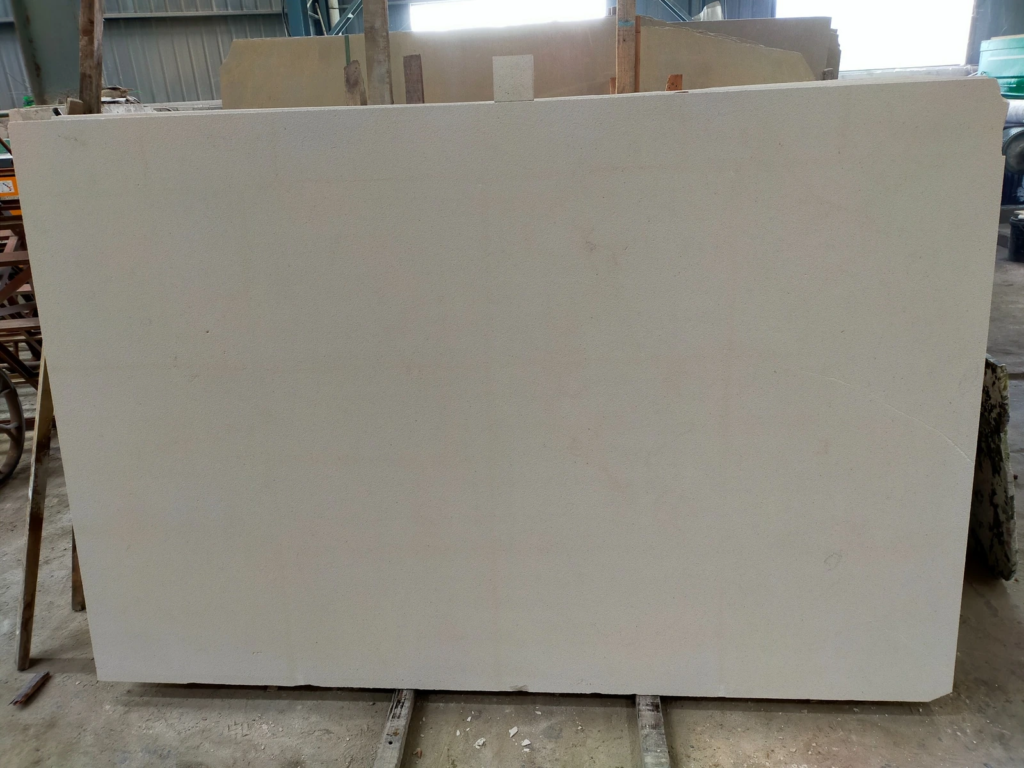
Wenn es um Baumaterialien geht, die den Test der Zeit bestehen, bleibt STEIN unübertroffen. Ob für architektonische Fassaden, luxuriöse Innenräume oder langlebige öffentliche Bauwerke – Naturstein wird wegen seiner ästhetischen Attraktivität, seiner Haltbarkeit und seiner einzigartigen Muster geschätzt. Doch welche unterschiedlichen Arten von NaturSTEIN gibt es genau? Wie werden sie klassifiziert und benannt? Welche praktischen Anwendungen und charakteristischen Merkmale weisen Granit, Marmor, Kalkstein, Schiefer und weitere auf?
In diesem umfassenden Leitfaden beantworten wir all Ihre Fragen und beleuchten die Grundlagen von STEIN-Materialien – von der geologischen Zusammensetzung bis hin zur modernen Gestaltung. Präsentiert von HRST STEIN, einem führenden Namen in der globalen Steinindustrie.
Klassifizierung natürlicher STEIN-Materialien
Nach Angaben der American Society for Testing and Materials (ASTM) wird natürlicher dekorativer STEIN im Allgemeinen in sechs Hauptkategorien unterteilt:
- Granit (G)
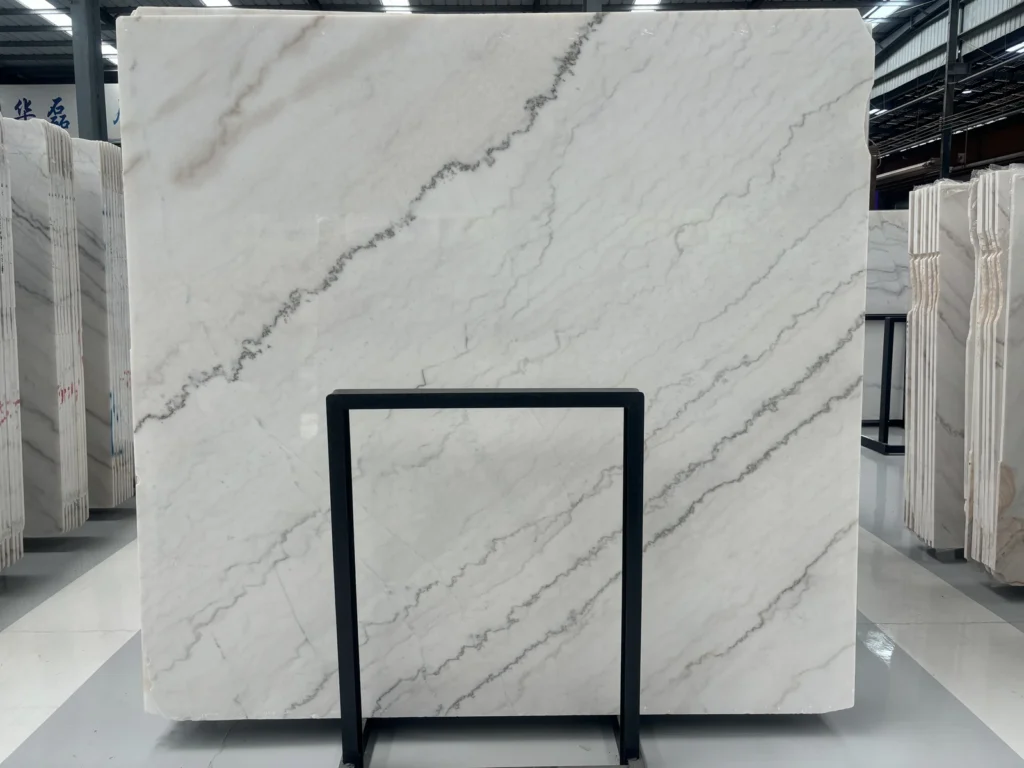
- Marmor (M)
- Kalkstein (L)
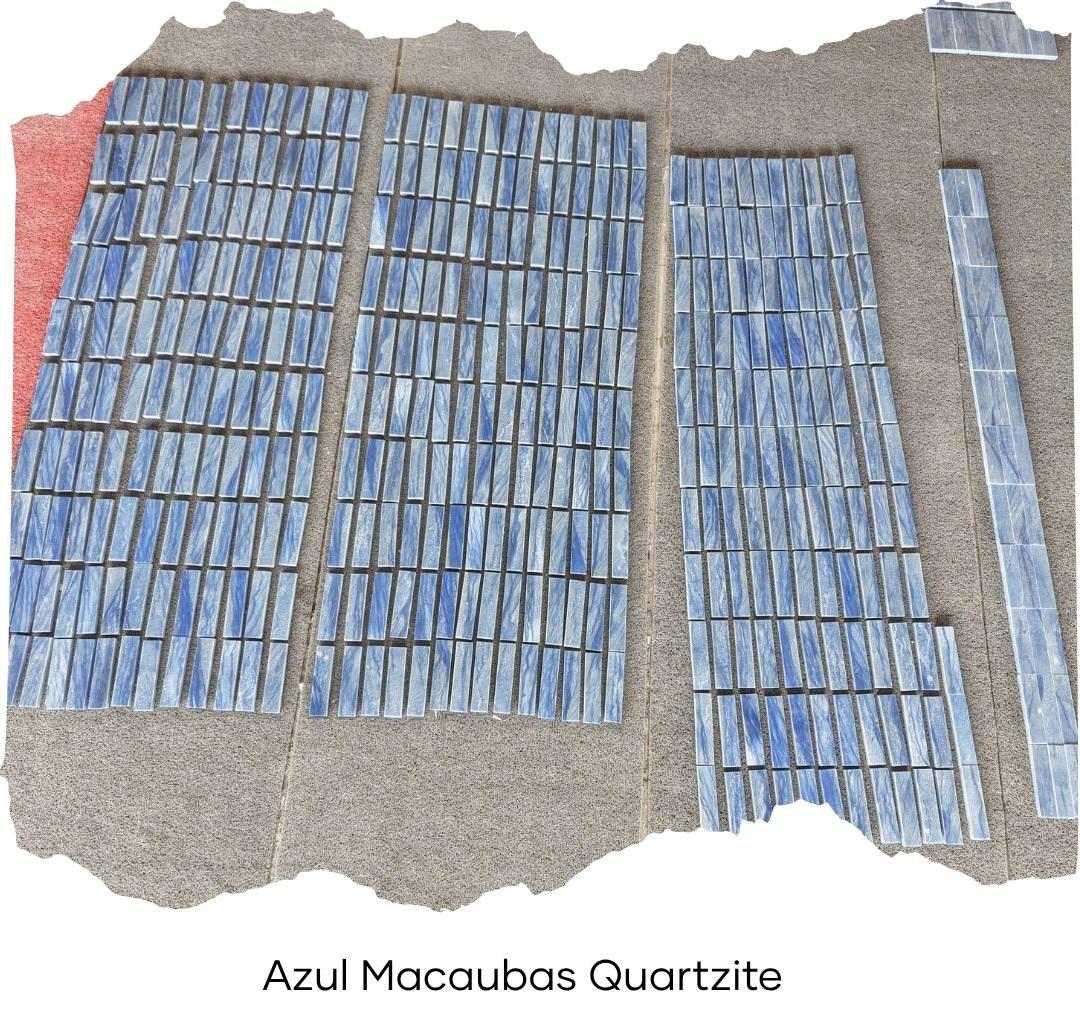
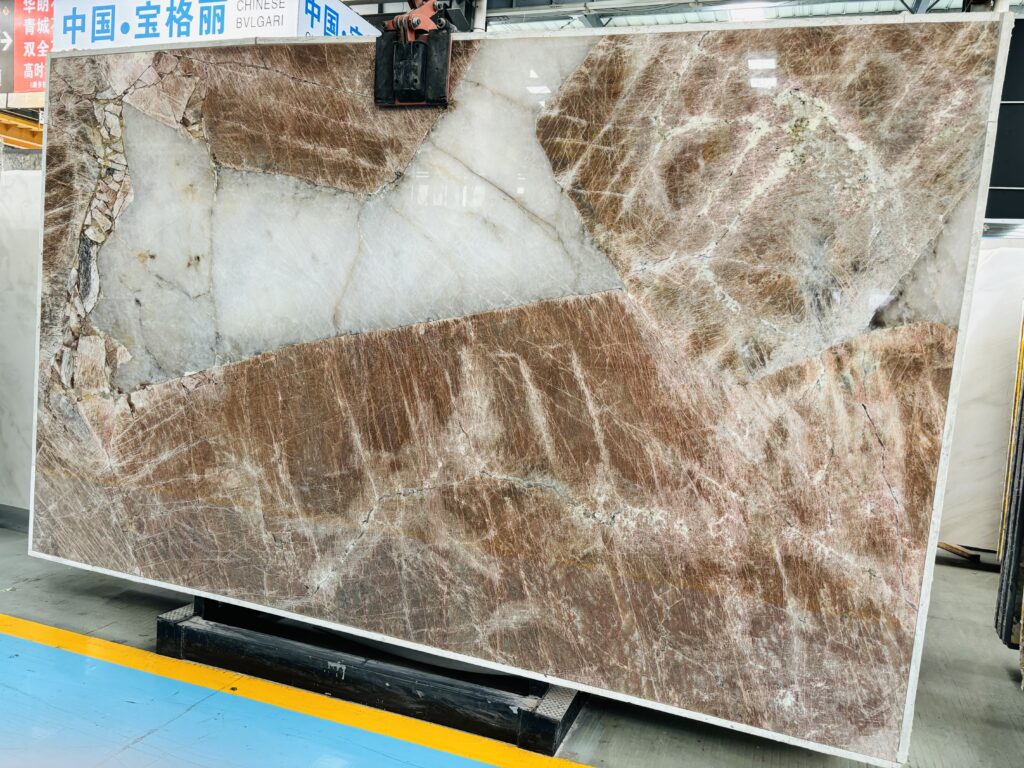
- Quarzgesteins-Stein (Quarzit)
- Schiefer (S)
- Andere Natursteine (z. B. Sandstein)
Jede Kategorie verfügt über spezifische Eigenschaften und Anwendungsbereiche und eignet sich somit für unterschiedliche Einsatzgebiete in Bau und Design
Wie NaturSTEIN zu seinem Namen kommt
Die Namen von NaturSTEIN spiegeln häufig eine Kombination verschiedener Faktoren wider:
- Farbe und Muster: So beschreiben Bezeichnungen wie “Goldene Spinne” oder “Tintenader” etwa visuelle Merkmale.
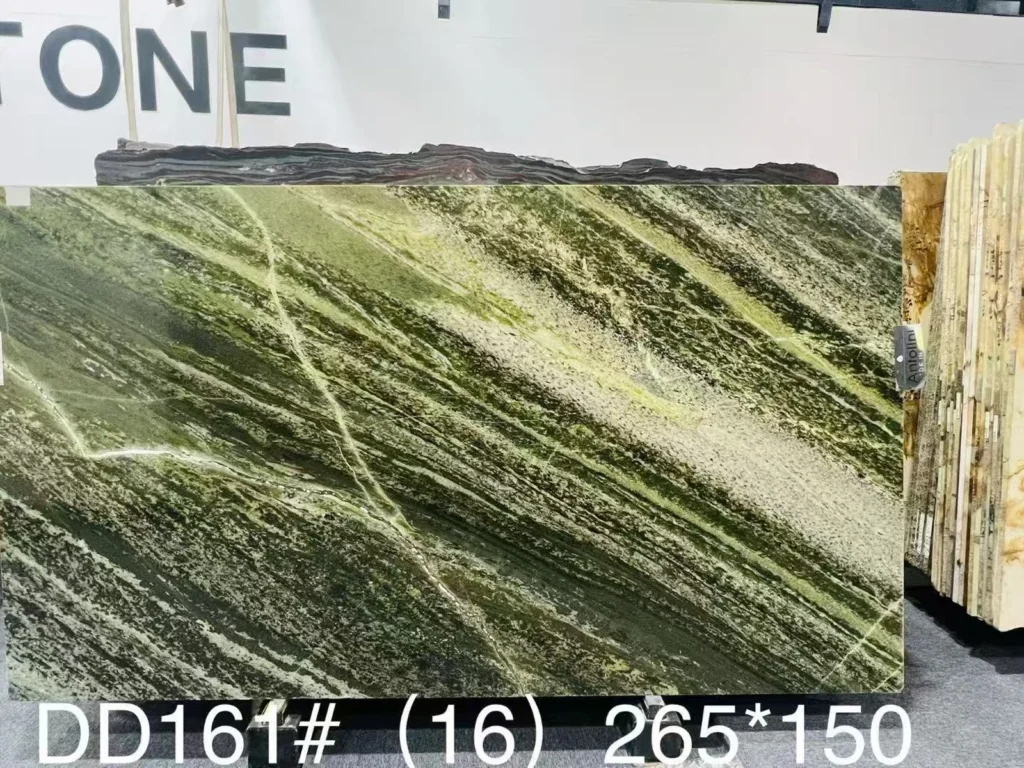
- Herkunft: Viele Steine sind nach ihrem Herkunftsort benannt, etwa “Indischer Schwarz” oder “Brasilianisches Grün”.”
- Marketing‑Anziehungskraft: Namen werden zudem aufgrund ihres poetischen, symbolischen oder exotischen Flairs gewählt, etwa “Ursprung des Lebens” oder “Buddhas Licht”.”
Hinweis: Einige Steinnamen können irreführend sein. So stammt etwa “Französisch Beige” tatsächlich aus Indonesien.
Wichtige mineralische Zusammensetzungen in STEIN
Natursteine bestehen aus verschiedenen Mineralien, die durch geologische Prozesse entstanden sind. Zu den häufigsten gehören:
- Quarz
- Feldspat
- Glimmer
- Calcit
- Dolomit
- Serpentin
Diese Mineralien bestimmen die Härte, Porosität, das Erscheinungsbild sowie die chemische Beständigkeit des Steins.
Gängige STEIN-Arten und ihre Merkmale
Granit
Zusammensetzung: Quarz, Feldspat und Glimmer (Quarz 20–40%, Feldspat 40–60%)
Merkmale:
- Hohe Härte und Festigkeit
- Geringe Porosität und Wasseraufnahme
- Beständigkeit gegen Säuren und Witterungseinflüsse
- Schwierig zu bearbeiten, bietet jedoch lang anhaltenden Glanz
Anwendungen:
- Innenböden und -wände
- Außenpflasterungen und Denkmäler
- Brücken, Fundamente, Pfeiler
Marmor
Zusammensetzung: Calcit, Dolomit, Serpentin
Merkmale:
- Weicher als Granit
- Einzigartige, fließende Muster
- Höhere Porosität, leichter zu bearbeiten
Anwendungen:
- Skulpturen und Dekorationselemente
- Arbeitsplatten, Badezimmer und Akzentwände
Kalkstein
Zusammensetzung: Überwiegend Calcit
Merkmale:
- Weich und relativ leicht zu schnitzen
- Sehr reaktiv gegenüber Säuren
- Warme Farbtöne (grau, creme, beige)
Anwendungen:
- Außenfassaden, Kamine
- Traditionelle und klassische Architektur
Quarzit vs. Quarzstein 
- Quarzit: Natürliches metamorphes Gestein, sehr hart und widerstandsfähig
- Quarzstein (engineered): Künstlich hergestellt aus über 90% Quarz gemischt mit Harz
Wesentlicher Unterschied: Quarzit ist natürlich; Quarzstein ist künstlich.
Schiefer
Merkmale:
- Entsteht durch sedimentäre Kompression
- Lässt sich leicht in Platten spalten
- Dunkle, erdige Töne
Anwendungen:
- Dachdeckung, Bodenbeläge, Außenpflasterungen
Künstliche Steine und Mosaike
- Künstlicher Stein: Hergestellt aus Harzen, Pigmenten, Zement und Steinpartikeln
- Mosaikfliesen: Oft gefertigt aus Reststeinen oder speziell zugeschnittenen Steinen
Arten von Steinmosaiken:
- Geformte Mosaike
- Kleinteilige Mosaike
- 3D‑strukturierte Mosaike
- Mosaike mit gebrochener Oberfläche
- Teppich‑Stil‑Mosaike
- Schloss‑Ziegel
Häufig gestellte Fragen (FAQs)
F1: Ist Granit für den Außenbereich besser geeignet als Marmor?
A: Ja. Granit ist weniger porös, witterungsbeständiger und besser für den Außeneinsatz geeignet.
F2: Wie erkenne ich, ob ein Stein natürlich oder künstlich ist?
A: Natürliche Steine weisen unregelmäßige Muster auf und können mineralische Adern enthalten. Künstliche Steine zeigen häufig Luftblasen oder Formlinien.
F3: Sind alle Steinnamen an ihr Herkunftsland gebunden?
A: Nicht immer. Zwar sind viele nach ihrem Ursprungsland benannt, doch manche populären Namen werden eher aus kreativen Gründen gewählt, um die Attraktivität zu steigern, statt der tatsächlichen Herkunft zu entsprechen.
F4: Welche Vorteile bietet die Verwendung natürlicher Steine in der Innenarchitektur?
A: Einzigartige Texturen, zeitlose Schönheit, Umweltfreundlichkeit sowie eine Wertsteigerung der Immobilie.
F5: Welche Oberflächenbearbeitungen stehen für Steine zur Verfügung?
A: Poliert, geschliffen, gebürstet, geflammt und wassergetrieben (z. B. Wasserstrahl‑Oberfläche verleiht durch Hochdruckwasser zusätzliche Struktur).
Designklassifizierung – ästhetische Perspektive
Neben geologischen Typen werden Steine häufig nach Farbtönen in der Architektur eingeteilt:
- Weiße Serie
- Beige/Gelbe Serie
- Graue Serie
- Blaue Serie
- Grüne Serie
- Rote Serie
- Braune Serie
- Schwarze Serie
- Spezialfarben (mehrtönig oder irisierend)
Dies hilft Designern, die Ästhetik des Steins optimal an die Gesamtfarbpalette des Raumes anzupassen.
Warum HRST STONE wählen?
- 🌍 Globale Reichweite: Wir beziehen und liefern hochwertige Steine weltweit
- 🏭 Direkte Fabrik: Die eigene Produktion sichert wettbewerbsfähige Preise
- 🛠️ Individualisierung: Maßgeschneiderte Lösungen für Wohn‑ und Gewerbeprojekte
- 🎨 Designunterstützung: Eine breite Palette an Mustern, Farben und Oberflächenbearbeitungen
- 📦 Zuverlässige Logistik: Schnelle Lieferung und internationaler Versand
HRST STEIN bringt die Natur elegant und nachhaltig in Ihr Leben.
Abschluss
Die Welt der STEINE zu verstehen bedeutet mehr als nur ihre Namen zu kennen – es geht darum, Geschichte, Geologie und Design zu schätzen. Von der Stärke des Granits über die Eleganz des Marmors bis hin zur Brillanz des Quarzits erzählt jeder STEIN seine eigene Geschichte.
Welcher STEIN passt also zu Ihrem Projekt? Das hängt von Ihren Bedürfnissen, Ihrer Vision und der fachkundigen Beratung durch Branchenführer wie HRST STONE ab.
✨ Entdecken Sie mehr: www.quartzite-stone.com
📩 Email: assistant@hrststone.com
📱 WhatsApp: +86 13685922793