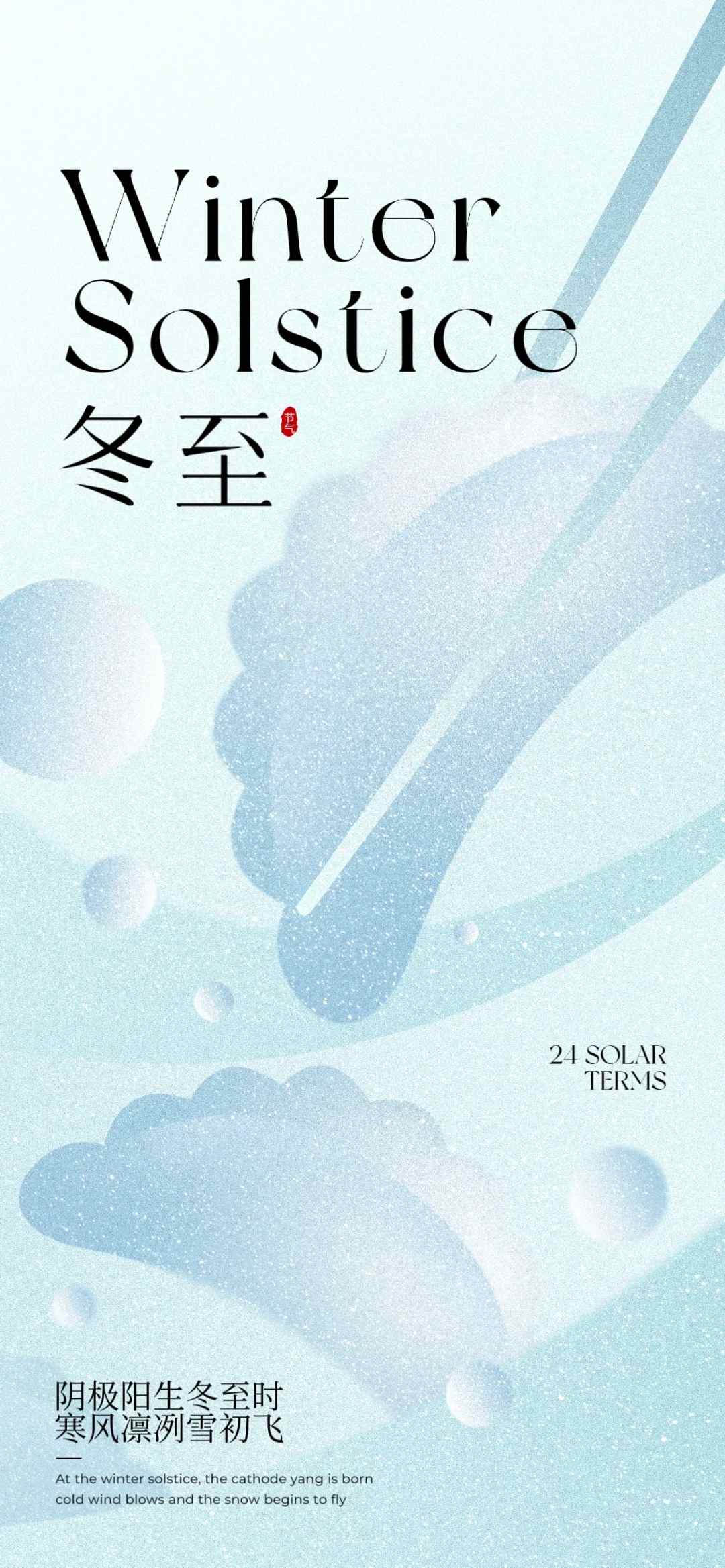
Im großen Zyklus des chinesischen Mondkalenders hat kein Sonnenbegriff so viel emotionales und philosophisches Gewicht wie der Wintersonnenwende. In Mandarin bekannt als Dōngzhì (冬至), was “Ankunft des Winters” bedeutet, ist der 22. 24 Solarbegriffe. Während viele Kulturen den kürzesten Tag des Jahres mit einem Gefühl der Beklemmung feiern, betrachtet die chinesische Tradition den Wintersonnenwende als einen entscheidenden Wendepunkt - einen Moment, in dem die extreme Kälte ihren langsamen Rückzug antritt und den Weg für die unvermeidliche Rückkehr von Wärme und Vitalität frei macht. In der Tat gibt es ein altes Sprichwort: “Dōngzhì dà rú nián“Das bedeutet: “Die Wintersonnenwende ist genauso wichtig wie das Mondneujahr”.”
Die Astronomie der Wintersonnenwende
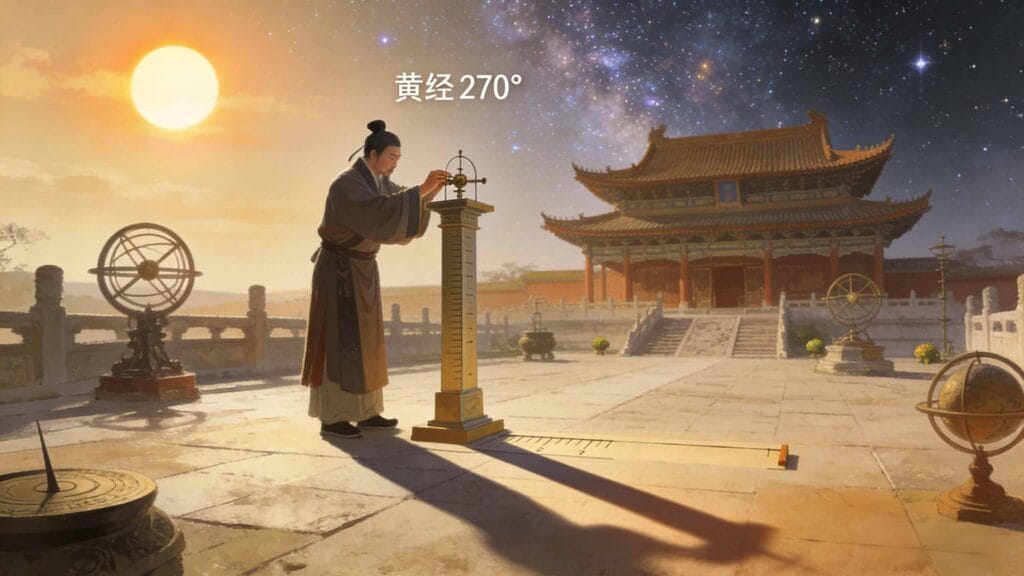
Wissenschaftlich gesehen, ist die Wintersonnenwende tritt ein, wenn die Sonne eine himmlische Länge von $270^\circ$. In der nördlichen Hemisphäre ist dies der kürzeste Tag und die längste Nacht des Jahres. Für die alten chinesischen Astronomen, die den Himmel sehr genau beobachteten, war dies der Zeitpunkt, an dem die Yin Energie (die für Dunkelheit, Kälte und Stille steht) ihren absoluten Zenit erreicht.
Die Schönheit der chinesischen Philosophie liegt jedoch in ihrer Dualität. Gleich in der ersten Sekunde Yin Höhepunkt erreicht hat, beginnt sie zu schwinden, und der erste Funke der Yang (Licht und Wärme) wiedergeboren wird. Dies macht die Wintersonnenwende ein Fest der Hoffnung. Von diesem Tag an werden die Tage allmählich länger, und die Reise zum Frühling beginnt offiziell. Im Jahr 2025 beobachten wir diese Verschiebung am 21. oder 22. Dezember, was einen Zeitraum markiert, in dem die “Neun Neun-Tage-Einheiten” des Winters ihren Countdown beginnen.
Kulinarische Traditionen: Die große Klößchen-Tangyuan-Kluft
Wenn Sie die kulturelle Geografie Chinas verstehen wollen, brauchen Sie sich nur an den Esstisch des Wintersonnenwende. Das Land ist bekanntlich durch eine freundschaftliche kulinarische Rivalität zwischen dem Norden und dem Süden geteilt.
1. Nordchina: Knödel und Gehörschutz
Im Norden ist die Wintersonnenwende ist gleichbedeutend mit Knödel (Jiǎozi). Diese Tradition ist in der medizinischen Folklore verankert. Die Legende besagt, dass der berühmte Arzt Zhang Zhongjing in einem besonders strengen Winter arme Dorfbewohner sah, die an erfrorenen Ohren litten. Er kochte eine Ladung Lammfleisch, Paprika und wärmende Kräuter, wickelte sie in Teigreste in Form von Ohren und gab sie den Leuten zu essen. Heute essen die Menschen im Norden Knödel, um “ihre Ohren zu wärmen”, weil sie glauben, dass das Auslassen dieser Mahlzeit während der “Drei Neun-Tage-Kälte” zu Erfrierungen führen könnte.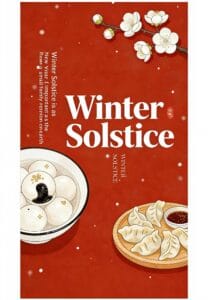
2. Südchina: Tangyuan und die Einheit der Familie
Südlich des Jangtse-Flusses versammeln sich die Familien, um sich zu wälzen. Tangyuan-süße, klebrige Reisbällchen, gefüllt mit schwarzem Sesam oder roter Bohnenpaste. Die runde Form der Tangyuan und die Schalen, in denen sie serviert werden, symbolisieren Tuányuán (Wiedervereinigung) und Ganzheitlichkeit. In einigen Regionen werden diese Leckereien sogar als Opfergaben für die Ahnen verwendet, bevor sie von den Lebenden genossen werden, um das Band zwischen den Generationen in der dunkelsten Nacht des Jahres zu stärken.
3. Hammelfleischsuppe und rote Bohnen
Neben den “großen Zwei” gibt es noch weitere regionale Köstlichkeiten wie die Hammelsuppe von Suzhou und Ningxia, die den inneren Organen einen Hitzeschub verpasst. In einigen Teilen der Region Jiangnan verzehren die Menschen roten Bohnenbrei, um “böse Geister” und Seuchen abzuwehren, die traditionell während der Sonnenwende umherziehen sollen.
Der “Neun-Neun-Tage”-Countdown
Ein einzigartiges kulturelles Merkmal der Wintersonnenwende ist die “Zählung der Neunen” (Shùjiǔ). Die 81 Tage nach der Sonnenwende sind in neun Perioden von jeweils neun Tagen unterteilt. Alte chinesische Volkslieder beschreiben das Fortschreiten des Winters in diesen Abschnitten:
-
1. und 2. Neuner: Es ist so kalt, dass die Menschen ihre Hände in den Taschen lassen.
-
3. und 4. Neuner: Man kann auf dem Eis der zugefrorenen Flüsse laufen.
-
7. Neun: Die Flüsse beginnen zu tauen und die Wildgänse kehren zurück.
-
9. Neun: Der Winter ist vorbei, und “das Vieh ist auf der Weide”.”
Dieses rituelle Zählen diente als psychologisches Hilfsmittel, um die “Bitterkeit des Winters” zu ertragen, indem es die Menschen daran erinnerte, dass der Frühling immer eine mathematische Gewissheit ist.
TCM und Wellness: Den “Yang”-Funken kultivieren
Unter Traditionelle Chinesische Medizin (TCM)die Wintersonnenwende ist die kritischste Zeit für die Erhaltung der Gesundheit. Weil die Yang Die Energie wird gerade neu geboren - sie ist zerbrechlich wie eine flackernde Kerze - und muss geschützt und genährt werden.
-
Vermeiden Sie Überanstrengung: Dies ist nicht der richtige Zeitpunkt für hochintensives Intervalltraining oder Marathonläufe. Die TCM rät zum “Schließen und Speichern” (Shōu cáng). Sanfte Bewegung wie Tai Chi wird bevorzugt, um den Verlust von Essenz durch übermäßiges Schwitzen zu verhindern.
-
Moxibustion: Viele Praktiker empfehlen Moxibustion (Verbrennung von getrocknetem Beifuß in Hautnähe) während der Sonnenwende. Die Anwendung von Wärme auf die Shenque (Nabel) oder Zusanli Punkten wird angenommen, dass sie das entstehende Wachstum stimulieren Yang und stärken das Immunsystem für das kommende Jahr.
-
Diätetische Tonika: Der Zeitraum nach der Wintersonnenwende gilt als das “Goldene Fenster” für die Einnahme von Kräutertonika. Zutaten wie Goji-Beeren, Ginseng und Astragalus werden oft mit Fleisch gedünstet, um das “ursprüngliche Qi” des Körpers zu stärken.”
FAQ: Allgemeine Fragen zur Wintersonnenwende
1. Ist die Wintersonnenwende in China ein gesetzlicher Feiertag?
Es ist kein offizieller Feiertag wie das Mittherbstfest oder die Goldene Woche, d. h. Schulen und Büros bleiben geöffnet. Dennoch ist es ein bedeutendes “Volksfest”, und viele Menschen verlassen die Arbeit früher, um ein Familienessen zu genießen.
2. Warum wird die Wintersonnenwende “Ankunft des Winters” genannt, wenn es bereits kalt ist?
Im chinesischen System stellt die Sonnenwende den Höhepunkt der astronomischen Kraft des Winters dar. Während “kleiner Schnee” und “großer Schnee” das Wetter beschreiben, beschreibt die Wintersonnenwende den Sonnenzyklus. Sie markiert den Beginn der intensivsten Kälteperiode, die als “Drei Neun-Tage-Periode” bekannt ist.
3. Zählt man heute noch “die Neunen”?
Auch wenn es bei diesem Ritual aufgrund der modernen Heizungsanlagen weniger ums Überleben geht, folgen viele Menschen immer noch den “Neun-Neun-Tage-Liedern”, um mit der Natur und der traditionellen Wettervorhersage verbunden zu bleiben.
4. Kann ich sowohl Knödel als auch Tangyuan essen?
Aber sicher! In modernen, kosmopolitischen Städten wie Shanghai oder Peking pflegen viele Familien beide Traditionen - herzhafte Teigtaschen als Hauptgericht und süße Tangyuan zum Nachtisch.
Das kulturelle Erbe von Dongzhi
Der Wintersonnenwende erinnert uns daran, dass das Leben zyklisch ist. In einer Welt, die oft ständiges Wachstum und “sommerliche” Produktivität fordert, Dàxuě Und Dōngzhì eine Erlaubnis zum Ausruhen bieten. Es ist eine Zeit für Ahnenverehrung, und für die stille Freude an einer warmen Mahlzeit, die man mit seinen Lieben teilt, während draußen der Wind heult. Ob Sie nun in einen dampfenden Knödel oder ein süßes Reisbällchen beißen, Sie nehmen an einem Ritual teil, das den chinesischen Geist seit über 2.000 Jahren aufrechterhält.
Referenzen und externe Links