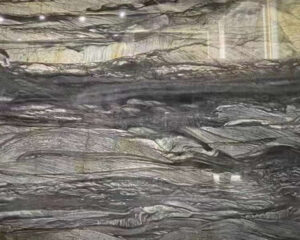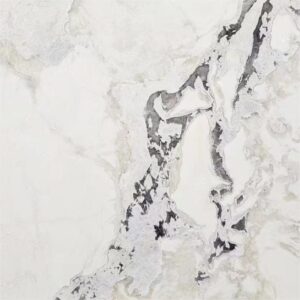
Выставка Xiamen Stone Fair 2026 — это не просто место, где можно полюбоваться красивыми плитами. Для международных покупателей она становится площадкой, на которой направление выбора материалов превращается в стратегию закупок. В данном руководстве перечислены ключевые материалы, за которыми стоит следить, а также объясняется, что наиболее важно в реальных проектах: стабильность поставок, однородность партий, поведение при обработке и риск замены в долгосрочной перспективе.

Выставка Xiamen Stone Fair 2026 собирает тысячи экспонентов, и большинство стендов с первого взгляда выглядят впечатляюще. Однако настоящий вопрос для международных покупателей состоит не в том, какая плита лучше всего смотрится под освещением выставки, а в том, какая категория материалов способна обеспечить реализацию реального проекта. “Ключевые материалы” следует определять по их характеристикам в процессе закупки: насколько стабильны поставки, как ведут себя плиты при обработке, насколько предсказуемы сроки поставки и как организовано планирование замены после монтажа.
Многие покупатели начинают с анализа списка экспонентов, а затем во втором этапе уточняют выбор поставщиков и материалов. Если вы всё ещё формируете свою карту поставщиков, полезно начать с такой структурированной обзорной информации, как эта Список экспонентов и руководство по поставщикам выставки Xiamen Stone Fair 2026, после чего соотнести направление выбора материалов с возможностями поставщиков. В глобальном снабжении материалы и поставщики — это неразрывные решения. Плита, выглядящая премиально, не станет премиальным выбором при закупке, если контроль над партиями и готовность к экспорту слабы.
Эта статья написана для покупателей, которым необходимо преобразовать трендовые сигналы в конкретные решения по закупкам. Если ваш следующий шаг — проверка поставщиков, вы можете дополнить этот краткий список практическим процессом, описанным в как проверить поставщика камня на выставке Xiamen Stone Fair 2026. Если вы предпочитаете оценивать поставщиков по системе баллов, можно также воспользоваться контрольный список поставщиков для глобальных покупателей для обеспечения согласованности сравнений.
Как покупателям оценивать “ключевые материалы” на выставке
Тренды выставок могут вводить в заблуждение, поскольку многие экспозиции делают акцент на редкости, эффектности или тщательно отобранных образцах. Краткий список покупателя должен составляться исходя из четырёх критериев закупки. Во‑первых, стабильность поставок: может ли поставщик обеспечить стабильное производство в необходимых объёмах и поддерживать повторные заказы? Во‑вторых, однородность партий: можно ли классифицировать плиты и зарезервировать их по чётким стандартам одобрения? В‑третьих, поведение при обработке: не будет ли материал скалываться, трескаться или деформироваться при резке и отделке, и контролирует ли поставщик допуски? В‑четвёртых, риск замены: если плита разобьётся на объекте или потребуется её замена через два года, сможете ли вы реально подобрать аналогичную?
Если рассматривать тренды как сигналы для закупок, можно избежать самой распространённой ловушки в снабжении: выбор материала, который выглядит исключительным, но ведёт себя непредсказуемо из‑за ограничений производства и логистики. Если вы хотите получить полное стратегическое представление о том, как выставка Xiamen Stone Fair вписывается в процесс закупки проектов, ознакомьтесь с этим стратегическим руководством по снабжению для международных покупателей а затем вернитесь к этому краткому списку, чтобы окончательно определить направление выбора материалов.
| Размер оценки | Что проверять на стенде | Что подтвердить после выставки |
|---|---|---|
| Стабильность поставок | Наличие складских запасов, заявления о непрерывности добычи и линии производства | Политика резервирования, план поставки, возможность повторного заказа |
| Однородность партий | Как они классифицируют плиты, как представляют пакеты | Рабочий процесс утверждения фотографий, прослеживаемость, блокировка партий |
| Поведение при обработке | Края, качество полировки, образцы нарезанных деталей | Производственный процесс, отчётность по допускам, контроль уровня дефектов |
| Риск замены | Заявления о “соответствии образцу” | Документированная методика подбора и план запасных частей |

Лучшие материалы для выставки Xiamen Stone Fair 2026
1) Нейтральный мрамор крупного формата
Нейтральный мрамор остаётся ключевой категорией, поскольку он поддерживает роскошный дизайн в гостиничных и элитных жилых проектах. На выставке Xiamen Stone Fair 2026 главным сигналом является не популярность цвета, а переход отрасли к более удобному для закупок контролю однородности. Покупатели всё чаще отдают предпочтение стабильным цветовым семействам, более чёткой классификации и предсказуемому резервированию плит, чем экстремальному драматизму узоров. Плиты крупного формата особенно актуальны, поскольку они уменьшают количество швов и создают премиальное визуальное пространство, но при этом увеличивают риск обращения и требуют дисциплинированной упаковки.
При рассмотрении мрамора покупатели должны уточнить, как поставщик определяет “одну и ту же партию” и как плиты резервируются для поэтапных проектов. Если вы сравниваете мрамор с инженерными альтернативами по показателям проекта, анализ трендов в Тренды мрамора и кварца на выставке Xiamen Stone Fair 2026 является полезным помощником в принятии решений.
2) Кварцит для акцентных поверхностей
Кварцит продолжает привлекать покупателей, которые хотят натуральный вид с более высокими характеристиками твёрдости, чем у многих мраморов. Здесь важен не только дизайн, но и возможности поставщика: кварцит может сильно различаться по внутренней структуре, а некоторые его разновидности ведут себя непредсказуемо при резке. Покупателям следует обратить внимание на то, как поставщики управляют отбором, проверкой дефектов и вариантами усиления для больших пролётов или компонентов, изготовленных по индивидуальным размерам.
Кварцит может быть отличной категорией для фасадных стен, высоковидимых столов и фирменных зон, но он требует дисциплинированной обработки и чётких стандартов приёмки. Во время переговоров с поставщиками спросите примеры готовых проектов, практики контроля допусков и то, как они действуют при появлении трещин или зон, заполненных смолой, в производственных плитах.
3) Оникс для контролируемых роскошных применений
Оникс остаётся премиальной и эмоционально насыщенной категорией, особенно для подсветки и акцентов в бутиковой роскоши. Главная реальность закупок заключается в том, что оникс не является “стандартизированной” категорией материалов. Решение о покупке должно основываться на чётком определении области применения и границах риска. Оникс лучше всего использовать, когда покупатель может указать ограниченные зоны применения, определить контролируемый процесс выбора плит и согласиться с более высоким коэффициентом отходов при планировании обработки.
На выставке Xiamen Stone Fair 2026 поставщики оникса часто демонстрируют очень тщательно отобранные поверхности. Покупателям следует оценить, может ли поставщик обеспечить стабильную толщину, безопасную упаковку и чёткий рабочий процесс одобрения плит. Если вы намерены использовать оникс, заранее продумайте стратегию резервирования плит и документально зафиксируйте в письменном виде визуальные стандарты приёмки до начала производства.
4) Синтерированный камень для масштабной стандартизации
Sintered stone continues to expand in global procurement because it offers industrial repeatability and stable color control across large volumes. Buyers often choose sintered surfaces when they need consistent delivery, predictable performance characteristics, and a standardized material story across multi-site developments. The “watch” factor is the increased range of designs that mimic natural stone more convincingly, while maintaining a controlled production system.
However, sintered stone is not risk-free. Buyers should verify warpage tolerance, thickness stability, and edge finishing behavior. For certain installations, handling and fixing systems matter more than surface appearance, so the supplier’s technical documentation and packaging discipline become decisive.
5) Engineered Quartz with Calmer Pattern Direction
Engineered quartz remains a dominant category in mass residential programs, distribution channels, and projects where consistency drives cost control. At Xiamen Stone Fair 2026, the trend direction is often calmer and more architectural: softer veining, neutral bases, and patterns designed to look more “stone-like” rather than aggressively graphic. Buyers watch quartz not because it is new, but because it is predictable, scalable, and replacement-friendly when lines remain active.
For quartz, the procurement questions should focus on batch continuity, line stability, and what happens when a project needs a reorder. Confirm how the supplier manages production lots and whether they can provide long-run consistency. This category is also where supplier discipline is most visible: strong manufacturers can explain process control and documentation clearly, while weak ones rely on generic claims.
6) Granite for Exterior and High-Durability Use
Granite remains a “quiet winner” category for durability-focused buyers, especially for exterior paving, high-traffic floors, and commercial applications where performance is prioritized over delicate aesthetics. The trend to watch is not novelty, but renewed procurement logic: buyers who previously overused marble in high-wear zones increasingly shift to granite to reduce maintenance disputes and lifecycle costs.
Granite suppliers should be evaluated for thickness control, surface finish repeatability, and their ability to deliver large quantities with uniform color tone. When granite is used outdoors, slip resistance and finishing consistency become critical acceptance criteria.
7) Basalt and Dark Volcanic Stones for Modern Architecture
Basalt and related dark volcanic stones are increasingly used in modern architectural language because they deliver a refined minimal look and strong durability. The watch signal is the expansion of finishing options and increased export focus among suppliers who can provide stable tone control. For buyers, the risk is inconsistency in dark surfaces and visible patching or uneven finishing at scale.
To manage this, buyers should define finish standards clearly and request sample sets that represent production reality rather than best-case selection. Dark stones amplify finishing flaws, so the supplier’s process discipline matters more than ever.
8) Travertine and Textured Natural Stones
Travertine remains popular where warm, textured surfaces are needed, but buyers must treat it as a system decision. The fill method, hole structure, and finishing approach affect long-term maintenance. The trend to watch is the use of more controlled filling and finishing methods to reduce site complaints and improve long-term stability in hospitality and residential environments.
Buyers should confirm filling standards, sealing recommendations, and how the supplier ensures consistent texture and tone across multiple shipments. Travertine can perform well when acceptance standards are defined, but it becomes problematic when buyers assume it behaves like denser stones.
9) Terrazzo and Composite Architectural Surfaces
Terrazzo and composite architectural surfaces appear in many forms at the fair, often positioned as design-forward and scalable. The watch factor is the increased use of controlled aggregate patterns to create stable visual outcomes across large public projects. For global buyers, terrazzo procurement should focus on thickness stability, edge finishing behavior, and whether the supplier can support technical detailing for transitions and joints.
This category is often selected for commercial interiors where design identity and repetition are both important. Buyers who plan terrazzo usage should confirm fabrication examples and clarify maintenance expectations early.
10) Specialty Finishes and Surface Textures as a Differentiator
Beyond material categories, one of the most actionable trends at Xiamen Stone Fair 2026 is finishing innovation. Honed, brushed, leathered, flamed, and waterjet textures shift how stone performs in real environments. The material itself may be familiar, but finishing can change slip resistance, scratch visibility, maintenance behavior, and even perceived color tone under lighting.
Buyers should treat finishes as performance variables, not decorative add-ons. Confirm finish repeatability, sample-to-production consistency, and how finishing impacts tolerances for fabricated pieces. In practice, finishing is where many disputes start, because samples are often prepared with extra care compared to volume production. Strong suppliers can explain their finishing process and control methods clearly.

How to Use This Shortlist at the Fair
The most effective approach is to treat this shortlist as a routing plan. Instead of walking the fair randomly, allocate time blocks by material category and supplier depth. For each category, select a small number of suppliers for deeper evaluation, and apply the same verification structure to all of them. If your goal is to confirm supplier reliability, use the evaluation flow from the supplier verification guide and record answers consistently. This reduces the risk of choosing suppliers based on sales confidence rather than operational evidence.
After the fair, you can convert your material shortlist into a final sourcing decision by scheduling factory visits and confirming production reality. If you want to keep your supplier evaluation consistent, use the checklist framework and record scores for each supplier’s batch control, inspection discipline, and export readiness. This approach turns trade show discovery into procurement execution.

Часто задаваемые вопросы
1. What is the most important material trend at Xiamen Stone Fair 2026 for global buyers?
The most important trend is the shift from showroom selection to procurement control, where buyers prioritize supply stability, batch consistency, and documented verification rather than rare patterns alone.
2. Is quartzite always a safer choice than marble?
No, quartzite can be very hard but still risky if internal structure varies or fabrication control is weak, so the supplier’s defect screening and reinforcement practices matter as much as the stone type.
3. When does onyx make sense for real projects?
Onyx makes sense in controlled luxury applications such as feature panels or backlit accents when slab selection is tightly managed and the buyer accepts higher waste and handling risk.
4. What should buyers check when comparing sintered stone suppliers?
Buyers should confirm thickness stability, warpage tolerance, edge finishing behavior, packaging discipline, and whether technical documents match the installation system required for the project.
5. How can buyers reduce the risk of future reorders not matching the first shipment?
Buyers should lock batch approvals early, confirm reservation policies, document acceptance standards, and keep spare slabs or confirm production line continuity where applicable.
6. Which category is most replacement-friendly for multi-unit developments?
Engineered quartz is often the most replacement-friendly when the same production line remains active, because consistent pattern replication reduces mismatch risk across later reorders.
How to Evaluate a “Top Material” in 20 Minutes at Xiamen Stone Fair
- Start by asking about supply continuity: confirm whether the stone comes from stable quarry access or a stable production line, and whether the supplier can support reorders.
- Request a batch consistency explanation: ask how slabs are graded, how “same batch” is defined, and whether photo approval is used before production.
- Check fabrication behavior by reviewing cut samples, edge finishing quality, and typical defect handling methods for that category.
- Confirm packaging and export readiness: ask how slabs are crated, what edge protection is used, and whether containers are loaded under supervision with photo records.
- Document your acceptance standard immediately: record what you consider acceptable in tone, veining, and finish, so the supplier can match production to your approval.
Заключительное замечание / Практические выводы
The top materials at Xiamen Stone Fair 2026 are not defined by rarity alone. They are defined by procurement viability: stable supply, controlled grading, predictable fabrication, and manageable replacement planning. Global buyers who treat trends as risk signals—and who connect material choice with supplier capability—will achieve better project outcomes than buyers who select purely by sample appearance.