
Quick Summary
Light Snow (Xiaoxue) is one of China’s 24 solar terms, marking the gentle arrival of winter. It blends climate observation, cultural traditions, and seasonal wellness. From subtle snowfall and warming foods to mindful routines, Light Snow teaches patience, preparation, and appreciation of nature’s quiet changes, offering global readers insight into China’s unique seasonal wisdom.
Light Snow (小雪, Xiaoxue) is the 20th of China’s 24 solar terms, signalling the moment when cold air strengthens and the first light snows appear—especially in northern China. More symbolic than literal, Light Snow represents the quiet arrival of winter. For global readers, it offers a window into China’s unique way of blending astronomy, agriculture, health wisdom and cultural traditions into everyday life.
Picture a late-November morning in Beijing. The wind nips your nose, vendors warm their hands over coal stoves, and the first flutter of snow instantly melts on your sleeve. No dramatic storms, no cinematic blizzards—just an elegant whisper from winter. This understated beauty is what the Chinese call Light Snow.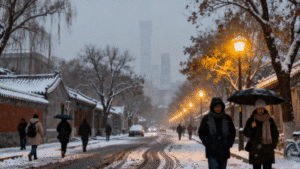
Three Pain Points International Readers Often Have
1. “The 24 Solar Terms sound complicated—why should I care?”
Many foreign readers have heard the phrase but don’t understand its cultural importance.
2. “Does Light Snow actually mean it snows?”
The name is poetic, but the weather varies dramatically across China.
3. “Are these traditions relevant in modern life?”
People want practical meaning—not just historical curiosity.
Three Clear Solutions / Practical Insights
1. Think of Light Snow as China’s seasonal calendar
Just as Western cultures use solstices and equinoxes, China uses 24 solar terms to mark climate patterns, farming cycles and seasonal habits.
2. Use it as a wellness reminder
Traditional Chinese medicine (TCM) suggests adjusting diet, sleep and exercise as temperatures drop—something modern wellness culture can appreciate.
3. Treat it as cultural storytelling
Light Snow helps you understand China’s worldview: living with nature, not fighting against it.
Case Examples: How Light Snow Is Experienced Today
Example 1: Seasonal Foods in Chinese Homes
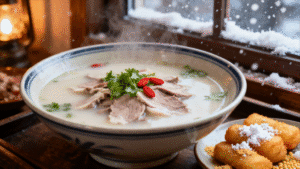 Families in northern China often start preparing warming dishes—lamb stew, millet porridge, lightly spiced soups. These foods are not just tasty; they help the body store energy for colder weeks ahead.
Example 2: Rural Life and Agriculture
In farming regions, Light Snow marks the time to protect winter wheat and maintain soil moisture. Farmers also use this period to repair tools and prepare for the next planting season.
Scientific & Climate Insights
Light Snow occurs when the Sun reaches 240° longitude on the ecliptic, usually around 22–23 November each year. Temperature drops sharply across East Asia as cold continental air pushes south.
-
Northern China: occasional light flurries
-
Southern China: nearly no snow, but significant cooling
-
Beijing’s average Light Snow temperature: approx. 0–5°C
Comparatively, Europe’s late-November climate resembles early Light Snow conditions—short days, mild frosts, and transitional weather.
Trends & Global Cultural Insights
-
More international travellers now explore China’s solar-term tourism, experiencing traditional winter markets and rural landscapes.
-
UNESCO listed the 24 Solar Terms as Intangible Cultural Heritage, increasing global awareness.
-
Wellness enthusiasts abroad are adopting seasonal eating habits inspired by TCM—warm grains, root vegetables, ginger teas.
Style & Usage Suggestions: How Readers Can Apply This Today
1. Try a “Light Snow menu”
Warm congee, lamb broth, roasted sweet potatoes. Easy to recreate, surprisingly comforting.
2. Adjust your winter routine
Earlier sleep, slower mornings, gentler exercise—mirroring nature’s quiet transition.
3. Use Light Snow as a mindfulness cue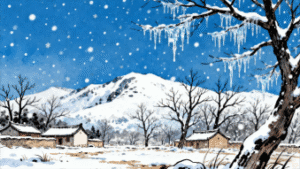
Pause and observe subtle seasonal changes around you: shortened days, crisp air, calmer landscapes.
FAQ About Light Snow
1. Does Light Snow always mean it will snow?
Not necessarily. In most of China, it simply marks the period when snow 5월 appear, not a guarantee.
2. When is Light Snow each year?
Generally 22–23 November, based on the Sun reaching 240° on the ecliptic.
3. Is Light Snow still relevant in modern China?
Yes—farmers, cultural practitioners and wellness enthusiasts still reference the solar terms.
4. Is Light Snow a festival or a holiday?
No. It’s a seasonal marker, not a celebration.
5. What foods are recommended during Light Snow?
Warm, nourishing dishes: lamb, millet porridge, ginger soups, root vegetables.
6. Is Light Snow the same everywhere in China?
Climate varies. Northern China may see snow; southern China often stays dry.
7. How does Light Snow relate to Western seasons?
It corresponds loosely to late autumn transitioning into early winter.
Quick Insight: Light Snow (Xiaoxue) & China’s Early Winter Traditions
Light Snow marks the gentle arrival of winter in China. It’s a time for warming foods, mindful routines, and preparing both body and land for the colder months ahead.
• Signals early winter and first light snowfalls.
• Guides seasonal diets and wellness practices.
• Informs agricultural preparation for northern crops.
• Celebrated as part of China’s 24 Solar Terms heritage.
“Observe nature’s subtle changes, prepare with care, and live in harmony with the seasons.”
Conclusion & Call to Action
Light Snow isn’t just a meteorological moment—it’s a cultural lens. It teaches patience, preparation and appreciation for life’s small seasonal shifts. Whether you’re exploring Chinese culture or seeking thoughtful winter habits, Light Snow offers an elegant starting point.
👉 If you want more articles on the 24 Solar Terms, Chinese festivals or seasonal wellness, feel free to request another topic!
o learn more about the 24 solar terms, you can check the relevant articles on https://www.hcenturystar.com/.


