
“At the height of light, nature whispers balance, not excess.”
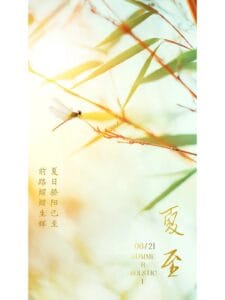
On June 21, the Northern Hemisphere welcomes the Summer Solstice, known in traditional Chinese culture as Xiazhi (夏至)—literally meaning “the peak of summer.” It is the 10th solar term of the traditional 24 solar terms in the Chinese lunisolar calendar, and it marks the longest day and shortest night of the year.
More than just an astronomical event, Xiazhi is a cultural moment that expresses the harmony between humanity and nature. It reminds us that when things are at their peak, subtle transformation is already beginning. This wisdom, rooted in balance, has shaped Chinese customs for thousands of years—and it continues to influence how people live, eat, work, and design.
☀️ What Is the Summer Solstice?
The Summer Solstice occurs when the sun reaches its highest position in the sky, resulting in the maximum duration of daylight for the year. In ancient China, this period was crucial for farming, as crops grew rapidly under long days and strong sunlight. It also marked the transition from the active Yang energy to the return of Yin, signaling that even the most intense heat would eventually give way to coolness and calm.
This natural shift was seen not as an end, but as a turning point of balance and reflection—an essential concept in Chinese philosophy.
🎎 Traditional Customs of Xiazhi
Although not as widely celebrated as some major Chinese festivals, Xiazhi is observed through thoughtful, seasonal practices. These customs reflect the core values of health, harmony, and rhythm with nature. Here are some key traditions still practiced today:
1. Eating Cooling Foods
During Xiazhi, temperatures rise significantly, especially in southern China. To combat heat and balance the body’s energy, people eat foods with cooling properties. Common dishes include:
-
Cold noodles topped with cucumber and sesame
-
Mung bean soup to relieve heat and detoxify
-
Bitter melon stir-fry, known for reducing body heat
These dietary choices follow traditional Chinese medicine principles, promoting internal balance with seasonal changes.
2. Worshipping the Sun (Historical Rituals)
In ancient dynasties, particularly during the Han and Tang periods, Xiazhi was a time when the emperor led sun worship rituals. It was a way to honor nature’s power and express gratitude for agricultural abundance. Altars were built, and ceremonies held to offer tributes to the sun god.
While these practices have faded from daily life, the idea of respecting natural cycles continues to shape design and living habits today.
3. Offering Seasonal Fruits
Families prepare offerings of seasonal fruits such as lychees, melons, and peaches—symbols of growth, sweetness, and prosperity. These are offered to ancestors or shared in family meals to celebrate nature’s generosity.
This ritual emphasizes the value of gratitude and connection across generations, especially during times of seasonal transition.
4. Balancing Work and Rest
For farmers, Xiazhi marks a time to adjust the pace of labor. The intense midday sun leads to earlier starts and longer breaks. This natural rhythm encourages people to listen to their environment, not just push productivity.
In today’s world, this could translate into well-designed living and working spaces that prioritize comfort, airflow, and wellness—concepts that align beautifully with natural materials like 결석, which stay cool and regulate temperature passively.
5. Appreciating Daylight in Architecture
The long daylight hours inspire architects and homeowners to incorporate sunlight into their spaces. South-facing windows, reflective stone surfaces, and open courtyards are common elements in summer-friendly design.
Natural stones such as quartzite, marble, and travertine are often chosen for their:
-
Thermal stability: staying cool underfoot even in direct sunlight
-
Timeless beauty: enhancing space without artificial embellishment
-
지속 가능성: lasting for decades with minimal maintenance
In this way, the philosophy of Xiazhi flows directly into modern spatial design.


🏛 The Stone Connection: Nature, Climate, and Comfort
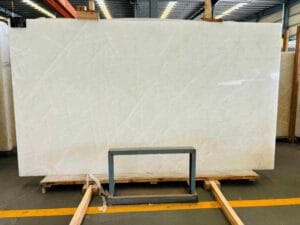
~에 HRST 스톤, we believe that design should reflect the intelligence of the environment. Just as Xiazhi celebrates the peak of sunlight while preparing for change, our natural stones support projects that balance beauty and practicality—especially in summer climates.
Whether for luxury villas, wellness retreats, or high-end hospitality spaces, our quartzite, marble, and limestone collections help you:
-
Create thermal comfort in hot climates
-
Introduce natural textures that calm and ground
-
Build spaces that respond to light, air, and rhythm
💬 A Personal Note from HRST STONE
We’ve worked on projects across Europe, South America, and North Africa—and one thing is clear: the best designs don’t fight the season. They flow with it.
Xiazhi isn’t just about sunshine. It’s about knowing when to stand still, when to adjust, and when to honor what already works. Like natural stone, it teaches patience, permanence, and purpose.
🌿 Closing Thought: Let Nature Lead
This Xiazhi, as the sun lingers overhead and light floods your surroundings, take a moment to ask:
-
Is your space in sync with the season?
-
Are your materials as honest as your vision?
-
Are you designing for the now—or for the long arc of time?
Let HRST STONE be your partner in creating spaces that feel rooted, timeless, and season-aware.
📩 Contact us for expert guidance:
Email: assistant@hrststone.com
WhatsApp: +86 13685922793
🔗 www.quartzite-stone.com


