블로그

☀️ Xiaoshu : When Heat Meets Harmony

“Xiaoshu reminds us: real heat doesn’t rush—it gathers with grace.”

On July 7, the Chinese lunar calendar marks Xiaoshu (小暑), the 11th of the 24 solar terms, known in English as “Lesser Heat.” As its name suggests, Xiaoshu signals the arrival of increasing warmth, but not yet the peak of summer. It is a transitional phase, a moment of buildup rather than climax—making it a time of both physical preparation and mental poise.Xiaoshu

Though not a festival in the traditional sense, Xiaoshu is deeply woven into Chinese seasonal philosophy, agricultural planning, and daily life. It teaches us how to work with rising intensity—without losing balance.

🌿 What Does Xiaoshu Mean?

“Xiao (小)” means “small” or “lesser,” and “Shu (暑)” means “heat.” Combined, Xiaoshu refers to the period just before the most intense heat of the year, which typically comes in the following term, Dashu (Great Heat).

In ancient agrarian society, Xiaoshu marked an important time: crops like rice and corn were thriving, insects were active, and the air grew increasingly humid. Farmers had to work early in the morning to avoid heatstroke, while also preparing for the challenges of midsummer.

Philosophically, Xiaoshu teaches anticipation, not urgency. It’s about sensing the changes around you and preparing inwardly and outwardly.


🔍 Xiaoshu Traditions: Daily Wisdom in Seasonal Practice

Though more subtle than major holidays, Xiaoshu comes with time-honored customs, shaped by weather, rhythm, and well-being. Let’s explore several enduring traditions still observed in various parts of China:

1. Sun-Drying Herbs and Grains

July brings long daylight hours and strong sunlight, making Xiaoshu an ideal time to dry medicinal herbs, rice, and chili peppers. You’ll often see balconies and village courtyards filled with colorful produce laid out under the sun.

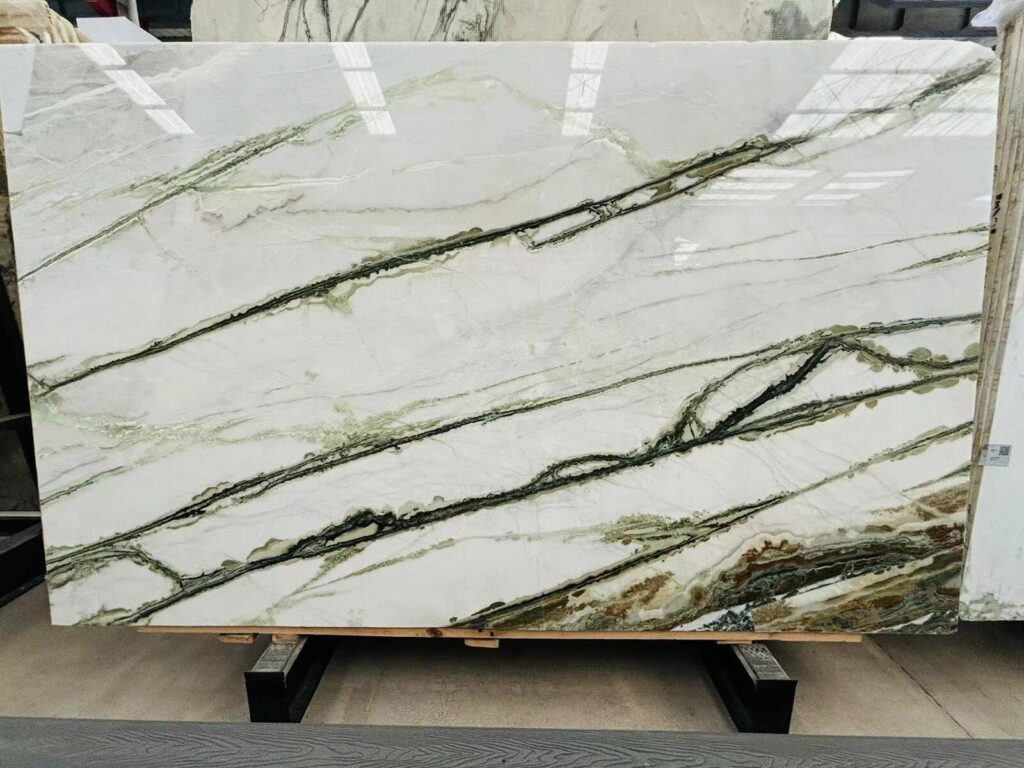
Why it matters: This tradition reflects strategic resource use—a concept that also applies to material selection in architecture. Natural stone, such as quartzite and marble, can be used to absorb, reflect, or store heat, depending on your design needs.

2. Eating Cooling and Detoxifying Foods

As the heat begins to rise, traditional Chinese diets shift to cooling and hydrating foods:

  • Mung bean soup to cleanse and cool the body

  • Winter melon stew for hydration

  • Lotus root dishes to strengthen the stomach and reduce internal fire

These food choices are not just culinary; they reflect an intimate relationship with seasonal wellness—a lifestyle that responds to nature rather than resists it.

3. Using Bamboo and Stone for Climate Comfort

While not an “official custom,” Chinese architecture during Xiaoshu often favors cooling materials. Houses in hot regions rely on bamboo screens, natural ventilation, and stone flooring to moderate indoor temperatures.

In modern design, materials like 규암 are prized for their thermal inertia, staying cool even in hot weather—perfect for villas, poolsides, and luxury resorts.

4. Cicada Listening & Rain Appreciation

In rural areas, people associate Xiaoshu with the sound of cicadas and the expectation of short, sudden rain showers. These environmental cues mark the rhythm of life—prompting adjustments in work hours and rest times.

This is also a reminder that design should respond to context. Just as nature shifts between heat and hydration, great architecture adapts through ventilation, texture, and shade.

5. Sending Summer Greeting Letters (昔日“暑帖”)

In ancient China, scholars and courtiers would exchange “Shutie (暑帖)”—handwritten summer greeting letters—to check in on friends’ health during the hotter months. These messages conveyed care and etiquette.

Today, this tradition survives in digital form, but the sentiment is timeless: in times of heat and pressure, a thoughtful gesture brings harmony.

                Green Bean Soup                                  Lotus Root Soup                                             Lotus Root


🏛 Nature-Inspired Design: What Xiaoshu Teaches Us About Space

Xiaoshu is not dramatic. It doesn’t arrive with fireworks or feast days. Instead, it’s a quiet crescendo. A reminder that real preparation often happens in invisible ways—whether in nature, agriculture, or architecture.

~에 HRST 스톤, we find deep design parallels in this season:

  • Cool underfoot, warm in tone: Our stone materials offer natural thermal relief while elevating aesthetic luxury.

  • Preparedness over performance: Projects that anticipate seasonal shifts—like sun exposure and humidity—age better and feel better.

  • Balance of hard and soft: Pairing natural stone with wood, water, and air brings out the best of each.

Whether you’re building a summer retreat or upgrading a wellness center, natural materials bring seasonal intelligence into every space.

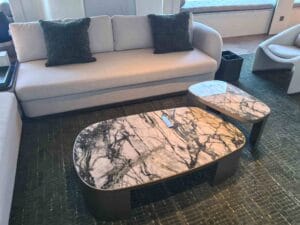
coffee table


💬 Final Thoughts from HRST STONE

The world moves fast—but Xiaoshu invites us to slow down just long enough to notice:

  • What’s heating up in your life or project?

  • What preparations will serve you later in the season?

  • What natural choices today will bring future resilience?

From our experience with international luxury projects—from Moroccan resorts to private estates in the US—we’ve learned that great design listens to the climate. Xiaoshu is a perfect seasonal teacher: it says, “Don’t fear the heat. Respect it—and get ready.

📞 Connect with Us

Let HRST STONE be your partner in creating season-smart, culturally enriched, naturally beautiful environments.

📩 Email: assistant@hrststone.com
📱 WhatsApp: +86 13685922793
🔗 Website: www.quartzite-stone.com

관련 상품

대서양 회색 규암

대서양 회색 규암은 옅은 회색에서 푸른빛이 도는 회색의 역사적 과거이며 미색 색조와 치수를 포함하여 색이 바랜 베이지색의 정맥이 있습니다. 규암은 화강암의 유명한 힘과 경도와 함께 대리석에 필적하는 색조와 결을 제공하는 석재 바닥 대안입니다. 그것은 …

자세히 보기 »

핑크 쿼츠 크리스탈

Pink Crytsal Quartz는 외적으로나 내적으로 보편적인 사랑의 결정체입니다. 핑크 크리스탈은 인테리어를 장식하여 긴장을 완화하고, 짜증을 완화하고, 마음 속 깊이 들어가 자신을 발견하고 이해력을 높일 수 있도록 도와줍니다. 핑크 크리스탈은 부드럽고 매력적인 핑크 빛을 발합니다.

자세히 보기 »

녹색 마노

준보석 마노 석판은 인테리어 장식을 위한 고급 석재입니다. 이 석재, 특히 뒤에서 불을 밝힐 수 있는 반투명 품종은 독특한 색상 효과를 만들고 방에 독창적인 터치를 더합니다. 방을 향상시키고 독특하게 만드십시오.

자세히 보기 »