Xiamen Stone Fair 2026 is not just a place to browse beautiful slabs. For global buyers, it is where material direction becomes procurement strategy. This guide lists the top materials to watch and explains what matters most in real projects: supply stability, batch consistency, fabrication behavior, and long-term replacement risk.

Xiamen Stone Fair 2026 brings together thousands of exhibitors, and most booths look impressive at first glance. The real question for international buyers is not which slab looks best under trade-show lighting, but which material category can support real project delivery. “Top materials” should be defined by performance in procurement: how consistent the supply is, how the slabs behave during fabrication, how predictable the lead time is, and how replacement planning works after installation.
Many buyers begin with an exhibitor scan, then narrow down suppliers and materials in a second pass. If you are still building your supplier map, it helps to start from a structured overview such as this Xiamen Stone Fair 2026 exhibitor list and suppliers guide, then match material direction to supplier capability. Materials and suppliers are not separable decisions in global sourcing. A premium-looking slab is not a premium procurement choice if batch control and export readiness are weak.
This article is written for buyers who need to translate trend signals into measurable sourcing decisions. If your next step is supplier verification, you can pair this shortlist with the practical process in how to verify a stone supplier at Xiamen Stone Fair 2026. If you prefer to evaluate suppliers using a scoring framework, you can also use the supplier checklist for global buyers to keep comparisons consistent.
How Buyers Should Judge “Top Materials” at the Fair
Trade show trends can be misleading because many displays emphasize rarity, drama, or highly edited sample selection. A buyer’s shortlist should be built around four procurement criteria. First, supply stability: can the supplier provide consistent production across the quantity you need, and can they support reorders? Second, batch consistency: can slabs be graded and reserved with clear approval standards? Third, fabrication behavior: will the material chip, crack, or warp during cutting and finishing, and does the supplier control tolerances? Fourth, replacement risk: if a slab breaks on site or needs replacement two years later, can you realistically match it?
When you treat trends as procurement signals, you avoid the most common sourcing trap: choosing a material that looks exceptional but behaves unpredictably under manufacturing and logistics constraints. If you want the full strategic framing for how Xiamen Stone Fair fits into project sourcing, review this strategic sourcing guide for international buyers and then return to this shortlist to finalize your material direction.
| Evaluation Dimension | What to Check at the Booth | What to Confirm After the Fair |
|---|---|---|
| Supply stability | Stock availability, quarry/line continuity claims | Reservation policy, lead time plan, reorder ability |
| Batch consistency | How they grade slabs, how they present bundles | Photo approval workflow, traceability, batch locking |
| Fabrication behavior | Edges, polishing quality, sample cut pieces | Factory process, tolerance reporting, defect rate control |
| Replacement risk | Claims about “same as sample” | Documented matching method and spares plan |

Top Materials to Watch at Xiamen Stone Fair 2026
1) Large-Format Neutral Marble
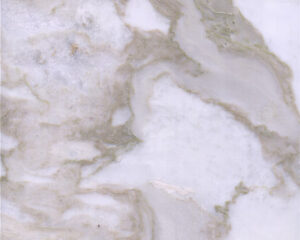
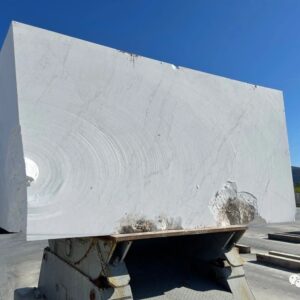
Neutral marble remains a core category because it supports luxury design across hospitality and high-end residential projects. At Xiamen Stone Fair 2026, the most important signal is not color popularity but the industry shift toward procurement-friendly consistency control. Buyers increasingly prioritize stable tone families, clearer grading, and predictable slab reservation rather than extreme pattern drama. Large-format slabs are especially relevant because they reduce joints and create a premium visual field, but they also increase handling risk and require disciplined packaging.
When reviewing marble, buyers should ask how the supplier defines “same batch” and how slabs are reserved for phased projects. If you are comparing marble against engineered alternatives for project performance, the trend analysis in marble vs quartz trends at Xiamen Stone Fair 2026 is a useful decision companion.
2) Quartzite for Statement Surfaces
Quartzite continues to attract buyers who want a natural look with stronger hardness characteristics than many marbles. The “watch” signal here is not just design, but supplier capability: quartzite can vary widely in internal structure, and some varieties behave unpredictably during cutting. Buyers should focus on how suppliers manage selection, defect screening, and reinforcement options for large spans or cut-to-size components.
Quartzite can be an excellent category for feature walls, high-visibility counters, and signature spaces, but it demands disciplined fabrication and clear acceptance standards. During supplier discussions, ask for examples of finished projects, tolerance practices, and what they do when fissures or resin-filled zones appear in production slabs.
3) Onyx for Controlled Luxury Applications
Onyx remains a premium and emotionally driven category, especially for backlit installations and boutique luxury accents. The key procurement reality is that onyx is not a “standardized” material category. The buying decision must be controlled by scope definition and risk boundaries. Onyx is best used when the buyer can specify limited application zones, define a controlled slab selection process, and accept a higher waste factor in fabrication planning.
At Xiamen Stone Fair 2026, onyx suppliers often display highly curated surfaces. Buyers should evaluate whether the supplier can provide stable thickness, safe crating, and a clear slab approval workflow. If you intend to use onyx, pre-plan your slab reservation strategy, and document the visual acceptance standards in writing before you confirm production.
4) Sintered Stone for Large-Scale Standardization
Sintered stone continues to expand in global procurement because it offers industrial repeatability and stable color control across large volumes. Buyers often choose sintered surfaces when they need consistent delivery, predictable performance characteristics, and a standardized material story across multi-site developments. The “watch” factor is the increased range of designs that mimic natural stone more convincingly, while maintaining a controlled production system.
However, sintered stone is not risk-free. Buyers should verify warpage tolerance, thickness stability, and edge finishing behavior. For certain installations, handling and fixing systems matter more than surface appearance, so the supplier’s technical documentation and packaging discipline become decisive.
5) Engineered Quartz with Calmer Pattern Direction
Engineered quartz remains a dominant category in mass residential programs, distribution channels, and projects where consistency drives cost control. At Xiamen Stone Fair 2026, the trend direction is often calmer and more architectural: softer veining, neutral bases, and patterns designed to look more “stone-like” rather than aggressively graphic. Buyers watch quartz not because it is new, but because it is predictable, scalable, and replacement-friendly when lines remain active.
For quartz, the procurement questions should focus on batch continuity, line stability, and what happens when a project needs a reorder. Confirm how the supplier manages production lots and whether they can provide long-run consistency. This category is also where supplier discipline is most visible: strong manufacturers can explain process control and documentation clearly, while weak ones rely on generic claims.
6) Granite for Exterior and High-Durability Use
Granite remains a “quiet winner” category for durability-focused buyers, especially for exterior paving, high-traffic floors, and commercial applications where performance is prioritized over delicate aesthetics. The trend to watch is not novelty, but renewed procurement logic: buyers who previously overused marble in high-wear zones increasingly shift to granite to reduce maintenance disputes and lifecycle costs.
Granite suppliers should be evaluated for thickness control, surface finish repeatability, and their ability to deliver large quantities with uniform color tone. When granite is used outdoors, slip resistance and finishing consistency become critical acceptance criteria.
7) Basalt and Dark Volcanic Stones for Modern Architecture
Basalt and related dark volcanic stones are increasingly used in modern architectural language because they deliver a refined minimal look and strong durability. The watch signal is the expansion of finishing options and increased export focus among suppliers who can provide stable tone control. For buyers, the risk is inconsistency in dark surfaces and visible patching or uneven finishing at scale.
To manage this, buyers should define finish standards clearly and request sample sets that represent production reality rather than best-case selection. Dark stones amplify finishing flaws, so the supplier’s process discipline matters more than ever.
8) Travertine and Textured Natural Stones
Travertine remains popular where warm, textured surfaces are needed, but buyers must treat it as a system decision. The fill method, hole structure, and finishing approach affect long-term maintenance. The trend to watch is the use of more controlled filling and finishing methods to reduce site complaints and improve long-term stability in hospitality and residential environments.
Buyers should confirm filling standards, sealing recommendations, and how the supplier ensures consistent texture and tone across multiple shipments. Travertine can perform well when acceptance standards are defined, but it becomes problematic when buyers assume it behaves like denser stones.
9) Terrazzo and Composite Architectural Surfaces
Terrazzo and composite architectural surfaces appear in many forms at the fair, often positioned as design-forward and scalable. The watch factor is the increased use of controlled aggregate patterns to create stable visual outcomes across large public projects. For global buyers, terrazzo procurement should focus on thickness stability, edge finishing behavior, and whether the supplier can support technical detailing for transitions and joints.
This category is often selected for commercial interiors where design identity and repetition are both important. Buyers who plan terrazzo usage should confirm fabrication examples and clarify maintenance expectations early.
10) Specialty Finishes and Surface Textures as a Differentiator
Beyond material categories, one of the most actionable trends at Xiamen Stone Fair 2026 is finishing innovation. Honed, brushed, leathered, flamed, and waterjet textures shift how stone performs in real environments. The material itself may be familiar, but finishing can change slip resistance, scratch visibility, maintenance behavior, and even perceived color tone under lighting.
Buyers should treat finishes as performance variables, not decorative add-ons. Confirm finish repeatability, sample-to-production consistency, and how finishing impacts tolerances for fabricated pieces. In practice, finishing is where many disputes start, because samples are often prepared with extra care compared to volume production. Strong suppliers can explain their finishing process and control methods clearly.

How to Use This Shortlist at the Fair
The most effective approach is to treat this shortlist as a routing plan. Instead of walking the fair randomly, allocate time blocks by material category and supplier depth. For each category, select a small number of suppliers for deeper evaluation, and apply the same verification structure to all of them. If your goal is to confirm supplier reliability, use the evaluation flow from the supplier verification guide and record answers consistently. This reduces the risk of choosing suppliers based on sales confidence rather than operational evidence.
After the fair, you can convert your material shortlist into a final sourcing decision by scheduling factory visits and confirming production reality. If you want to keep your supplier evaluation consistent, use the checklist framework and record scores for each supplier’s batch control, inspection discipline, and export readiness. This approach turns trade show discovery into procurement execution.

よくある質問
1. What is the most important material trend at Xiamen Stone Fair 2026 for global buyers?
The most important trend is the shift from showroom selection to procurement control, where buyers prioritize supply stability, batch consistency, and documented verification rather than rare patterns alone.
2. Is quartzite always a safer choice than marble?
No, quartzite can be very hard but still risky if internal structure varies or fabrication control is weak, so the supplier’s defect screening and reinforcement practices matter as much as the stone type.
3. When does onyx make sense for real projects?
Onyx makes sense in controlled luxury applications such as feature panels or backlit accents when slab selection is tightly managed and the buyer accepts higher waste and handling risk.
4. What should buyers check when comparing sintered stone suppliers?
Buyers should confirm thickness stability, warpage tolerance, edge finishing behavior, packaging discipline, and whether technical documents match the installation system required for the project.
5. How can buyers reduce the risk of future reorders not matching the first shipment?
Buyers should lock batch approvals early, confirm reservation policies, document acceptance standards, and keep spare slabs or confirm production line continuity where applicable.
6. Which category is most replacement-friendly for multi-unit developments?
Engineered quartz is often the most replacement-friendly when the same production line remains active, because consistent pattern replication reduces mismatch risk across later reorders.
How to Evaluate a “Top Material” in 20 Minutes at Xiamen Stone Fair
- Start by asking about supply continuity: confirm whether the stone comes from stable quarry access or a stable production line, and whether the supplier can support reorders.
- Request a batch consistency explanation: ask how slabs are graded, how “same batch” is defined, and whether photo approval is used before production.
- Check fabrication behavior by reviewing cut samples, edge finishing quality, and typical defect handling methods for that category.
- Confirm packaging and export readiness: ask how slabs are crated, what edge protection is used, and whether containers are loaded under supervision with photo records.
- Document your acceptance standard immediately: record what you consider acceptable in tone, veining, and finish, so the supplier can match production to your approval.
Final Note / Practical Takeaway
The top materials at Xiamen Stone Fair 2026 are not defined by rarity alone. They are defined by procurement viability: stable supply, controlled grading, predictable fabrication, and manageable replacement planning. Global buyers who treat trends as risk signals—and who connect material choice with supplier capability—will achieve better project outcomes than buyers who select purely by sample appearance.