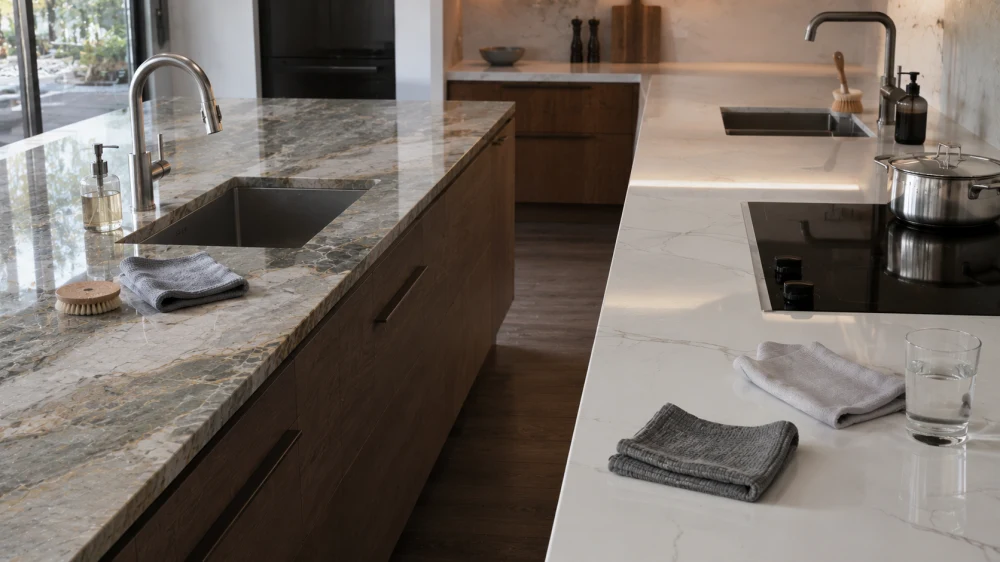
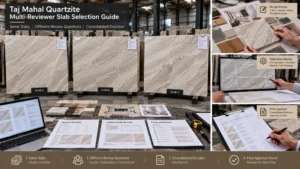
Operations teams need a practical care plan that matches the selected material and finish. Identify the expected use, cleaning frequency, cleaning products, staff responsibilities, and protection during fit-out. Natural Quartzite and porcelain slab should not be assumed to have the same care requirements merely because they occupy similar applications. Request guidance appropriate to the confirmed selection and have the owner or operator incorporate it into handover materials.
A thoughtful maintenance discussion also identifies risk ownership. The buyer can state the intended use; the design and technical teams can state the relevant performance criteria; and the responsible suppliers can provide applicable project documentation where available. That is more reliable than broad durability language without context.
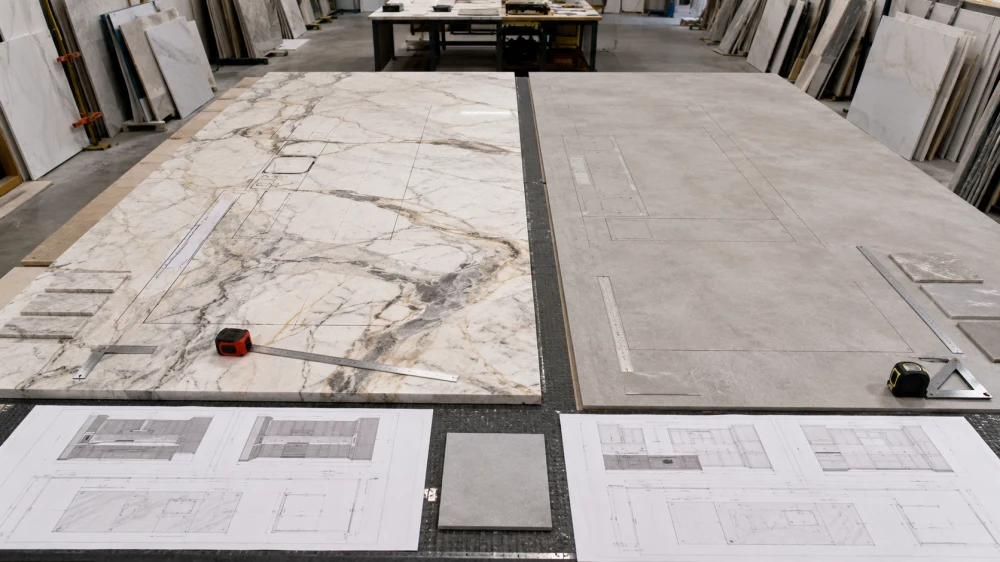
A concise approval package normally includes the material description, colour or finish intent, drawings, final dimensions, edge and joint details, sample or slab review record, layout notes where needed, packing requirements, delivery destination, and sign-off contacts. Keep revision dates visible. If the project changes after approval, repeat the affected review step rather than assuming the original approval covers the revised geometry.
For cross-border procurement, ask early about the information needed for the destination and transport plan. HRST STONE can review an enquiry in the context of the requested Natural Quartzite selection and project details. Any commercial terms, availability, testing, certification, or delivery commitments should be confirmed separately for the actual enquiry.
Decision detail for project teams
Define the use scenario
Write down what will happen at the surface after handover. Consider the room, user group, contact with food or water where relevant, cleaning responsibility, adjacent trades, traffic around the element, and whether the surface is mainly visual or actively used. This does not replace technical assessment, but it gives the design, fabrication, and procurement teams a shared starting point. The more specific the scenario, the easier it is to ask useful questions about Natural Quartzite and porcelain slab rather than relying on a broad material reputation.
Confirm the visual control points
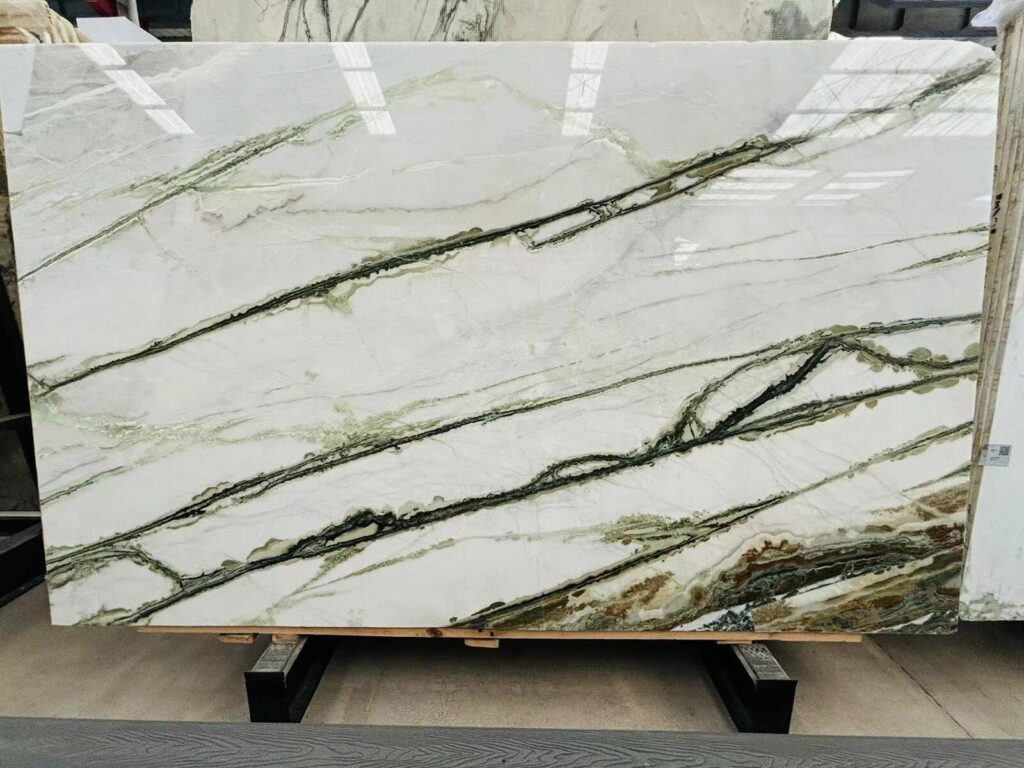
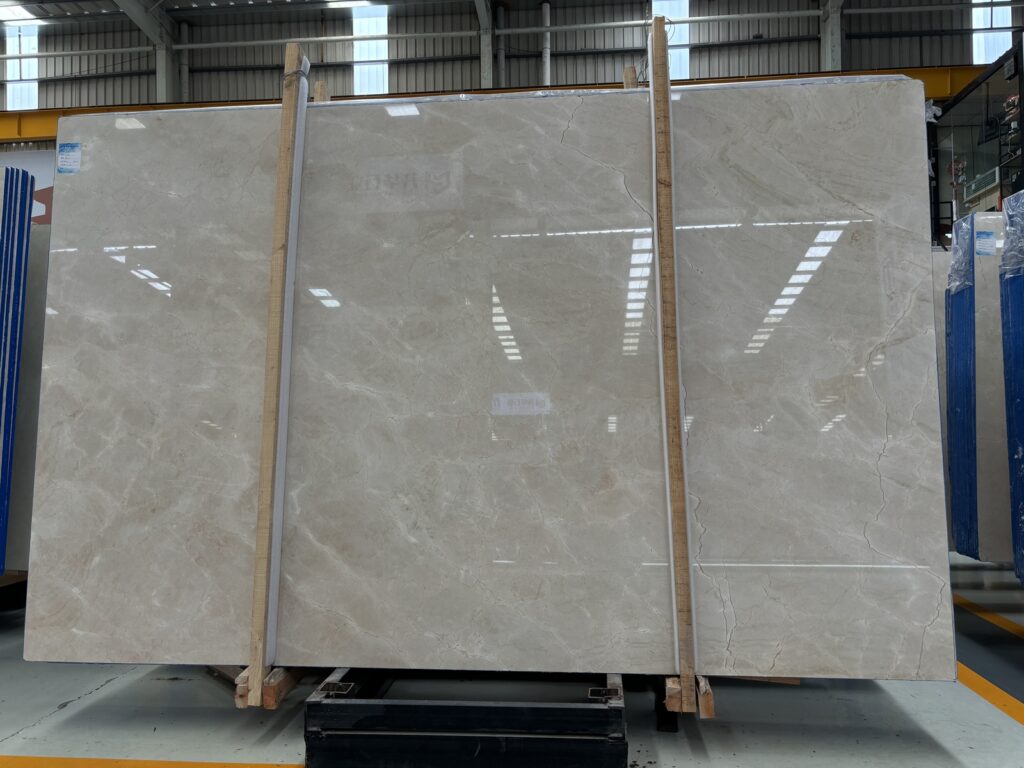
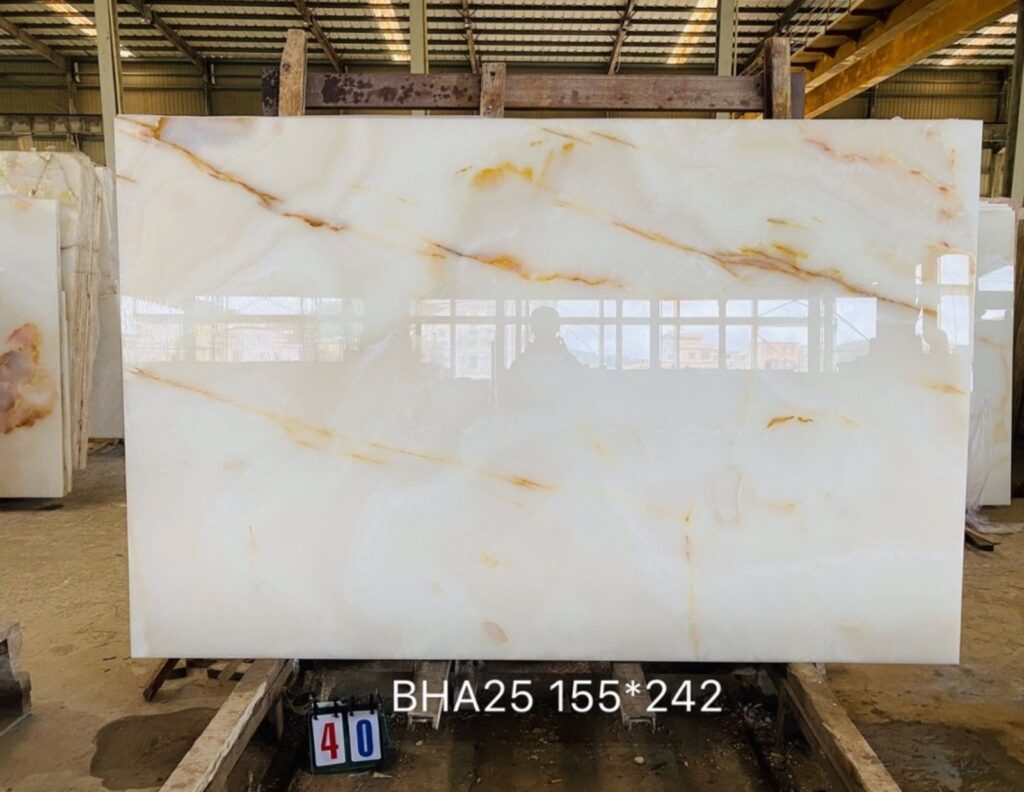
Visible stone decisions benefit from a named approver and a written sequence. Identify whether the project needs a control sample, slab images, in-person review, a layout proposal, or a mock-up. State which side of a piece is the viewing face, which direction the movement should run, where joints can fall, and which variation is acceptable. For a manufactured comparison material, identify the product design and direction with equal care. This turns an aesthetic preference into an approval record that can be discussed before cutting or installation.
Separate selection from fabrication
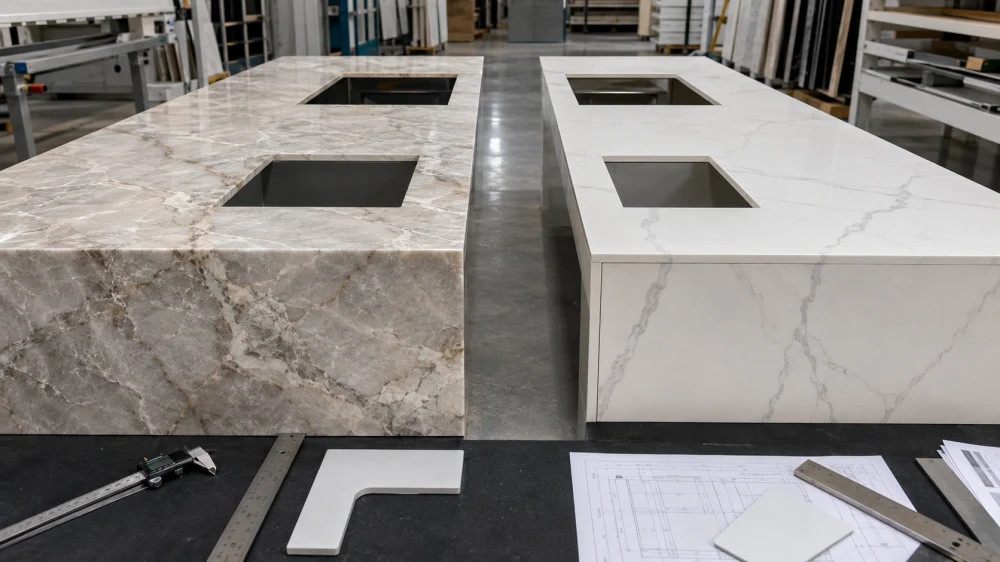
A material may be attractive in a sample and still require a different fabrication approach for the selected geometry. Give the fabricator the latest drawings and a schedule of edges, mitres, holes, drainboards, returns, seams, radii, and support conditions. Ask the responsible fabricator to review the project-specific implications. A buyer should avoid converting a general blog statement into a fabrication instruction. The material selection, the final design, and the fabrication review are connected but distinct decisions.
Make procurement information usable
An enquiry is easier to review when it separates confirmed facts from open questions. Provide the material name or comparison route, dimensions, quantity, finish, drawings, delivery destination, and desired timing if known. Flag whether the project requires a sample review, packing preference, layout input, or formal approval checkpoint. This helps Josh and the HRST STONE team understand the request without suggesting inventory, price, origin, certification, testing, or delivery terms that have not been confirmed for the specific enquiry.
Assign ownership at interfaces
Most avoidable problems appear between scopes: design approval, measurement, fabrication, transport, site access, installation, and cleaning. Identify who owns each checkpoint and how changes will be communicated. The architect or designer may own visual sign-off; the fabricator may own cut details; the contractor may coordinate substrate and access; the purchaser may control order documentation. A simple responsibility list creates more value than a generic declaration that one material is superior to another.
Keep the final comparison honest
There is no substitute for project-specific confirmation where a requirement is critical. If a team needs a particular performance, compliance document, commercial term, or installation method, it should request that information from the responsible parties and retain it with the project record. This guide supports a disciplined buyer conversation about Natural Quartzite and porcelain slab. It does not claim universal outcomes for every stone name, product, design, or site condition.
Practical checks before an order is confirmed
Before an order moves forward, compare the latest enquiry against the latest drawings. Check that quantities, measurements, thickness request, finish, edge information, cut-out information, and delivery destination have not changed since the earlier discussion. If they have changed, identify whether visual approval, fabrication review, packing, or transport planning also needs to be updated. This disciplined check is useful for Natural Quartzite and for porcelain slab because project information often evolves after the first selection conversation.
Use plain language in approvals. A short note that names the approved material, the responsible approver, the drawing revision, and any open points helps the team distinguish accepted details from assumptions. Where information remains provisional, label it as provisional. This protects everyone from treating a marketing description, a preliminary image, or a general article as a final project instruction.
Finally, keep the decision connected to the owner’s real priorities. A project may value natural movement, a particular visual rhythm, a specified product system, fabrication practicality, a cleaning plan, or a particular procurement workflow. The chosen route should answer those priorities as documented for the project. HRST STONE can then review a Natural Quartzite enquiry with Josh using clear inputs instead of guesswork.
A useful final review asks one question from each discipline. The designer can confirm that the approved appearance still supports the room concept. The fabricator can confirm that the geometry and details are workable from the current drawings. The contractor can confirm that the installation sequence and site conditions have been considered. The buyer can confirm that the enquiry and approval record identify the same scope. This cross-check does not add unnecessary complexity; it helps make the material choice understandable, traceable, and ready for the next project step. It also gives the team a documented moment to raise unresolved questions before fabrication or site work makes changes harder to manage. Teams can attach this final review to their internal approval file and refer to it during procurement, fabrication coordination, and handover discussions. This supports better follow-through.
Kitchen countertop comparison checklist
Kitchen counters are a useful example of why a simple material ranking can mislead. The project team should identify whether the main element is an island, perimeter counter, backsplash, integrated table, bar, or a combination of these. Each may have different visual, dimensional, joint, access, and installation considerations. The drawings should show appliance openings, sinks, taps, overhangs, supports, wall conditions, and the interfaces with cabinets and other finishes. The selection can then be discussed in the context of a real fabrication package.
For the Natural Quartzite route, ask how the selected stone will be visually reviewed and how movement will relate across connected pieces. For the porcelain slab route, ask how product pattern, direction, format, and joint planning will be reviewed. In both cases, confirm who holds the final measurement responsibility and when site information is considered complete. This helps the buyer avoid approving an early concept as though it were a final production drawing.
Cost, design, performance, and sourcing are connected but should not be reduced to an unverified claim. Use the enquiry process to clarify the specific scope and request project-specific commercial or technical information where needed. Keep those confirmations separate from this general guidance. A transparent record lets procurement compare the actual offers and decisions against the same brief.
During design development, record the counter edge profile, splash return, joint treatment, drainage details, and any special transition to other materials. These details influence the discussion with the fabricator and installer. If the kitchen programme includes several rooms or repeated units, identify which details are standard and which are bespoke. The same structured information makes it easier to compare Natural Quartzite and porcelain slab fairly, while keeping the project team focused on the approved drawing package.
Before handover, the contractor and owner can confirm the protection and care process for the selected surface. Cleaning guidance should come from the appropriate responsible source for the confirmed material and finish. Record the contact pathway for future questions and keep the final approval documents with the kitchen project file. This orderly close-out is valuable for homeowners, operators, designers, and procurement teams because it connects the original selection decision to the installed result.
The final choice should remain visible in the project documentation. State the approved material category, selected name or product, surface requirement, drawing revision, and any special layout instructions. If a later substitution or design change is proposed, return to the approval workflow and identify what must be reviewed again. This simple discipline helps each participant understand the current decision and reduces the risk of relying on outdated assumptions. It also provides a clear reference when project teams coordinate later procurement milestones, factory discussion, delivery planning, and final installation communication. Keep all current records accessible to the responsible project contacts.
Questions buyers should resolve before sign-off
1. Is Natural Quartzite the same as porcelain slab for kitchen countertops?
最後に
Ultimate Guide to Quartzite vs Porcelain Slab for Kitchen Countertops: Cost, Design, Performance, and Sourcing should be decided through the project brief, sample and slab review, fabrication discussion, and written approval steps. A careful comparison is more dependable than a universal material claim.
Discuss your Natural Quartzite requirement with Josh
Contact Josh at HRST STONE with the material name, dimensions, quantity, drawings, required surface, and delivery destination. Include the intended application and any approval or packing requirements so the enquiry can be reviewed in a practical order.
Copyright (c) HRST STONE / XIAMEN HRST STONE CO., LTD.
Hi, I am the author of this article. I have been working in the field of Natural Stone for more than 15 years. If you need customized Natural Stone services, please feel free to contact me.