
Introduction: Why Maintenance Matters for Curved Marble Panels
Curved marble panels, whether produced through CNC carving or segmented fabrication, represent premium architectural elements that require careful maintenance to retain their visual appeal and structural integrity. Improper care can result in surface discoloration, micro-cracks, joint deterioration, or even structural failure over time. Ensuring a structured maintenance program is crucial, particularly in high-traffic areas like hotel lobbies, commercial facades, and luxury residential spaces where both aesthetics and durability are essential. Long-term maintenance planning should be an integral part of the project workflow, starting from fabrication, transportation, installation, and extending through the lifetime of the building.
Maintenance becomes even more important for exterior installations exposed to environmental stressors such as UV radiation, acid rain, pollution, thermal expansion, and moisture. Interior panels, though less exposed, may still encounter abrasion, spillages, or cleaning-related damage. By understanding the unique requirements of CNC and segmented curved marble panels, architects, contractors, and facility managers can prevent premature degradation and avoid costly repairs or replacement.
For context, it is recommended to review previous stages of panel fabrication and installation, including:
curved marble panels fabrication guide,
flat marble slabs to curved stone panels,
CNC curved marble panels,
segmented curved marble panels joint control、 と
curved marble panel installation guide. These references provide a complete understanding of how the panels are fabricated, transported, installed, and prepared for long-term maintenance.
For technical consultation or customized maintenance schedules, clients can contact our team through
お問い合わせ or learn about the company via
会社概要.
Routine Cleaning of Curved Marble Panels
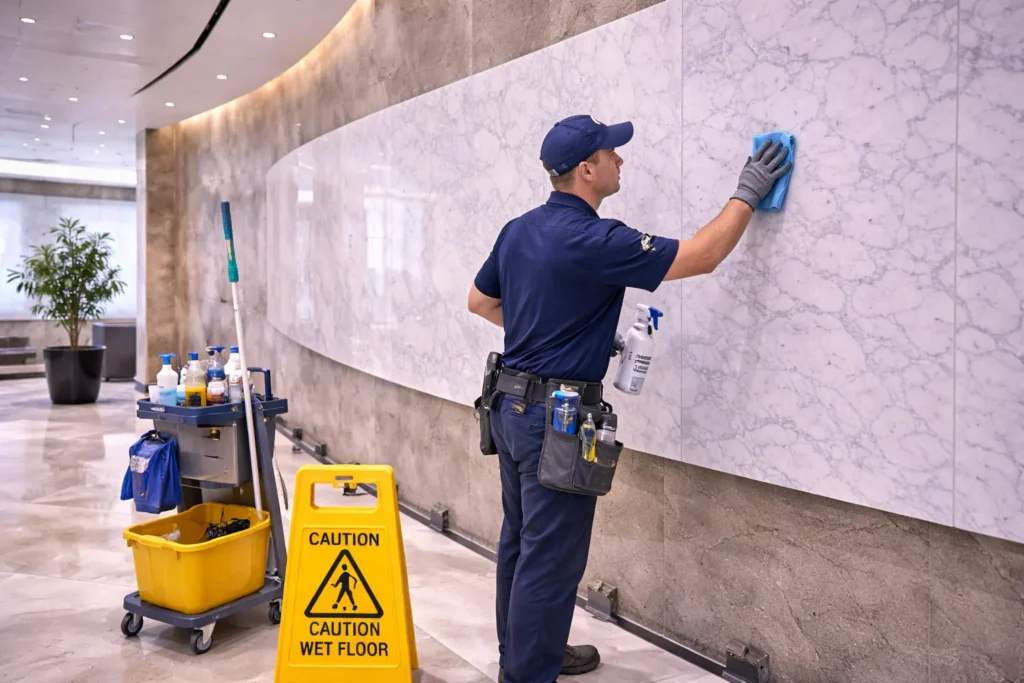
Routine cleaning of curved marble panels is the foundation of long-term maintenance. Panels should be cleaned using pH-neutral, non-abrasive stone cleaners. Acidic or alkali-based cleaners can react chemically with the marble’s calcium carbonate composition, causing surface etching and dullness over time. Cleaning should be performed with soft microfiber cloths, brushes, or low-pressure water spray systems to avoid scratching or damaging the surface finish. Polished CNC panels require particular care, as even minor scratches or etching can become visually prominent under lighting conditions. For segmented panels, extra attention should be paid to the edges and joint areas, where accumulated dirt can infiltrate sealants and compromise visual continuity.
Cleaning frequency depends on environmental exposure and traffic. High-traffic interior spaces may require daily dusting and weekly deep cleaning, while exterior facades exposed to pollution or weathering may require monthly cleaning cycles with professional equipment. For severe stains, localized cleaning with manufacturer-approved poultices or stain removers is recommended to avoid altering the panel color or creating gloss inconsistencies.
In addition to chemical care, physical handling during cleaning should be monitored. Avoid dragging hard objects across the surface and minimize contact with metal tools. Protective mats or soft pads around high-traffic zones can significantly extend the visual lifespan of curved marble panels. For exterior installations, water drainage patterns should be considered to prevent water pooling at joints, which can lead to staining or microbial growth.
Joint Inspection and Preventive Maintenance
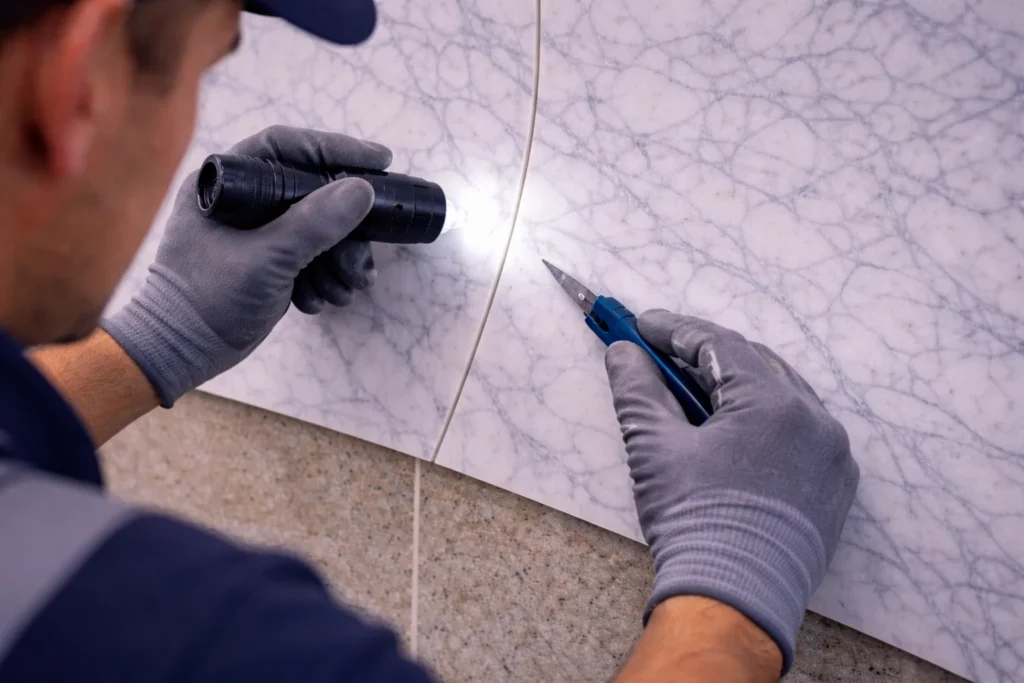
Joint integrity is a key determinant of both visual and structural performance for curved marble panels. Regular inspection of joint alignment, sealant integrity, and mechanical anchor tightness is necessary. For segmented panels, visual continuity relies on consistent joint width and flushness. Uneven or separated joints can become conspicuous over time, especially under lighting that accentuates shadows along panel edges.
Preventive maintenance of joints includes the reapplication of compatible sealants, removal of dirt or debris trapped within joints, and adjustment of mechanical anchors. When panels are exposed to thermal fluctuations or moisture variations, expansion joints may need periodic re-evaluation to ensure that movement does not cause stress fractures or adhesion failure. Documented inspection protocols, including photographic evidence, are recommended to track maintenance progress and detect trends indicating potential issues before they escalate.
Surface Protection Strategies
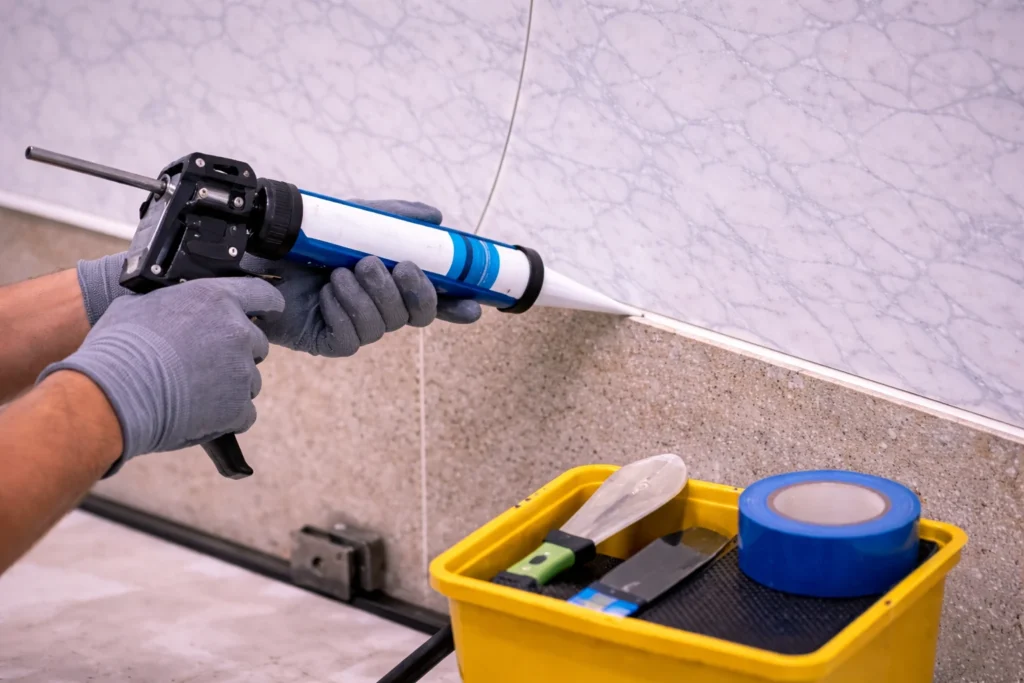
Surface protection is essential for maintaining the aesthetic quality and longevity of curved marble panels. Impregnating sealers penetrate the stone surface and reduce the absorption of water, oils, and environmental contaminants without altering the natural appearance. Protective waxes or polishes can enhance visual sheen but must be compatible with the panel finish and applied according to manufacturer guidelines.
For polished CNC panels, protective treatments reduce the risk of etching and scratches, maintaining the reflective quality. For segmented panels, sealers also protect exposed edges, ensuring joint lines remain unobtrusive. Exterior panels require sealers that resist UV degradation and prevent biofilm or algae growth. In all cases, the selection of protective materials should consider both chemical compatibility and long-term maintenance cycles.
Preventive Care for Structural Durability
Preventive care extends beyond surface aesthetics. Anchoring systems must be checked to ensure panels remain secure over time. CNC curved marble panels, being heavier, may require mechanical anchor adjustments, while segmented panels rely on both adhesive and anchoring strategies. Environmental exposure can accelerate wear or loosening; for exterior panels, wind loads, thermal expansion, and moisture penetration are key considerations.
Structural inspections should include monitoring for micro-cracks, displacement, or joint separation. Early detection allows minor adjustments before significant damage occurs. Preventive care also includes monitoring for vibrations from nearby construction, seismic activity, or heavy machinery, which can affect the stability of both CNC and segmented curved marble panels.
Cleaning and Maintenance Schedule Table
| Interval | Maintenance Task | Notes |
|---|---|---|
| Weekly | Surface dusting and spot cleaning | Use pH-neutral stone cleaner with microfiber cloths |
| Monthly | Joint inspection and minor adjustments | Check sealant integrity, flush edges, verify alignment |
| Quarterly | Deep cleaning and surface treatment | Low-pressure water or professional cleaning for exterior panels |
| Annually | Protective coating and structural check | Apply impregnator or polish; inspect anchors and joints |
Common Maintenance Challenges and Solutions
Typical issues include surface stains, scratches, joint separation, anchor loosening, and environmental wear. Stains may result from accidental spills, acidic exposure, or pollution. Scratches can occur from abrasive cleaning tools or improper contact with objects. Joint separation may stem from thermal expansion or adhesive degradation. Preventive strategies include using soft cleaning tools, protective mats, monitoring anchors, and maintaining a documented inspection schedule.
For exterior installations, panels are subject to more extreme conditions. Wind-driven debris, thermal cycling, and UV exposure can accelerate wear. Protective sealers, proper drainage, and periodic anchor checks are critical to prevent long-term damage.
Maintenance for large segmented panels requires particular attention. Misaligned segments or uneven sealant application can create visual inconsistencies that affect the perception of curvature. Dry assembly checks, laser alignment tools, and controlled adjustments during maintenance help preserve the intended radius and flushness of the surface.
Installation and Post-Installation Maintenance Considerations
After installation, continued maintenance ensures that CNC and segmented panels remain stable and visually consistent. Any adjustments required for mechanical anchors or adhesive joints should be performed promptly. Surface cleaning should avoid harsh chemicals or high-pressure washers that could damage polish or compromise joint integrity.
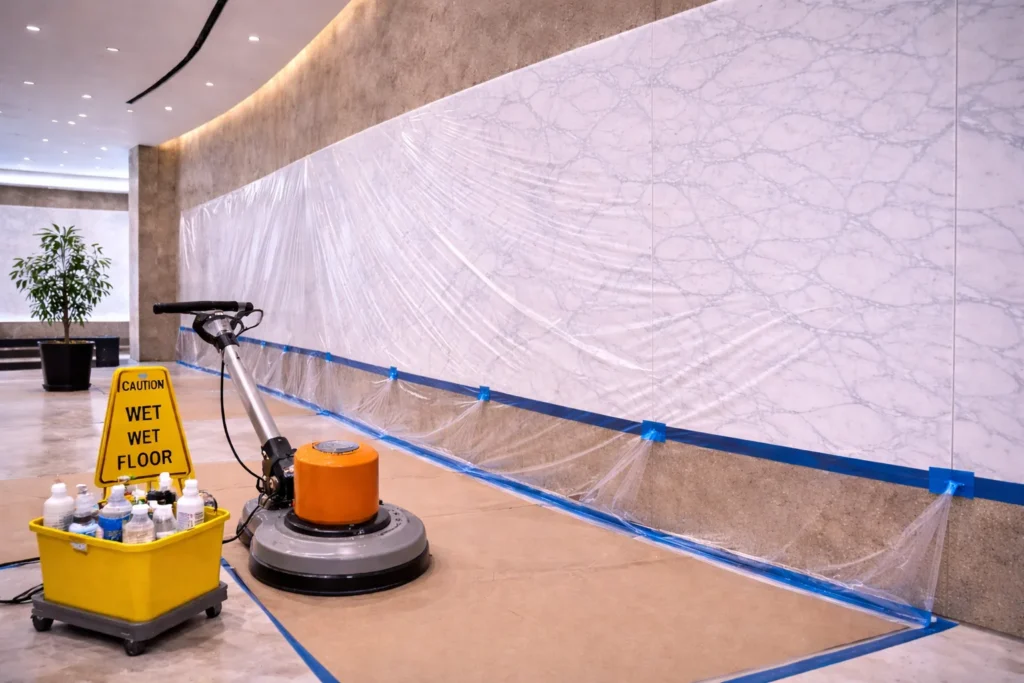
Preventive measures, including protective coverings during construction or renovations, help prevent accidental damage. Staff training on safe handling and cleaning practices is also essential, particularly in hotels, commercial spaces, or public buildings.
よくある質問
1. How often should curved marble panels be cleaned?
Weekly for interior panels and monthly for exterior panels; adjust based on traffic, exposure, and material finish.
2. What type of cleaner should be used?
Use only pH-neutral, non-abrasive stone cleaners recommended by the manufacturer to avoid surface damage.
3. How can joint alignment be maintained?
Inspect regularly, reapply sealants, and adjust mechanical anchors if necessary to ensure consistent spacing and flushness.
4. How are polished CNC panels protected?
Apply compatible impregnators or polish and avoid abrasive contact; periodic inspection is recommended.
5. What should I do if a panel cracks or shifts?
Isolate the affected panel, perform repair or replacement according to guidelines, and verify surrounding panel alignment.


