
ブログ

小雪:中国独特の冬の伝統に出会う

簡単なまとめ


Light Snow (Xiaoxue) is one of China’s 24 solar terms, marking the gentle arrival of winter. It blends climate observation, cultural traditions, and seasonal wellness. From subtle snowfall and warming foods to mindful routines, Light Snow teaches patience, preparation, and appreciation of nature’s quiet changes, offering global readers insight into China’s unique seasonal wisdom.

Light Snow (小雪, Xiaoxue) is the 20th of China’s 24 solar terms, signalling the moment when cold air strengthens and the first light snows appear—especially in northern China. More symbolic than literal, Light Snow represents the quiet arrival of winter. For global readers, it offers a window into China’s unique way of blending astronomy, agriculture, health wisdom and cultural traditions into everyday life.

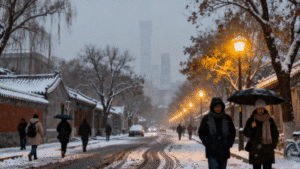
Picture a late-November morning in Beijing. The wind nips your nose, vendors warm their hands over coal stoves, and the first flutter of snow instantly melts on your sleeve. No dramatic storms, no cinematic blizzards—just an elegant whisper from winter. This understated beauty is what the Chinese call Light Snow.

Three Pain Points International Readers Often Have

1. “The 24 Solar Terms sound complicated—why should I care?”

Many foreign readers have heard the phrase but don’t understand its cultural importance.

2. “Does Light Snow actually mean it snows?”

The name is poetic, but the weather varies dramatically across China.

3. “Are these traditions relevant in modern life?”

People want practical meaning—not just historical curiosity.


Three Clear Solutions / Practical Insights

1. Think of Light Snow as China’s seasonal calendar

Just as Western cultures use solstices and equinoxes, China uses 24 solar terms to mark climate patterns, farming cycles and seasonal habits.

2. Use it as a wellness reminder

Traditional Chinese medicine (TCM) suggests adjusting diet, sleep and exercise as temperatures drop—something modern wellness culture can appreciate.

3. Treat it as cultural storytelling

Light Snow helps you understand China’s worldview: living with nature, not fighting against it.


Case Examples: How Light Snow Is Experienced Today

Example 1: Seasonal Foods in Chinese Homes

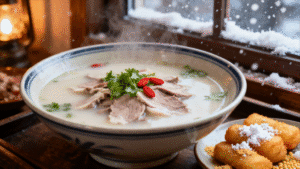
Families in northern China often start preparing warming dishes—lamb stew, millet porridge, lightly spiced soups. These foods are not just tasty; they help the body store energy for colder weeks ahead.

Example 2: Rural Life and Agriculture

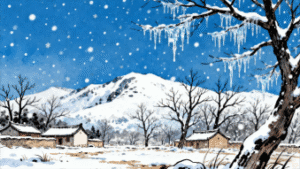
In farming regions, Light Snow marks the time to protect winter wheat and maintain soil moisture. Farmers also use this period to repair tools and prepare for the next planting season.

Scientific & Climate Insights

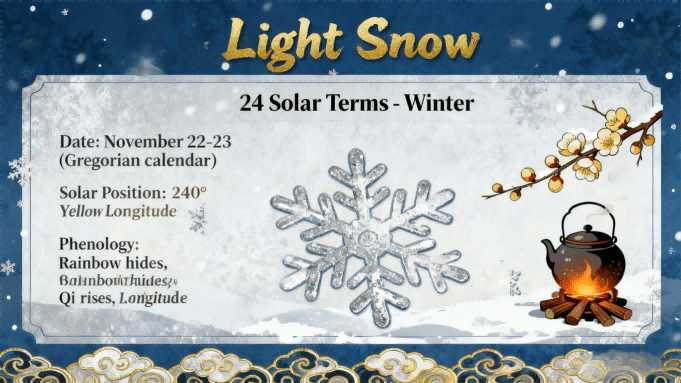
Light Snow occurs when the Sun reaches 240° longitude on the ecliptic, usually around 22–23 November each year. Temperature drops sharply across East Asia as cold continental air pushes south.

  • Northern China: occasional light flurries

  • Southern China: nearly no snow, but significant cooling

  • Beijing’s average Light Snow temperature: approx. 0–5°C

Comparatively, Europe’s late-November climate resembles early Light Snow conditions—short days, mild frosts, and transitional weather.


Trends & Global Cultural Insights

  • More international travellers now explore China’s solar-term tourism, experiencing traditional winter markets and rural landscapes.

  • UNESCO listed the 24 Solar Terms as Intangible Cultural Heritage, increasing global awareness.

  • Wellness enthusiasts abroad are adopting seasonal eating habits inspired by TCM—warm grains, root vegetables, ginger teas.


Style & Usage Suggestions: How Readers Can Apply This Today

1. Try a “Light Snow menu”

Warm congee, lamb broth, roasted sweet potatoes. Easy to recreate, surprisingly comforting.

2. Adjust your winter routine

Earlier sleep, slower mornings, gentler exercise—mirroring nature’s quiet transition.

3. Use Light Snow as a mindfulness cue

Pause and observe subtle seasonal changes around you: shortened days, crisp air, calmer landscapes.

FAQ About Light Snow 

1. Does Light Snow always mean it will snow?

Not necessarily. In most of China, it simply marks the period when snow 5月 appear, not a guarantee.

2. When is Light Snow each year?

Generally 22–23 November, based on the Sun reaching 240° on the ecliptic.

3. Is Light Snow still relevant in modern China?

Yes—farmers, cultural practitioners and wellness enthusiasts still reference the solar terms.

4. Is Light Snow a festival or a holiday?

No. It’s a seasonal marker, not a celebration.

5. What foods are recommended during Light Snow?

Warm, nourishing dishes: lamb, millet porridge, ginger soups, root vegetables.

6. Is Light Snow the same everywhere in China?

Climate varies. Northern China may see snow; southern China often stays dry.

7. How does Light Snow relate to Western seasons?

It corresponds loosely to late autumn transitioning into early winter.

Quick Insight: Light Snow (Xiaoxue) & China’s Early Winter Traditions

Light Snow marks the gentle arrival of winter in China. It’s a time for warming foods, mindful routines, and preparing both body and land for the colder months ahead.

Key Highlights:
• Signals early winter and first light snowfalls.
• Guides seasonal diets and wellness practices.
• Informs agricultural preparation for northern crops.
• Celebrated as part of China’s 24 Solar Terms heritage.

“Observe nature’s subtle changes, prepare with care, and live in harmony with the seasons.”

Conclusion & Call to Action

Light Snow isn’t just a meteorological moment—it’s a cultural lens. It teaches patience, preparation and appreciation for life’s small seasonal shifts. Whether you’re exploring Chinese culture or seeking thoughtful winter habits, Light Snow offers an elegant starting point.

👉 If you want more articles on the 24 Solar Terms, Chinese festivals or seasonal wellness, feel free to request another topic!

o learn more about the 24 solar terms, you can check the relevant articles on https://www.hcenturystar.com/.

関連製品

1.スプレンダーホワイト 1654826078133.スプレンダーホワイト 1

スプレンダーホワイト御影石

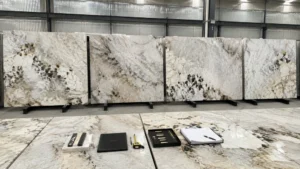
この見事なブラジルの花崗岩の名前は、雪を頂いた山頂の壮麗さを思い起こさせます。スプレンダー ホワイト花崗岩の黒と白の継ぎ目は、私たちを永遠の氷の王国へと連れて行ってくれます。
スプレンダーホワイト御影石はブラジル産で、その印象的な美しさで私たちを驚かせます。このゴージャスな天然石は…

続きを読む "

ヴィオラ カラカッタ マーブル

イタリア最古の大理石採石場の 1 つから採取されたカラカッタ ヴィオラ大理石は、これまで大理石の表面が存在しなかった場所に使用されます。ご自宅のキッチンのセンターピースに最適なカラカッタ ヴィオラ マーブルは、豊かなカベルネの色合いとクリーミーな白のカラーリングが特徴です。

続きを読む "
ソーダライト青花崗岩カウンタートップ 1665127254259

ソーダライトブルーの花崗岩

ブルー ソリッド 花崗岩は、流れるようなパターンで白と青を組み合わせたものです。 Blue Solidate Granite は、商業用と家庭用の両方の建設プロジェクトに適しています。プレハブのカウンタートップや作業台、化粧台、タイル、バックスプラッシュ、舗装、暖炉の周囲、または小さなパーツの場所の装飾品、さらにはリビングルームやダイニングテーブルのコンソールテーブルにも使用できます。

続きを読む "

ネロ・マルキーナ大理石

ネロ・マルキナ大理石は、白い脈が入った黒い緻密な構造で、中国の広西チワン族自治区と湖北省から産出される。その耐久性、耐霜性、耐摩耗性、硬度は国際基準を満たしています。

続きを読む "