
Blog

Natural Stone Essentials: Types, Features, and Common Uses

When it comes to building materials that stand the test of time, STONE remains unmatched. Whether for architectural exteriors, luxurious interiors, or durable public works, natural stone is valued for its aesthetic appeal, durability, and unique patterns. But what exactly are the different types of natural STONE? How are they classified and named? What are the practical applications and distinguishing features of granite, marble, limestone, slate, and more?

In this comprehensive guide, we answer all your questions and explore the essentials of STONE materials—from geological composition to modern design usage. Brought to you by PRIMERA PIEDRA, a leading name in the global stone industry.

Classification of Natural STONE Materials

According to the American Society for Testing and Materials (ASTM), natural decorative STONE is generally divided into six main categories:

  1. Granite (G)
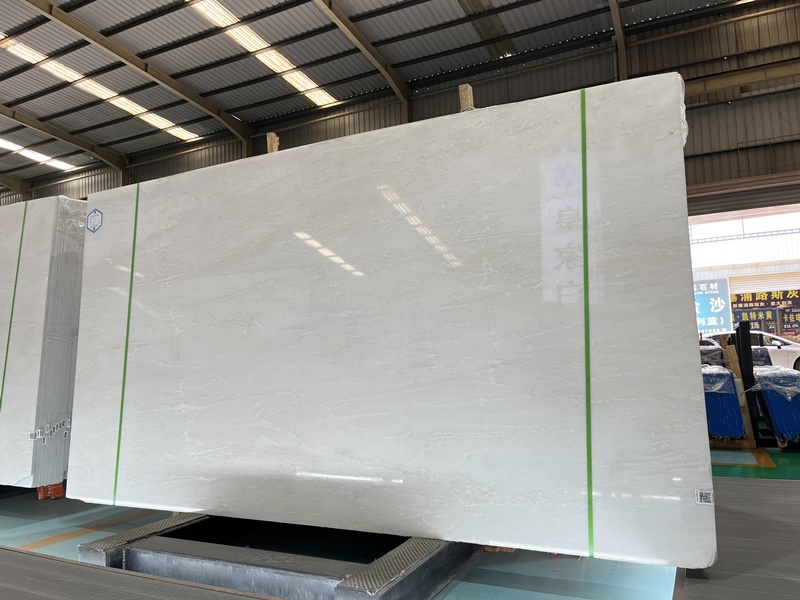
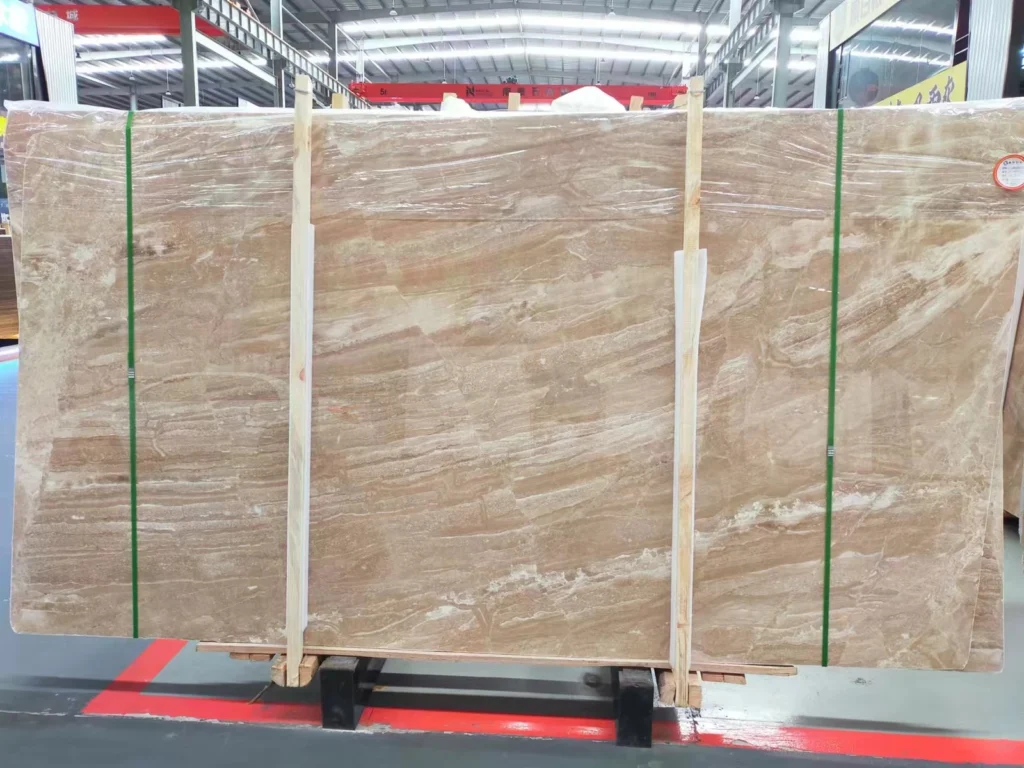
  2. Marble (M)
  3. Limestone (L)
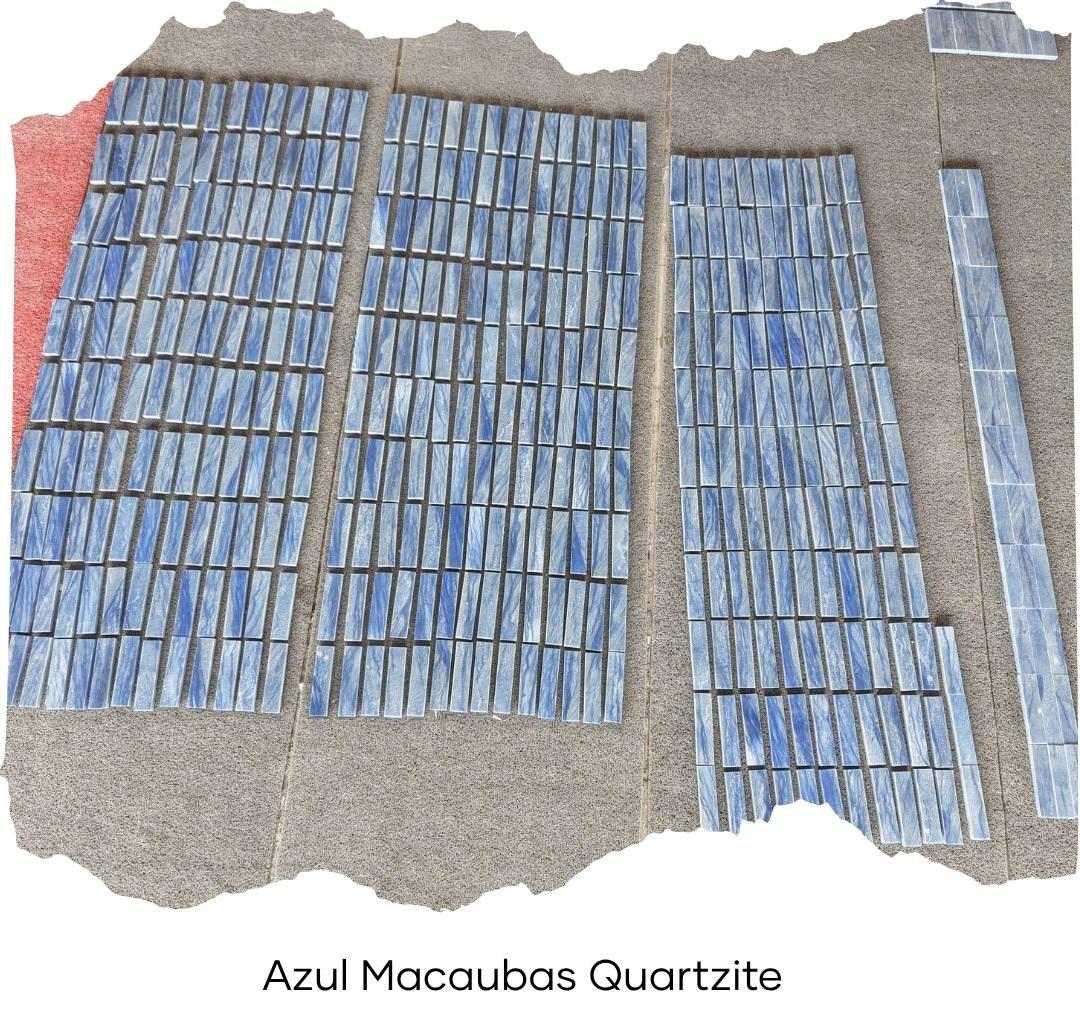
  4. Quartz-based Stone (Quartzite)
  5. Slate (S)
  6. Other Natural Stones (e.g., sandstone)

Each category has distinct properties and applications, making them suitable for different uses in construction and design


How Natural STONE Gets Its Name

Natural STONE names often reflect a combination of factors:

  • Color and Pattern: For example, names like “Golden Spider” or “Ink Vein” depict visual characteristics.
  • Origen: Many stones are named after their places of origin, like “Indian Black” or “Brazilian Green.”
  • Marketing Appeal: Names are also chosen for their poetic, symbolic, or exotic flair, such as “Life’s Origin” or “Buddha’s Light.”

Note: Some stone names can be misleading. For instance, “French Beige” may actually come from Indonesia.

Key Mineral Compositions in STONE

Natural stones are composed of various minerals formed through geological processes. Some of the most common include:

  • Cuarzo
  • Feldspar
  • Mica
  • Calcite
  • Dolomite
  • Serpentine

These minerals determine the stone’s hardness, porosity, appearance, and chemical resistance.


Common Types of STONE and Their Features

Granito

Composition: Quartz, feldspar, and mica (Quartz 20–40%, Feldspar 40–60%)

Características:

  • High hardness and strength
  • Low porosity and water absorption
  • Resistance to acid and weather
  • Difficult to process but offers long-lasting shine

Aplicaciones:

  • Interior flooring and walls
  • Outdoor paving and monuments
  • Bridges, foundations, piers

Mármol

Composition: Calcite, dolomite, serpentine

Características:

  • Softer than granite
  • Unique, flowing patterns
  • Higher porosity, easier to process

Aplicaciones:

  • Sculpture and decorative elements
  • Countertops, bathrooms, and feature walls

Limestone

Composition: Predominantly calcite

Características:

  • Soft and relatively easy to carve
  • Highly reactive with acids
  • Warm tones (gray, cream, beige)

Aplicaciones:

  • Exterior facades, fireplaces
  • Traditional and classical architecture

Quartzite vs. Quartz Stone

  • Quartzite: Natural metamorphic rock, very hard and resistant
  • Quartz Stone (Engineered): Man-made from over 90% quartz mixed with resin

Key Difference: Quartzite is natural; quartz stone is artificial.

 Slate

Características:

  • Formed by sedimentary compression
  • Cleaves easily into sheets
  • Dark, earthy tones

Aplicaciones:

  • Roofing, flooring, outdoor paving

Artificial Stones and Mosaics

  • Artificial Stone: Made using resins, pigments, cement, and stone particles
  • Mosaic Tiles: Often produced using leftover or specially cut stones

Types of Stone Mosaic:

  1. Molded Mosaics
  2. Small Particle Mosaics
  3. 3D Textured Mosaics
  4. Broken Surface Mosaics
  5. Carpet-Style Mosaics
  6. Castle Bricks

Preguntas más frecuentes (FAQ)

Q1: Is granite better for outdoor use than marble?

A: Yes. Granite is less porous, more weather-resistant, and better suited for external applications.

Q2: How can I tell if a stone is natural or man-made?

A: Natural stones have irregular patterns and may contain mineral veins. Man-made stones often show air bubbles or mold lines.

Q3: Are all stone names tied to their country of origin?

A: Not always. While many are, some popular names may be creatively chosen for appeal rather than accuracy.

Q4: What are the advantages of using natural stone in interior design?

A: Unique textures, timeless beauty, eco-friendliness, and added property value.

Q5: What surface finishes are available for stone?

A: Polished, honed, brushed, flamed, and water-washed (e.g., water-jet finish adds texture using high-pressure water).


Design Classification – Aesthetic Perspective

Besides geological types, stones are often grouped by color tones in architectural design:

  • White Series
  • Beige/Yellow Series
  • Gray Series
  • Blue Series
  • Green Series
  • Red Series
  • Brown Series
  • Black Series
  • Specialty Colors (multi-tone or iridescent)

This helps designers match stone aesthetics with the overall color palette of the space.


Why Choose HRST STONE?

  • 🌍 Global Reach: We source and supply premium quality stones worldwide
  • 🏭 Direct Factory: In-house production ensures competitive prices
  • 🛠️ Customization: Tailor-made solutions for residential and commercial projects
  • 🎨 Design Support: A wide variety of patterns, colors, and finishes
  • 📦 Reliable Logistics: Fast delivery and international shipping

PRIMERA PIEDRA brings nature into your life—elegantly and sustainably.

Conclusión

Understanding the world of STONE is more than knowing names—it’s about appreciating history, geology, and design. From granite’s strength to marble’s elegance and quartzite’s brilliance, each STONE tells a story.

So, what’s the right STONE for your project? That depends on your needs, vision, and the expert advice from industry leaders like HRST STONE.

✨ Explore more: www.quartzite-stone.com
📩 Email: assistant@hrststone.com
📱 WhatsApp: +86 13685922793
 

Productos relacionados

1.ModaVerde 1654828854775.ModaVerde 3

Granito verde de la moda de Brasil

Fashion Green Granite es un producto de piedra natural de nuevo estilo, es una buena selección para mesas de comedor, mesas de café, barras, etc., muy popular para la decoración del hogar. y hermosa piedra de granito muy recomendable.

Leer más "

Mármol verde selva

El mármol Rainforest Green es un mármol verde vibrante y variado con intrincadas vetas y remolinos que recuerdan al follaje de la selva tropical. Es popular por su atractivo estético y durabilidad, lo que lo hace adecuado para proyectos residenciales y comerciales. Es fácil de mantener y se puede pulir hasta conseguir un acabado de alto brillo, lo que realza aún más su atractivo visual.

Leer más "
BlueRiver1 1654740120825

Mármol azul del río de China

El mármol azul extraído en China se conoce como China Blue River Marble. Encimeras, mosaicos, aplicaciones externas e interiores de paredes y pisos, fuentes, revestimientos de piscinas y paredes, escalones, marcos de ventanas y otros proyectos de diseño se benefician enormemente de esta piedra. A juzgar por el patrón, el largo proceso de diagénesis geológica ha creado los hermosos patrones de China Blue River Marble, que son variados y no se pueden replicar.

Leer más "

Cuarcita Statuario Plata

La cuarcita blanca Calacatta es un tipo de cuarcita exótica con vetas de color gris oscuro de base blanca que se extrae en Brasil. Esta encantadora piedra es especialmente buena para encimeras, monumentos, mosaicos, aplicaciones de pisos y paredes exteriores e interiores, fuentes, revestimiento de piscinas y paredes, escaleras, marcos de ventanas y otros proyectos de diseño. También se llama cuarcita blanca Calacatta, mármol blanco Calacatta.

Leer más "