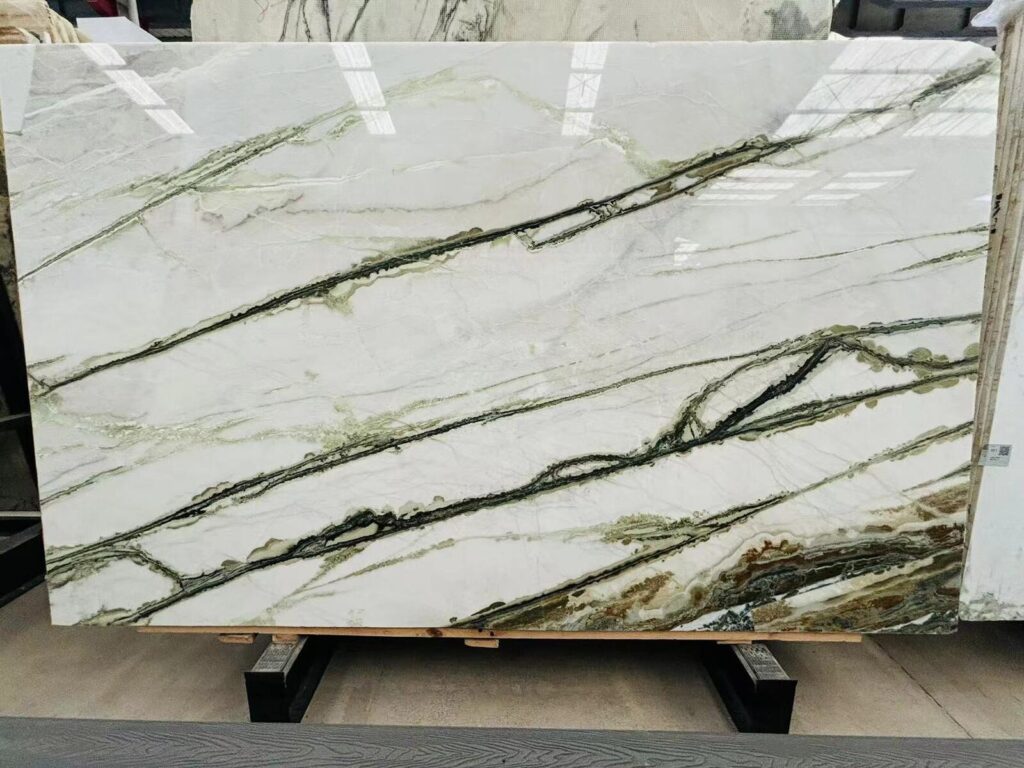


ملخص سريعيمكن أن تجعل الصور المعلّقة ملخص تصنيع الكوارزيت أسهل بكثير في الفهم عندما تشير إلى بلاطة مادية معينة، أو قطعة، أو حافة، أو فاصل، أو فتحة، أو ميزة نمطية، أو واجهة. مهمتها هي إيصال النية البصرية وتركيز الانتباه — وليس استبدال الرسم التصنيعي الحالي، أو الأبعاد المُثبتة، أو معلومات القص الخاصة بالمصنع، أو تخطيط البلاطات، أو غيرها من الوثائق التقنية الضابطة. عادةً ما يجمع الملخص المصوّر المفيد بين صورة سياق رئيسية وعدد قليل من صور التفاصيل المستهدفة، ومعرّفات القطع الثابتة، وسهام بسيطة أو مناطق محددة باللون، وإشارة إلى إصدار الرسم الحالي، وتعليقات قصيرة تميز التعليمات عن الأسئلة. يجب أن يكون الصانع قادرًا على فهم ما تظهره الصورة، وأي مكوّن من مكونات المشروع تشير إليه، وما هو القرار المطلوب، وما الذي لا يزال يحتاج إلى رسم أو قالب أو تخطيط للبلاطة أو تأكيد تقني.
قد يصبح من الصعب شرح مشروع الكوارزيت بسرعة مدهشة.
يرغب المصمم في جعل إحدى الميزات المعدنية أقرب إلى مركز الجزيرة.
يرغب العميل في نقل منطقة أغمق بعيدًا عن الحوض.
ينبغي أن ينعطف طرف الشلال في اتجاه واحد بدلاً من الآخر.
يجب أن يأتي الرذاذ الجانبي من جزء أكثر هدوءًا في البلاطة.
إحدى الحافات مرئية؛ والأخرى ملامسة للجدار.
إصلاح معين مقبول في موضع معين لكنه غير مقبول بجوار فتحة ضيقة.
محاولة شرح كل هذا في رسالة واحدة قد تنتج جملًا مثل:
“استخدم القطعة الموجودة على اليسار، لكن لفّها، وحافظ على ذلك الخط الداكن نحو الخلف، باستثناء الجزء القريب من الحوض الذي يجب أن يتحرك قليلًا نحو اليمين.”
يمكن للصورة الفوتوغرافية المعلّقة أن تجعل هذه التعليمات أسهل بكثير في الفهم.
لكنها قد تخلق مشكلة جديدة أيضًا إذا بدأ المصنع يتعامل مع الصورة كرسم تصنيعي.
هذه هي المشكلة الحقيقية وراء كيفية إعداد ملخص لصانع الكوارزيت باستخدام صور معلّقة.
يوفر أقوى سير عمل لكل وثيقة مهمة واضحة:
الصورة → توضح السياق والنية البصرية.
التعليق المكتوب → يشير إلى المسألة أو الأولوية الدقيقة.
الرسم → يتحكم في الهندسة والمعلومات التصنيعية الحالية.
تخطيط البلاطات → يربط القطع النهائية بالكوارزيت الطبيعي الفعلي.
رد الصانع → يؤكد ما يمكن تنفيذه وما زال يحتاج إلى توضيح.
تكون الصورة المعلّقة ذات قيمة قصوى عندما يتمكن أحد أطراف المشروع من رؤية شيء يصعب وصفه بالكلمات وحدها.
يمكن للصورة أن تبيّن على الفور:
يمكن لسهم بسيط، أو حدود، أو دائرة، أو منطقة مظللة، أو تعليق رقمي قصير أن يخبر الصانع:
“هذه هي الميزة التي نتحدث عنها.”
وهذا أكثر فائدة بكثير من إرسال نفس الصورة مع رسالة منفصلة تقول:
“انظر بالقرب من الجزء العلوي الأيسر.”
يمكن للصورة أن تبيّن تقريبًا مكان وجود الحوض.
ولا ينبغي لها أن تحدد فتحة الحوض تلقائيًا.
يمكن للصورة أن تبيّن اتجاه الشلال المطلوب.
ولا ينبغي لها أن تحدد هندسة التوصيل (الميتري) تلقائيًا.
يمكن للصورة أن تبيّن أي حافة مرئية.
ولا ينبغي لها أن تحدد أبعاد ملف حافة تلقائيًا.
قاعدة الصورة المعلّقة
استخدم الصورة لتوضيح مكان البحث و ما هو المهم. استخدم الرسم الحالي، أو القالب المُثبت، أو معلومات المصنع، أو وثيقة التصنيع المعتمدة لتحديد ما سيتم قصّه فعليًا.
A useful fabrication brief does not need dozens of screenshots.
It needs enough photographs to move from the whole project to the exact detail without losing context.
Start with one image that answers:
What part of the project are we talking about?
This might show:
The purpose is orientation.
A reviewer should understand where every later detail image belongs.
Use this image when the instruction concerns Natural Quartzite pattern placement.
يمكنها أن توضح:
For directional Quartzite, this image should remain connected to the actual slab and piece ID.
Use a closer image for one local issue such as:
The image should still make it possible to identify which finished piece is being discussed.
This image exists only when something requires special attention.
على سبيل المثال:
This fourth image is not mandatory.
If there is no exceptional interface, do not manufacture one just to complete a template.
Photo-Pack Logic
Master View → Material / Layout View → Fabrication Detail → Exception Only If Needed. More images are useful only when they answer an additional project question.
A good marked-up photo should be understandable even if the person viewing it did not participate in the original conversation.
The annotation system does not need to be complicated.

Use stable references such as:
I-01 — Island top
WF-L — Left waterfall
V-01 — Vanity top
W-06 — Wall panel
The exact naming system can vary.
Consistency matters more than the code itself.
An arrow can show:
But its meaning should be stated.
الدليل ذو الصلة رموز اتجاه عروق الكوارزيت للمخططات الإنشائية guide explains why an arrow should work together with piece IDs, visible faces, seams, and actual slab layouts rather than being treated as a universal symbol.
A transparent outline or shaded area can identify:
Do not use a large coloured circle if the actual question concerns a small, precise condition.
One of the most useful annotations is not an instruction.
It is a question.
على سبيل المثال:
“Can this edge remain from this slab position?”
“Please confirm whether this feature affects the sink-zone layout.”
“Can this return be fabricated from the same piece?”
This tells the fabricator that technical judgment is being requested rather than dictated.
| Annotation | Useful Meaning | لا تفترض |
| معرّف القطعة | Identifies the component being discussed | That the photo itself defines dimensions |
| Arrow | Shows a defined direction or visual movement | That every viewer interprets the arrow the same way |
| Outline / Zone | Shows where a visual decision applies | That the drawn outline is a fabrication template |
| Question Callout | Requests fabricator review | That the buyer has already specified the technical solution |
Annotated photographs are especially useful for visual and relational information.
A slab photograph can show:
“Keep this large mineral area inside the island.”
أو:
“Prefer the quieter zone for the backsplash.”
That instruction can then be tested against the actual cutting layout.

For returns, waterfall ends, wall panels, furniture, and other multi-face pieces, the photo can clearly identify which surface matters visually.
A photograph can explain why one proposed seam feels visually disruptive.
The project can then ask the fabricator to return a revised layout rather than trying to design the technical seam directly on a screenshot.
An annotated site or rendering photograph can mark:
VISIBLE EDGE
versus:
WALL SIDE / NON-VISIBLE EDGE.
The current fabrication drawing should still define the approved edge detail.
If a particular condition requires review, mark its location relative to the proposed finished piece.
Location is often more useful than a close-up alone.
A feature outside the finished component asks a different question from the same feature beside a cutout or narrow remaining stone zone.
Site photographs can show:
The photograph should supplement the project geometry rather than replace measured information.
This is the most important limit of the method.
A sink photograph can show which sink is being discussed.
It cannot reliably define the stone opening.
The exact model, current manufacturer information, accepted template, approved CAD information, or another agreed fabrication basis should control irreversible cutting.
ال قواطع أحواض الكوارتزيت: لماذا تحتاج التفاصيل الزاوية إلى موافقة الصانع guide makes this distinction explicit: a product photograph or approximate dimension should not become the fabrication geometry for a Natural Quartzite opening.

A dimension drawn over a perspective photograph can be useful for discussion.
It can also be misleading if the photo is not orthographic or scaled.
Use the current drawing, field measurement, template, verified CAD, or other approved basis for final dimensions.
A photograph can communicate:
“We want a visually softer edge like this.”
The production document should still define the actual approved profile.
An annotated photo can show:
“This area is unsupported in the current site photograph.”
It should not automatically prescribe a structural solution.
A photograph can identify an interface.
It cannot substitute for the responsible technical documentation governing:
Photo vs DrawingAnnotated Photo: “This is the visible edge we care about.”
Fabrication Drawing: “This is the current approved edge geometry.”
Annotated Photo: “Keep this mineral feature away from the sink zone if feasible.”
Fabrication Drawing / Layout: “This is the verified sink opening and actual proposed cutting position.”
The biggest risk with annotated photos is not poor annotation.
It is an old screenshot remaining active after the project changes.
A photo package should identify the current basis, for example:
Drawing R04
Layout L03
Slab TM-231
Piece I-01
The exact format can vary.
The relationship should not.
لنفترض:
R02 shows the sink 100 mm farther left.
R03 changes the sink model.
R04 contains the approved current geometry.
If somebody later sends a beautifully annotated R02 screenshot, the clarity of the arrows does not make the geometry current.
A comment such as:
“Prefer this lighter slab area for the island.”
may be a visual instruction.
A comment such as:
“Move the sink here.”
changes project geometry and should return to the current drawing workflow.
A useful annotated-photo comment can say:
“Please move the proposed seam away from this focal mineral feature if technically feasible and return a revised layout for approval.”
That keeps the buyer’s visual intent clear while allowing the fabricator to revise the controlled document.
ال نماذج موافقة على تصميمات الكوارتزيت: ما الذي يوافق عليه العميل فعليًا؟ guide uses the same principle: visual approval should attach to identified slabs, a specific layout revision, piece positions, orientation, and stated scope rather than to an undefined image.
A good photo brief should create a two-way technical conversation.
Do not end every marked-up image with:
“Please do this.”
Some instructions need confirmation.
PROJECT / AREA
جزيرة المطبخ
مادة
Madeirus Quartzite — identified project slab
CURRENT BASIS
Drawing R04 + Layout L03
PHOTO REFERENCE
Master View A / Detail 02
REQUEST
Keep the main directional movement running along the island. Please review whether the marked darker condition can remain outside the sink-side narrow zone while preserving acceptable slab yield.
RETURN REQUIRED
Revised slab layout or fabricator comment identifying any conflict before cutting release.
This structure does several things at once.
It tells the factory:
Depending on the issue, the appropriate response may be:
The response type should match the question.

If the photo request results in a revised drawing, the new drawing should become the current basis.
Do not continue circulating the old annotated image as though it remains the production authority.
The same visual priority can be checked after fabrication.
على سبيل المثال:
Brief: keep main movement along island.
Approved Layout: I-01 positioned accordingly.
QC: photograph I-01 in full view and confirm orientation before packing.
This produces a useful communication chain:
Design Intent → Annotated Photo → Current Drawing / Layout → Fabricator Response → Approval → Fabrication → QC Evidence.
لا. الصور المشروحة مفيدة لنقل القصد البصري والسياق والاتجاه والحواف الظاهرة وخصائص الألواح وأسئلة المراجعة. أما الأبعاد النهائية، والفتحات، واللحامات، وهندسة الحواف، وغيرها من معلومات التصنيع فيجب أن تظل مرتبطة بالرسم المعتمد الحالي أو القالب أو نموذج CAD المحقق أو معلومات الشركة المصنعة أو أي أساس تصنيع آخر متفق عليه.
عادةً ما تكون هذه الصورة هي الصورة الأساسية التي توفر السياق. فهي تساعد المُصنِّع على فهم المكان الذي تنتمي إليه صور التفاصيل اللاحقة. يمكن أن تُظهر اللقطة المقربة ميزة مهمة، ولكن بدون سياق قد يظل غير واضح إلى أي بلاطة أو قطعة أو حافة أو وصلة أو موقع مُركَّب يشير التعليق.
يمكن إضافة الأبعاد للمناقشة عندما يكون الغرض منها واضحًا، ولكن لا ينبغي أن تصبح الصورة الفوتوغرافية المنظورية تلقائيًا الأساس النهائي لتحديد الأبعاد. يجب التأكد من الأبعاد الحرجة من خلال الرسم الحالي أو القياس الميداني أو القالب أو ملف CAD المُحقق أو أي مصدر آخر معتمد في المشروع.
يجب تحديد معناه للمشروع. فقد يشير إلى الحركة البصرية السائدة، أو اتجاه القطعة، أو اتجاه التركيب، أو أي علاقة أخرى مقصودة. لا تفترض أن كل صانع أو مصمم يفسر سهمًا منعزلاً بنفس الطريقة.
يمكن للصورة الفوتوغرافية تحديد موقع الفتحة أو إبراز ملاحظة بصرية، ولكن في حالة هندسة الفتحات التي لا يمكن التراجع عنها، يجب استخدام المعلومات الدقيقة الخاصة بالفتحة والأساس الحالي للتصنيع المعتمد للمشروع. إن صورة المنتج أو الرسم التخطيطي التقريبي ليسا بديلين موثوقين عن التعريف الفعلي للفتحة.
تحقق مما إذا كان التغيير يؤثر على أي شيء موضح أو مطلوب في الصور الفوتوغرافية. إذا تغيرت الأبعاد أو الفتحات أو اللحامات أو الوجوه الظاهرة أو الاتجاه أو تخصيص البلاطة أو غيرها من الشروط ذات الصلة، فقم بتحديث أو استبدال ملخص الصورة المتأثرة بدلاً من السماح للقطة الشاشة القديمة بالبقاء سارية إلى جانب الرسم الجديد.
أرسل إلى جوش مادة الكوارتزيت الطبيعي، والمراجع الحالية للألواح أو الألواح الخشبية، والرسومات الحالية وتنقيحات المخطط، والأبعاد النهائية، والكمية، والتشطيب، ومعرّفات القطع، وصورًا رئيسية ومفصلة مشروحة، والأولويات البصرية الدقيقة، ومعلومات التجهيزات أو المعدات المؤكدة في الحالات التي تتضمن فتحات، ووجهة التسليم. وبيّن أي التعليقات تمثل تعليمات، وأيها تفضيلات، وأيها يتطلب مراجعة الصانع، وما هي الوثيقة أو الصورة المرتجعة التي تحتاجها قبل اعتماد عملية التصنيع.
Fabrication Brief Rule
A strong annotated-photo brief should let the fabricator understand the project without forcing the photograph to carry information it cannot reliably control. Show the complete context first, identify the exact piece or slab, mark the visual priority clearly, connect the image to the current drawing or layout revision, and state what response is required. When the request changes fabrication geometry, move that decision back into the controlling drawing rather than leaving it trapped inside a screenshot.
For custom Natural Quartzite fabrication, HRST STONE can coordinate current slab photographs, annotated review images, CAD and shop drawings, slab layouts, piece IDs, pattern orientation, seams, sink and cooktop information, visible edges, dry-lay photography, fabrication QC, packing references and project approval records within the confirmed stone scope. Send Josh the current drawings together with annotated images so visual comments can be connected to the correct slab, piece and revision before irreversible fabrication.